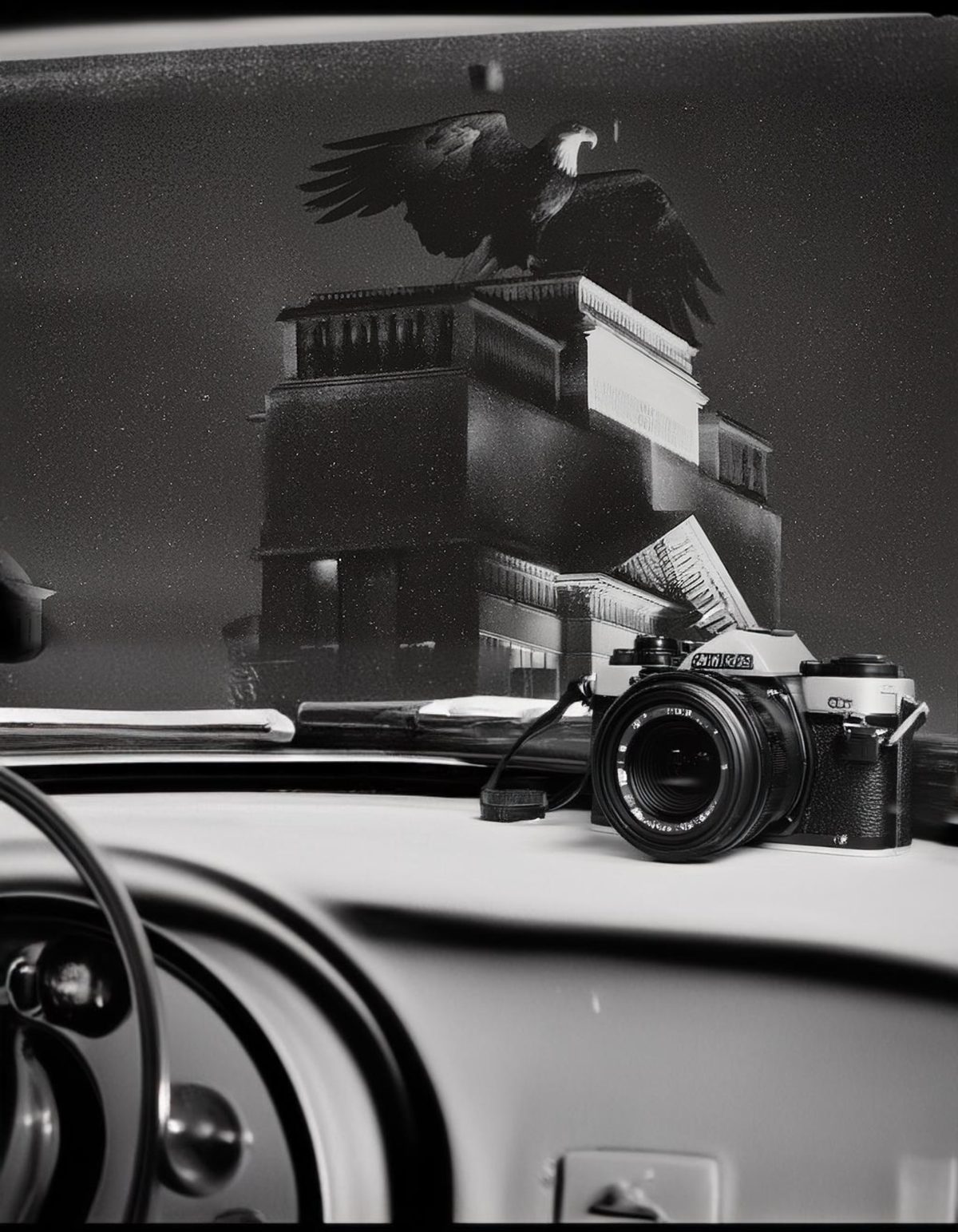
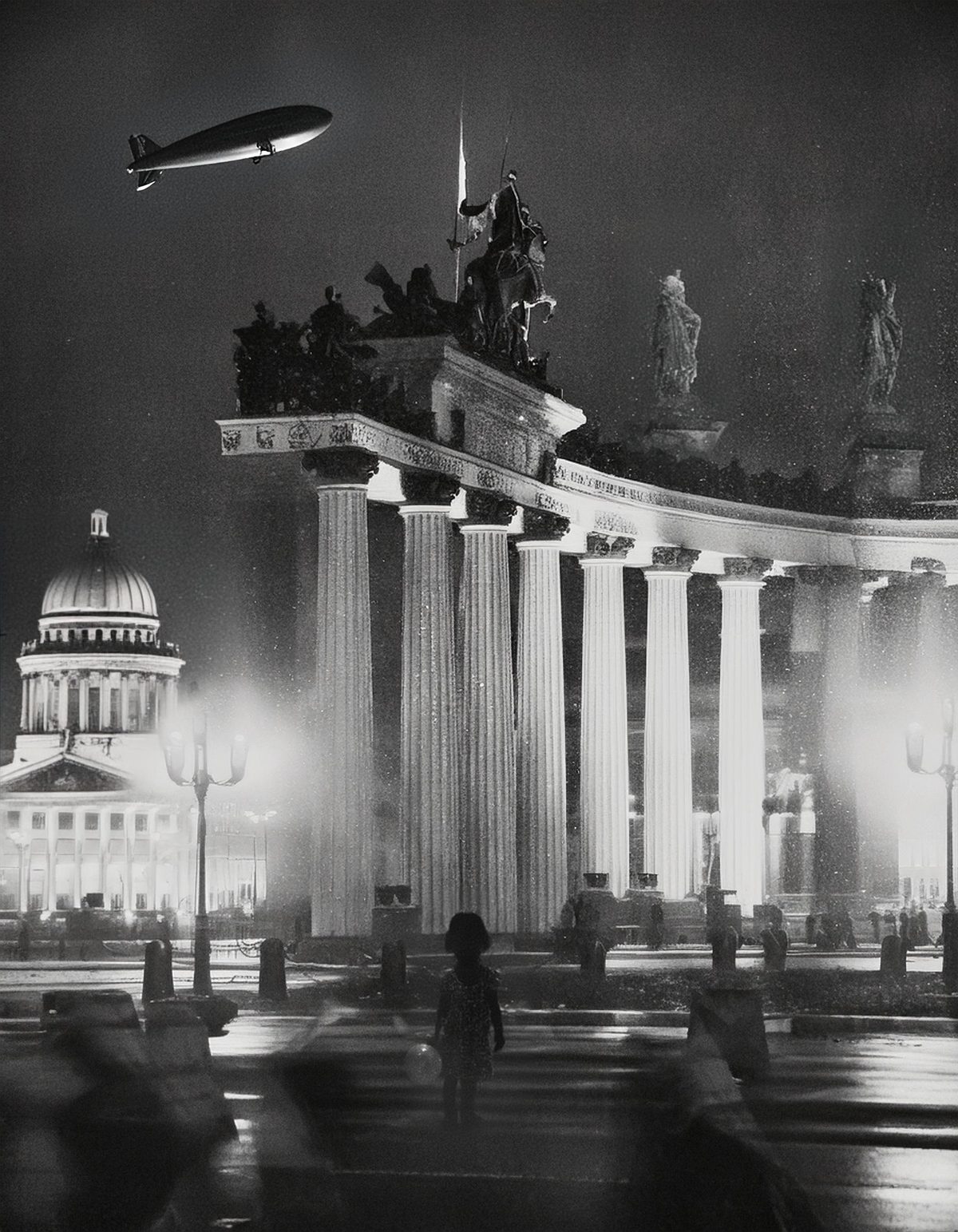
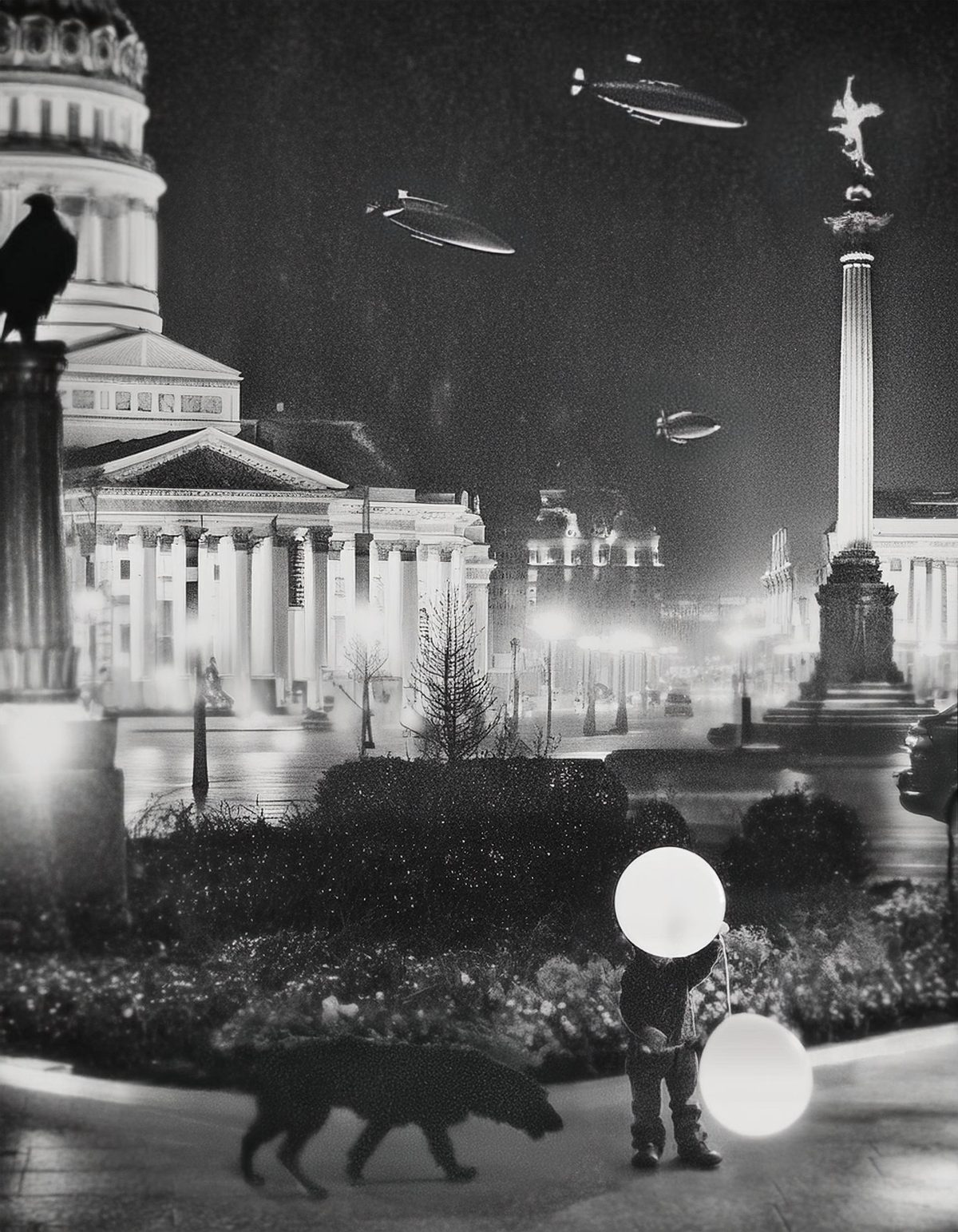
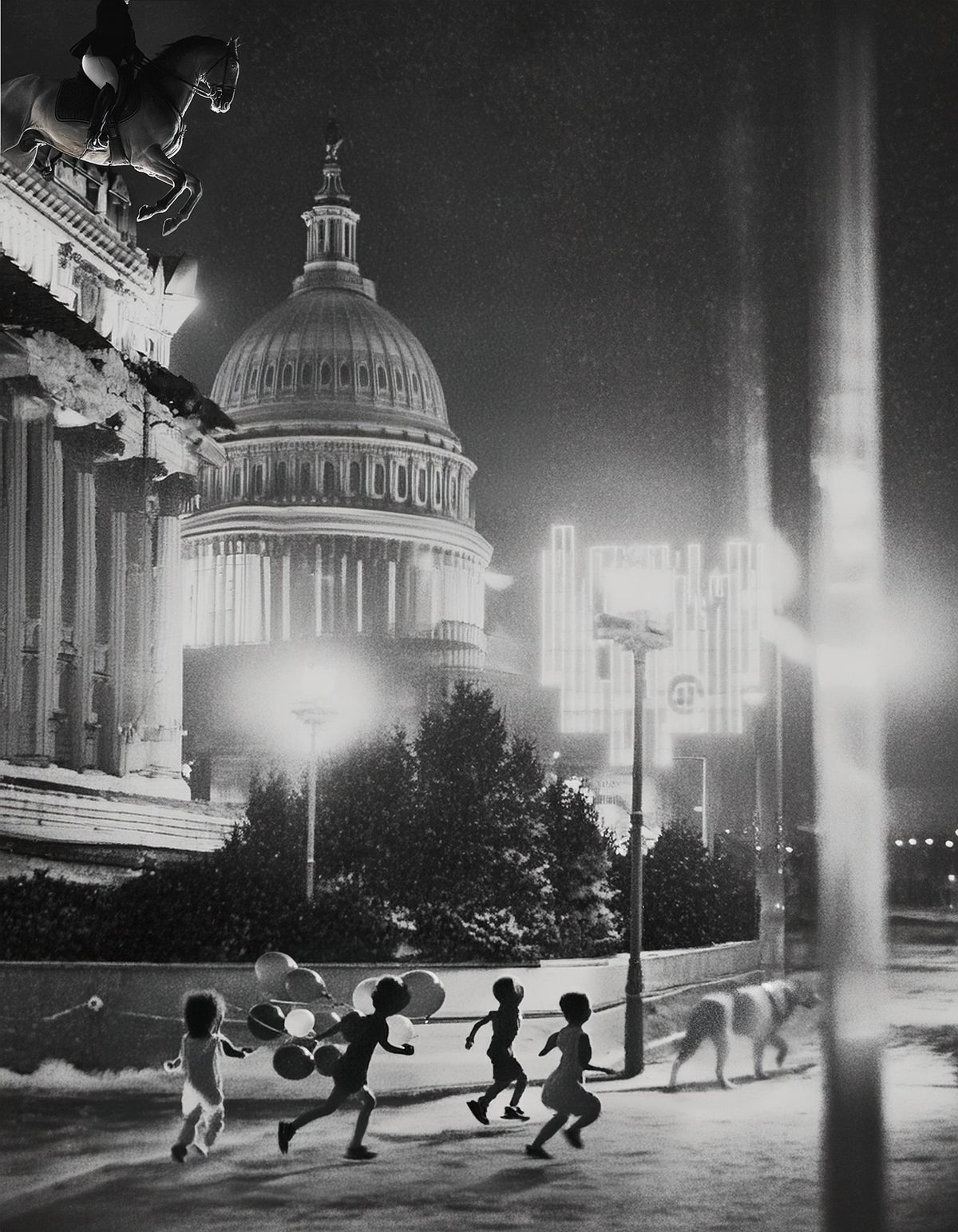
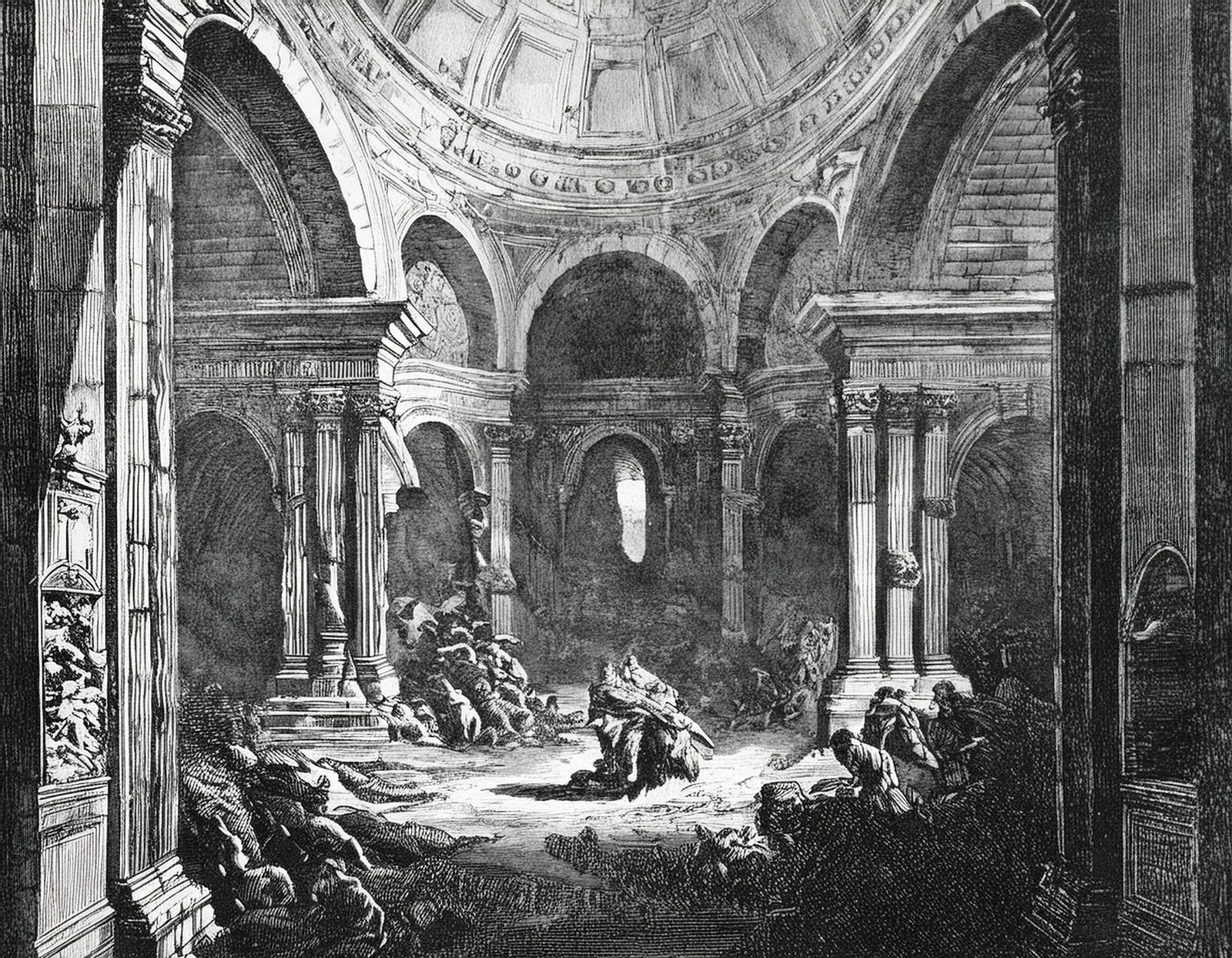
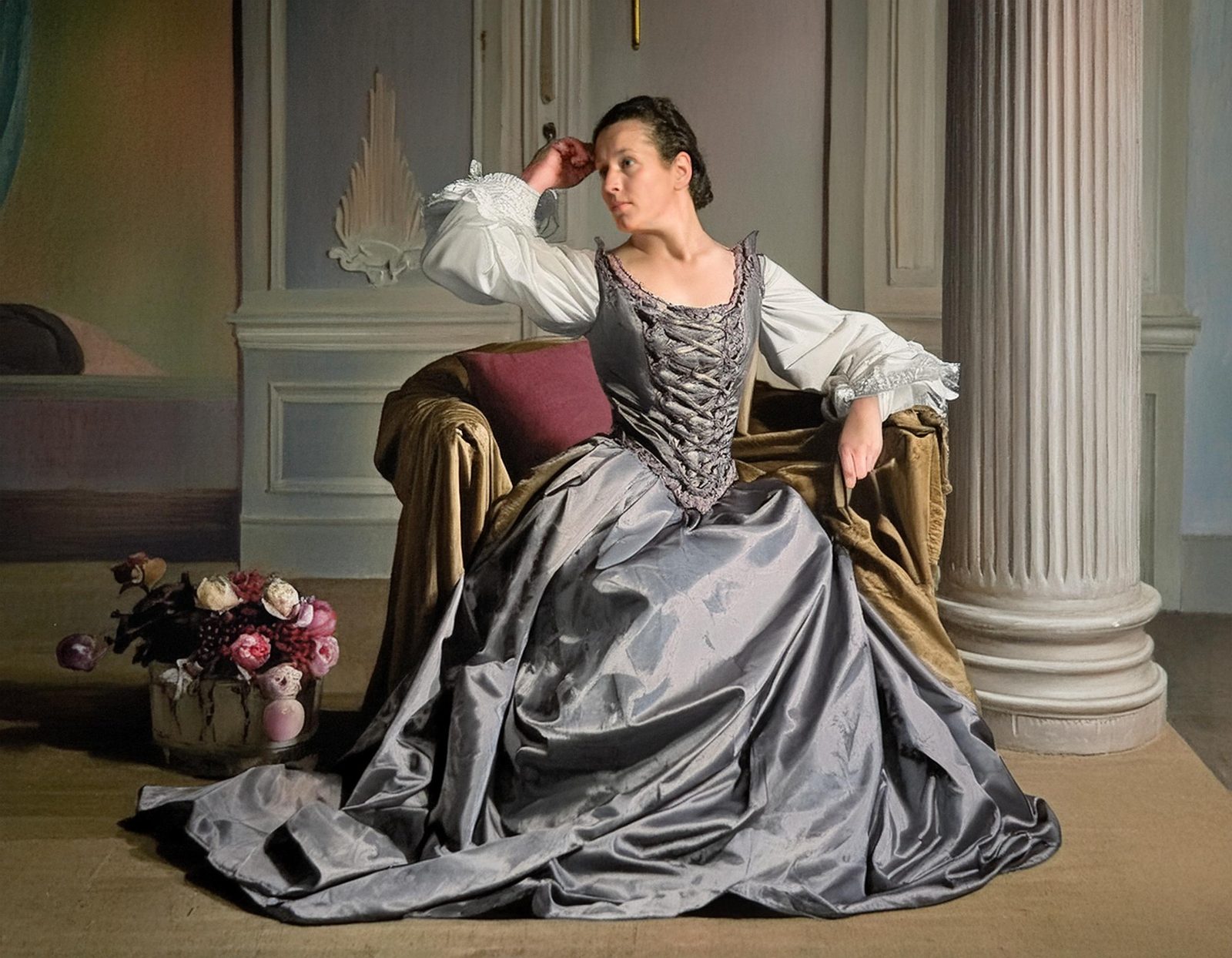
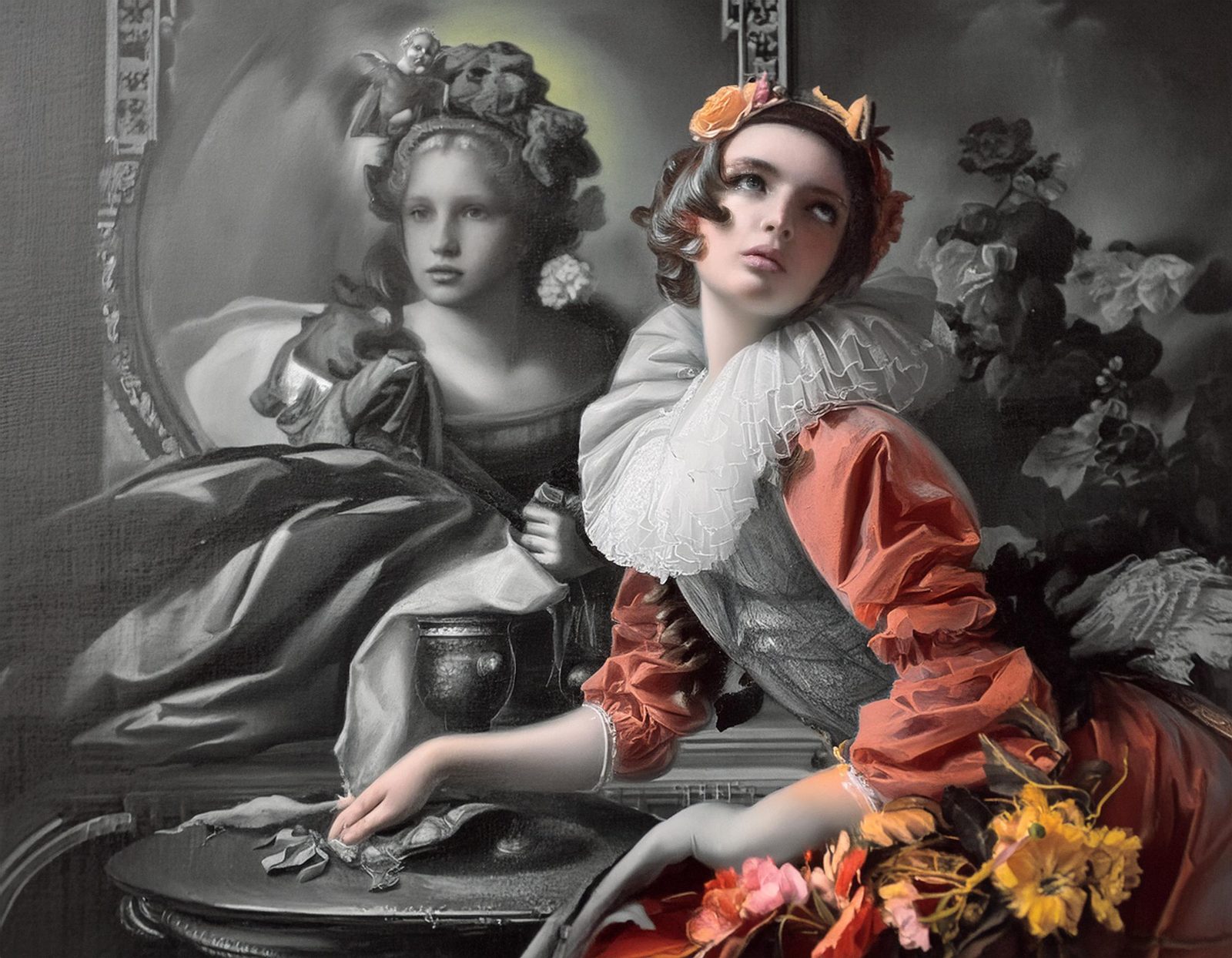
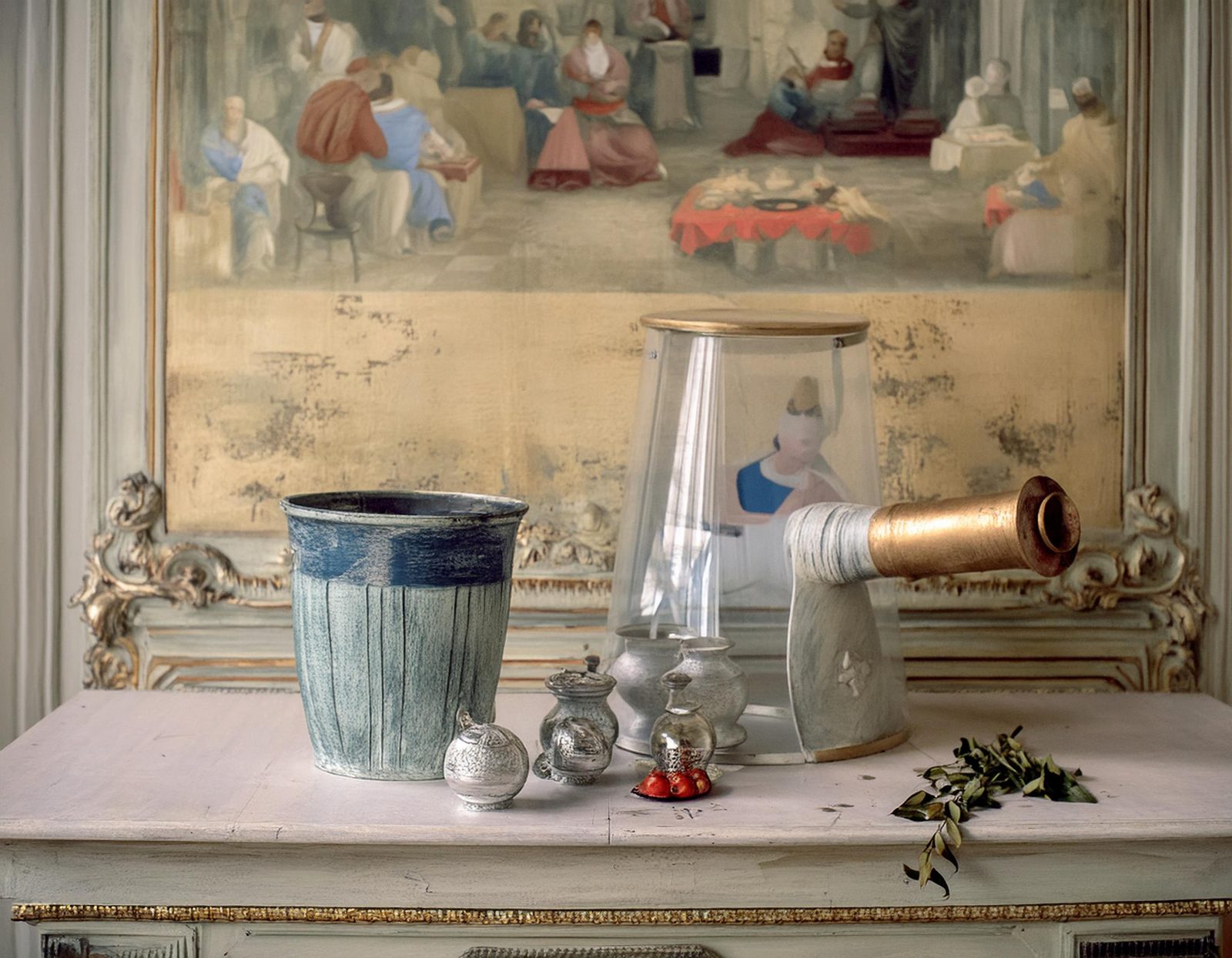
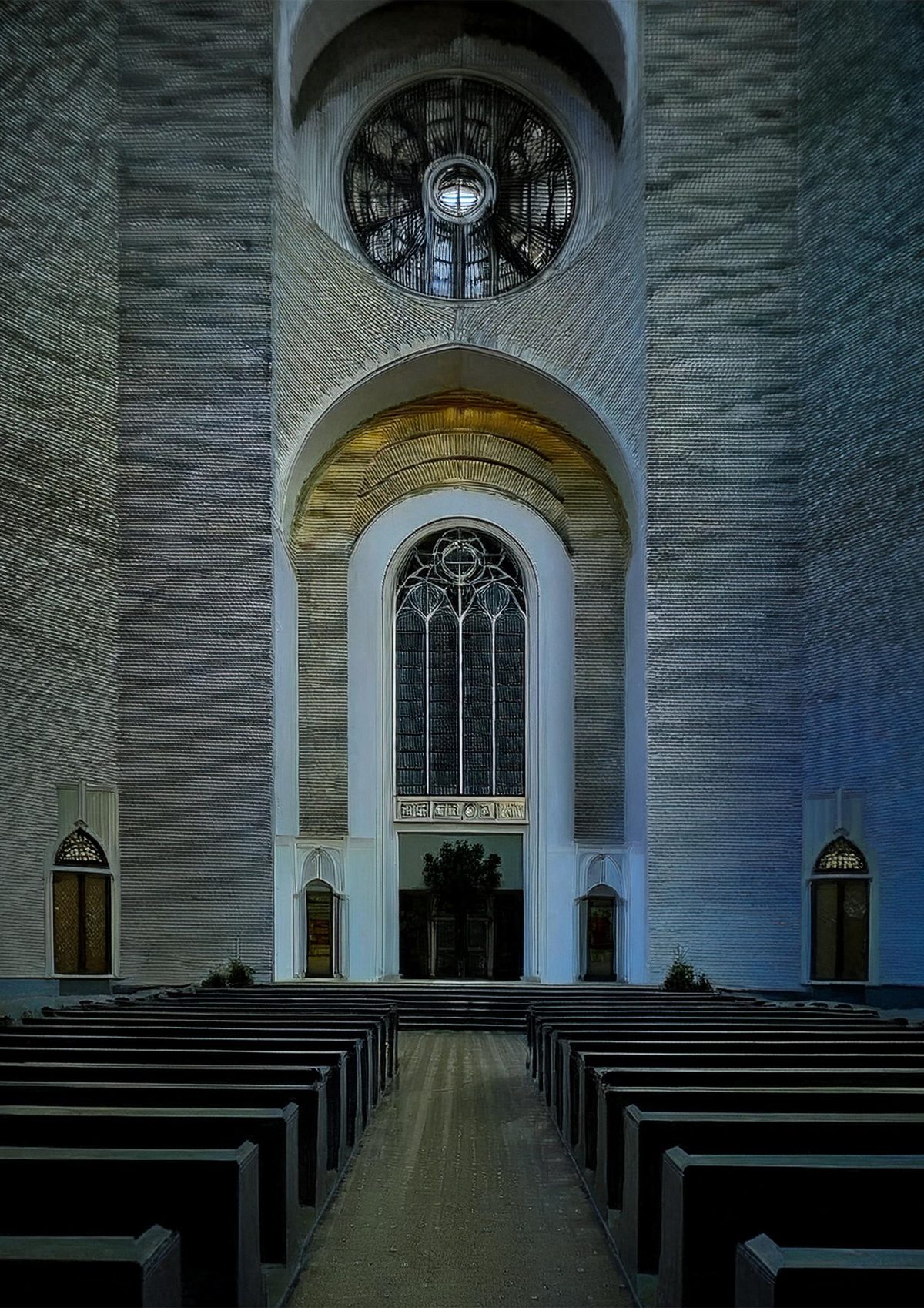
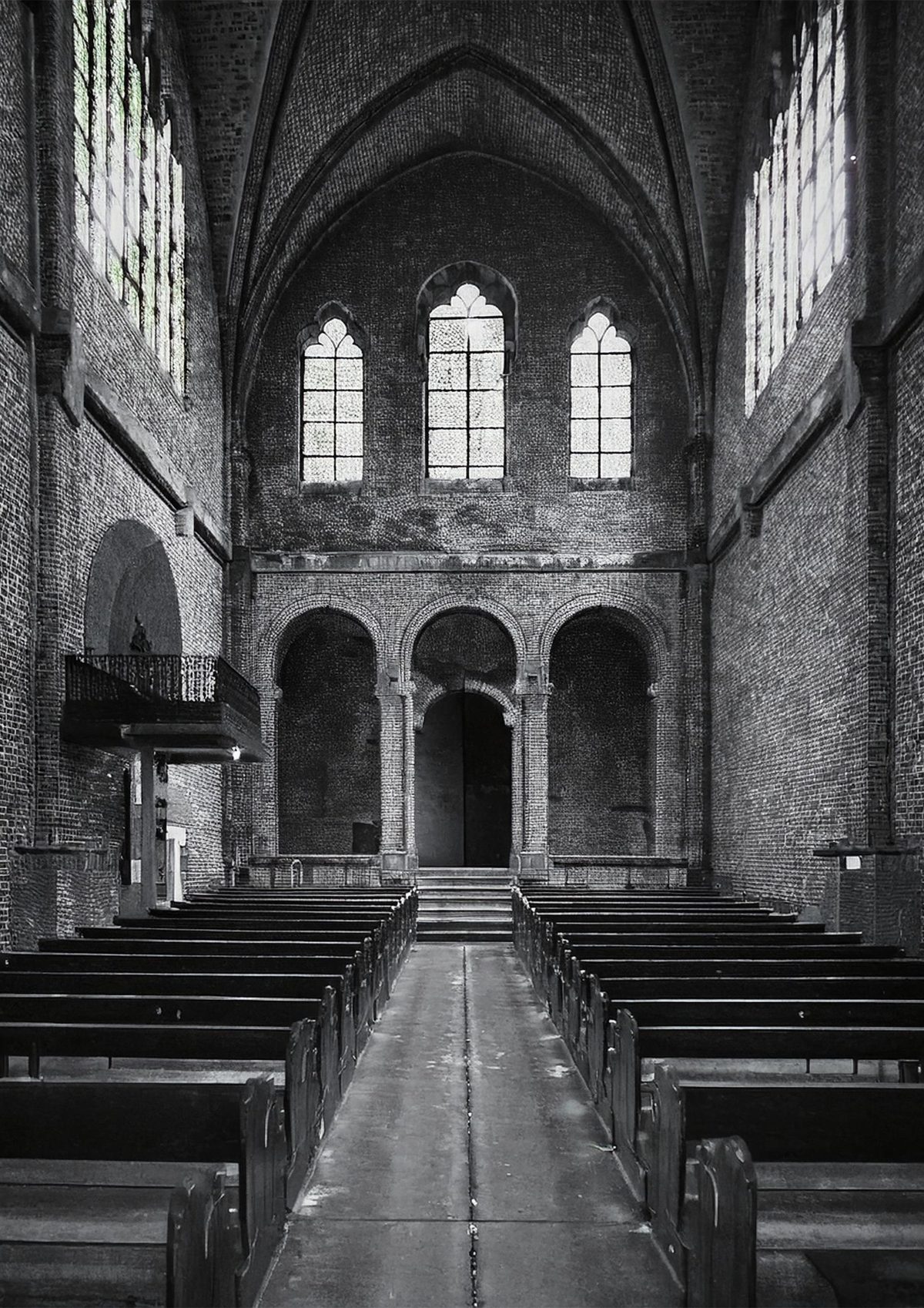
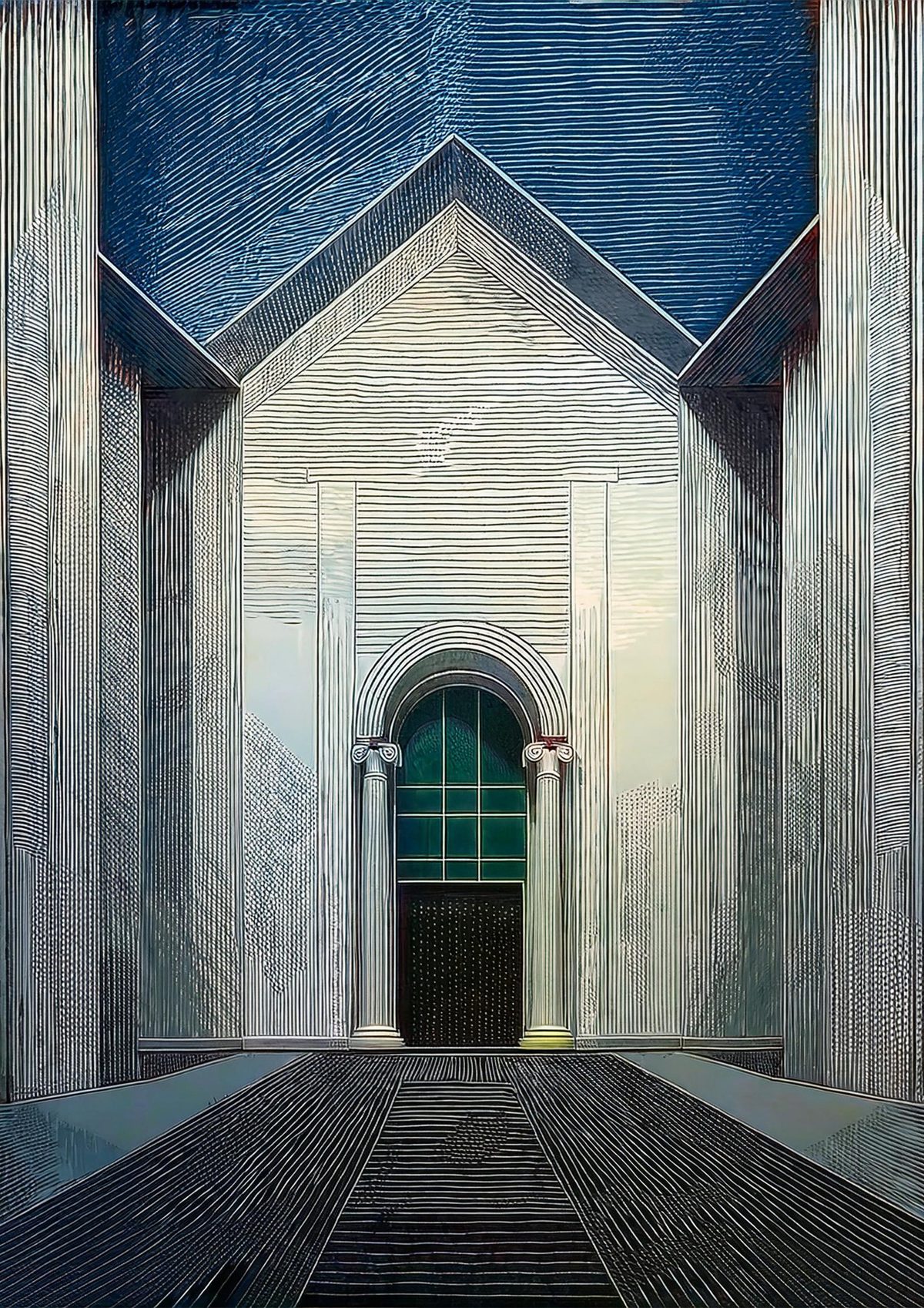
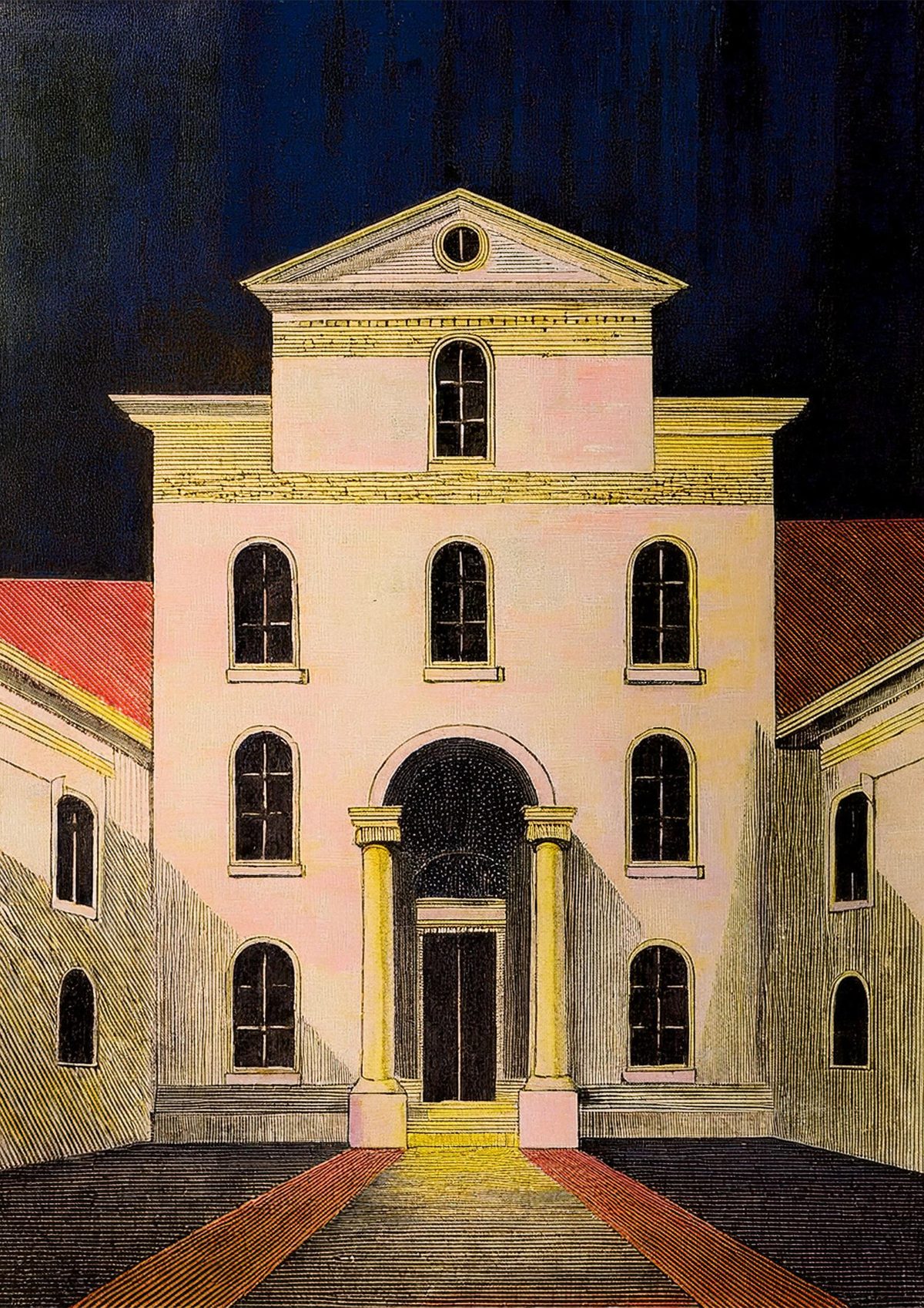
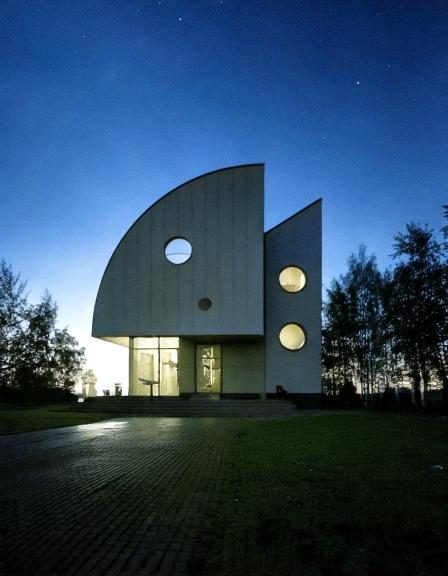
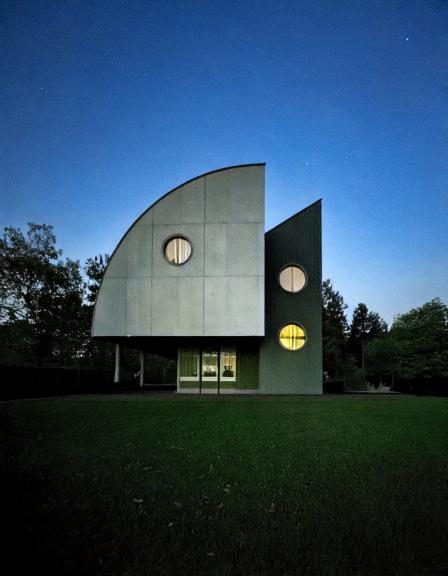
Hitoki Keino

Architecture / Representation / Aesthetics

Hitoki KeinoArchitecture / Representation / Aesthetics
← Home
← Works
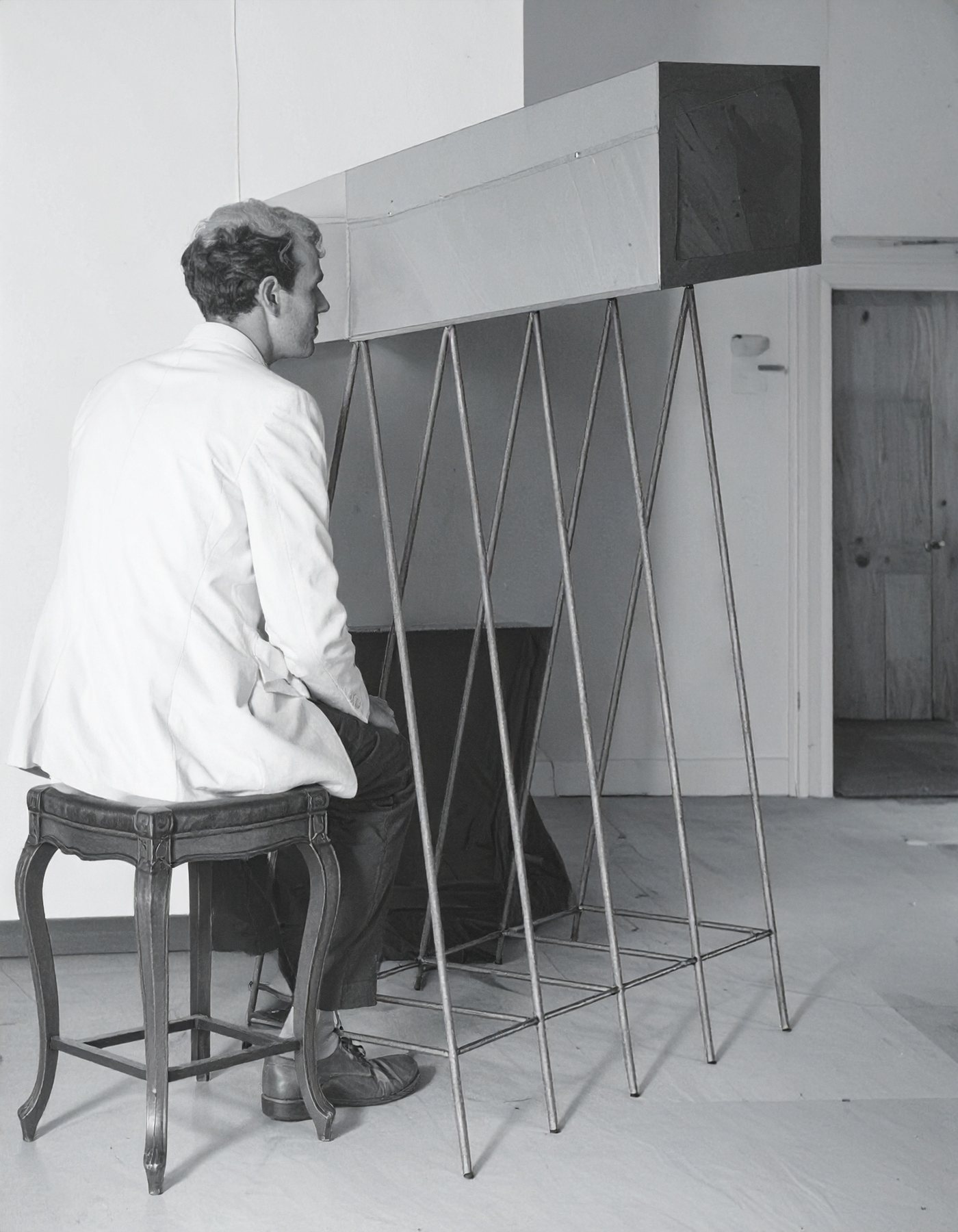
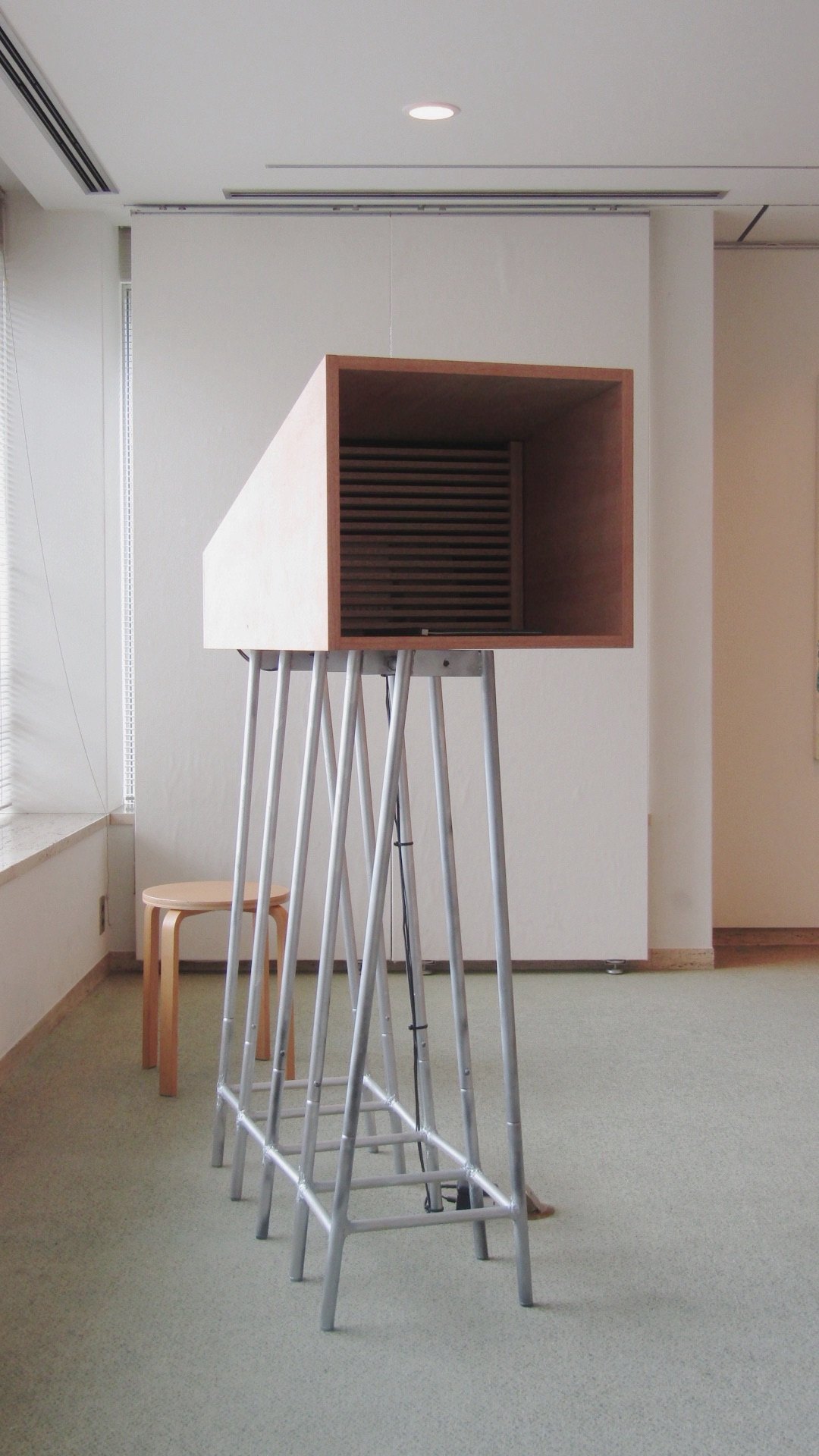
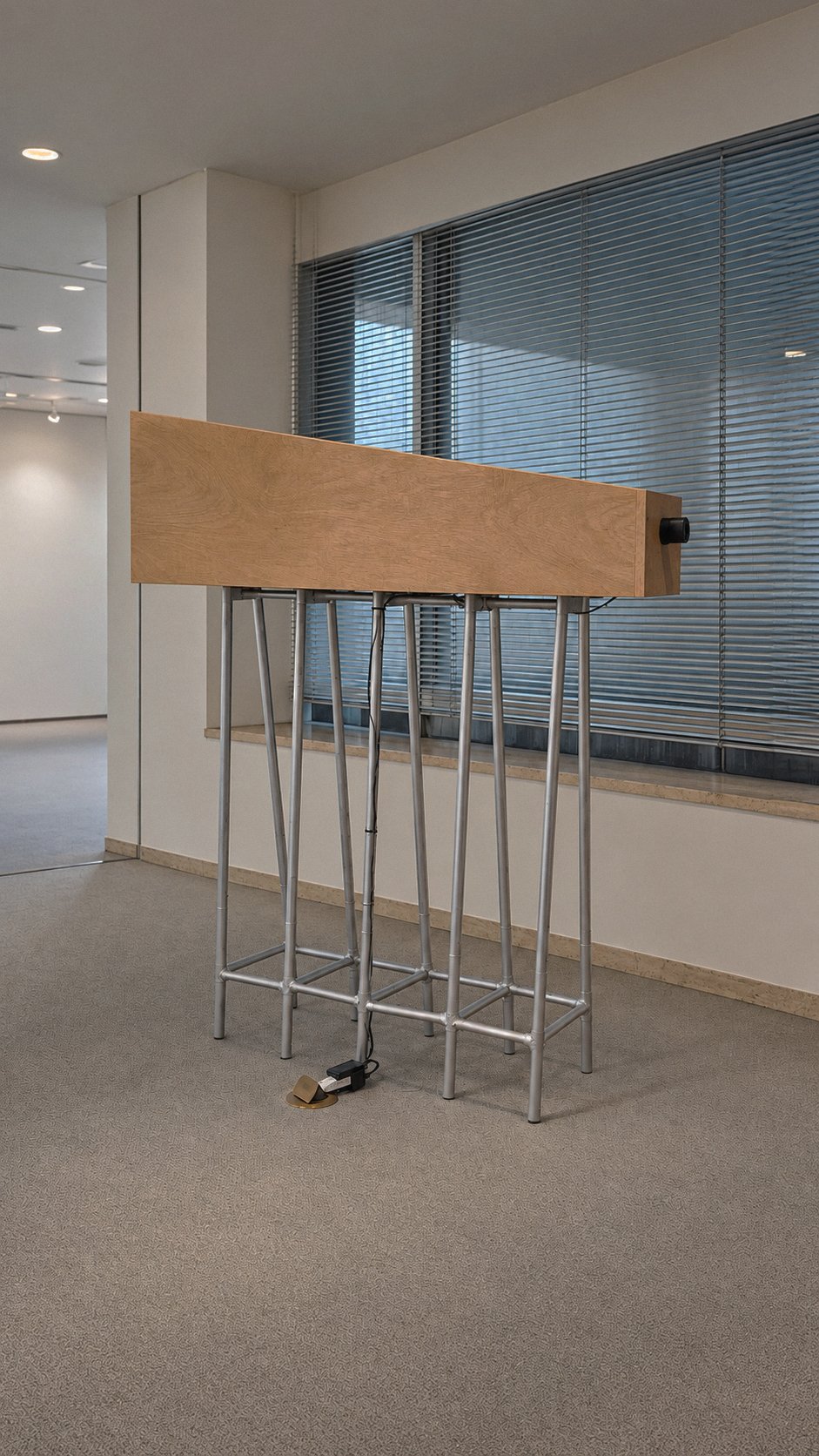
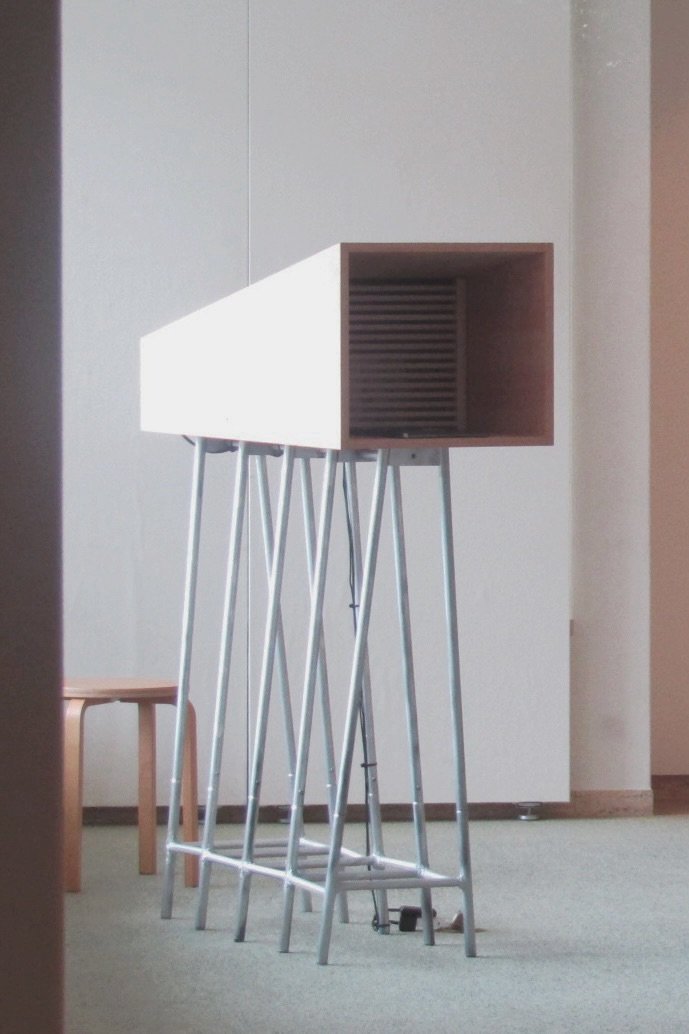
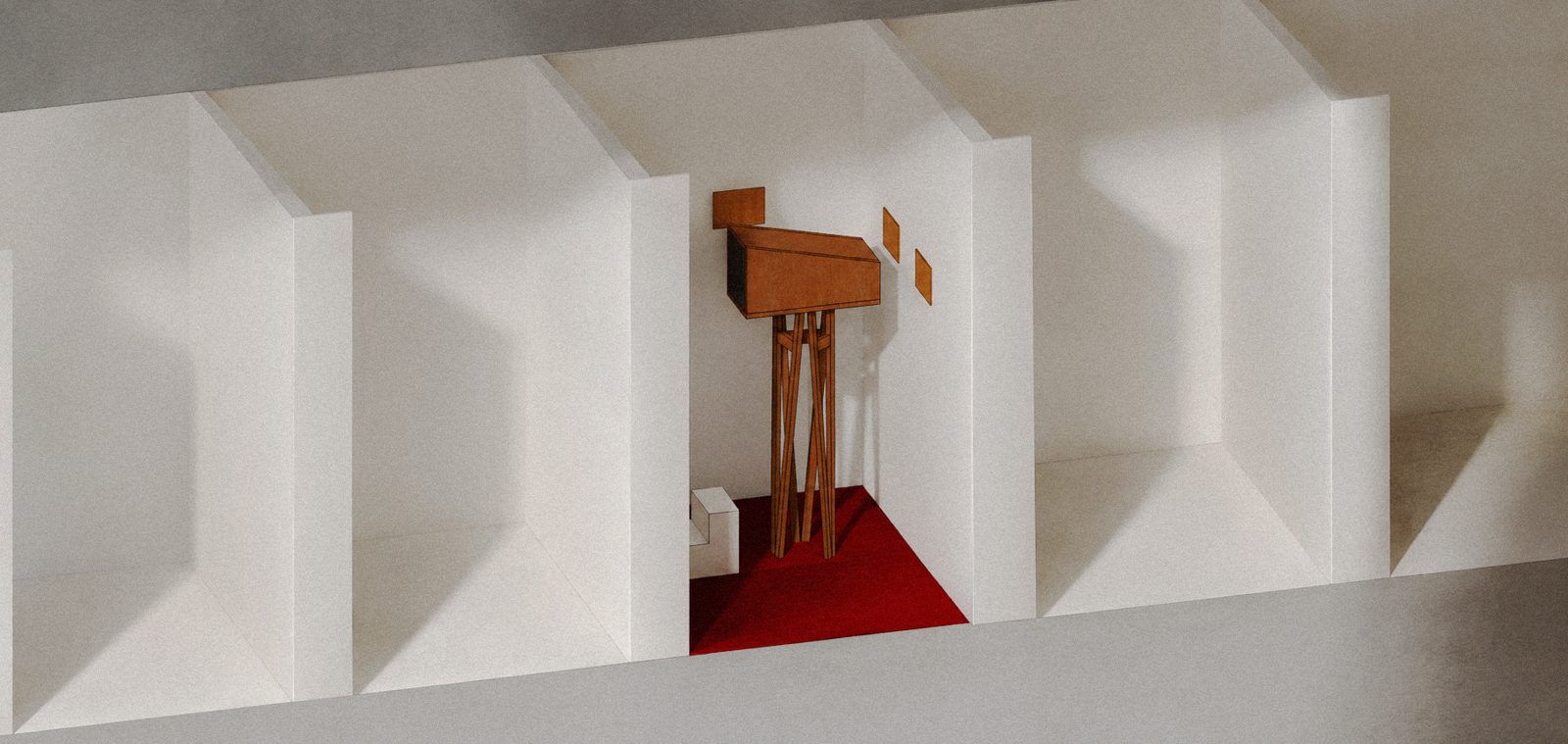
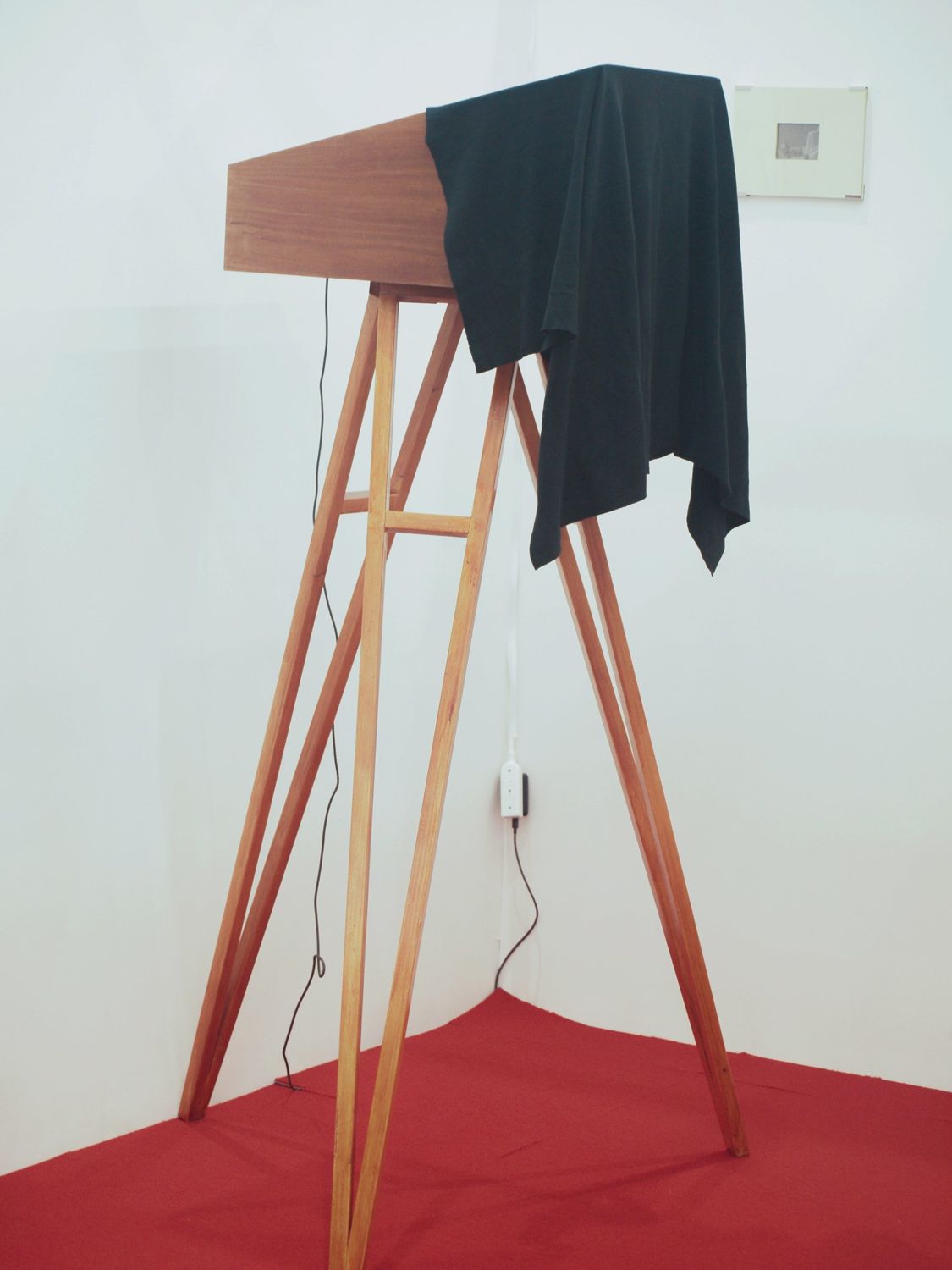
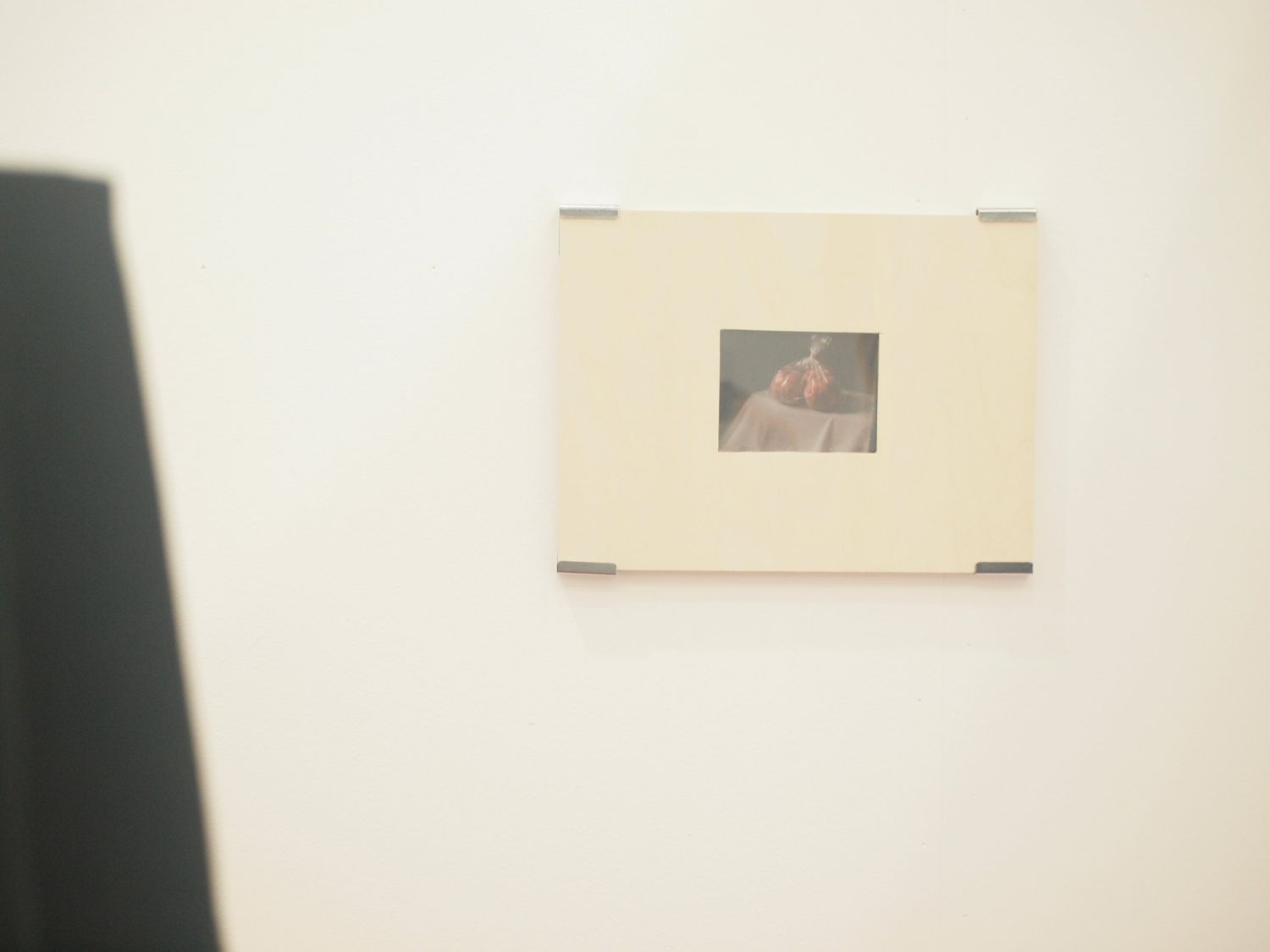
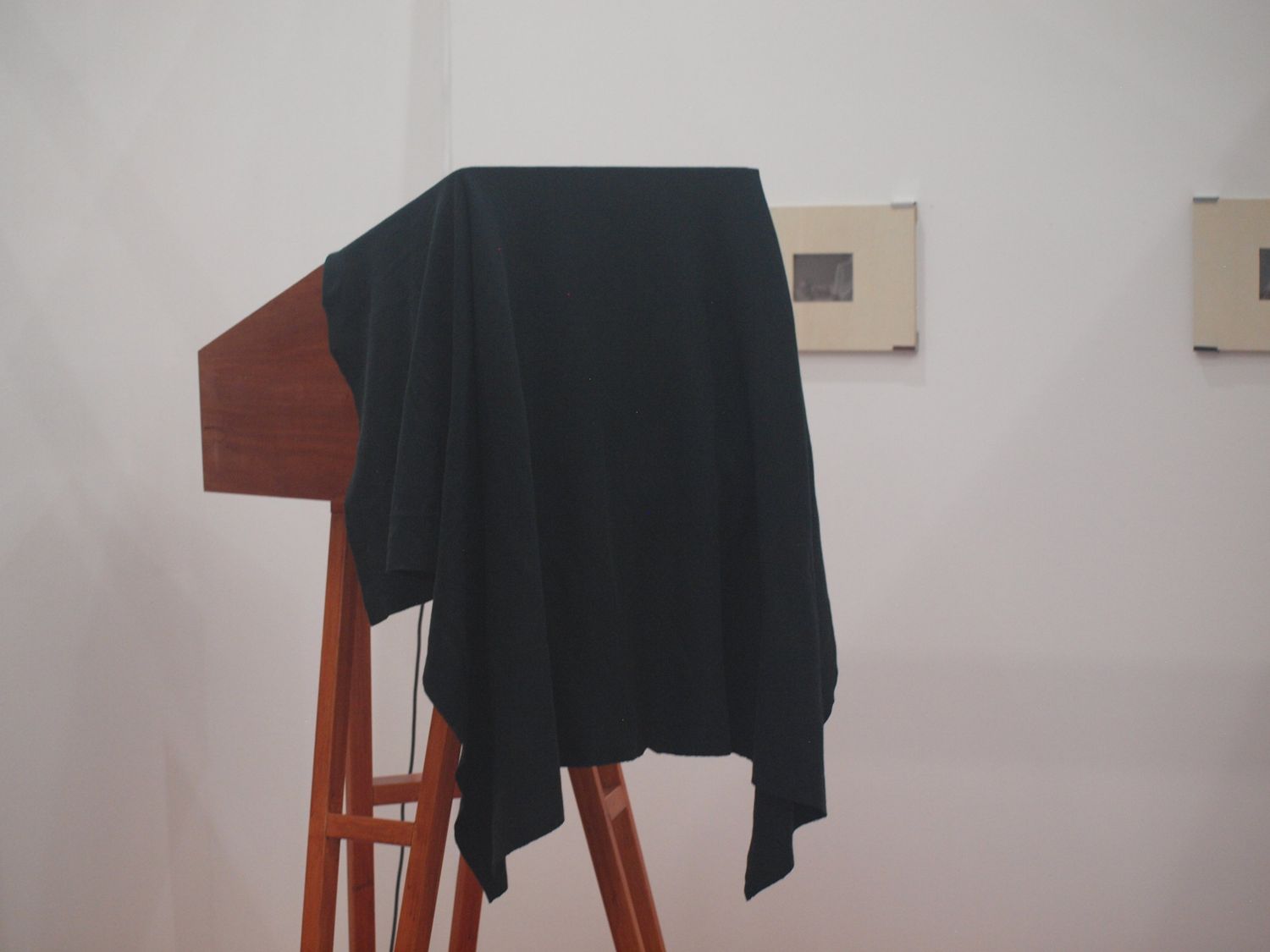
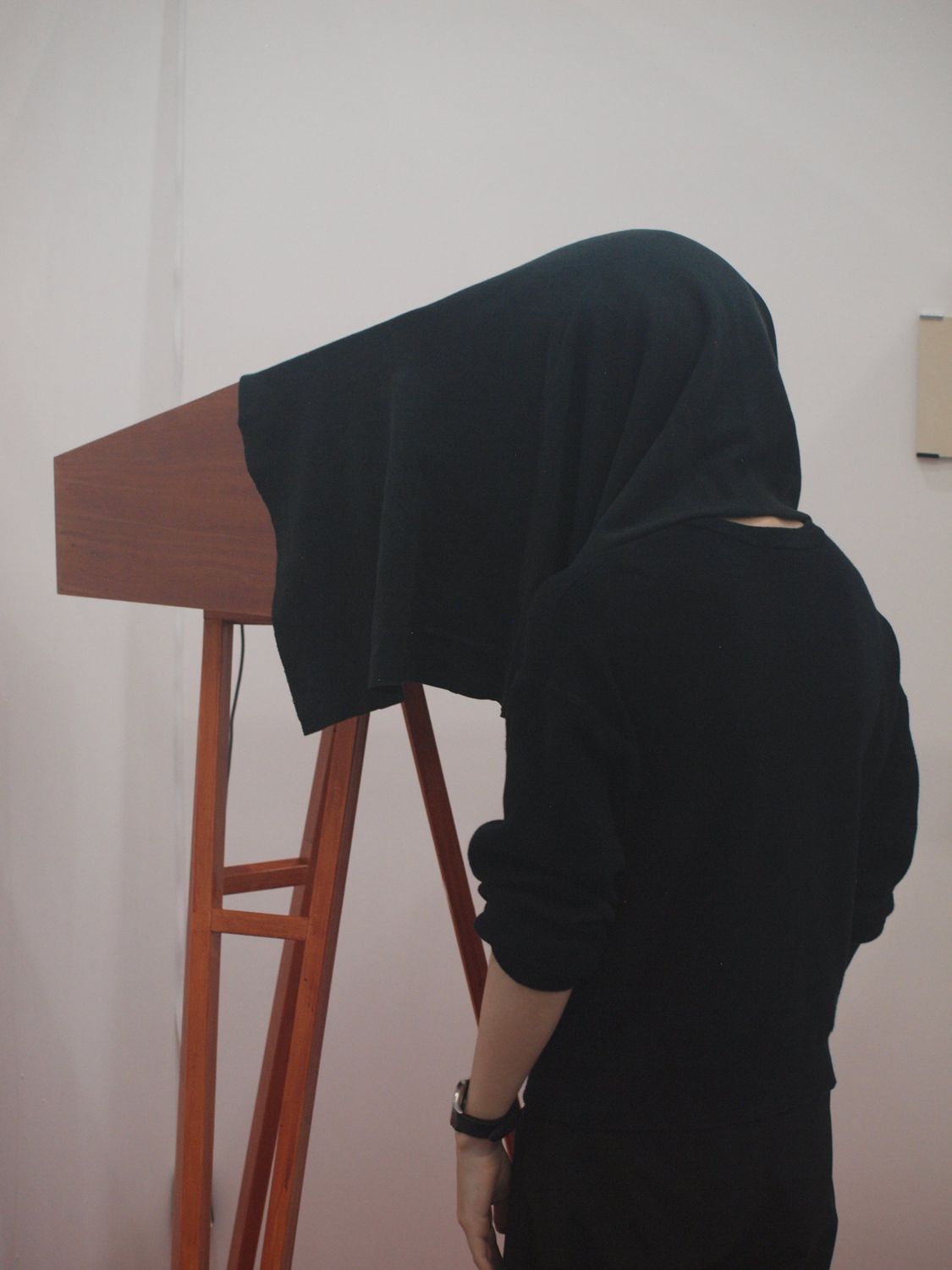
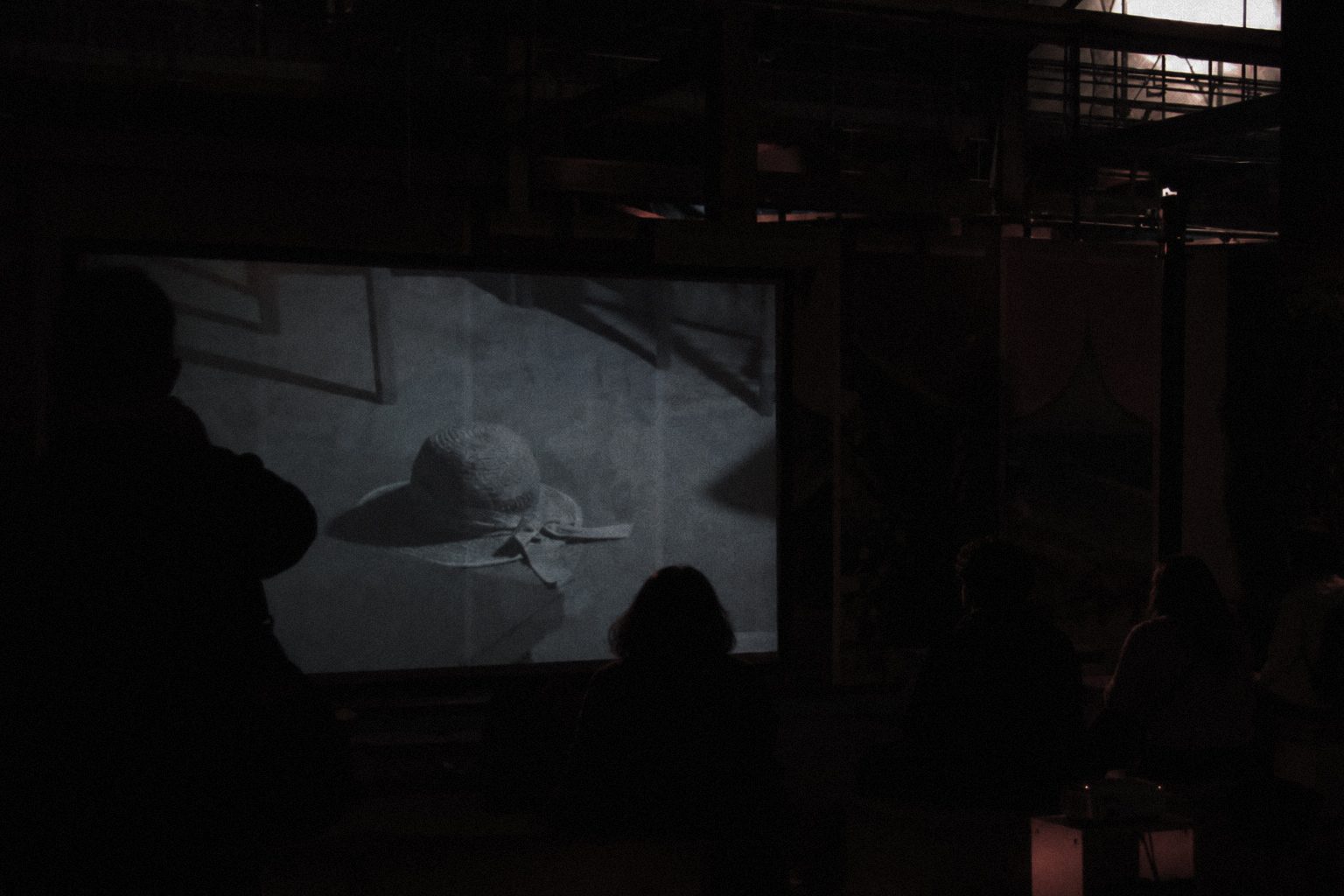
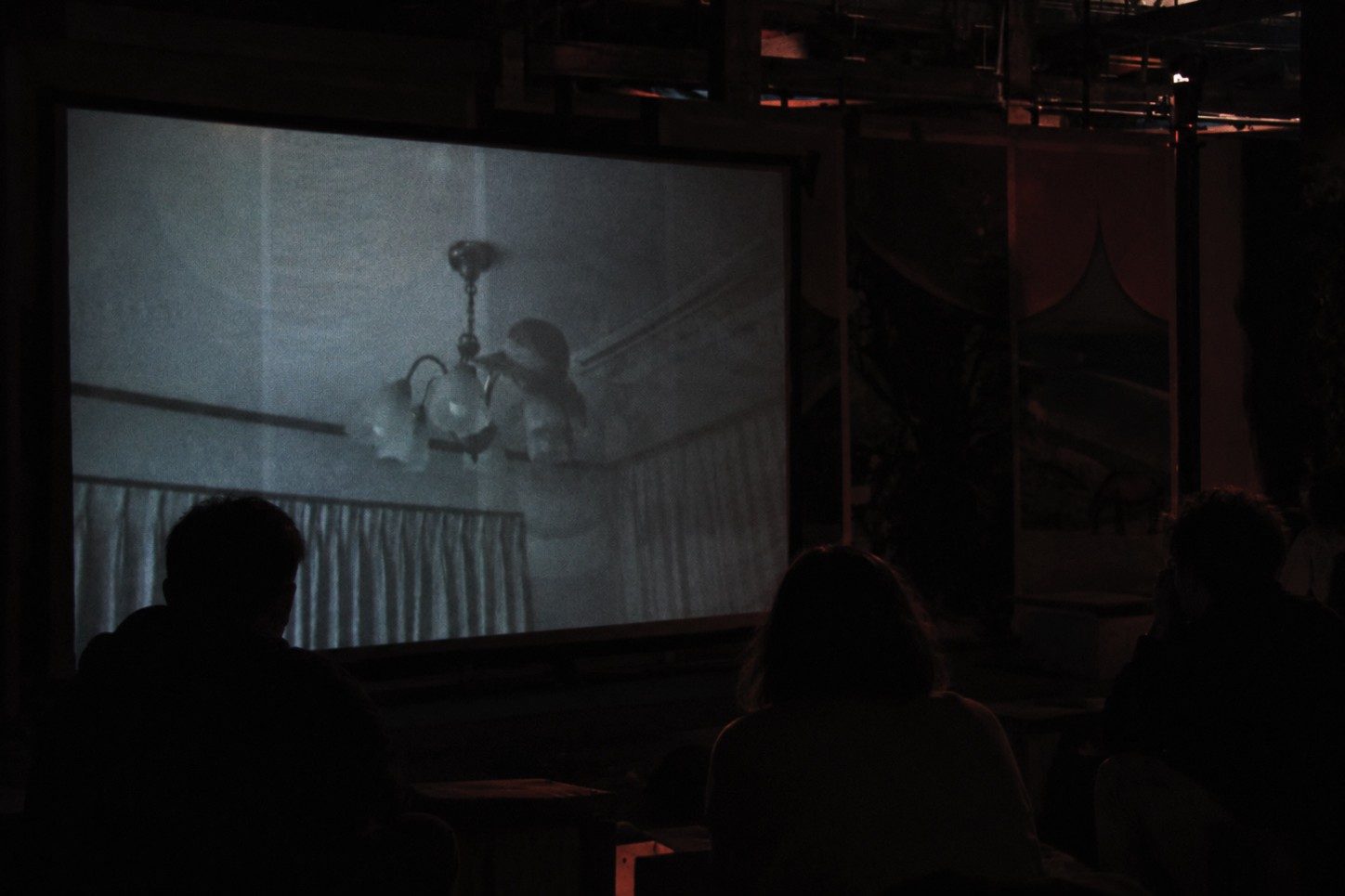
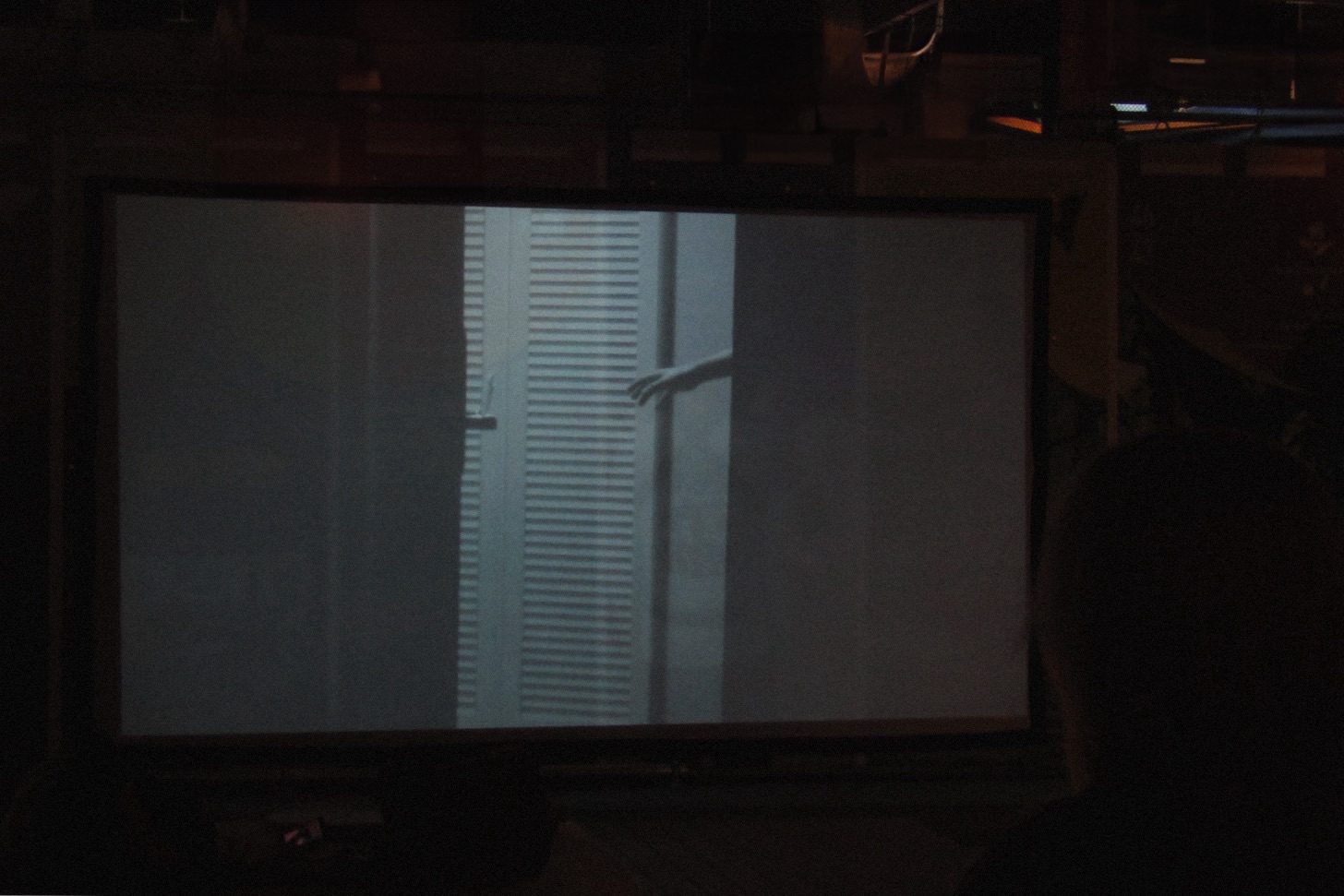
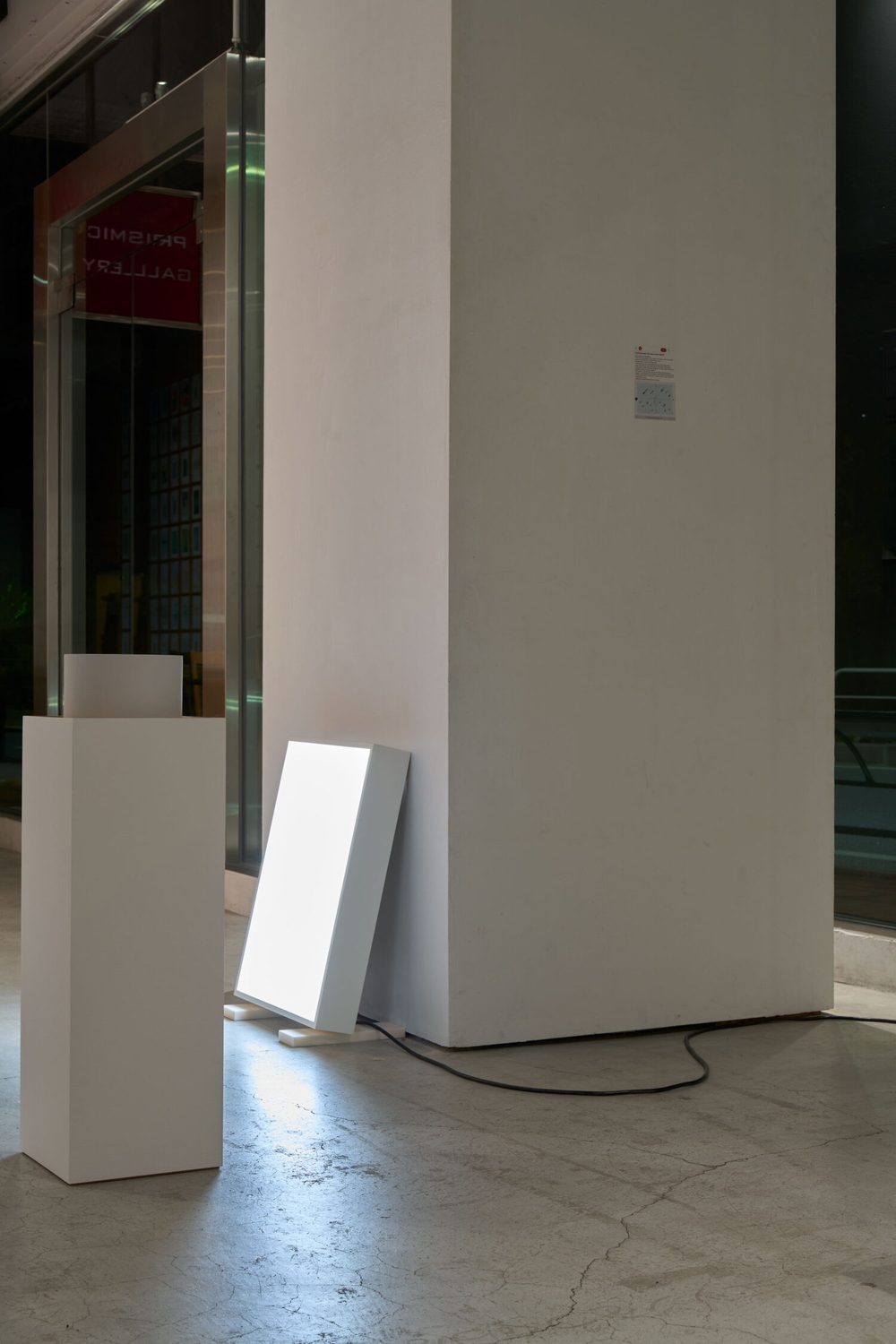
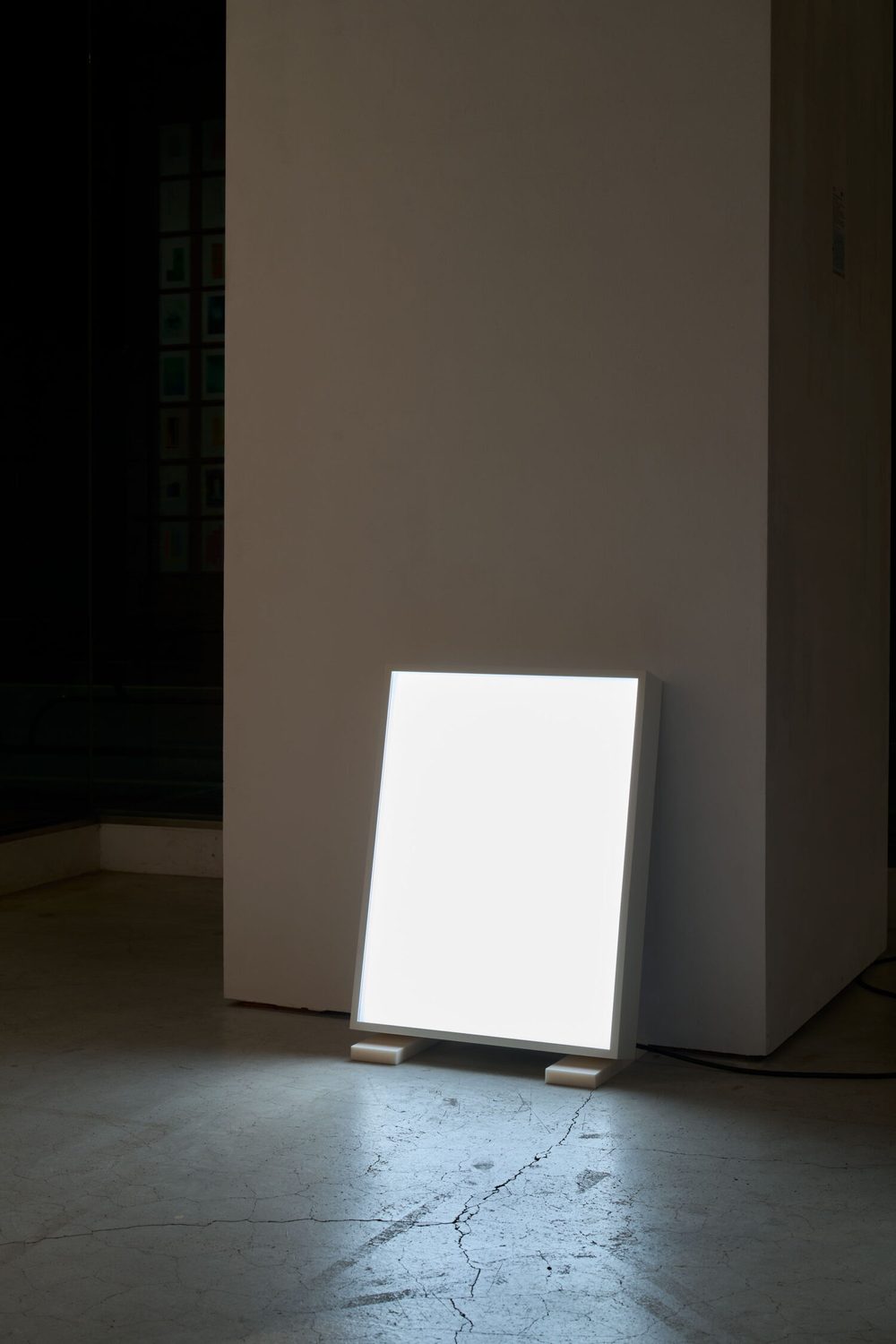
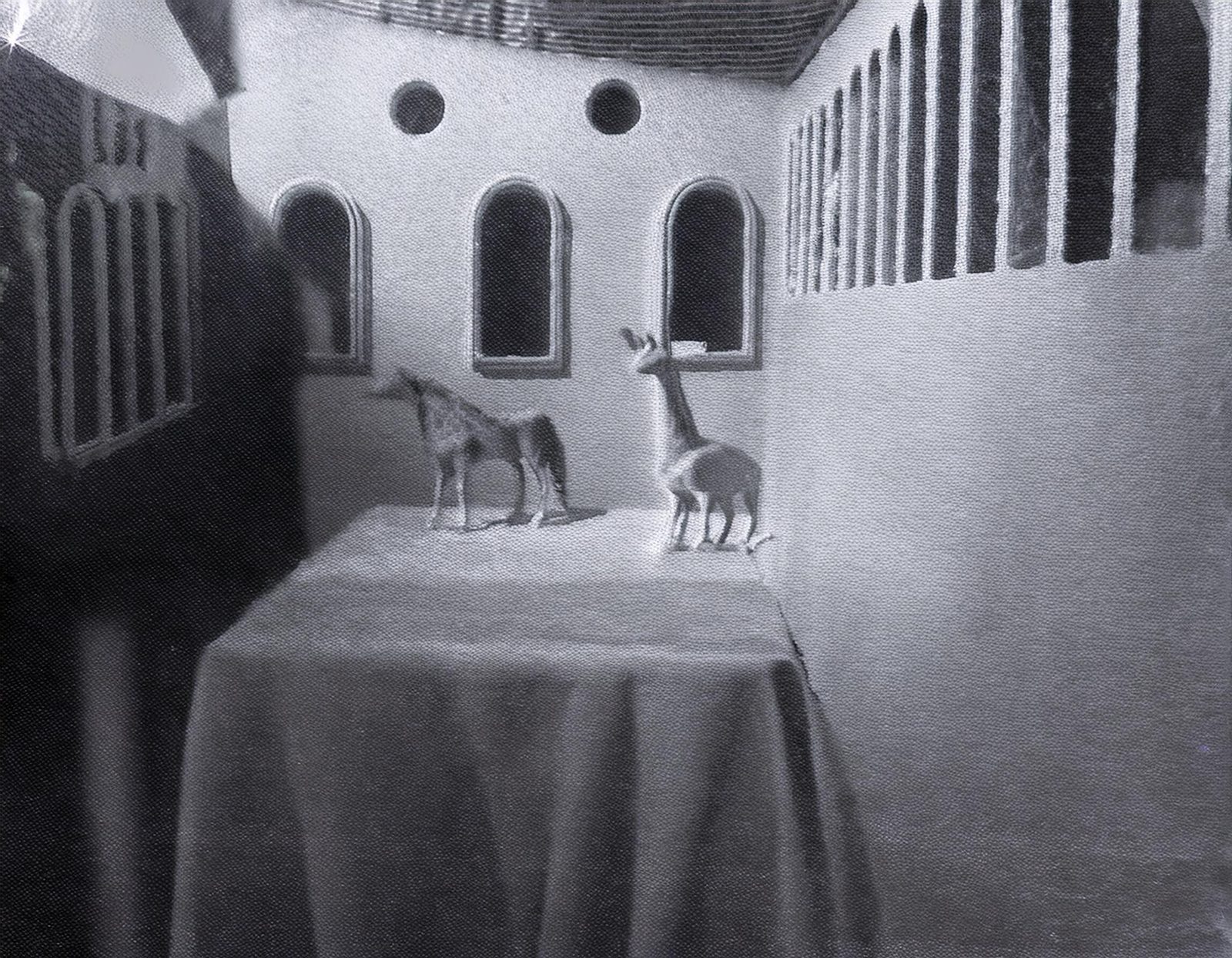
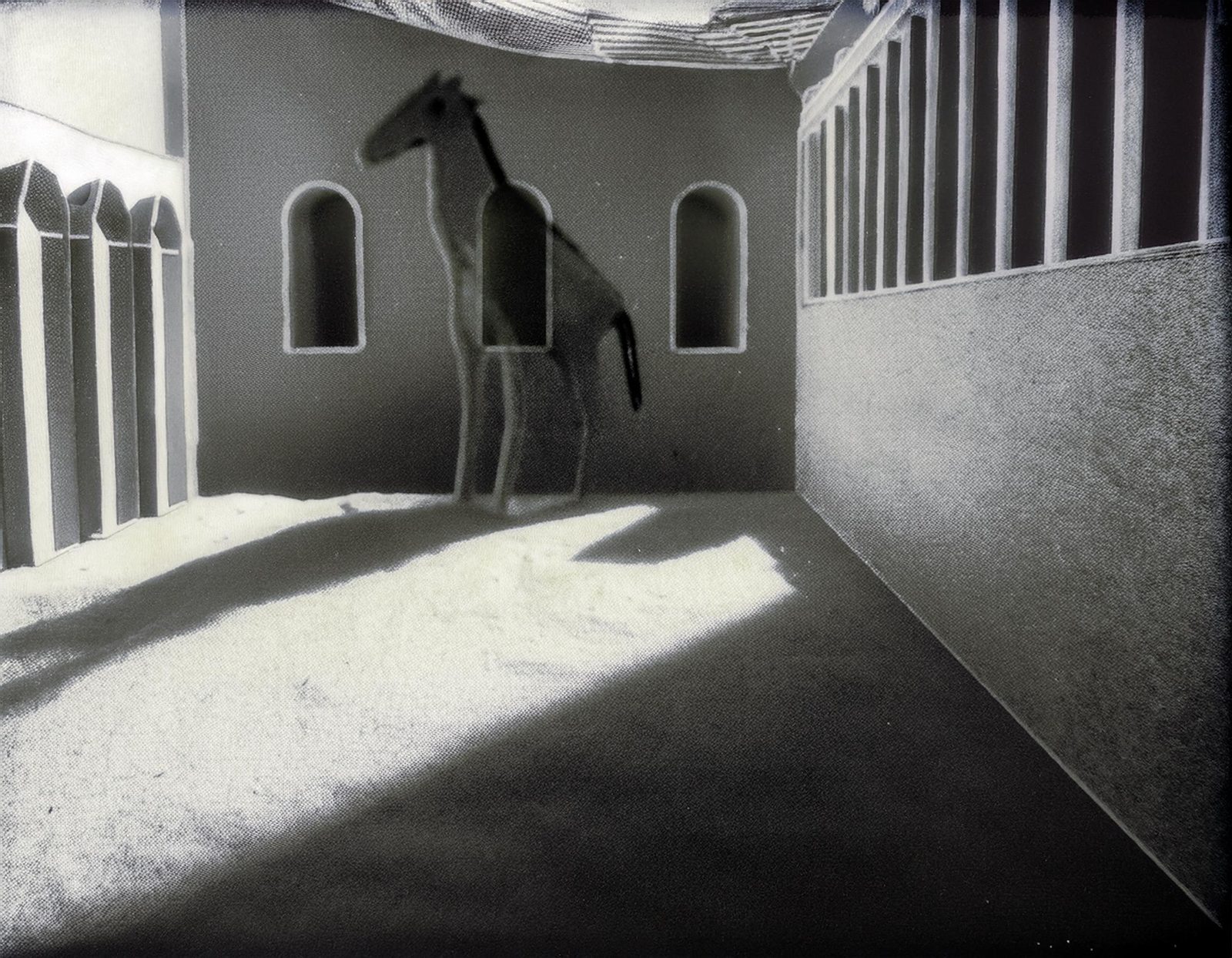
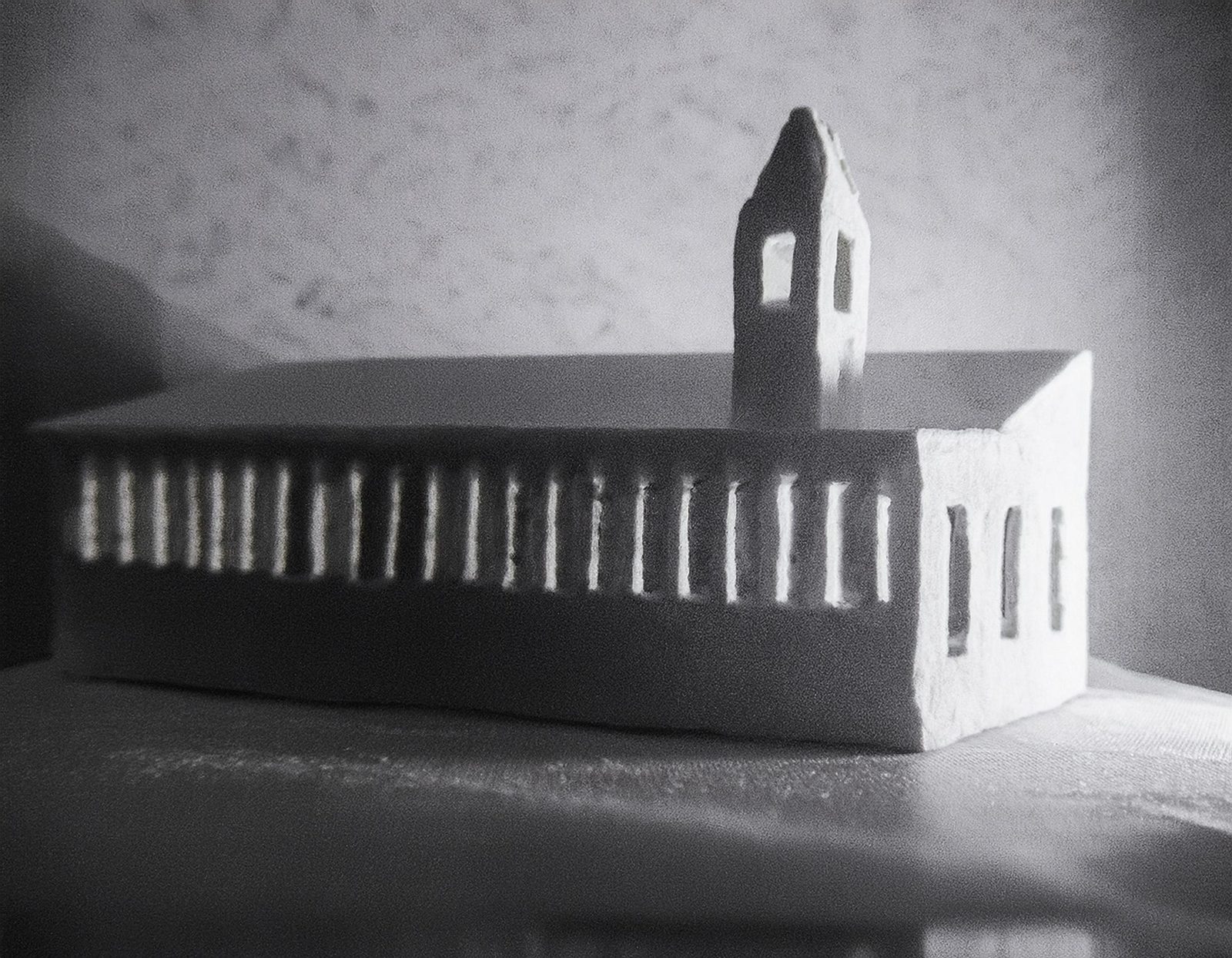
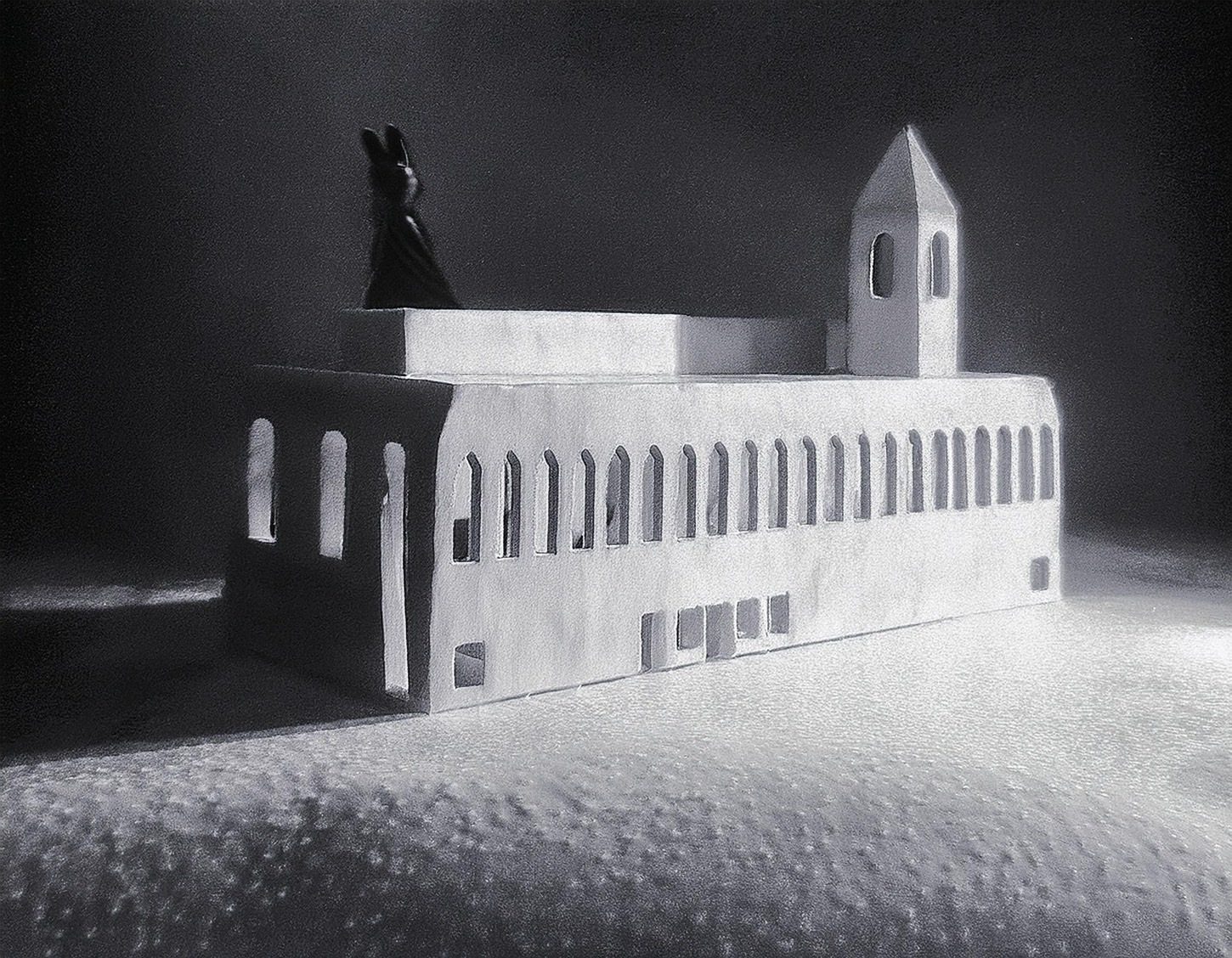
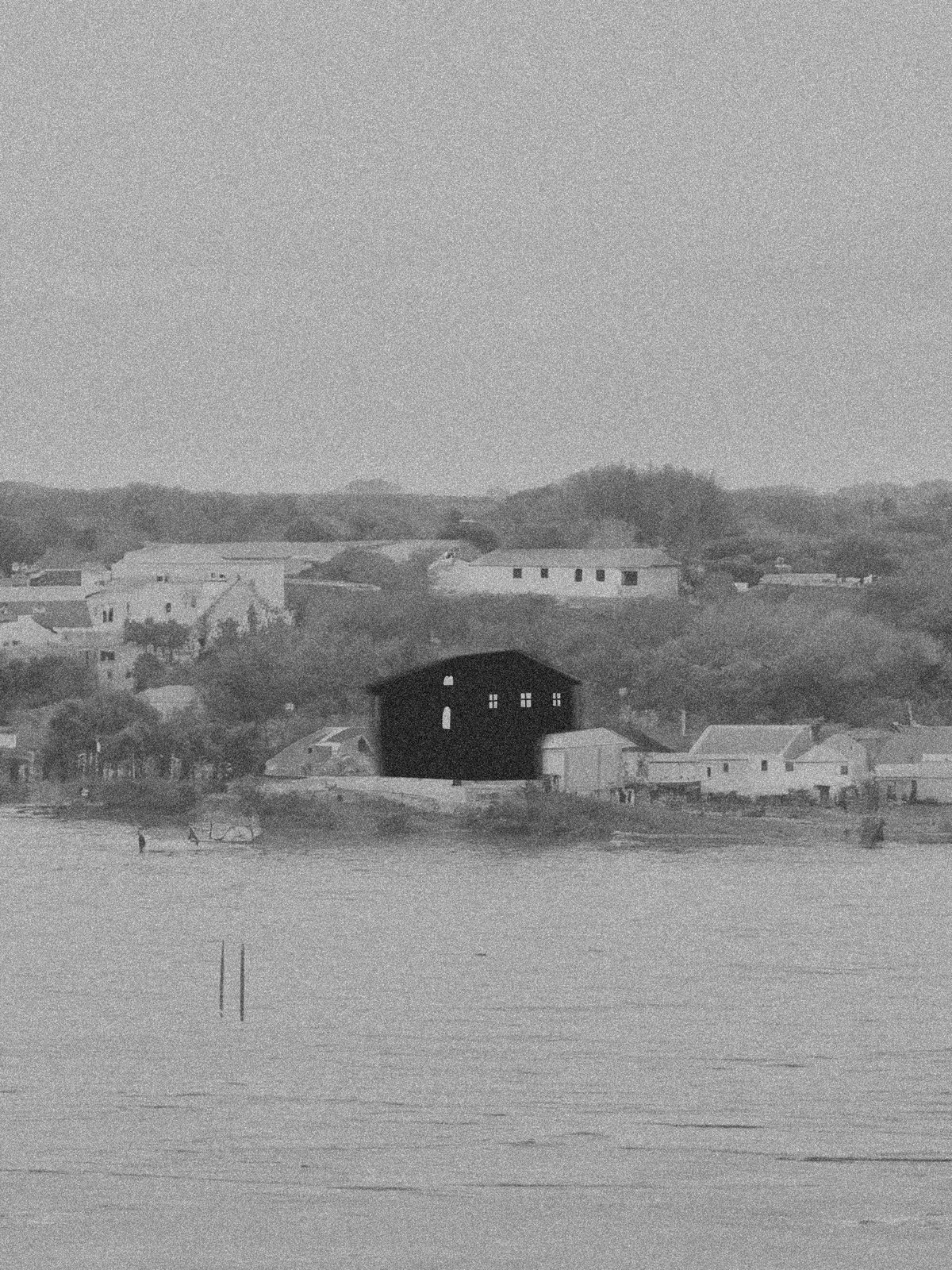
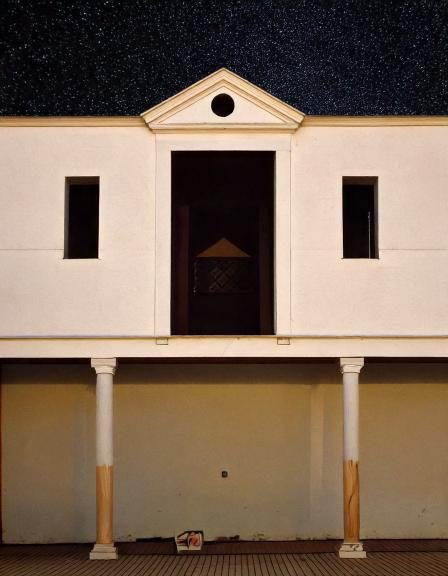
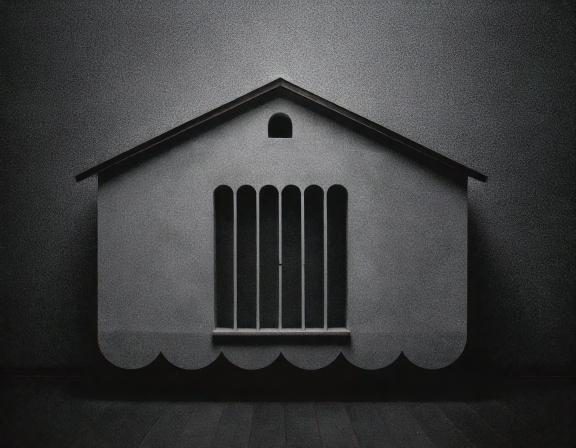
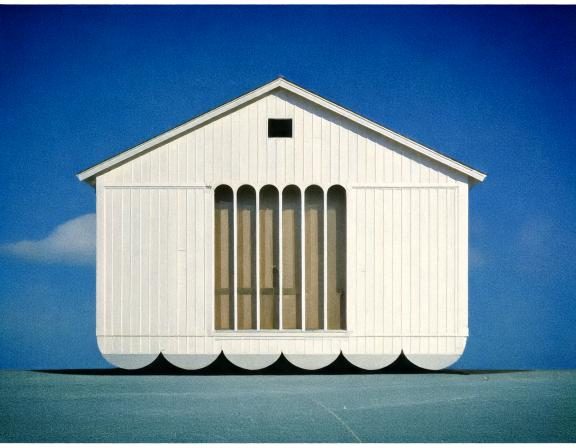
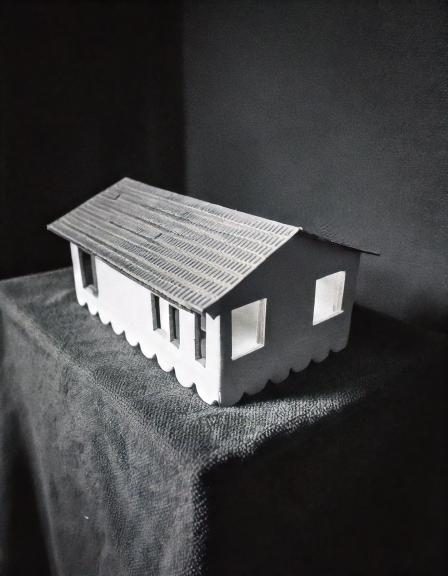
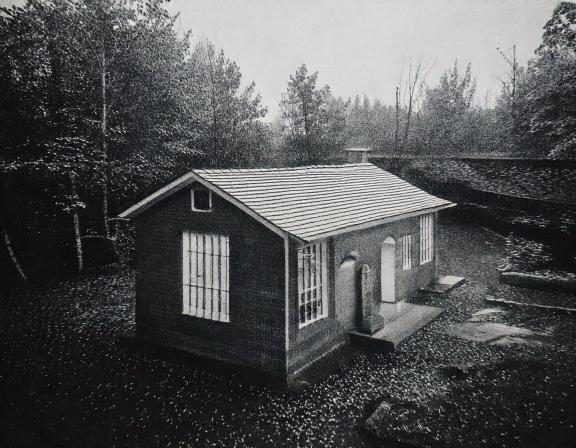
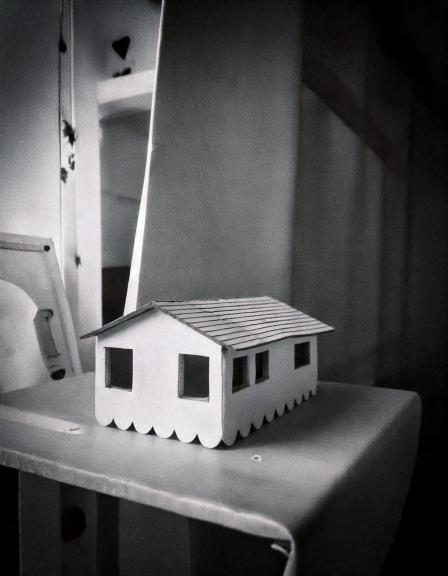
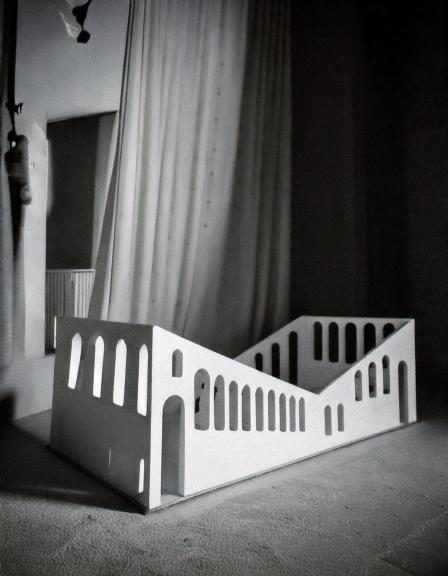
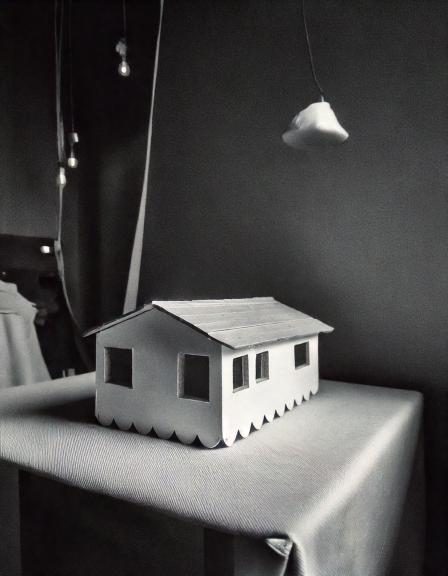
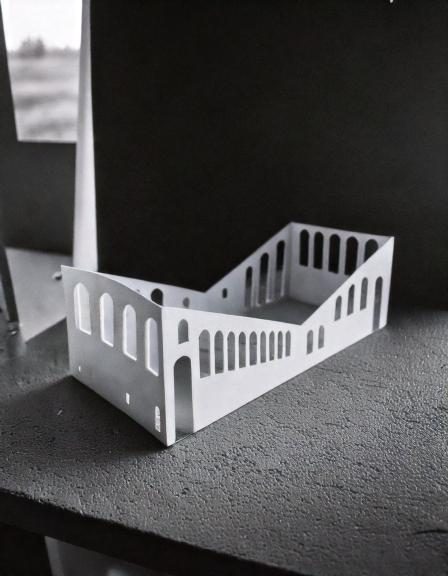
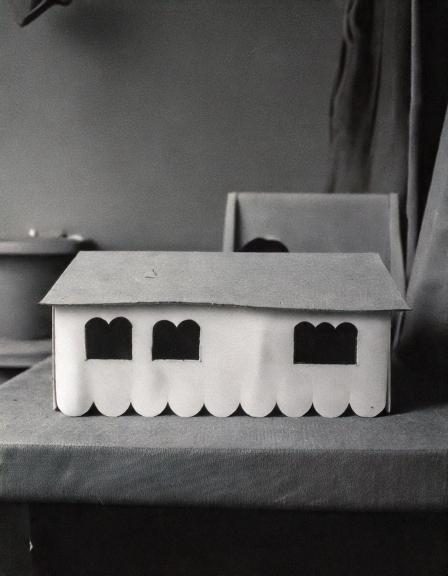
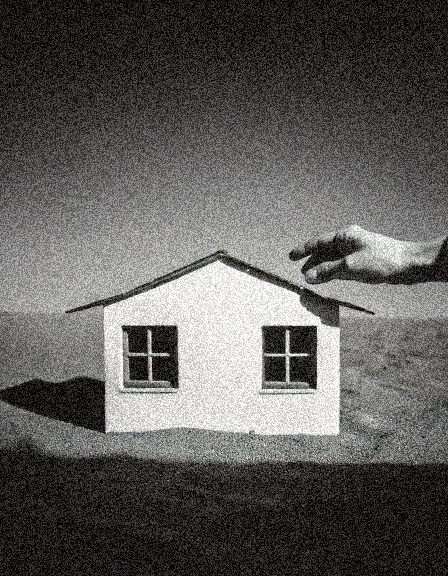
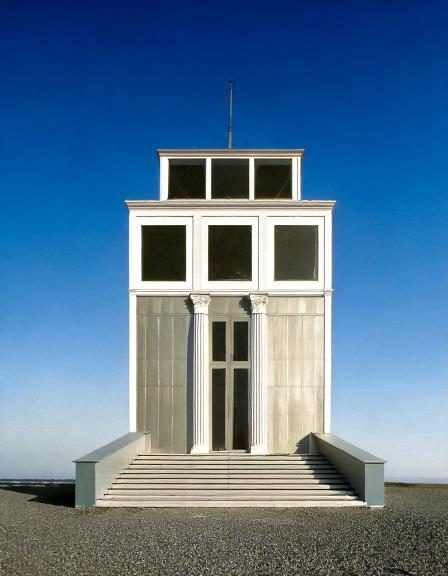
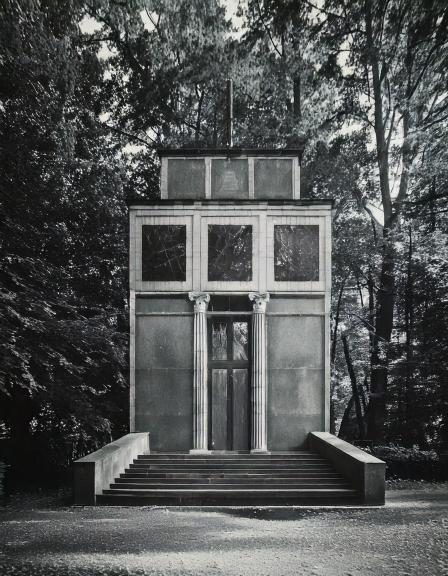
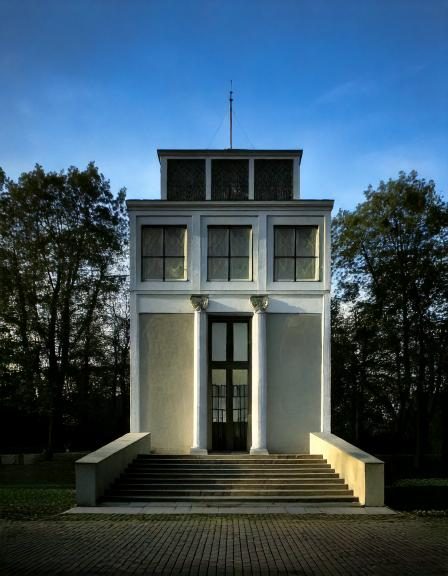
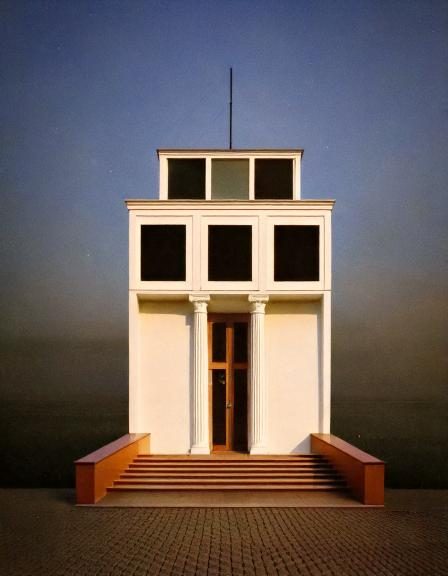
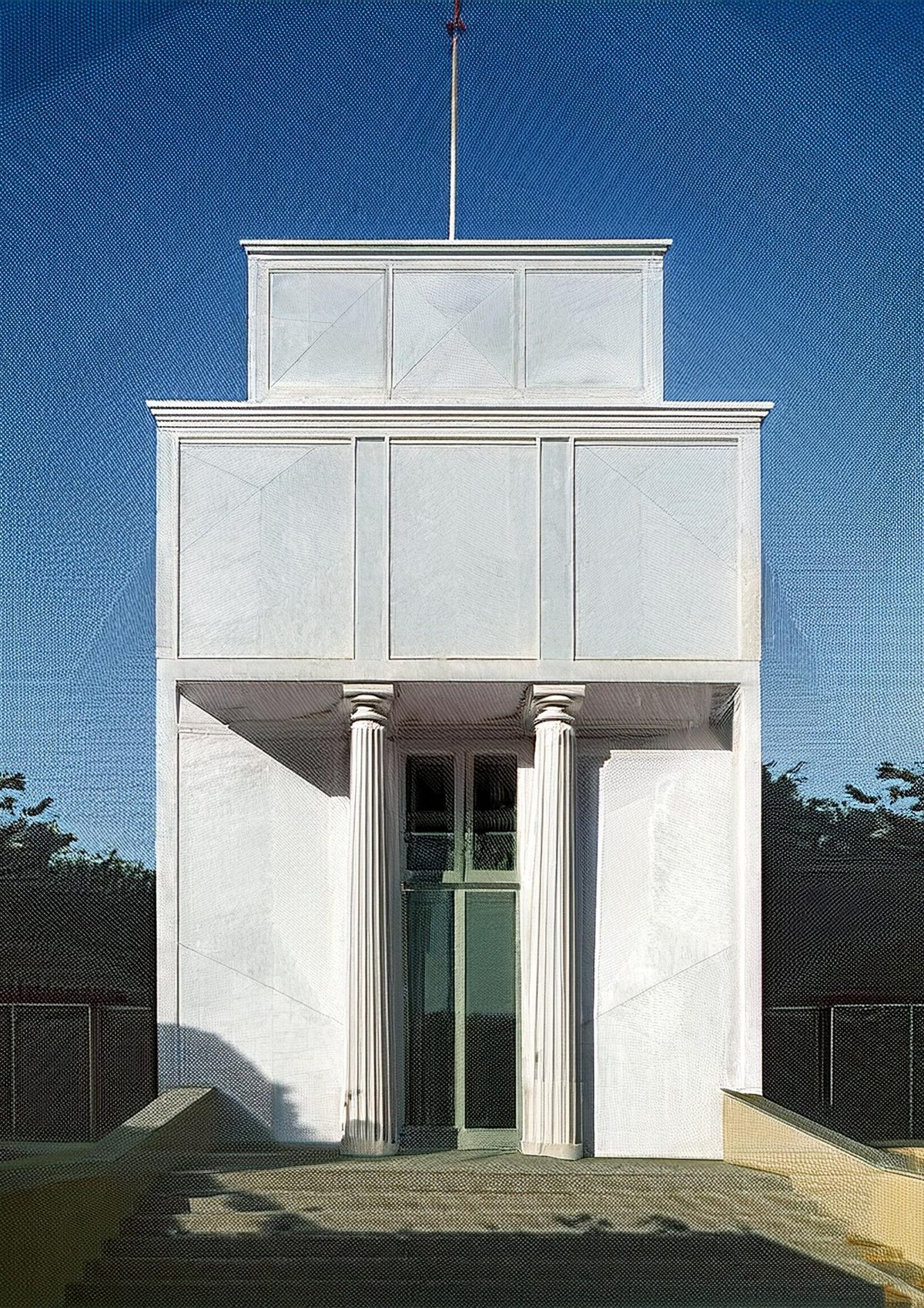
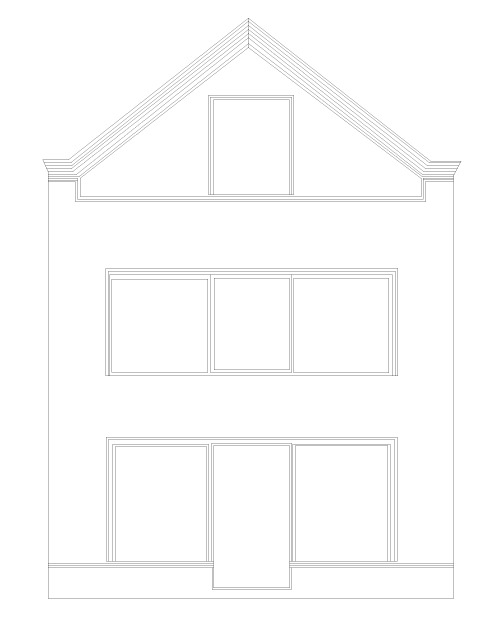
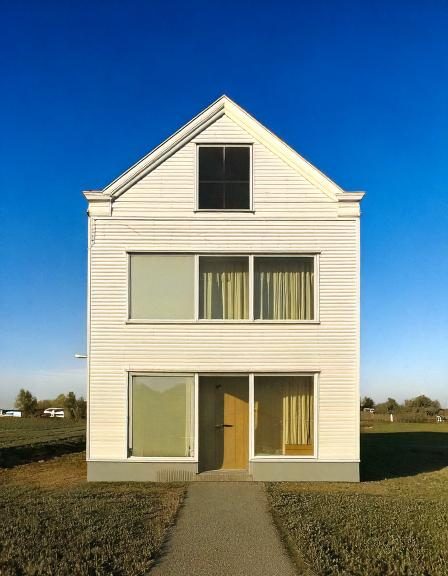
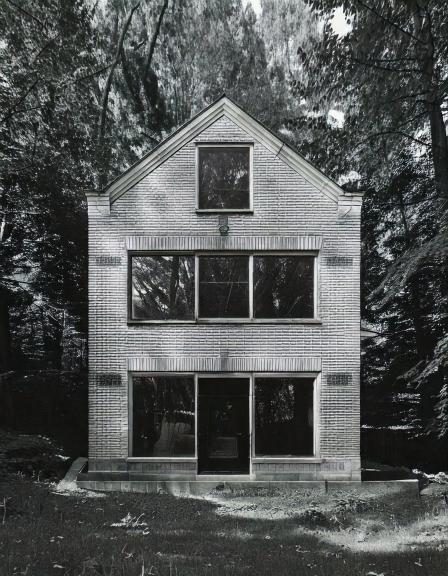
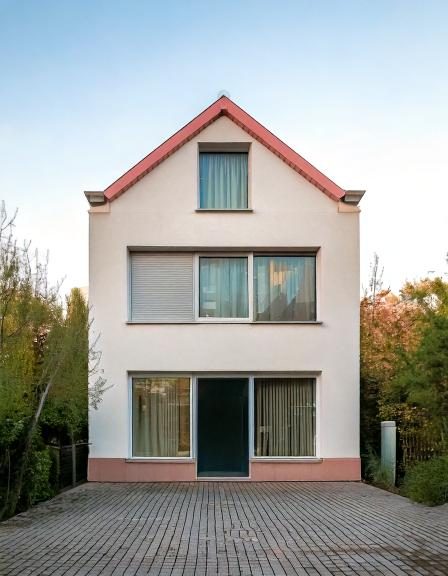
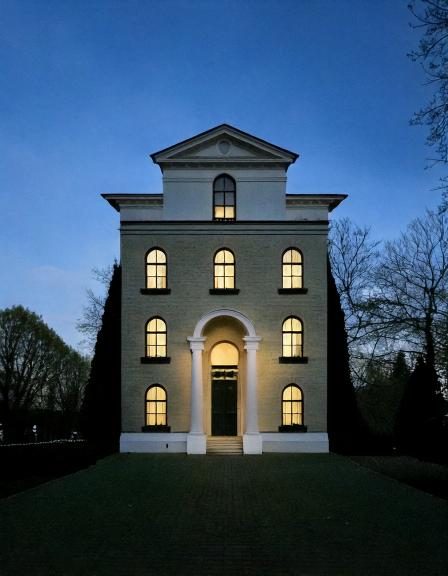
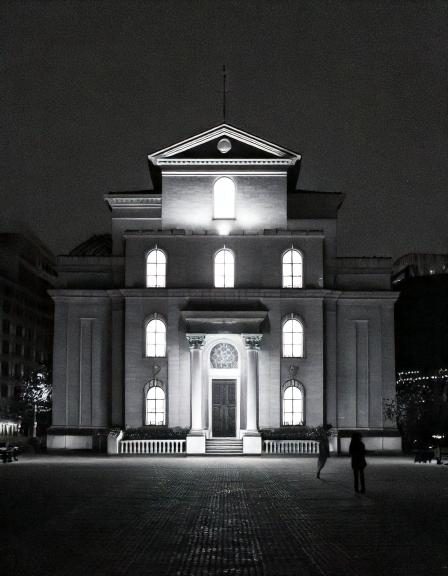
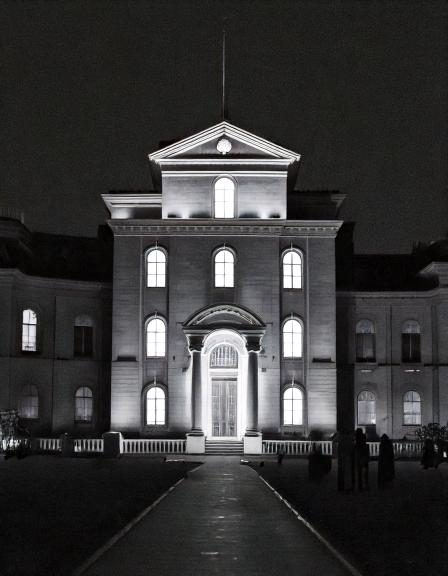
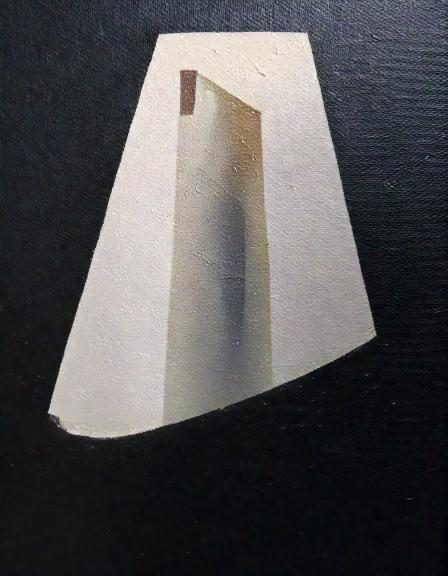
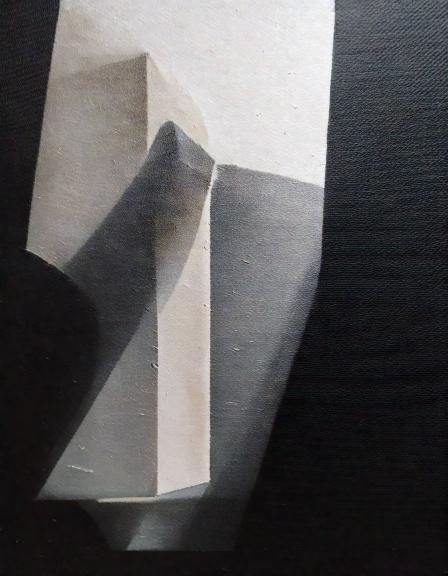
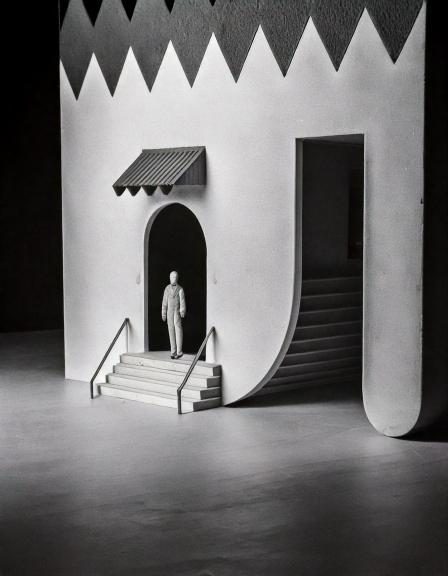
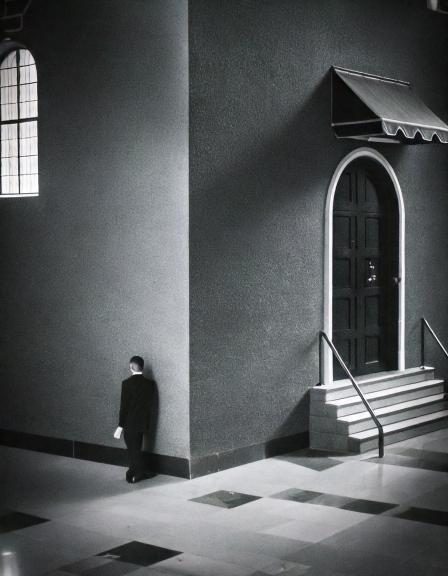
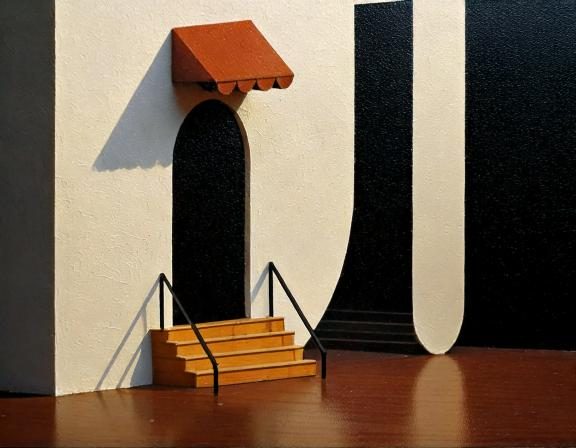
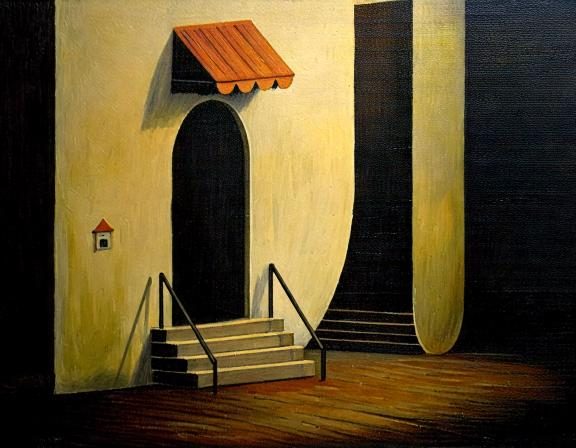
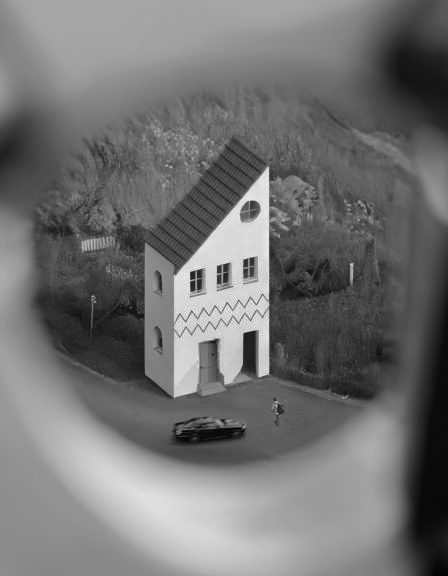
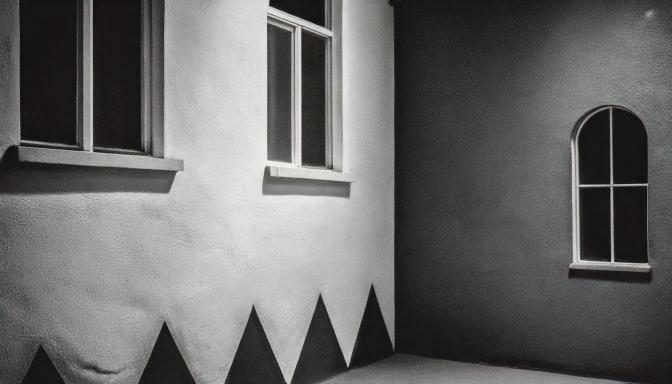
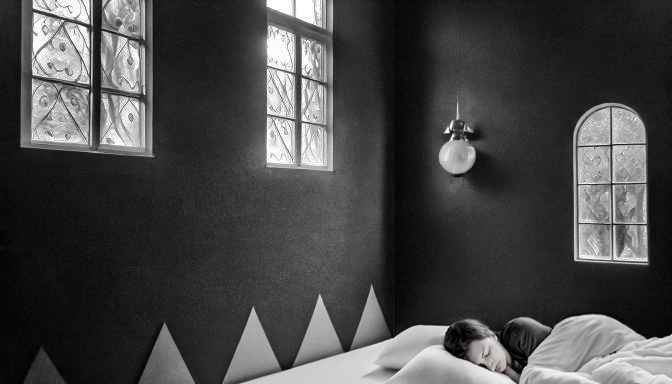
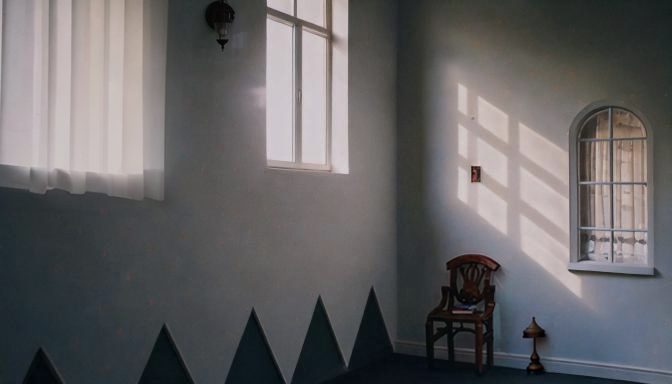
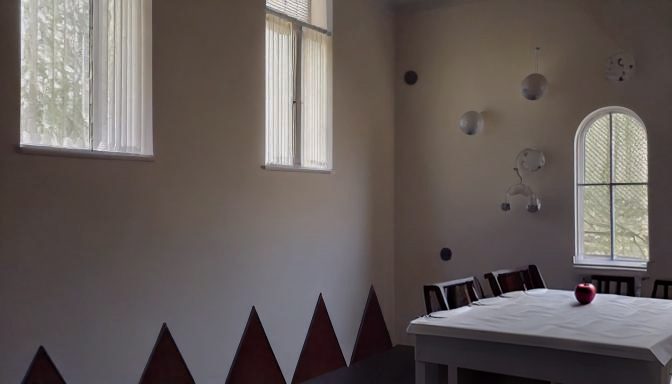
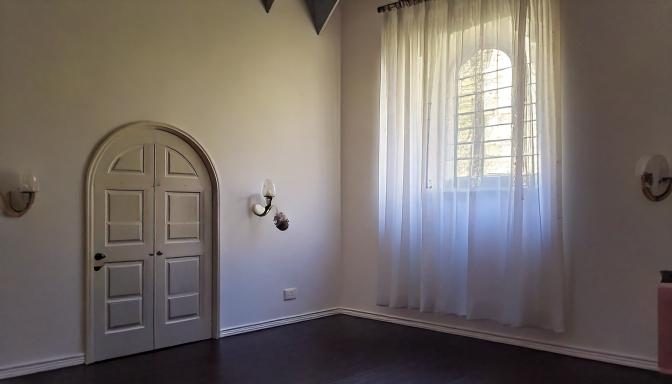
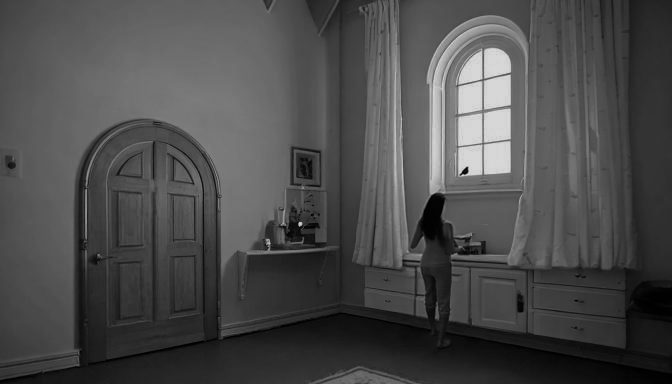
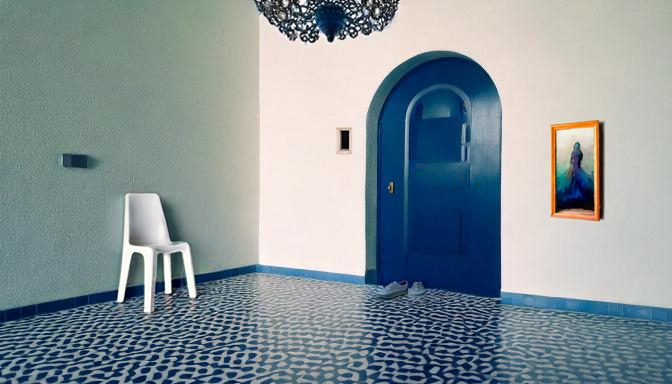
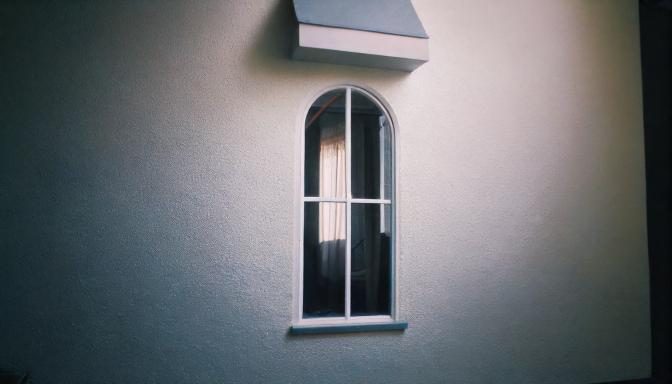
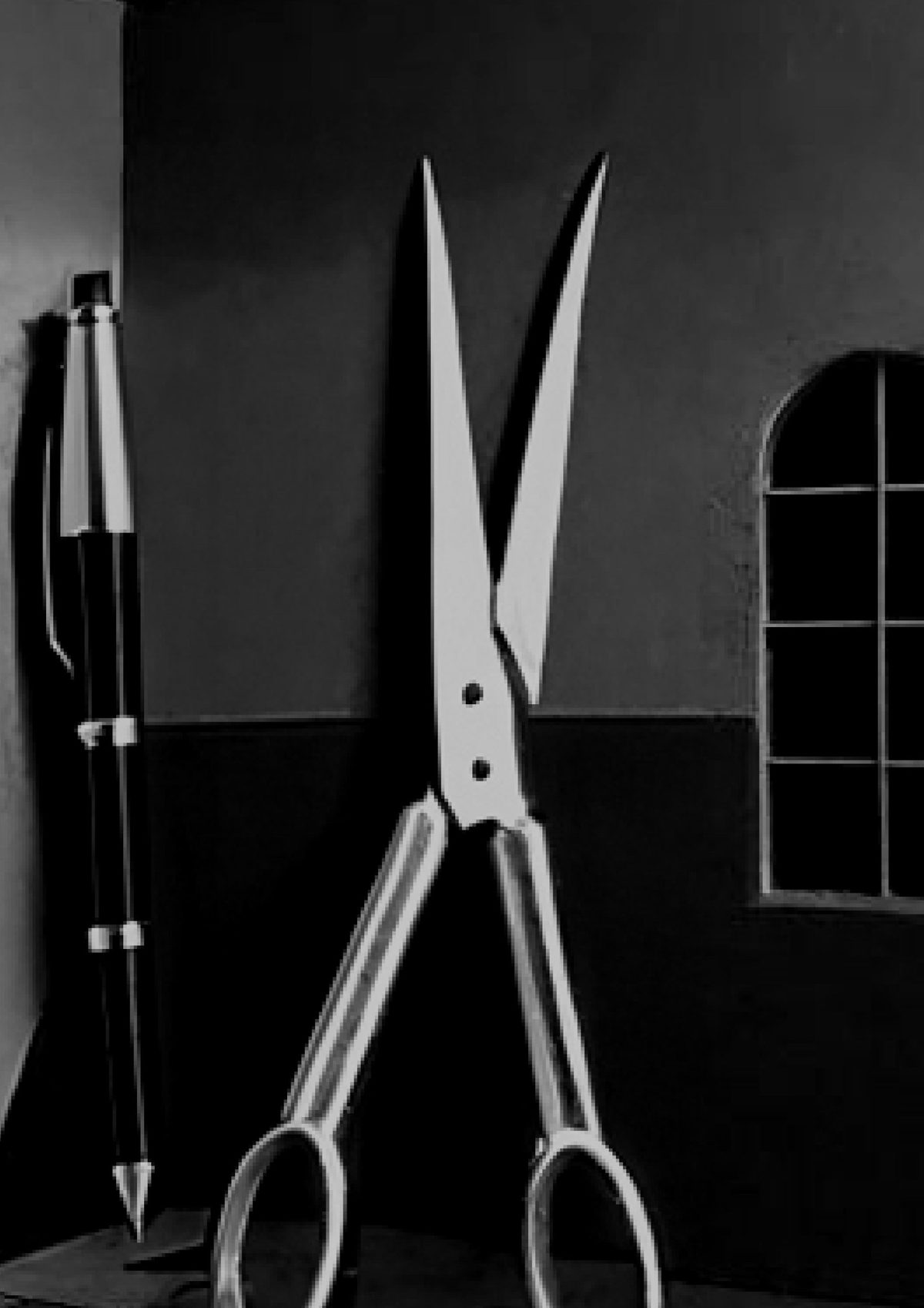
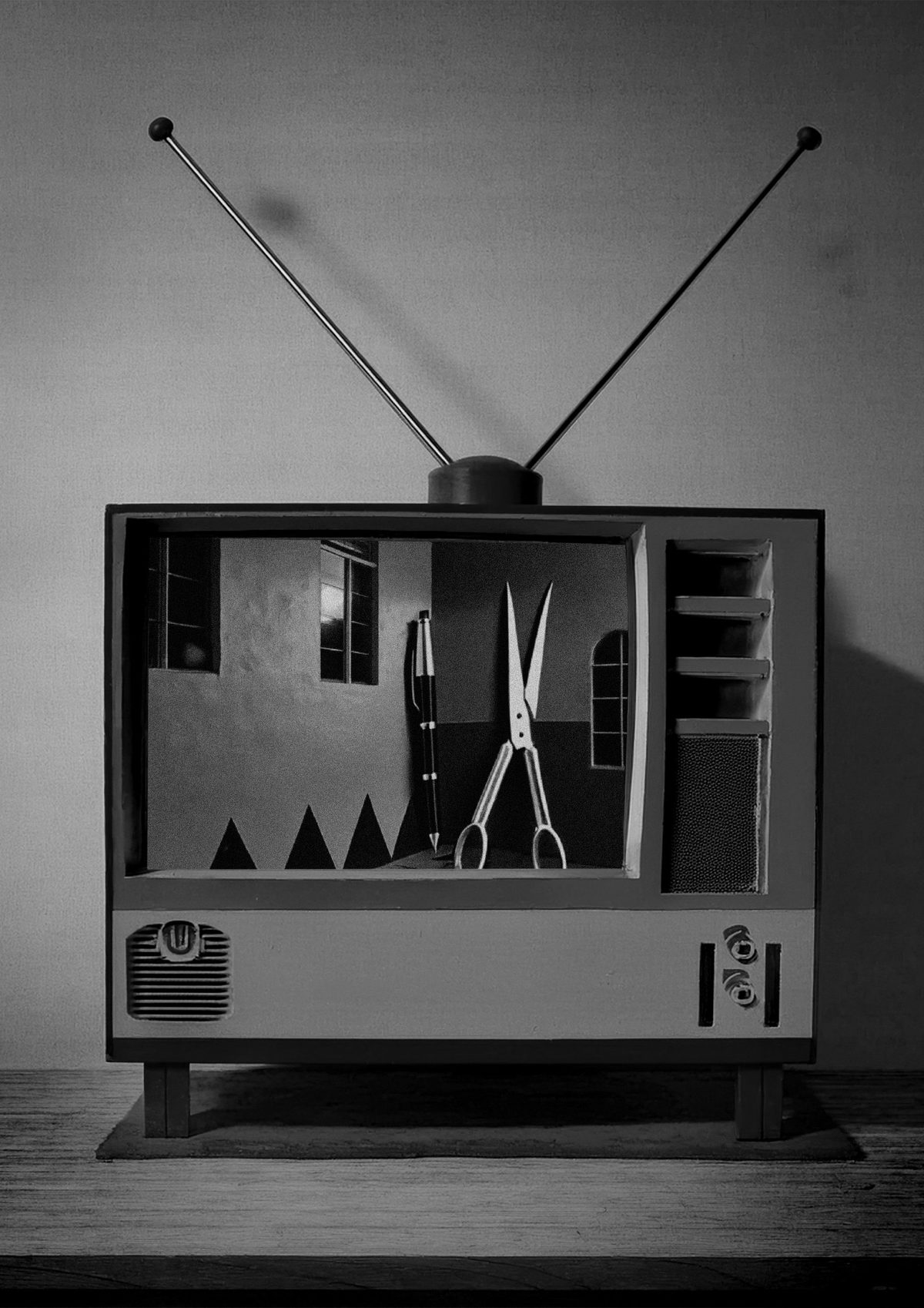
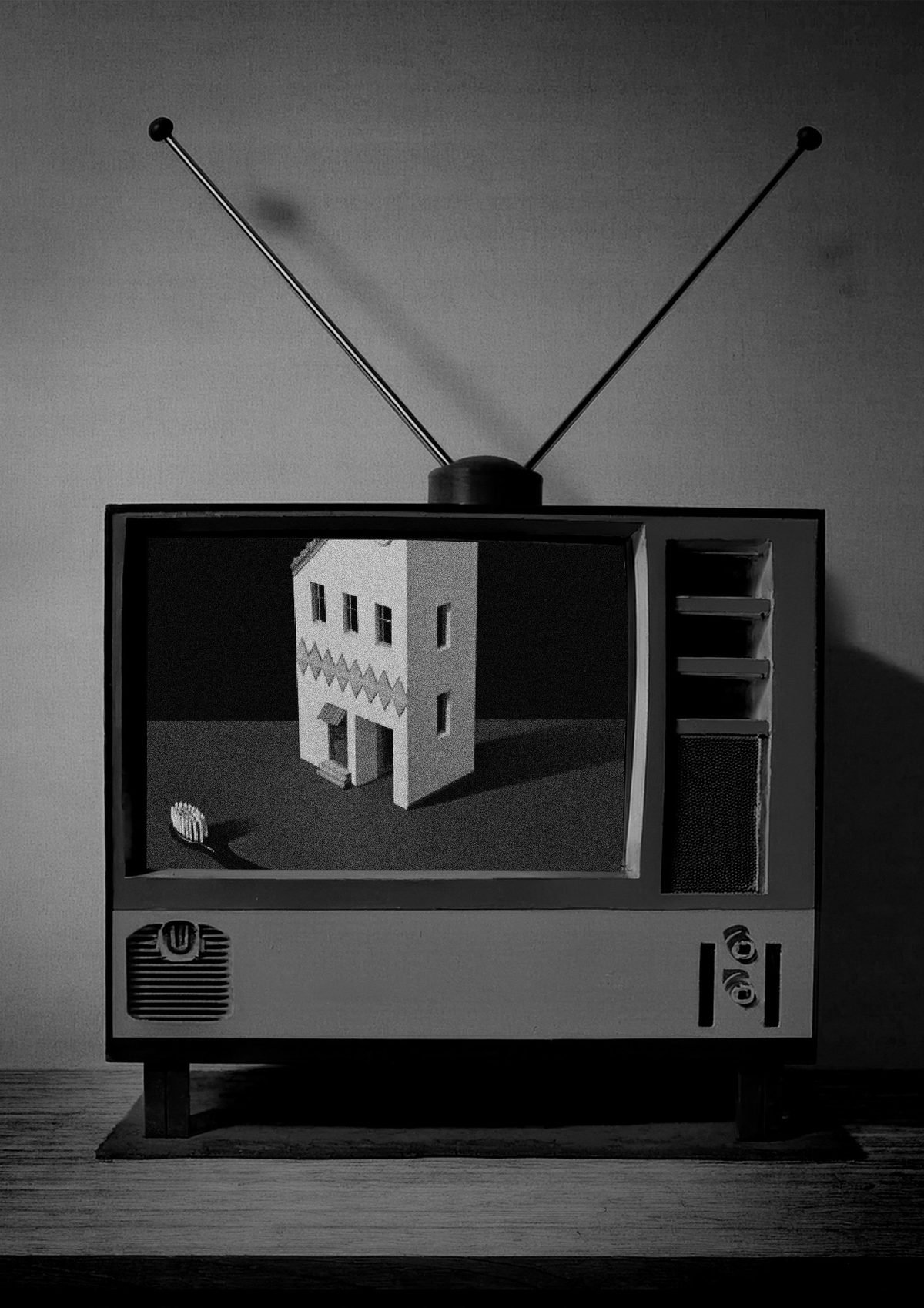
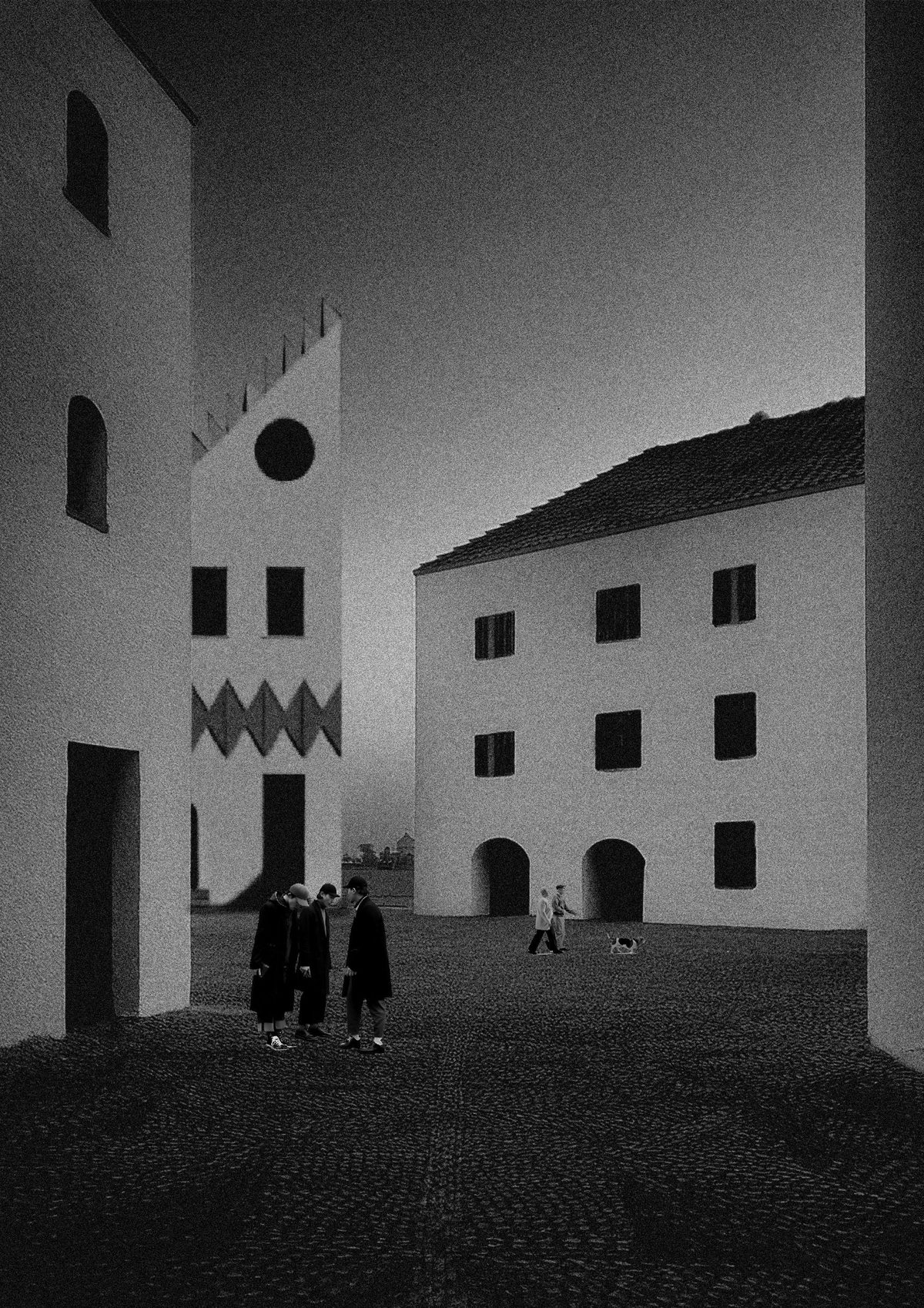
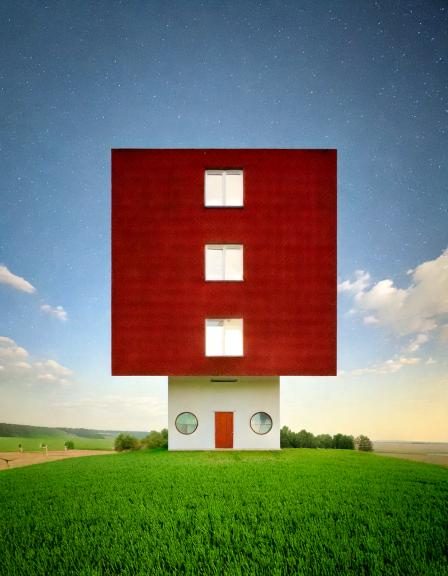
Cinema Obscura Ⅱ: House
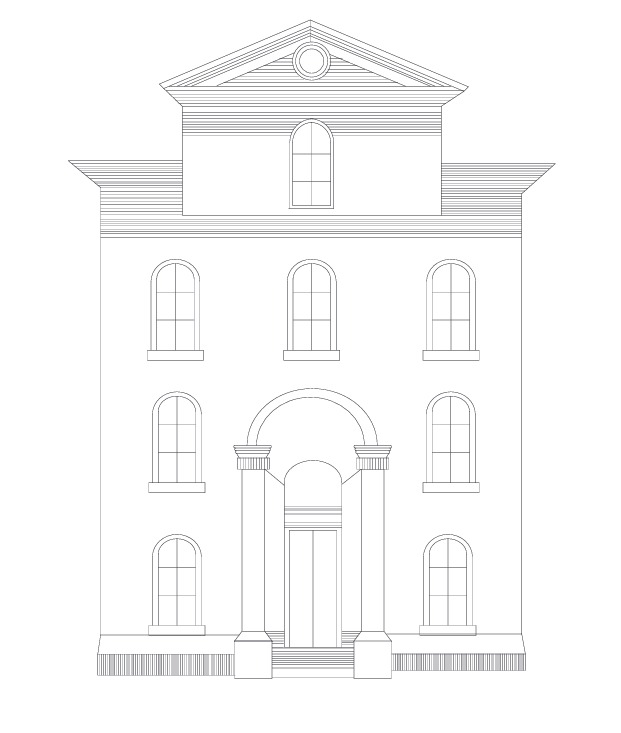
Visualise the image
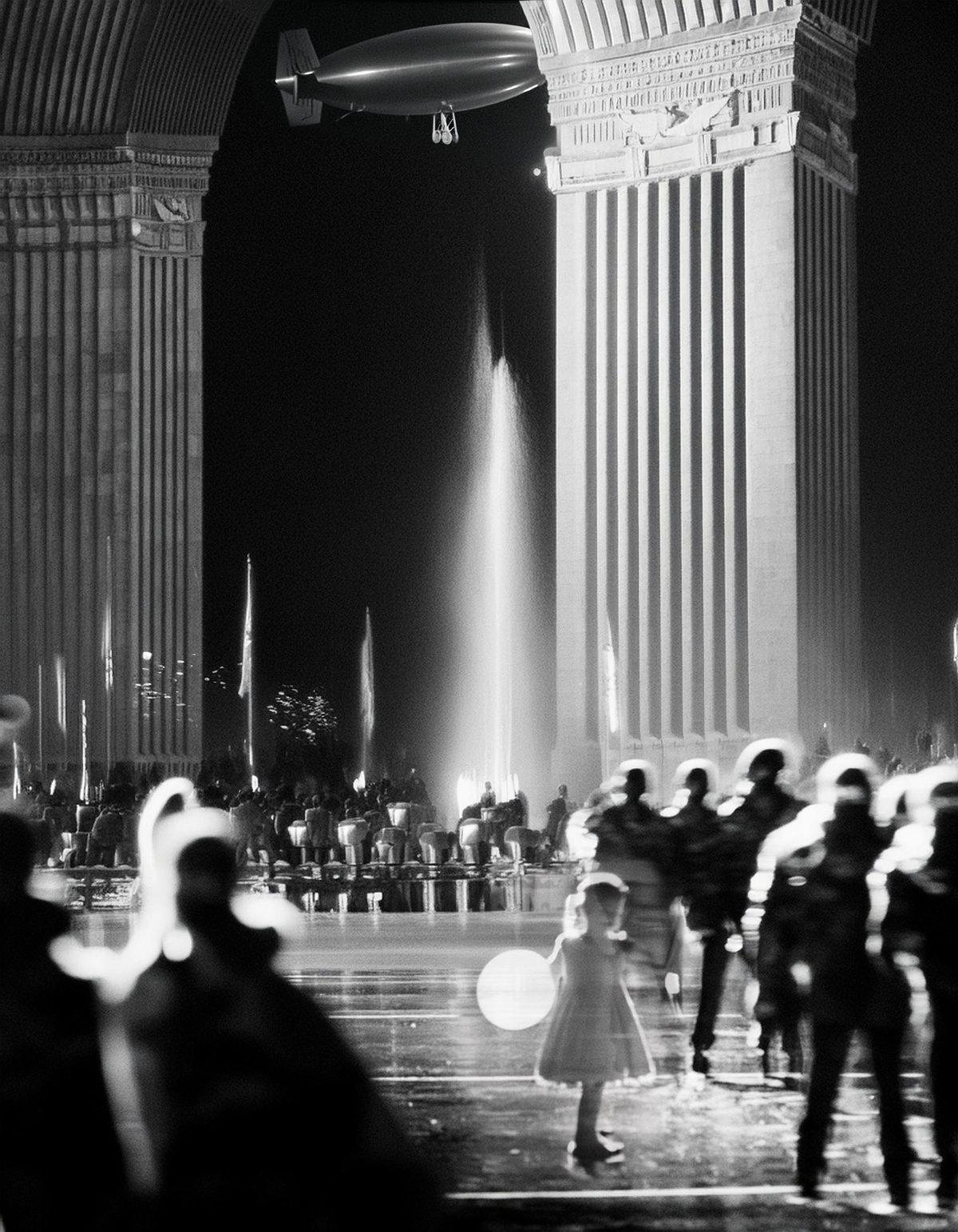
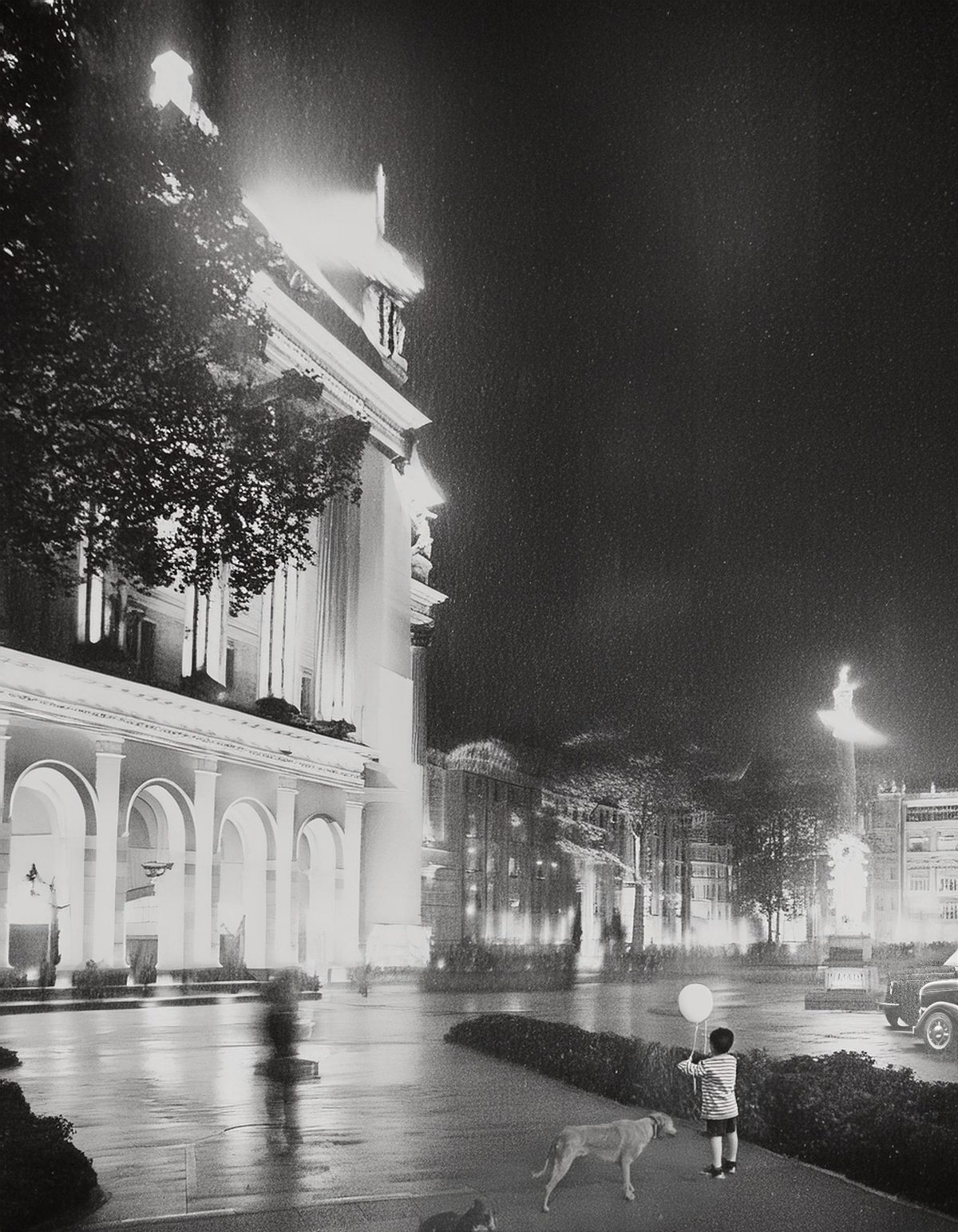
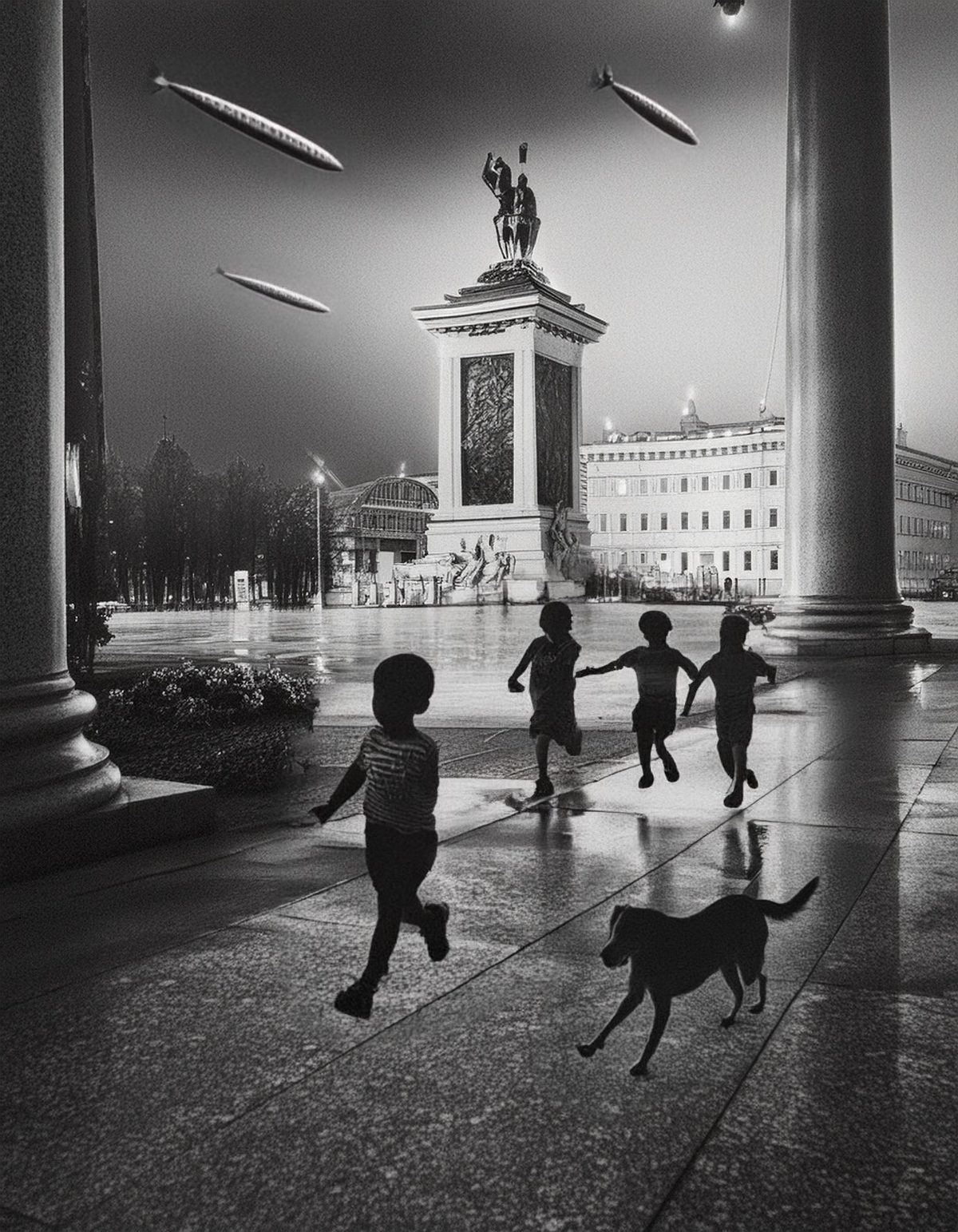
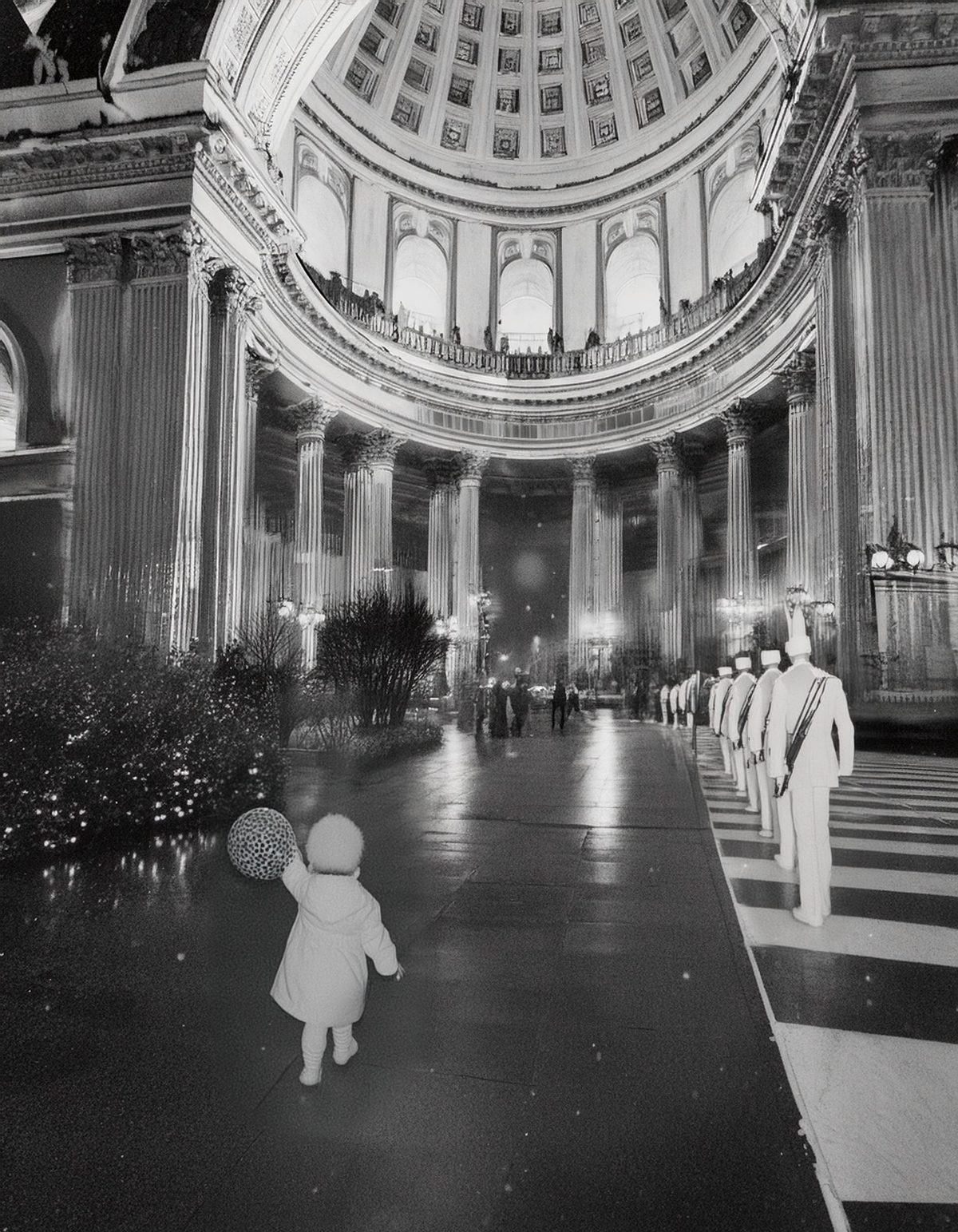
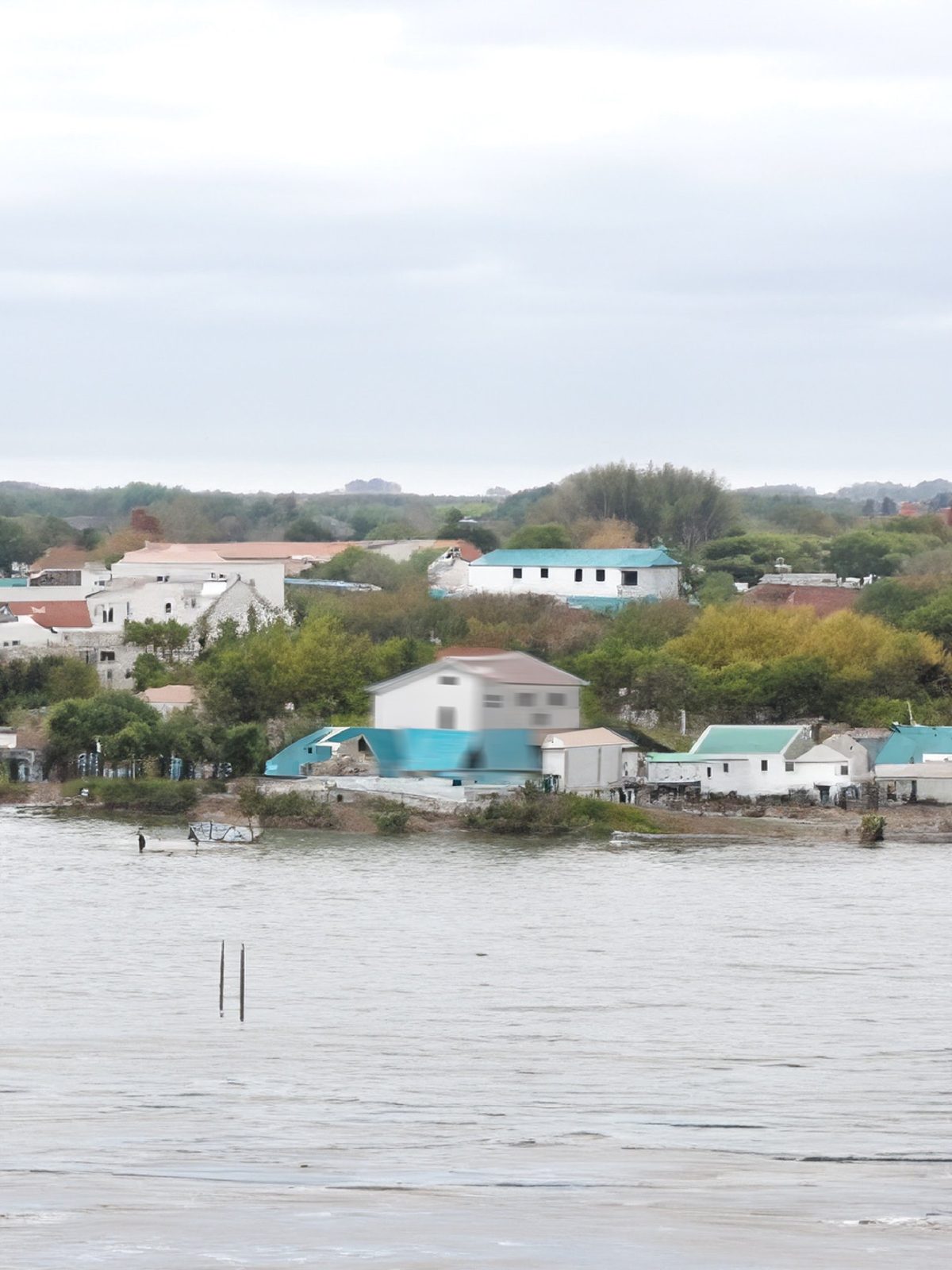
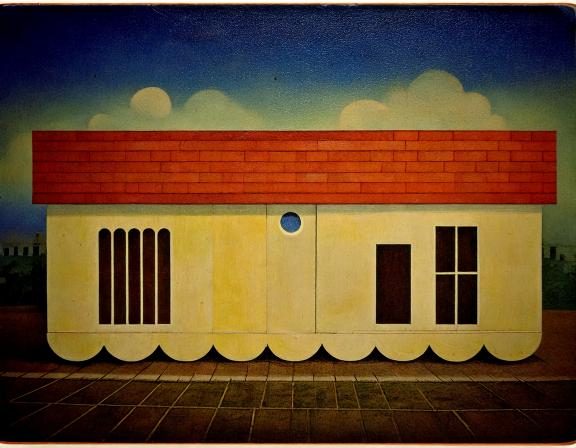
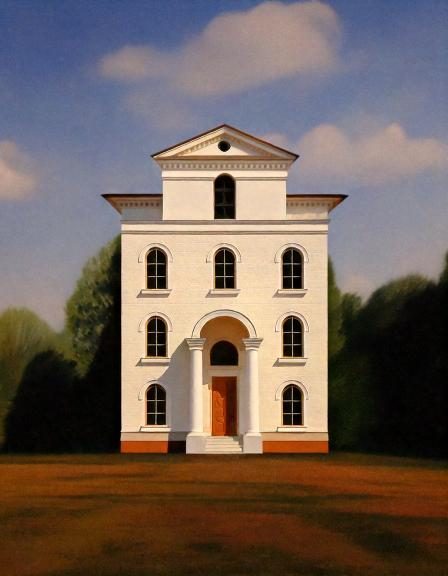
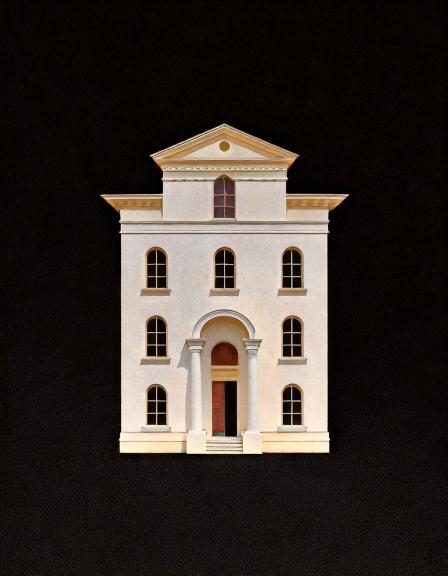
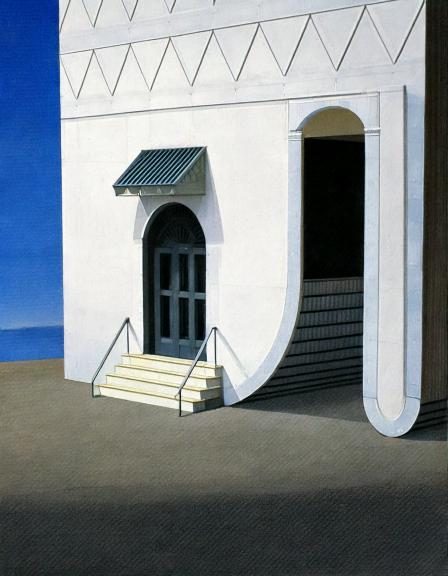
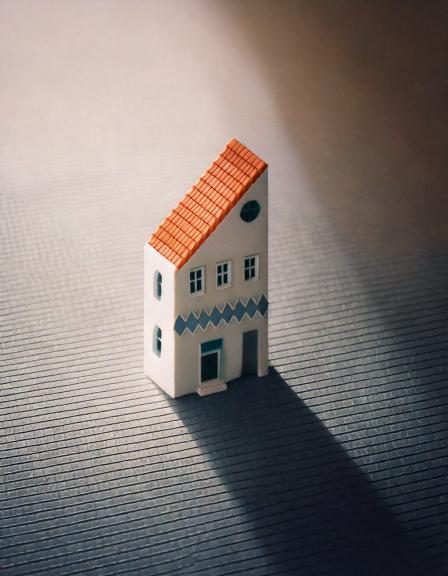
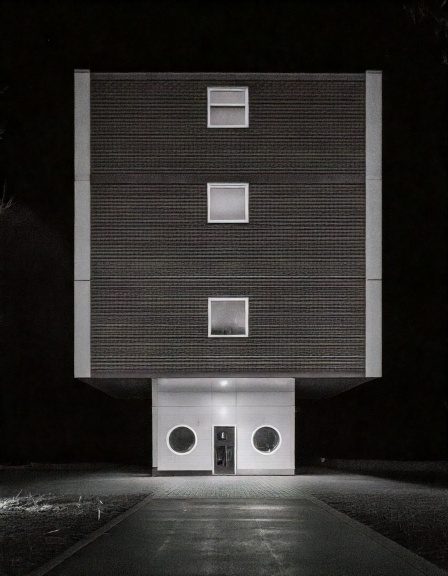
Cinema Obscura Ⅱ: House — view 2
Visualise the image
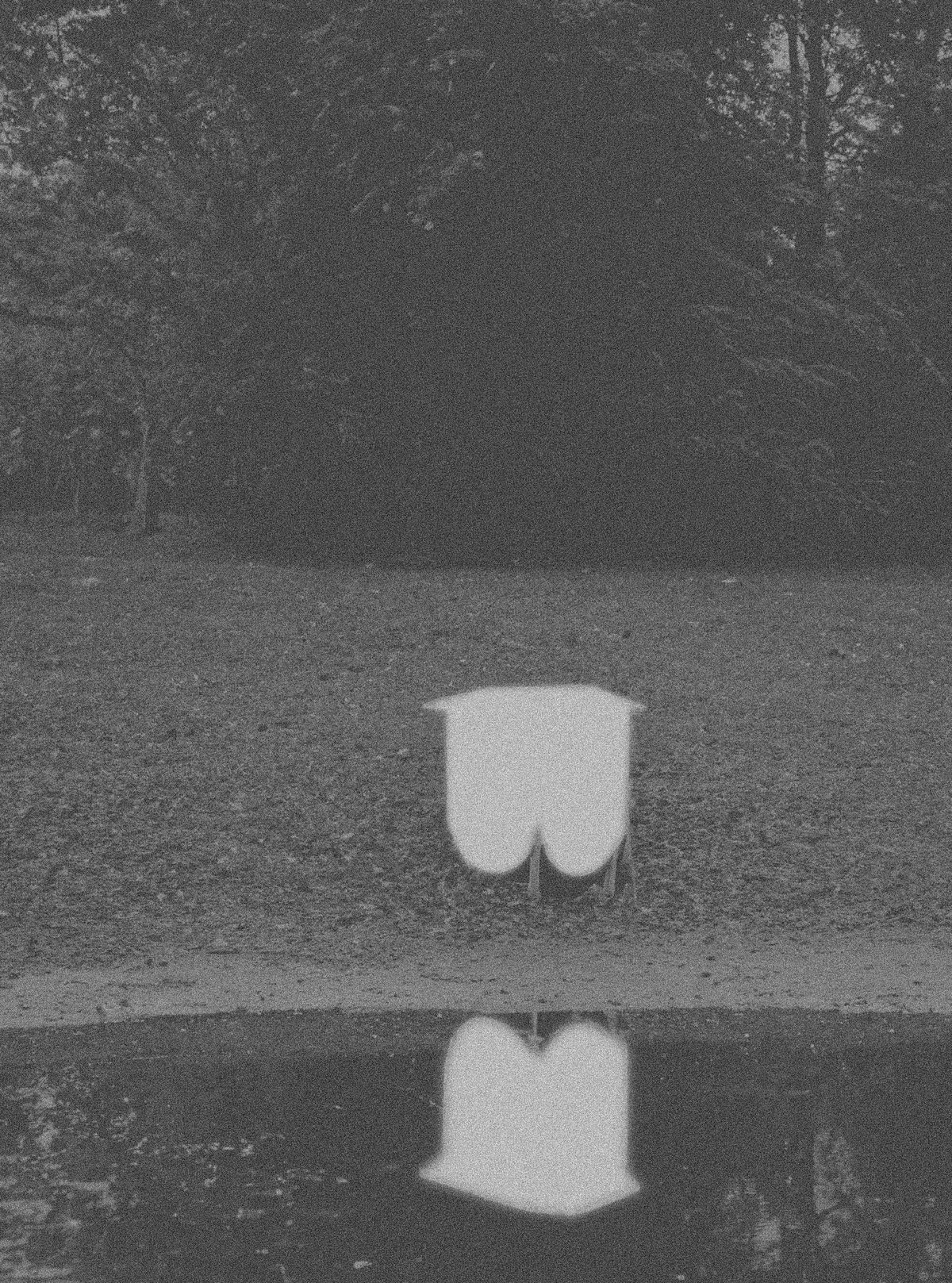
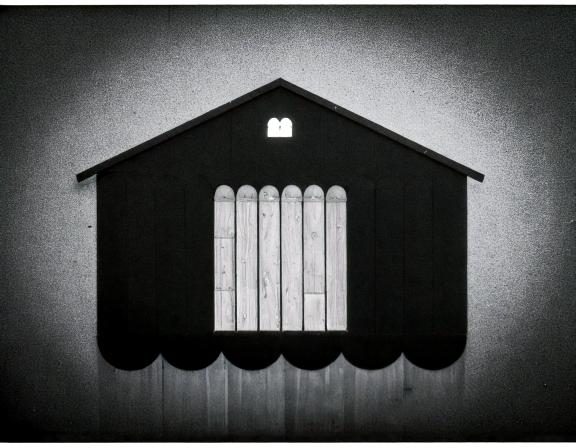
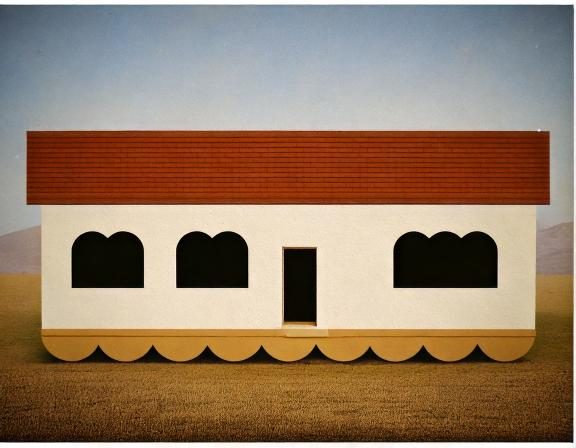
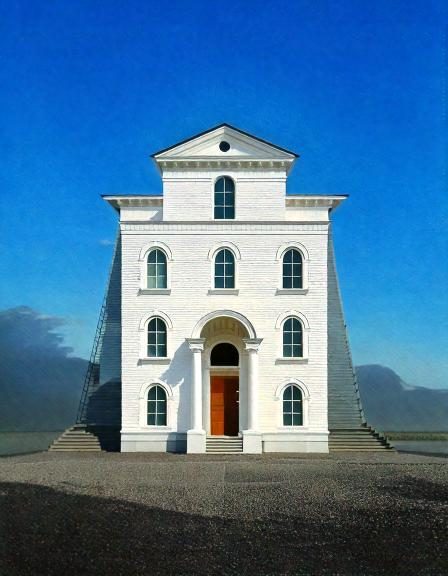
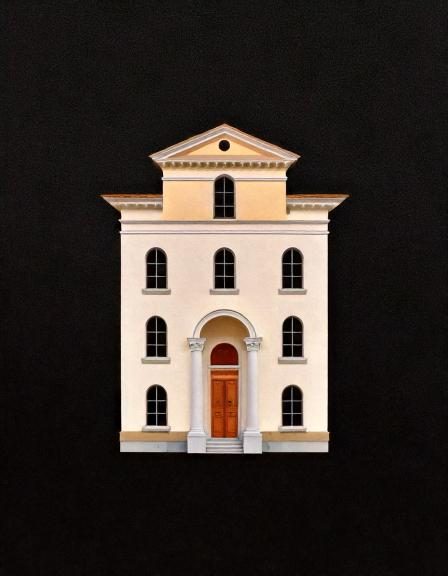
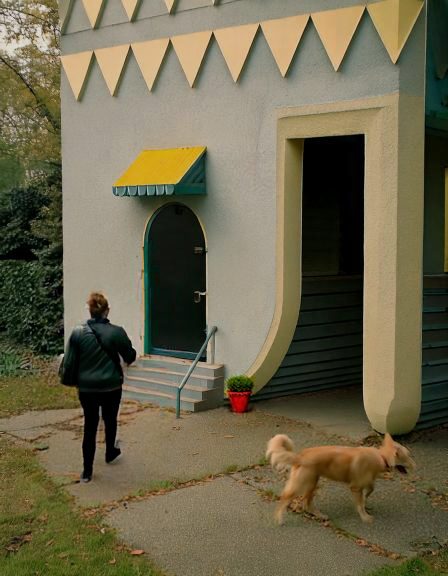
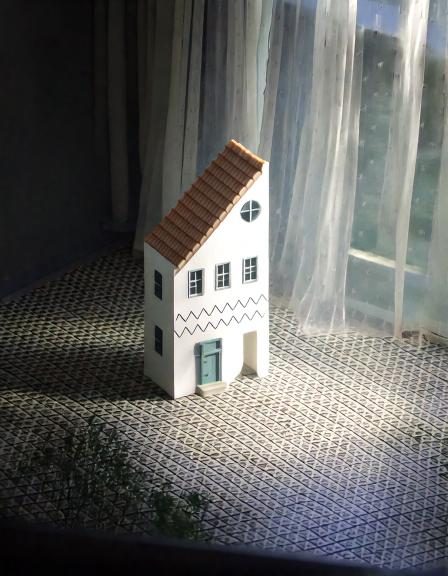
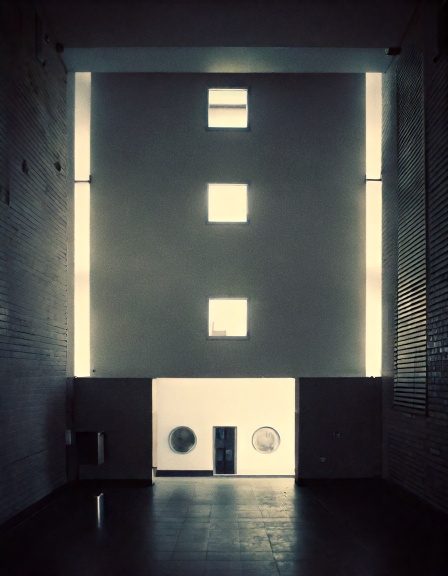
Cinema Obscura Ⅱ: House — view 3
Visualise the image
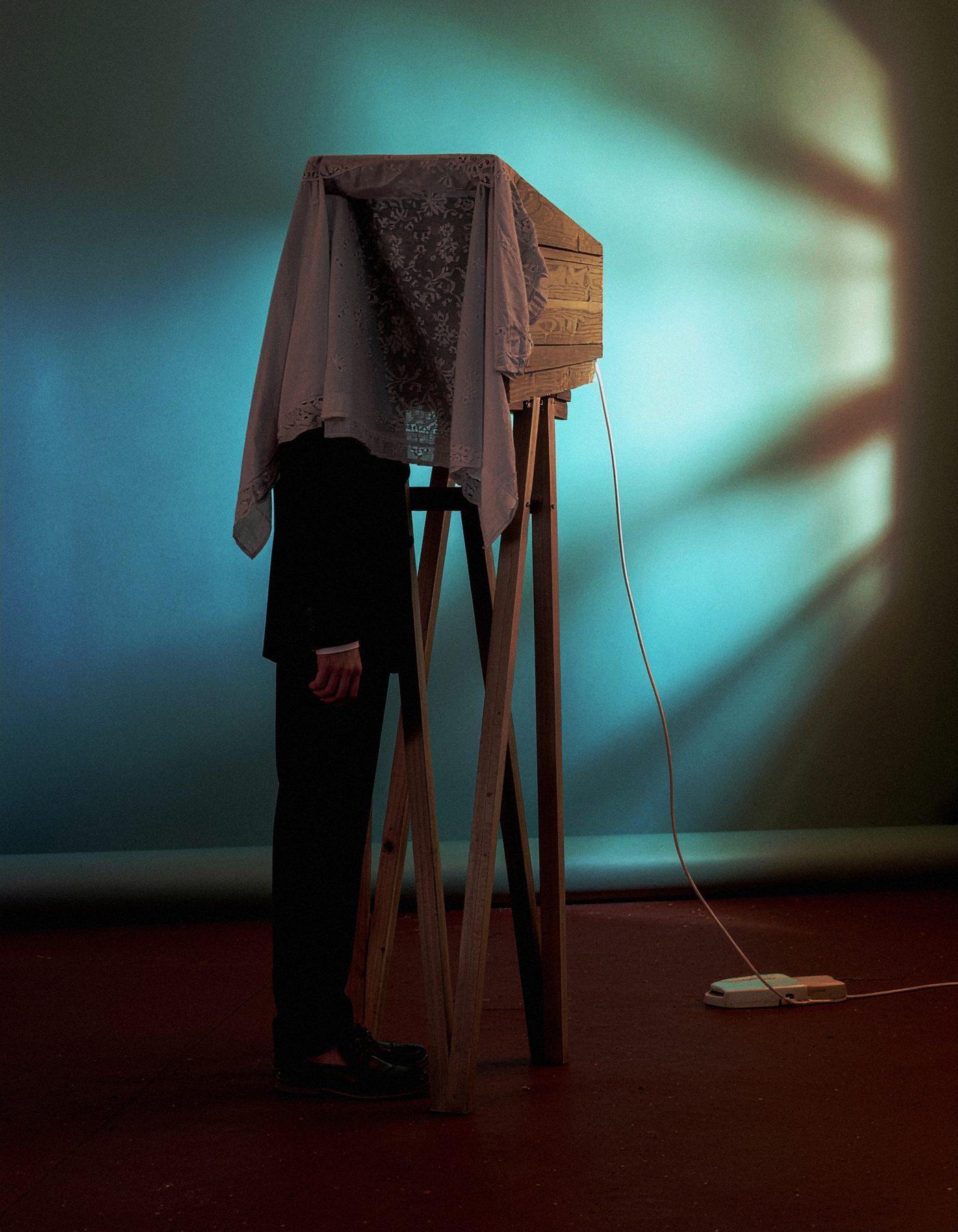
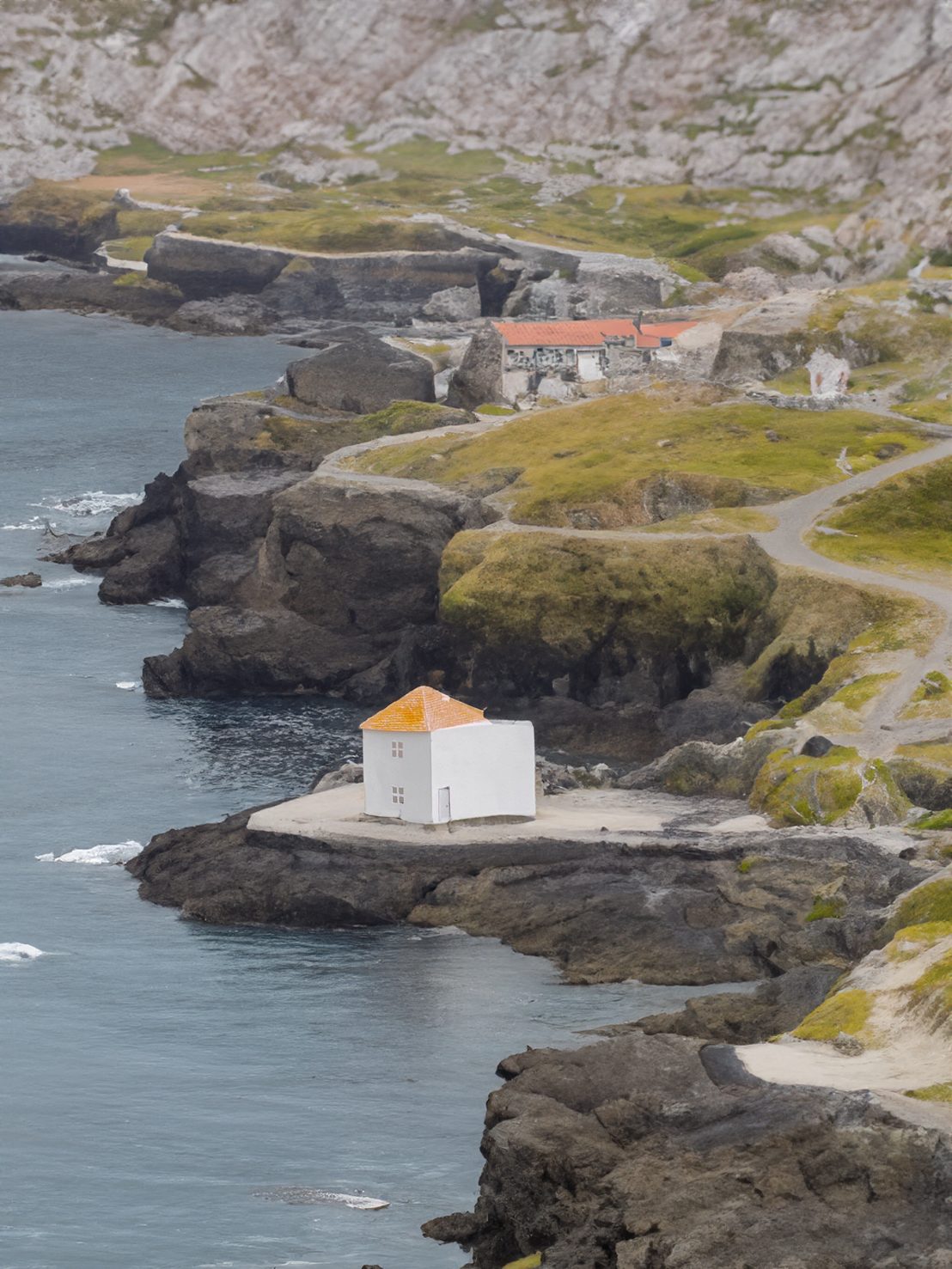
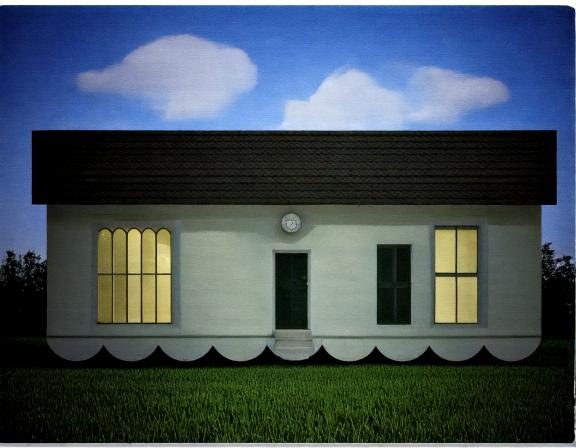
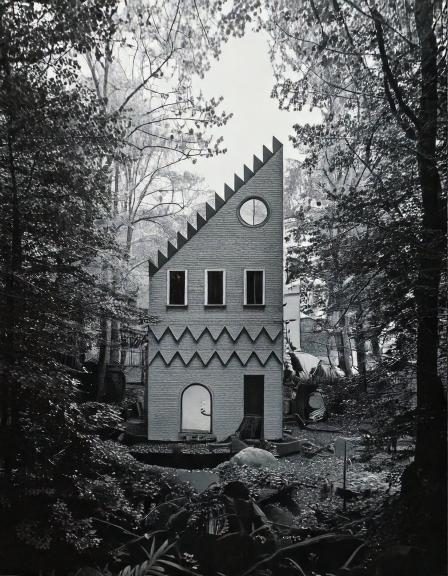
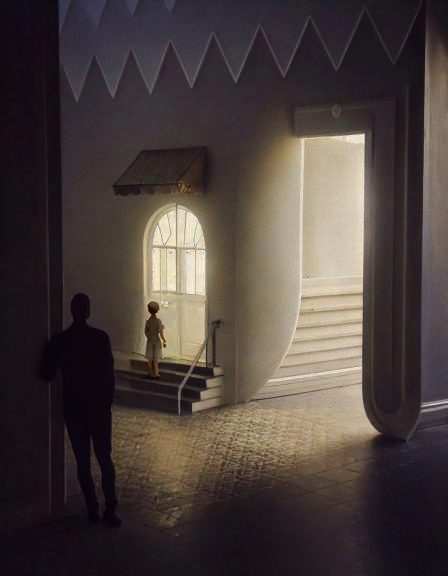
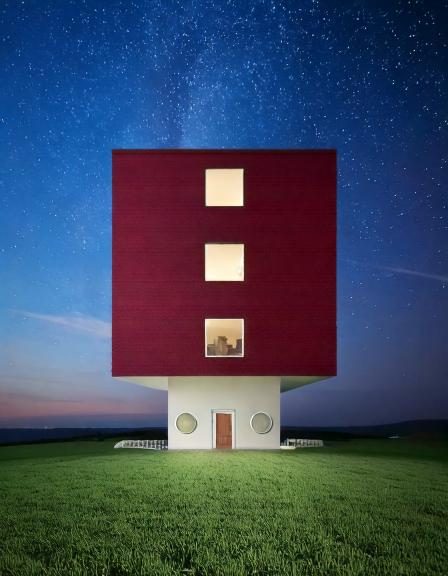
Cinema Obscura Ⅱ: House — Installation view 3
Installation View ©2025 by Hitoki Keino
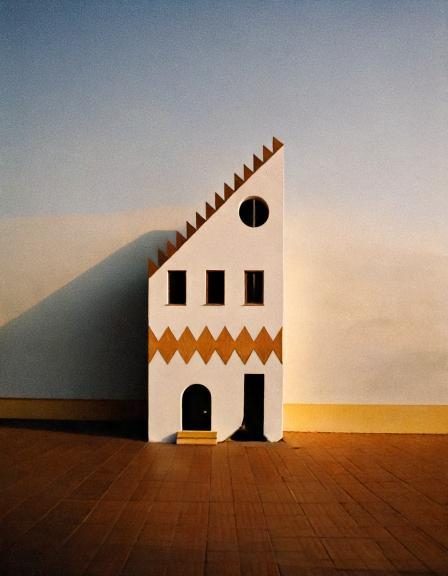
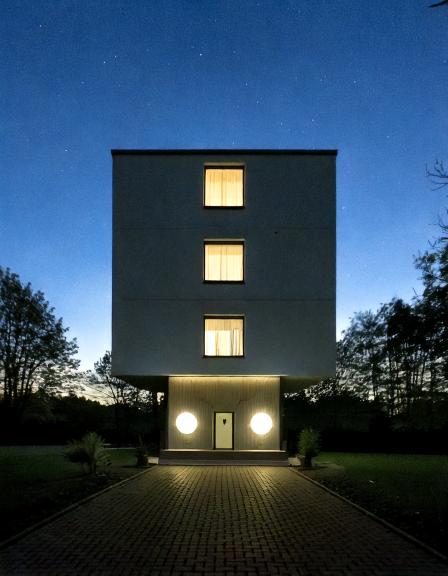
Cinema Obscura Ⅱ: House — Installation view 4
Installation View ©2025 by Hitoki Keino
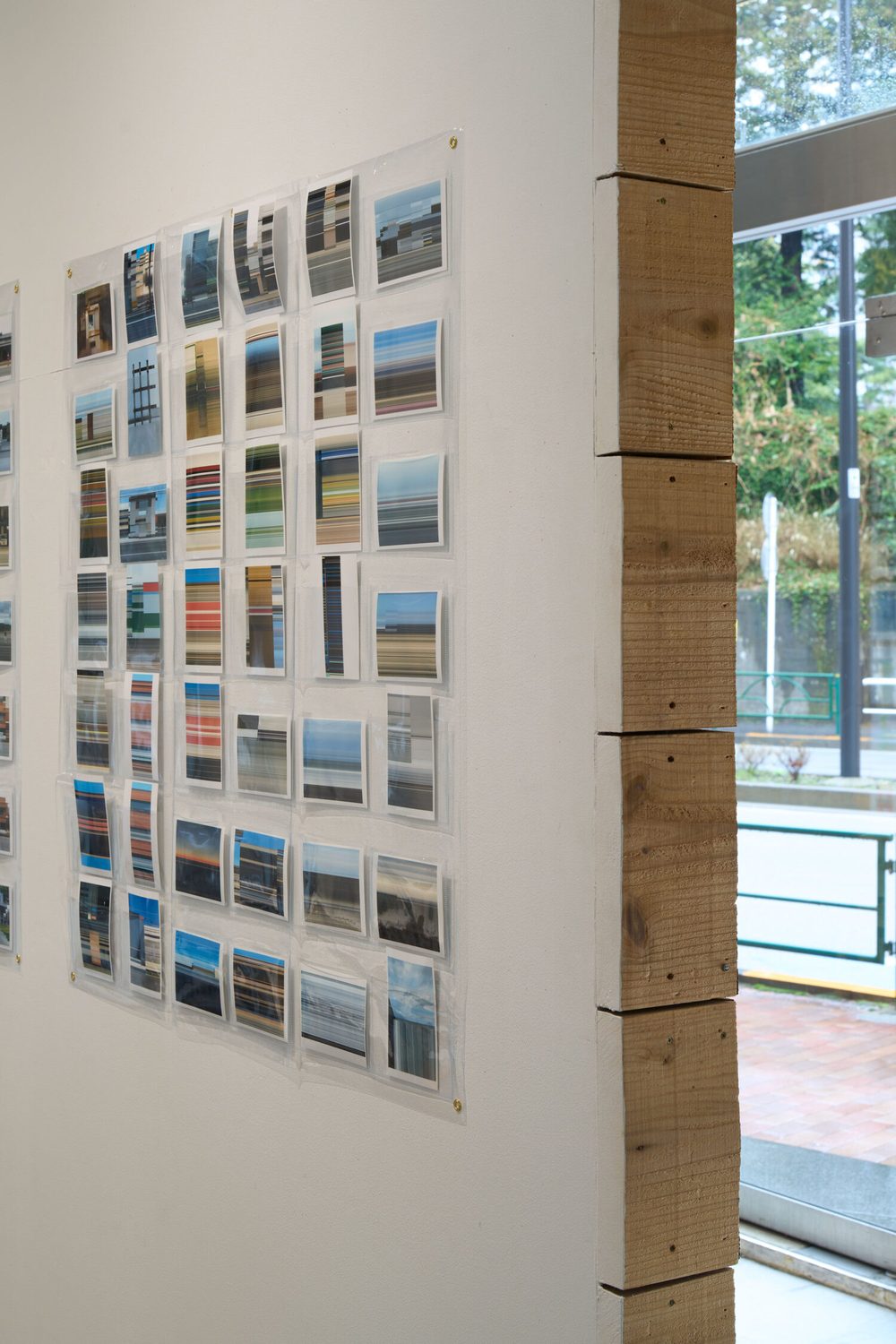
Cinema Obscura Ⅱ: House — Installation view 5
Installation View ©2025 by Hitoki Keino
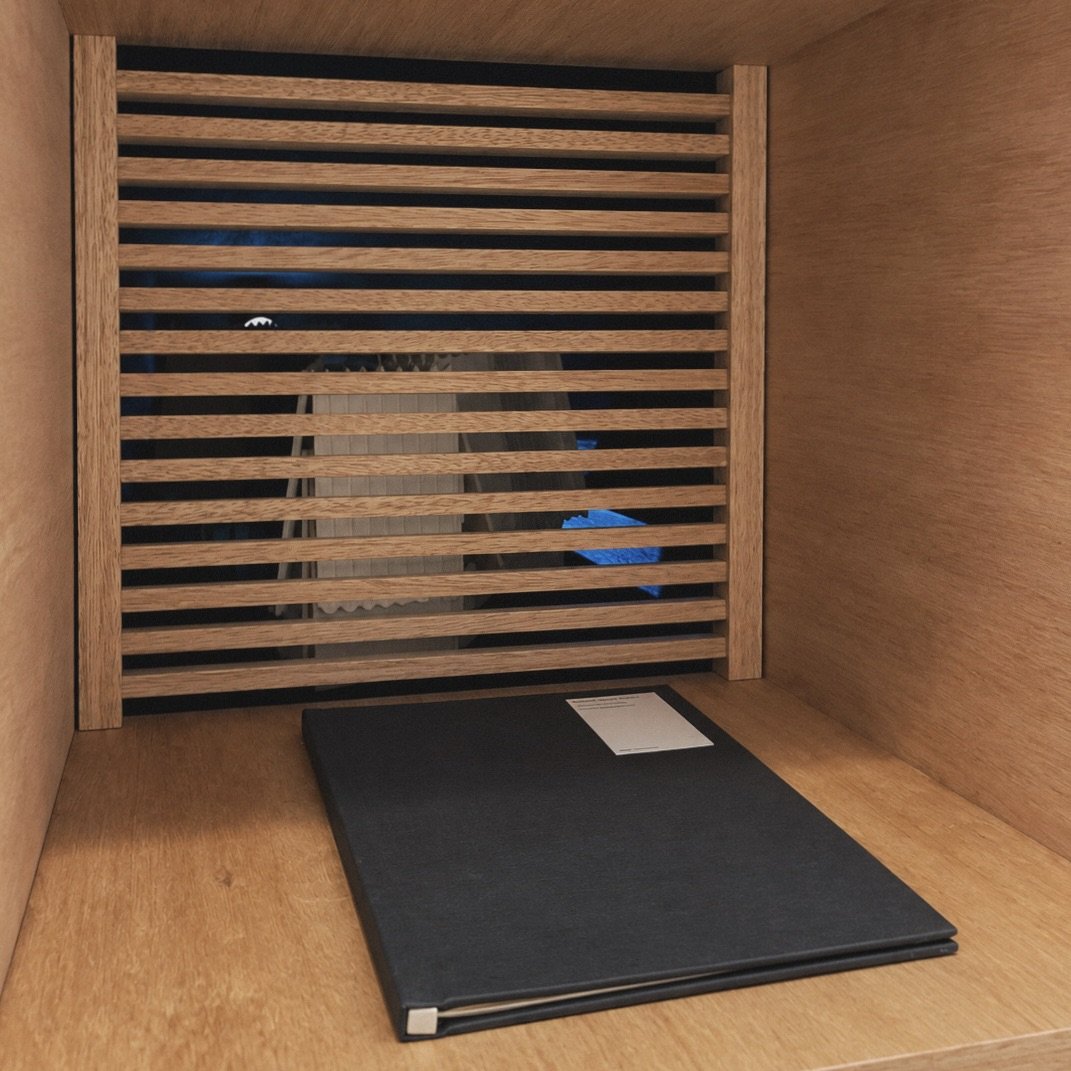
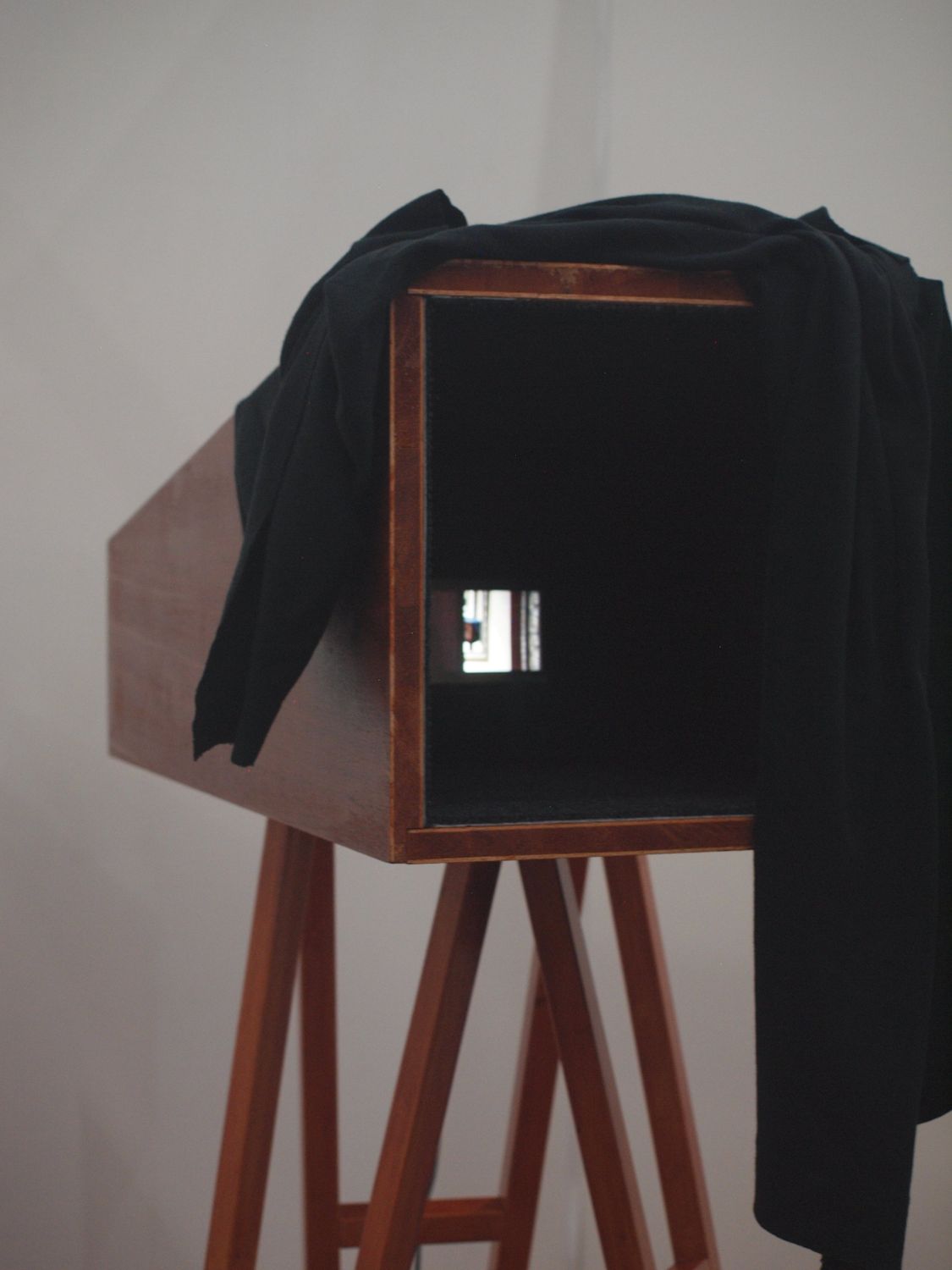
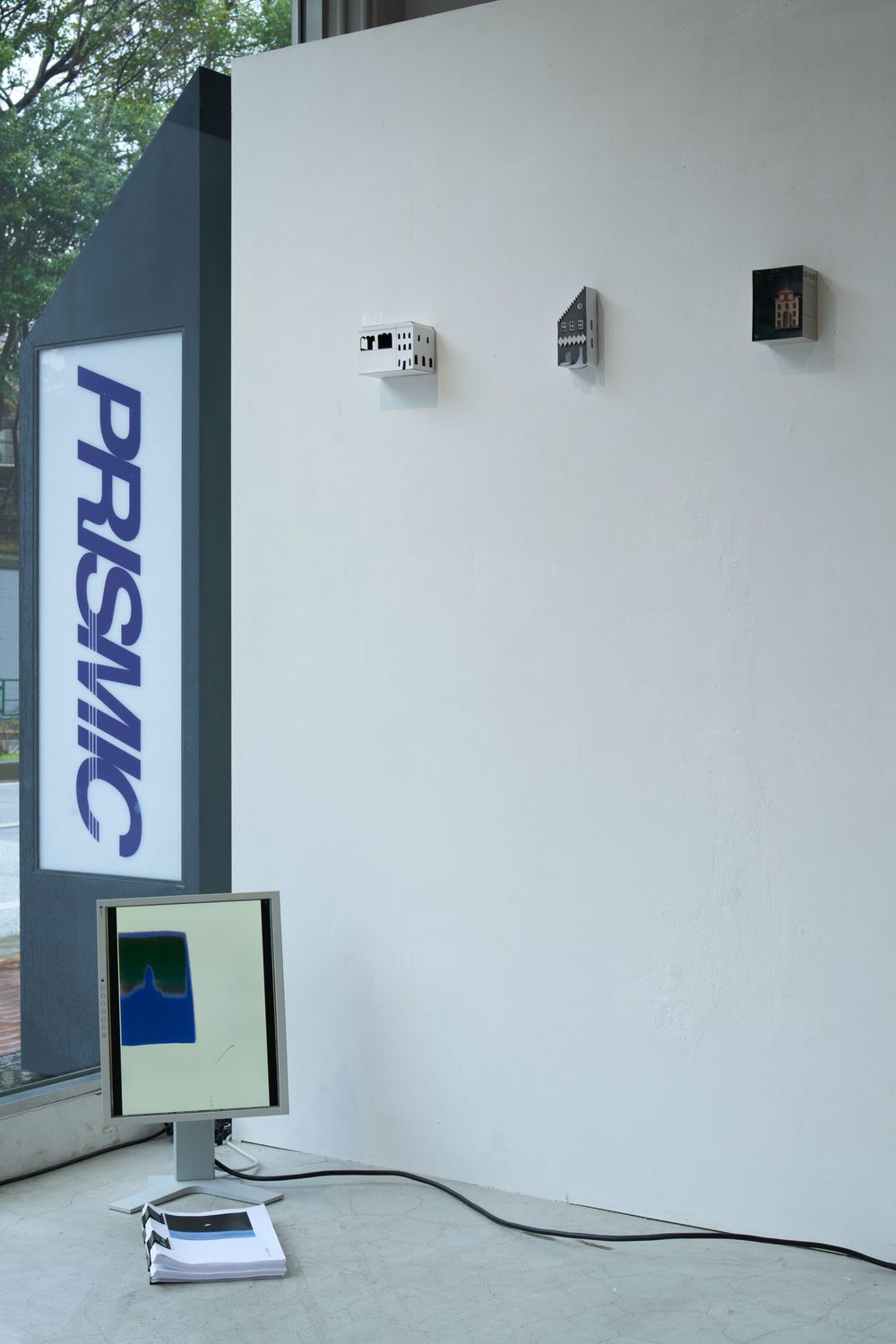
Cinema Obscura Ⅱ: House — Inside the work
Inside the work
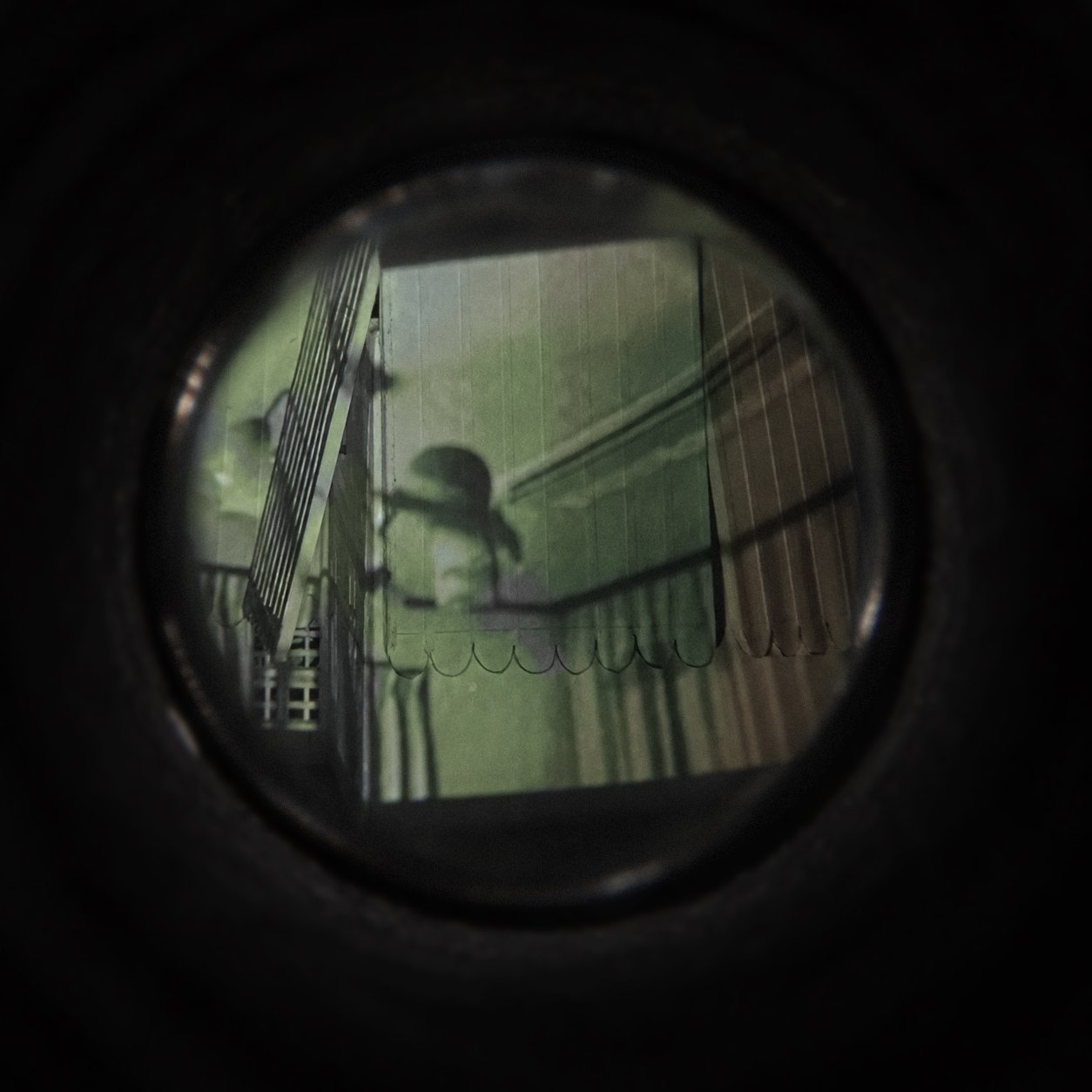
Cinema Obscura Ⅱ: House — The other side of the scope
The other side of the scope
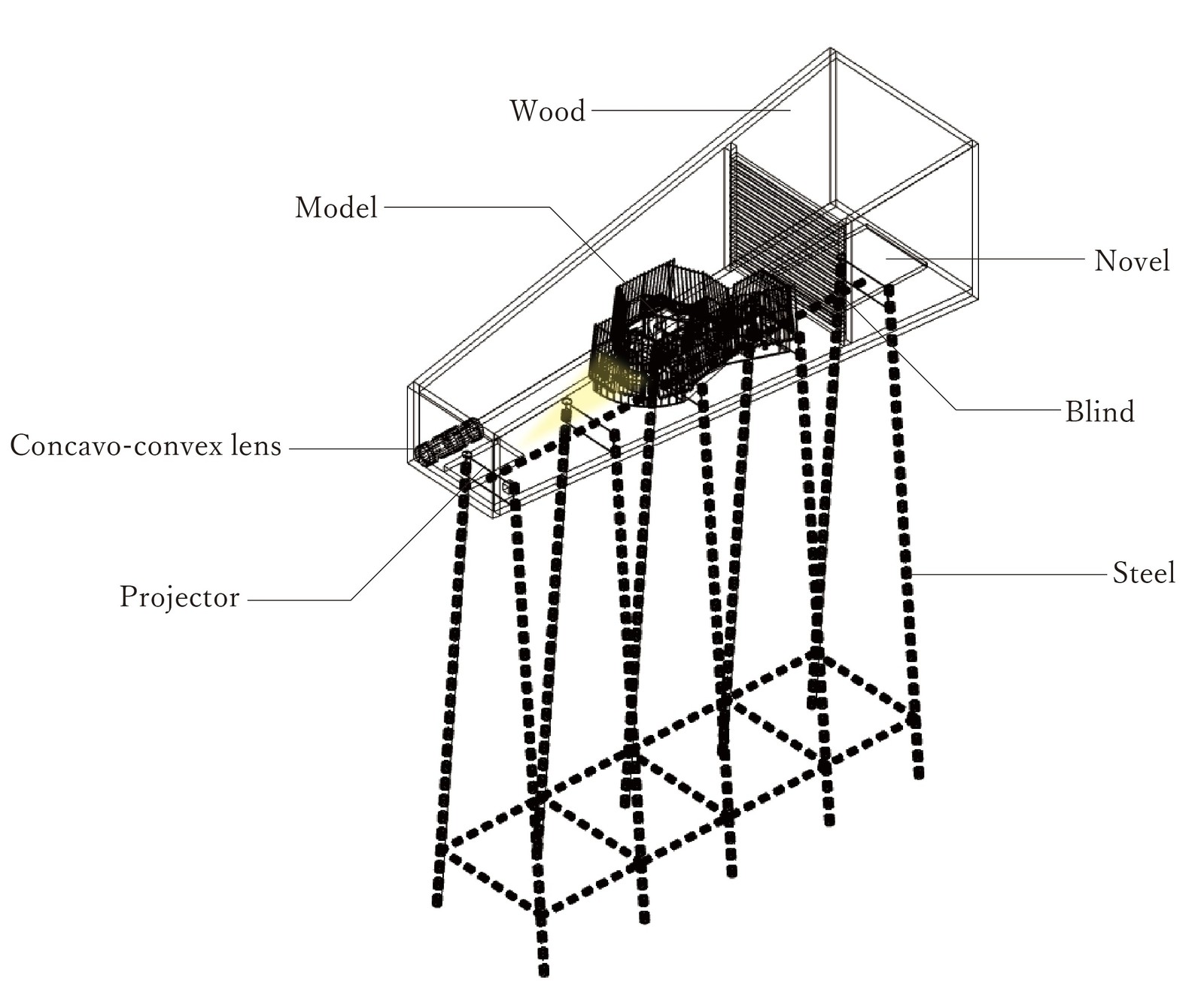
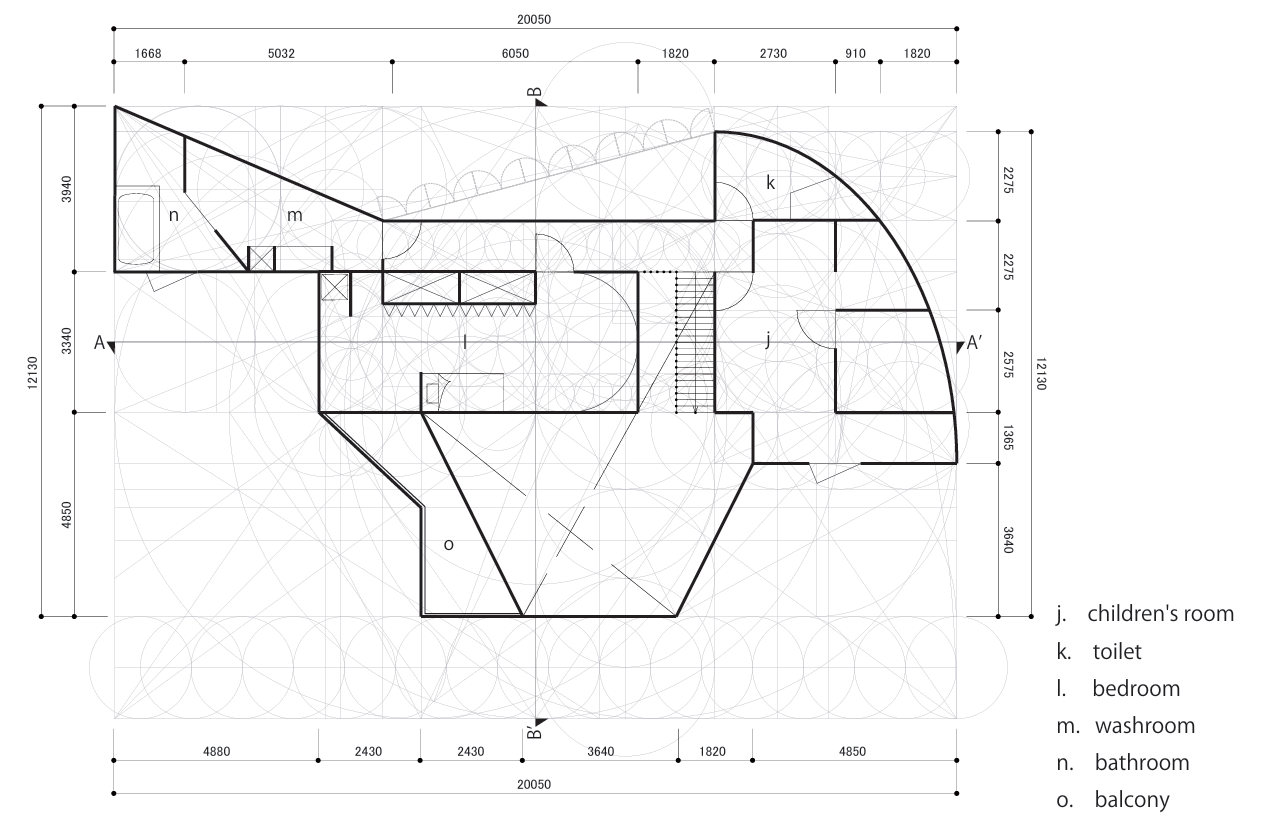
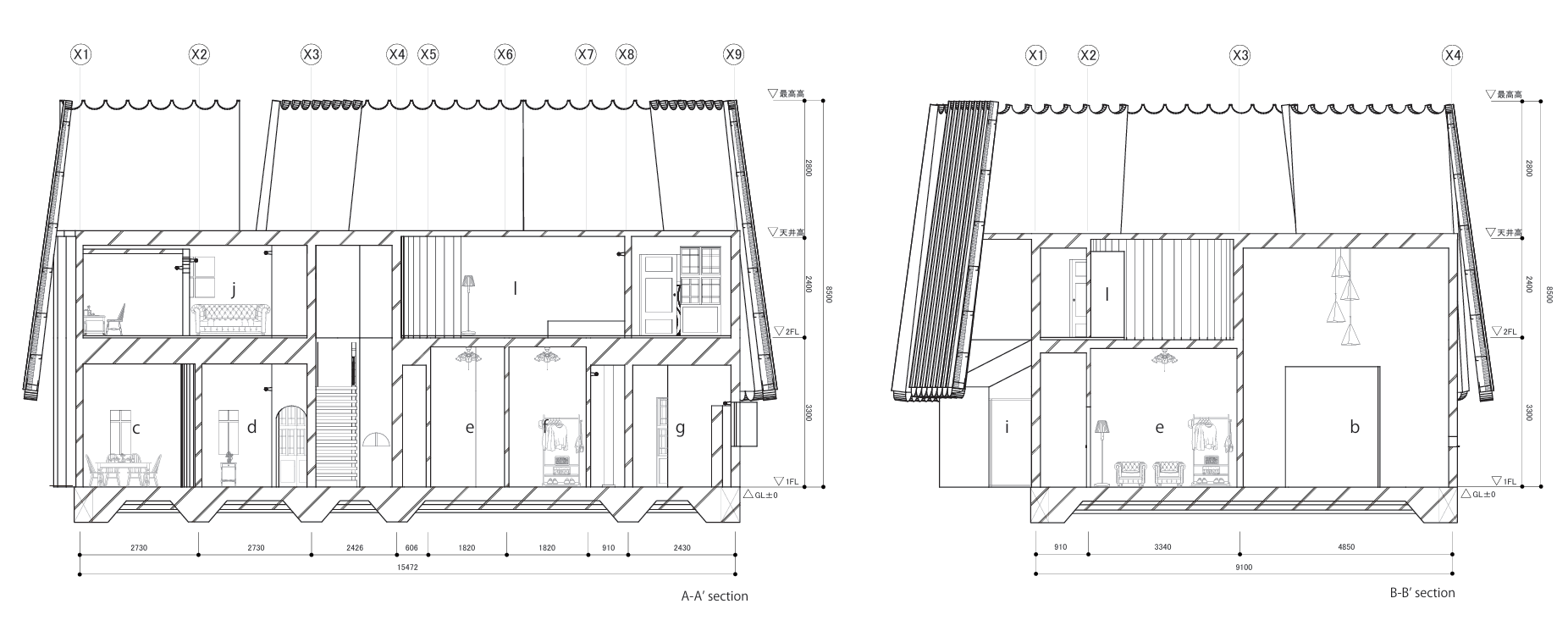
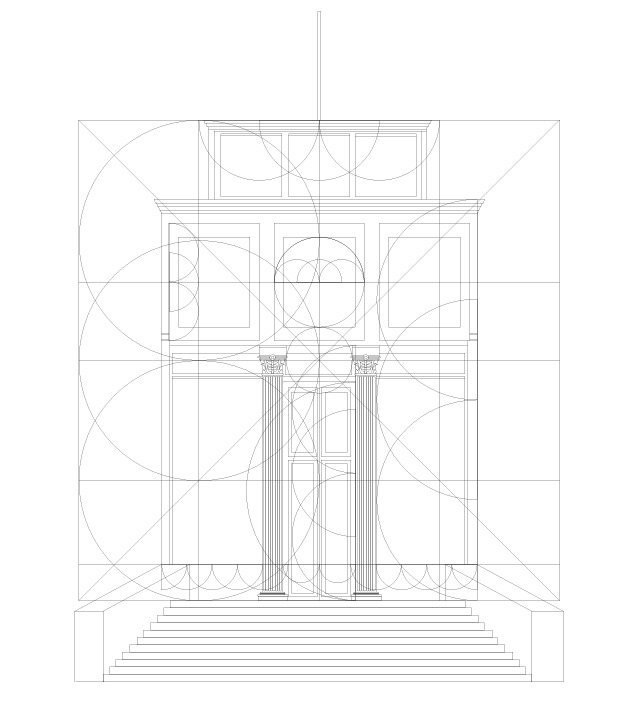
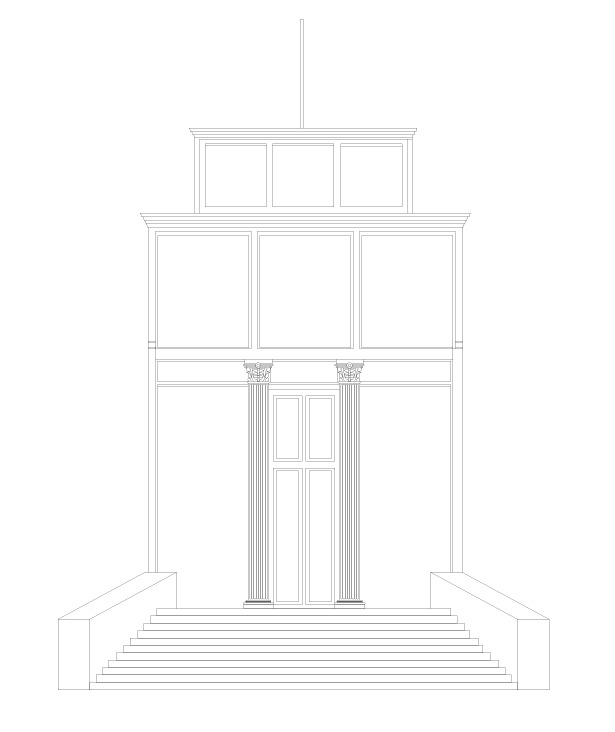
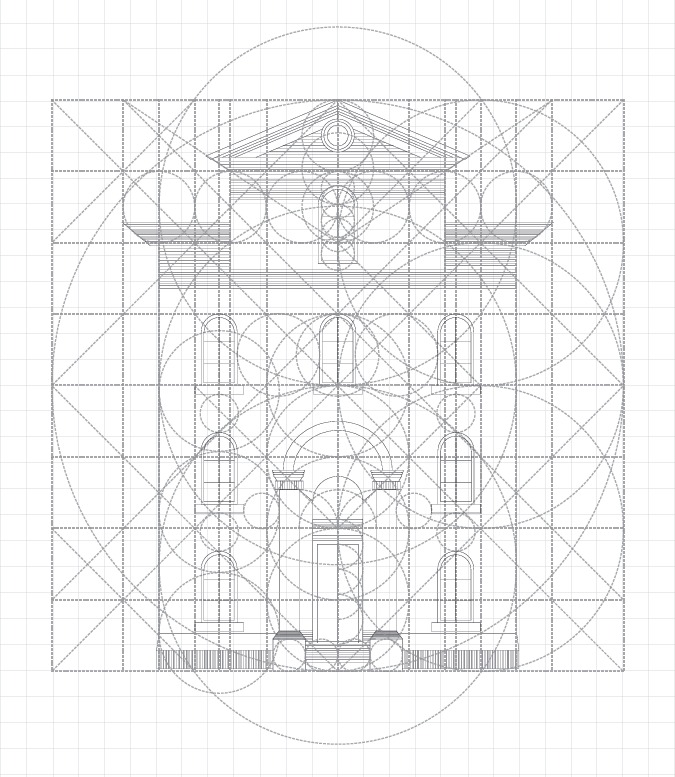
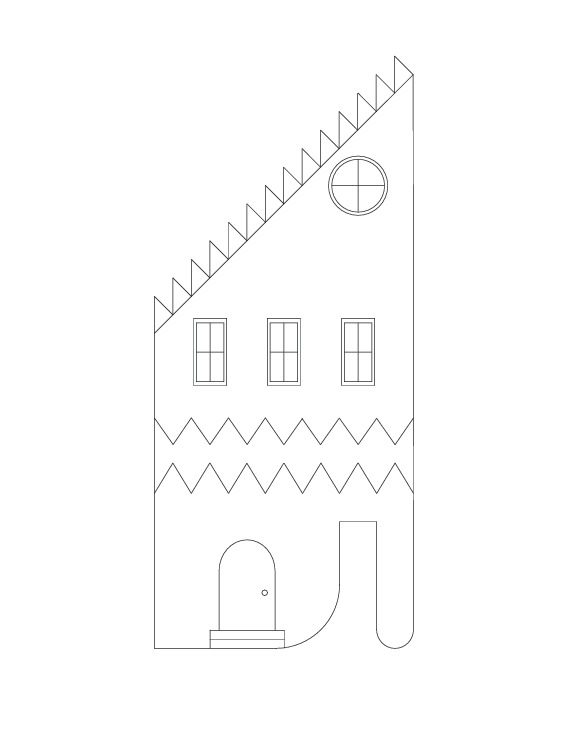
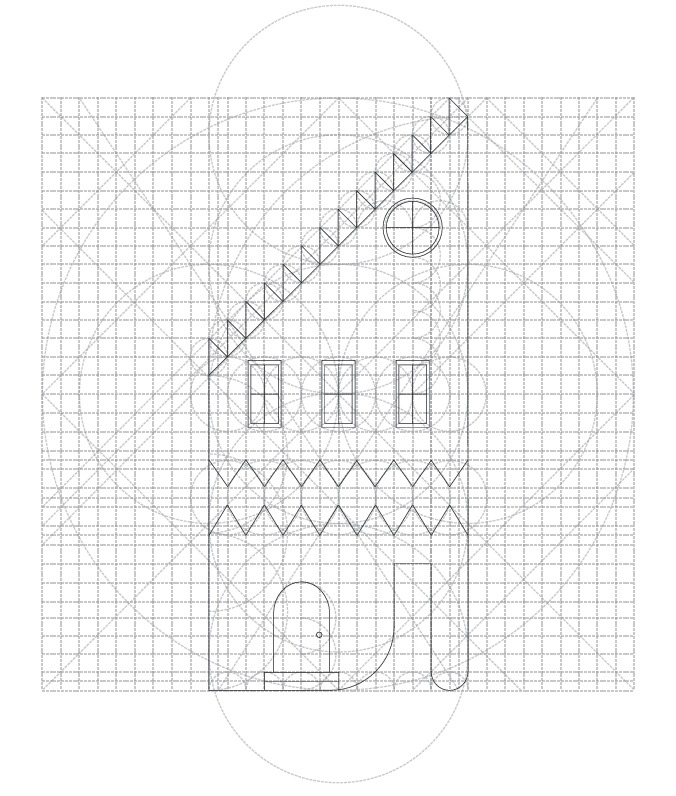
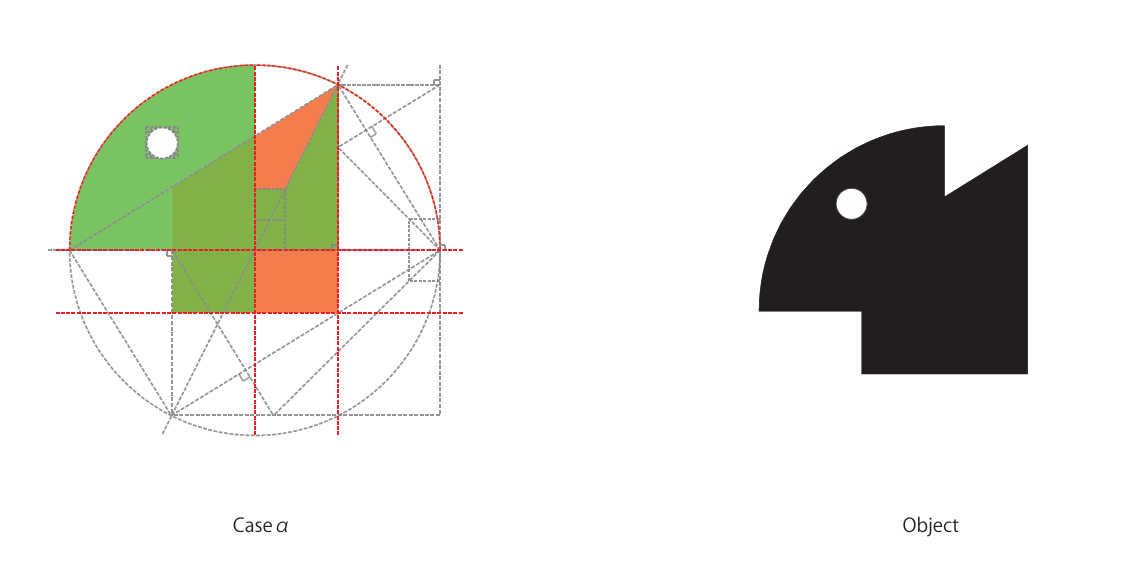
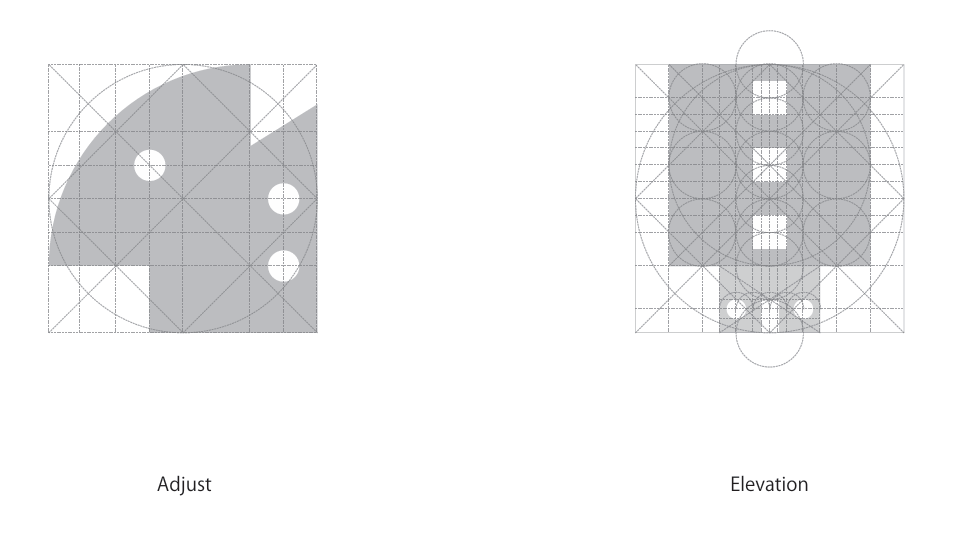
Cinema Obscura Ⅱ: House — Diagram of the work
Diagram of the work

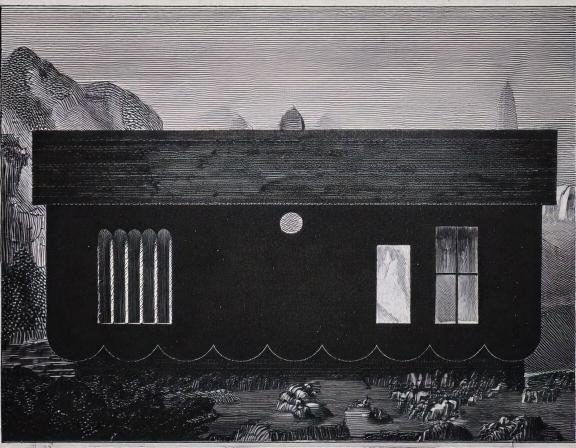
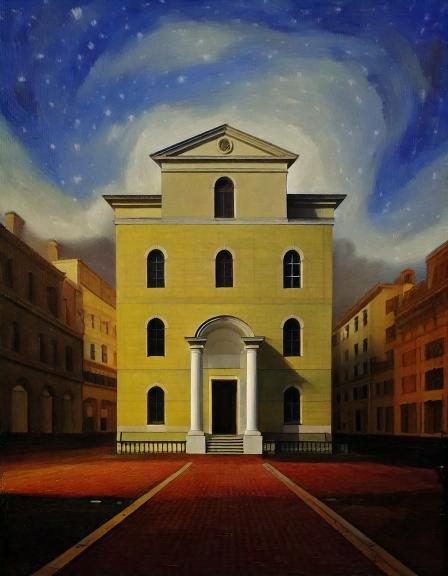
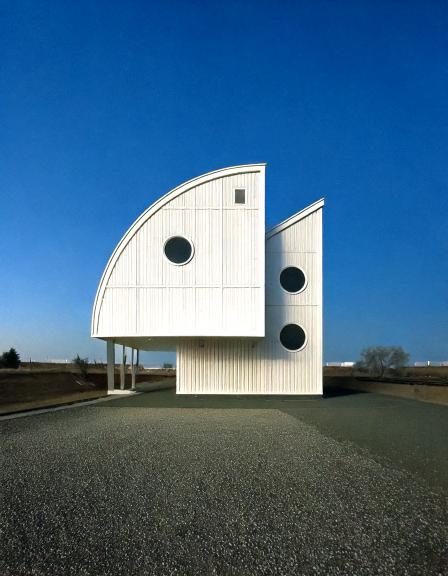
Cinema Obscura Ⅱ: House

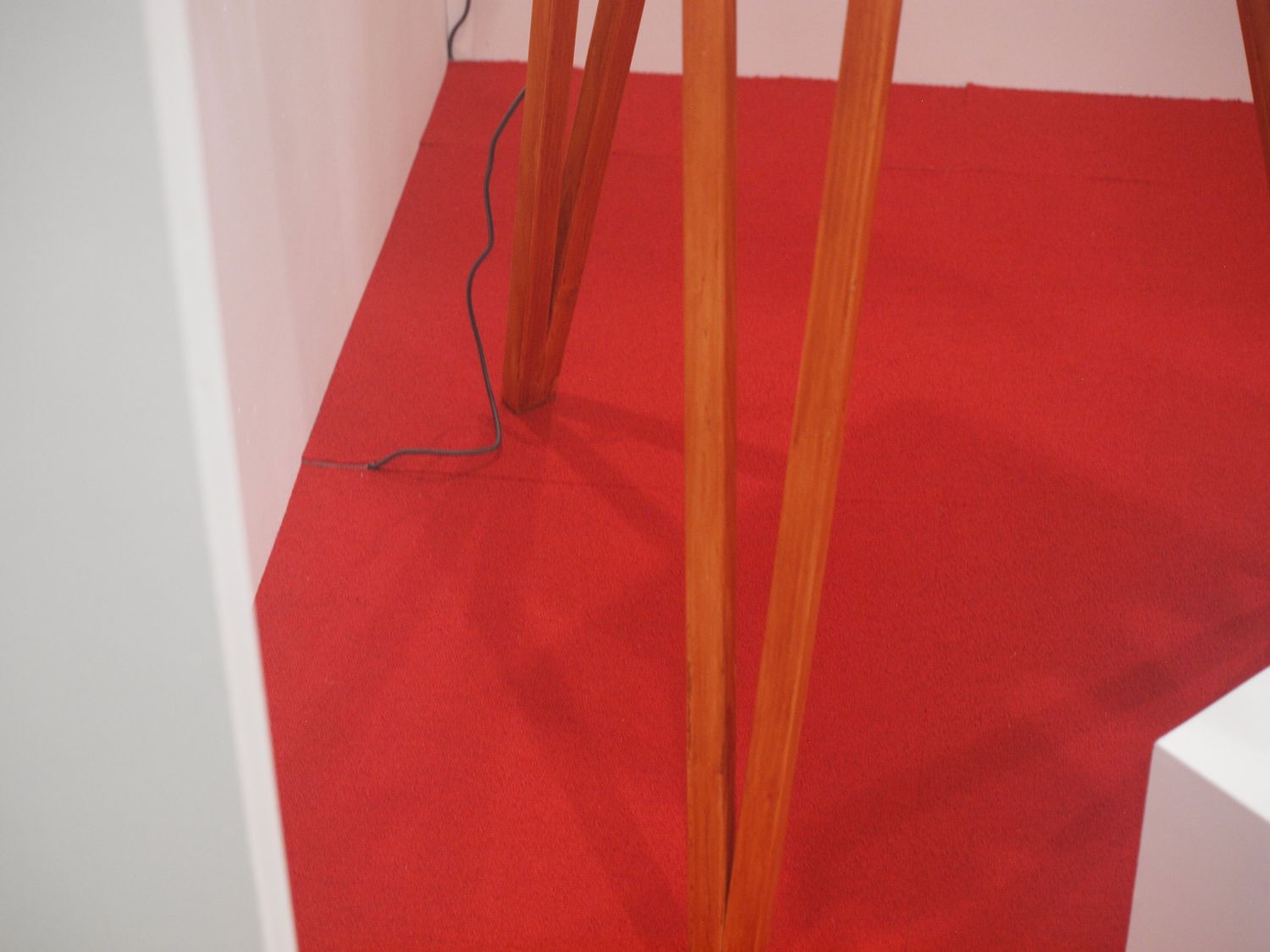
2026 / Steel legs, anastigmatic lenses, models, short stories, interviews, video (monochrome, with sound: 5:26 min)

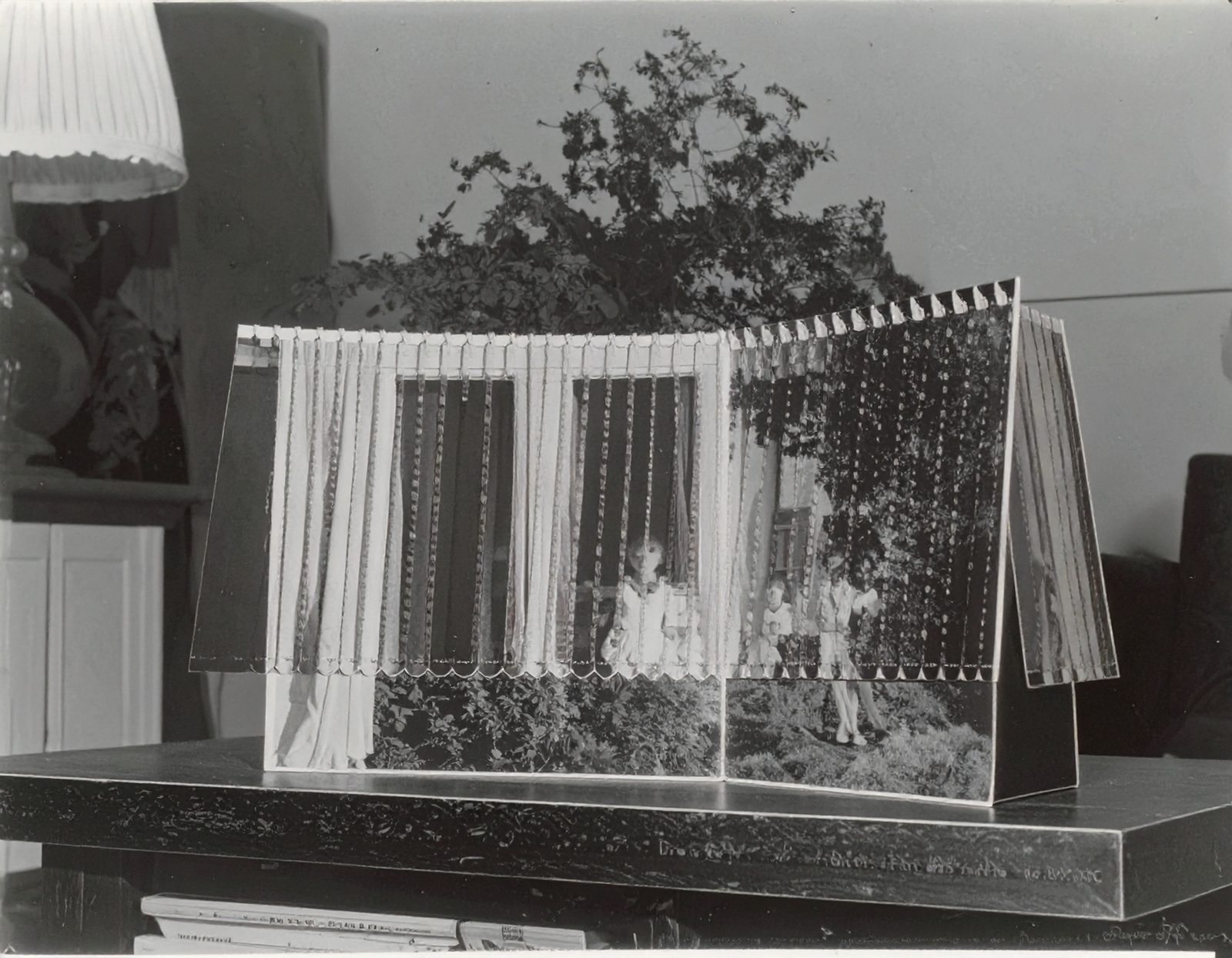
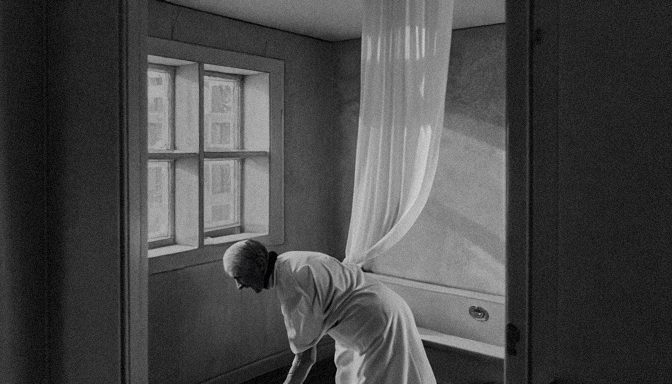
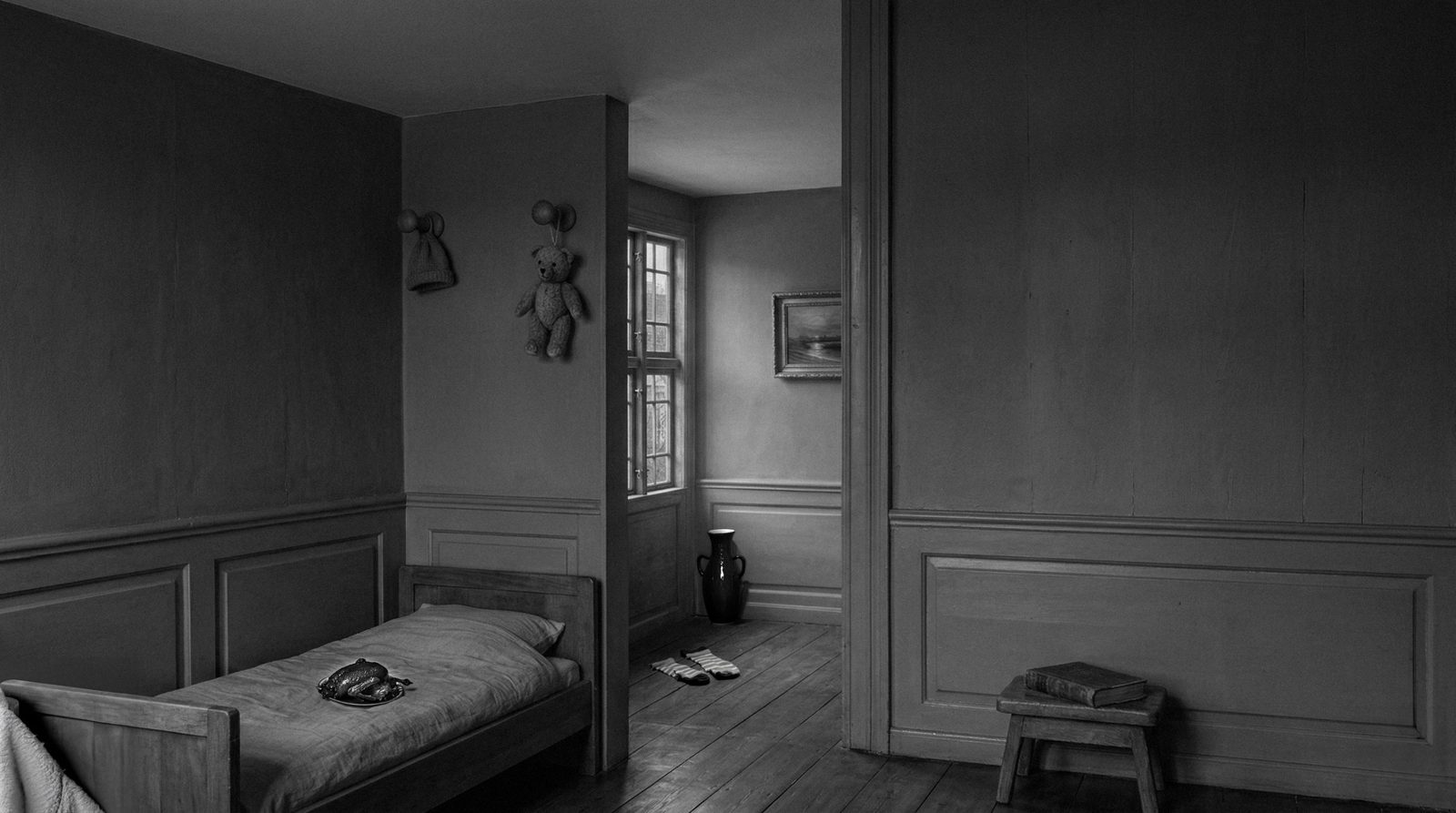
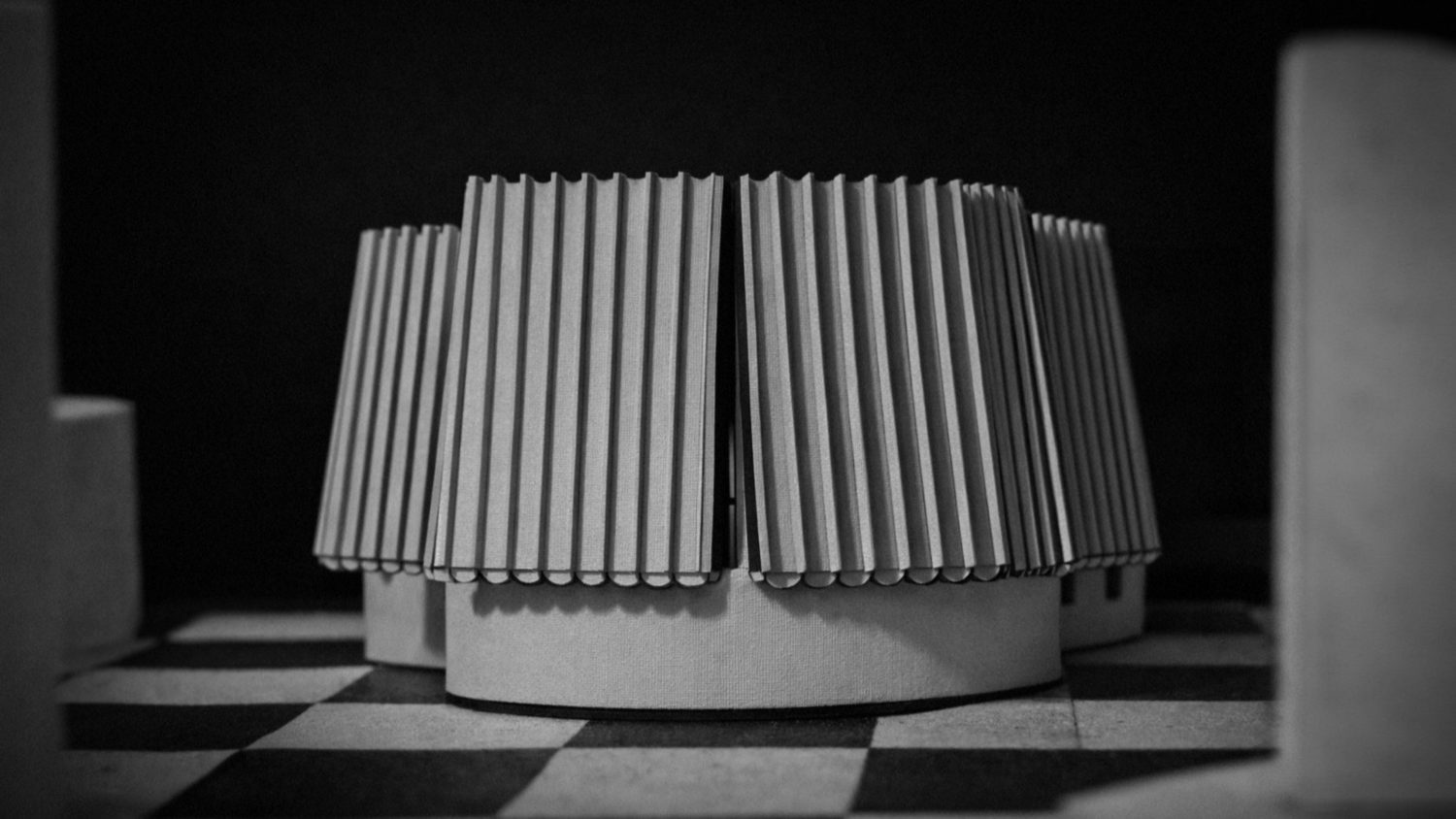
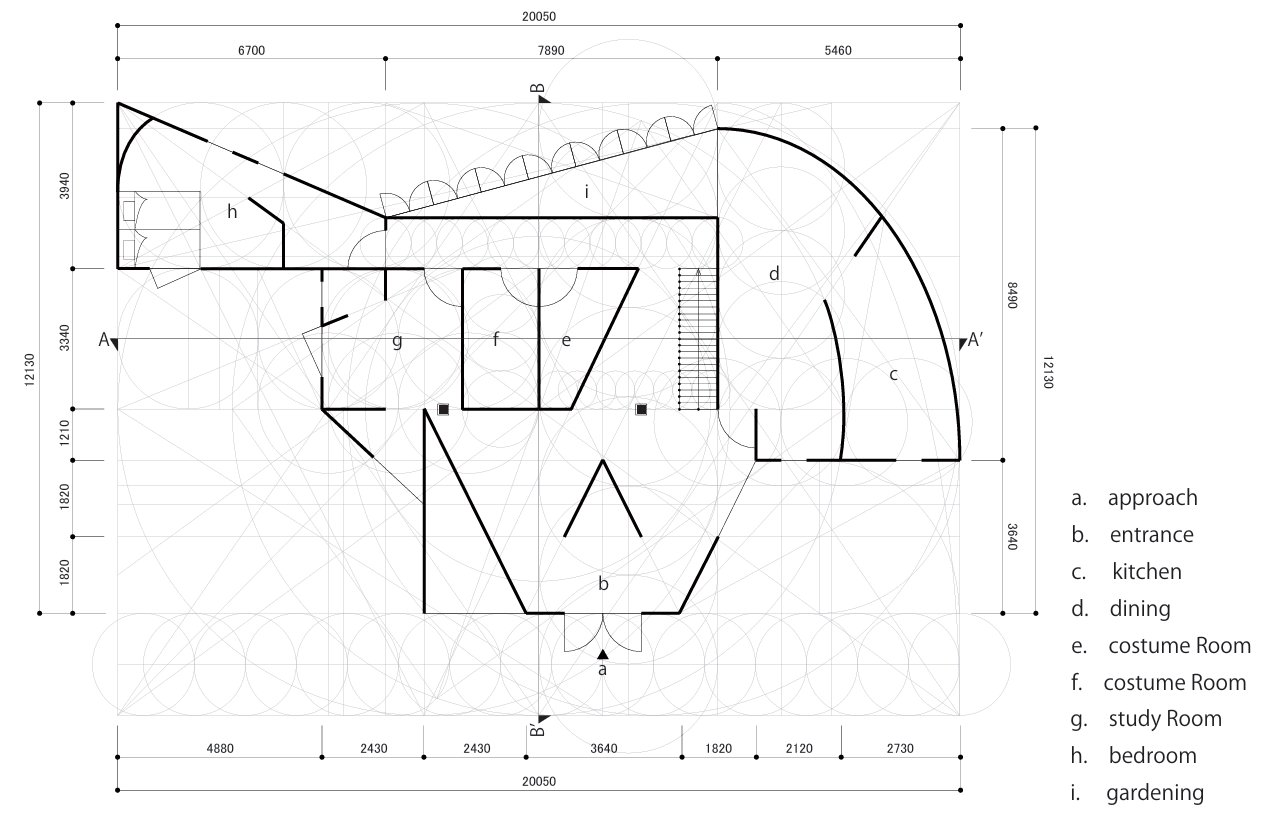
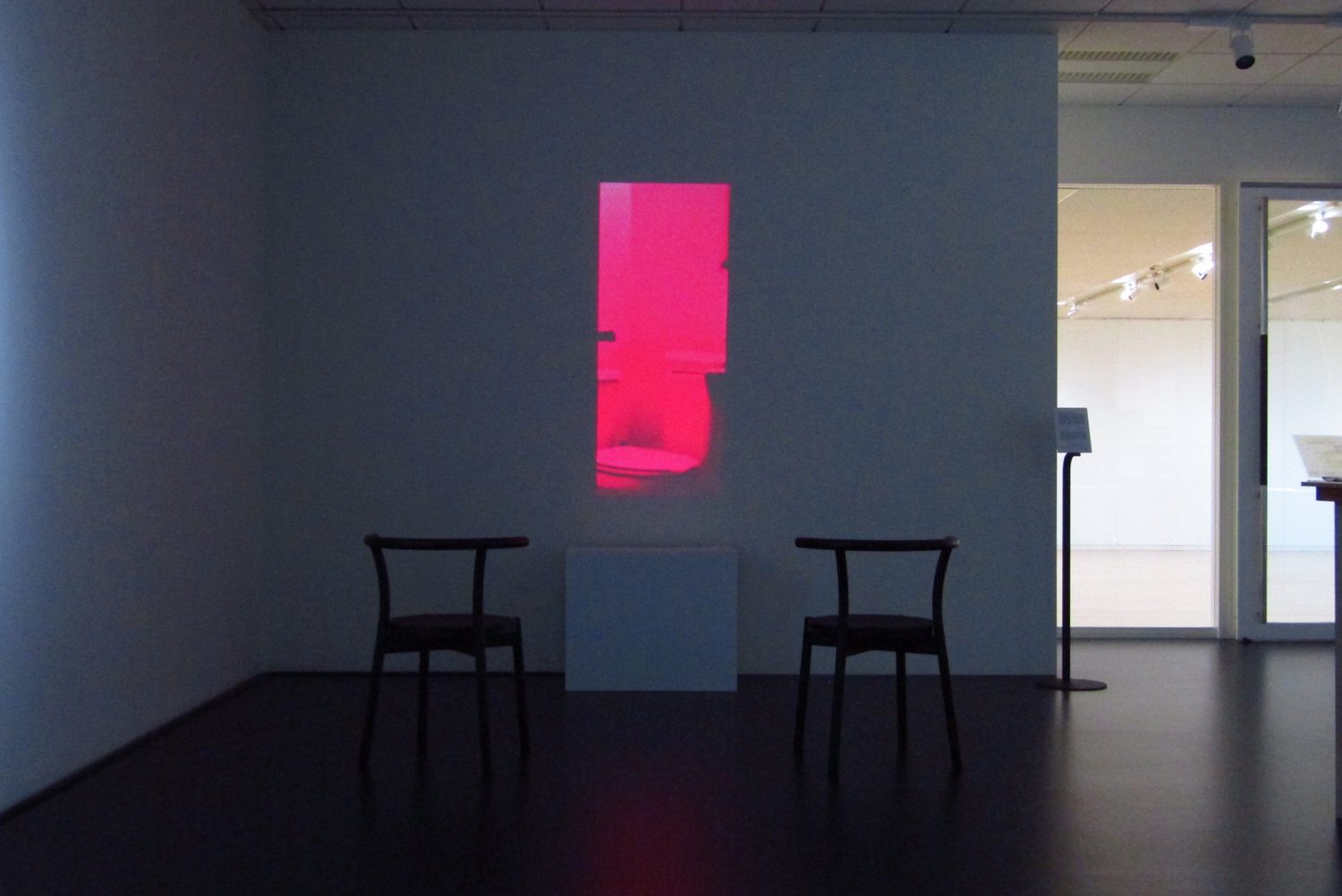
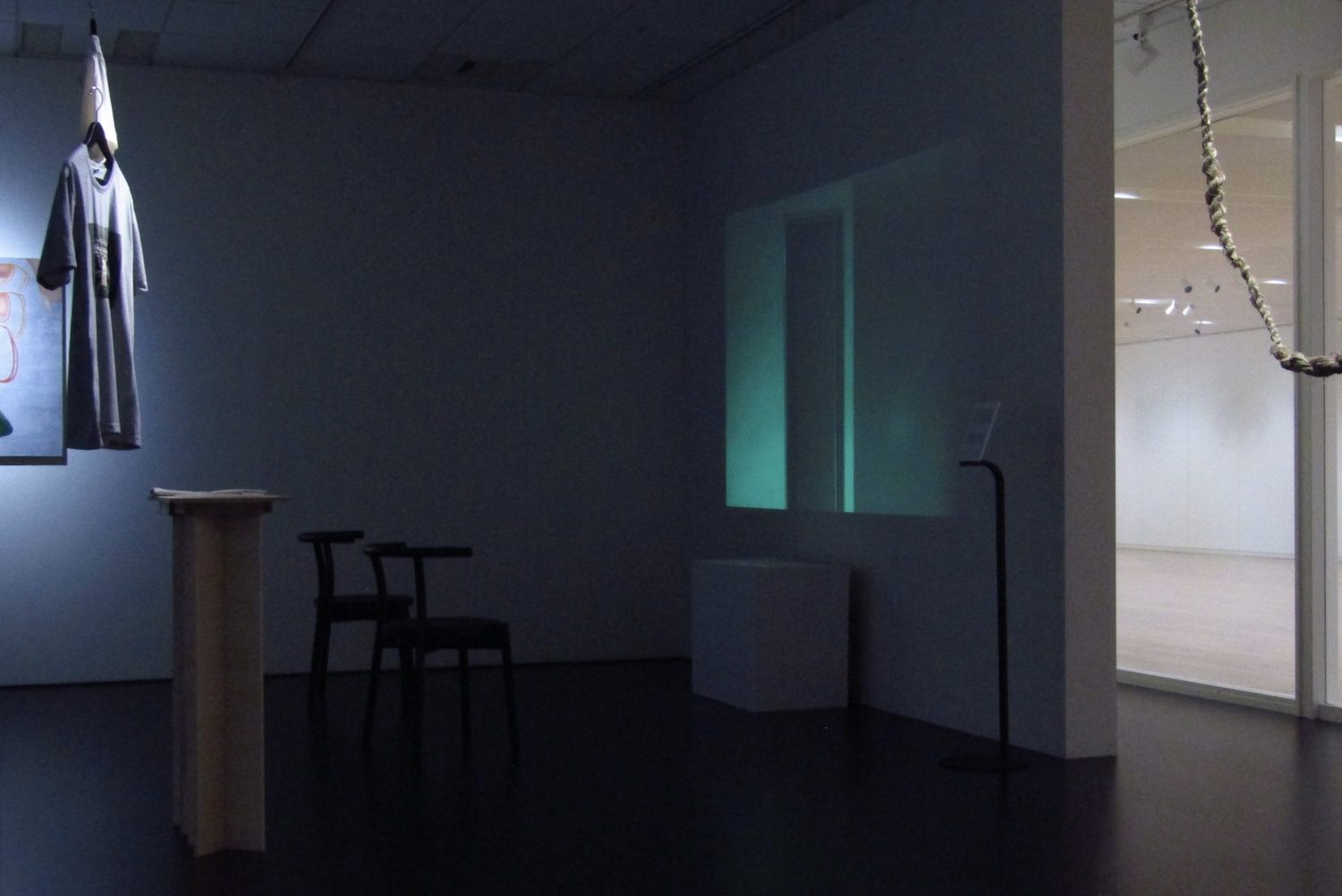
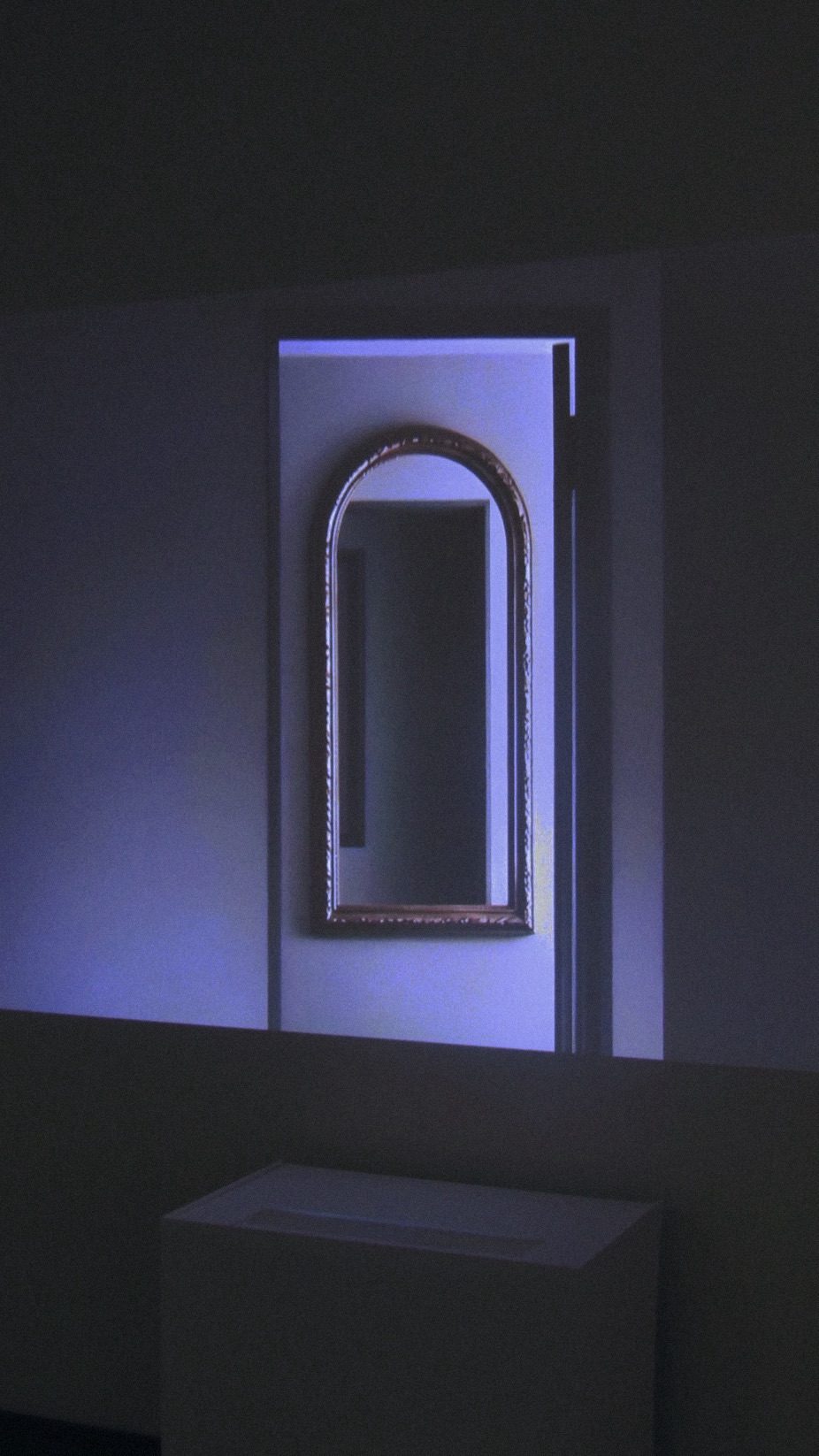
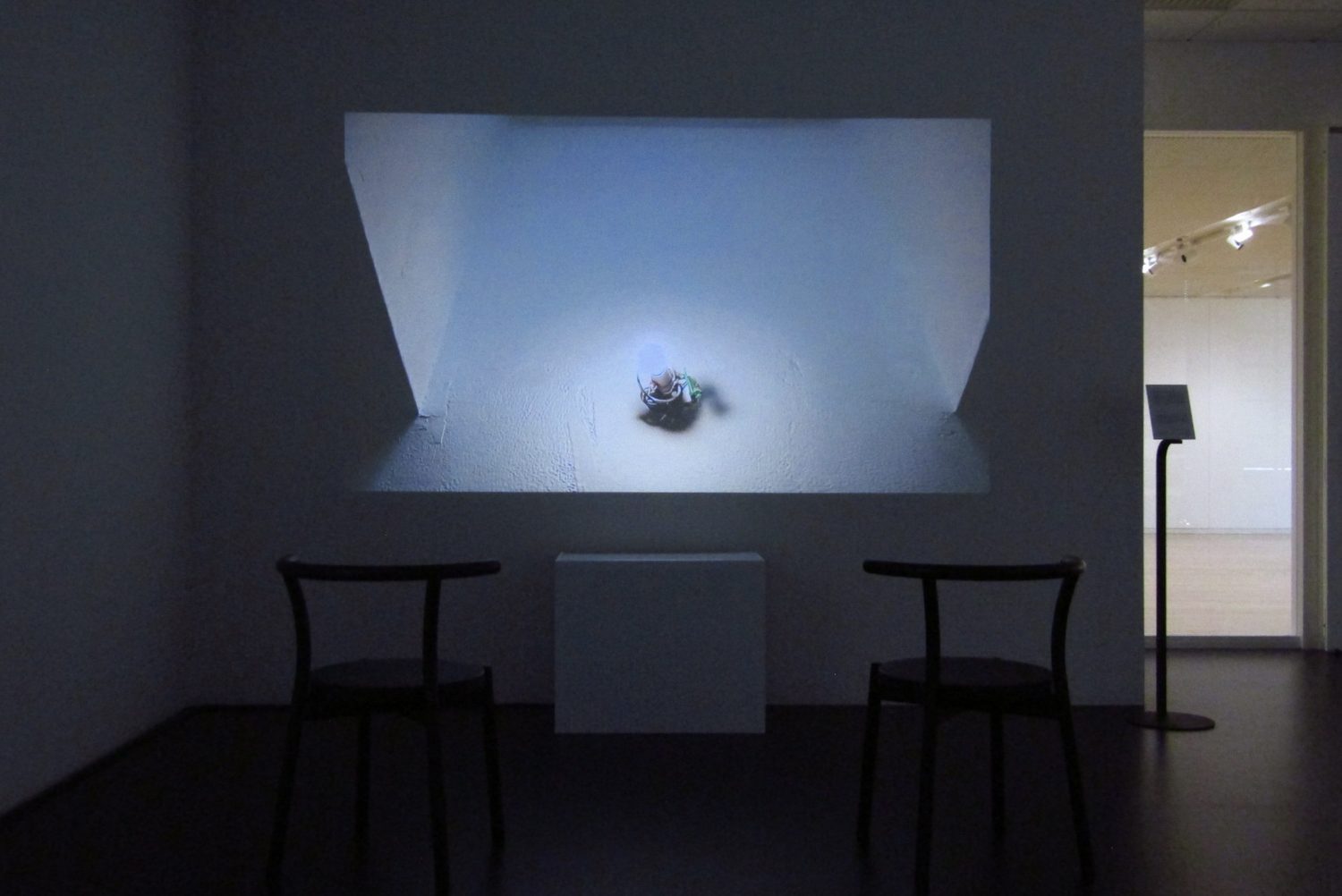
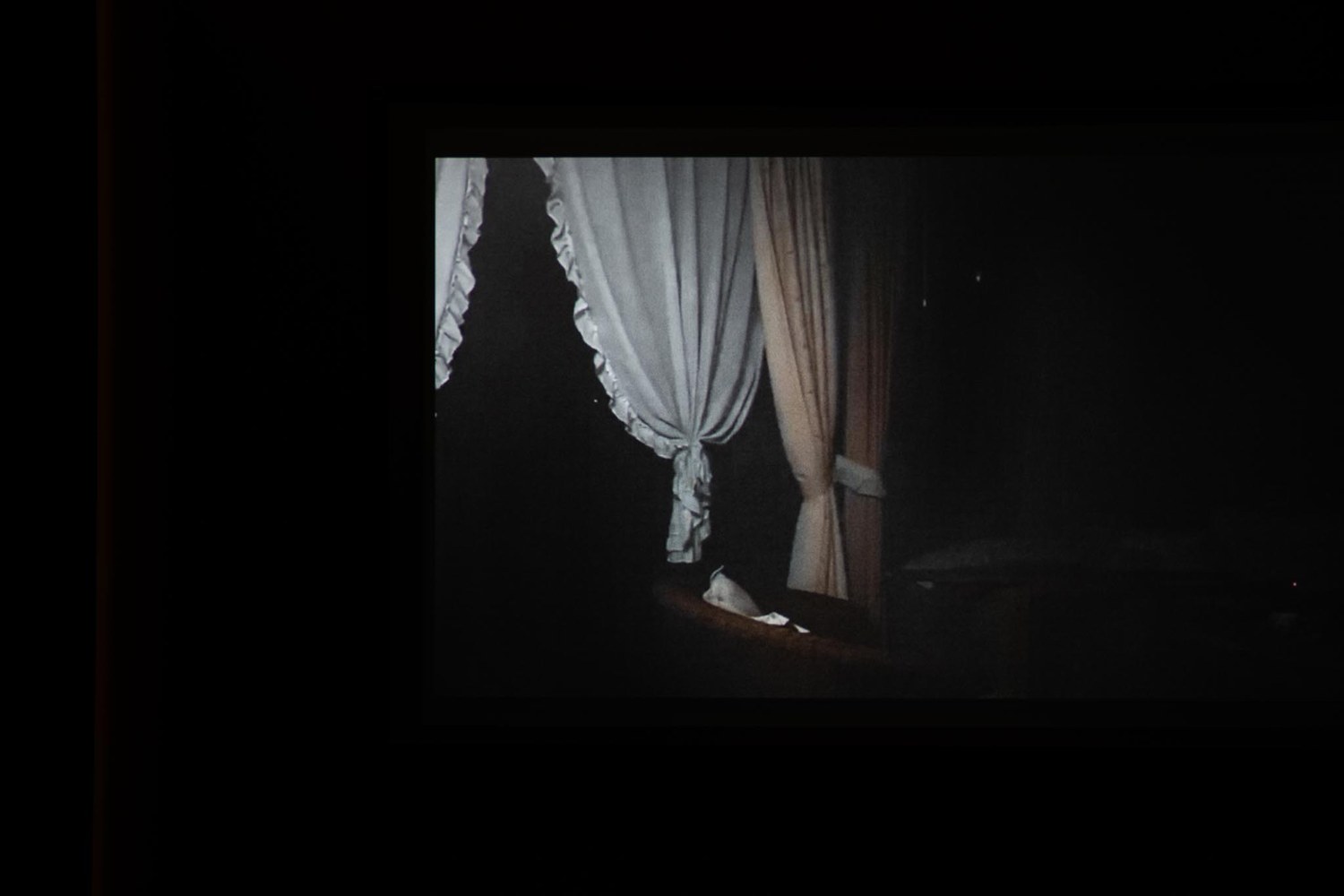
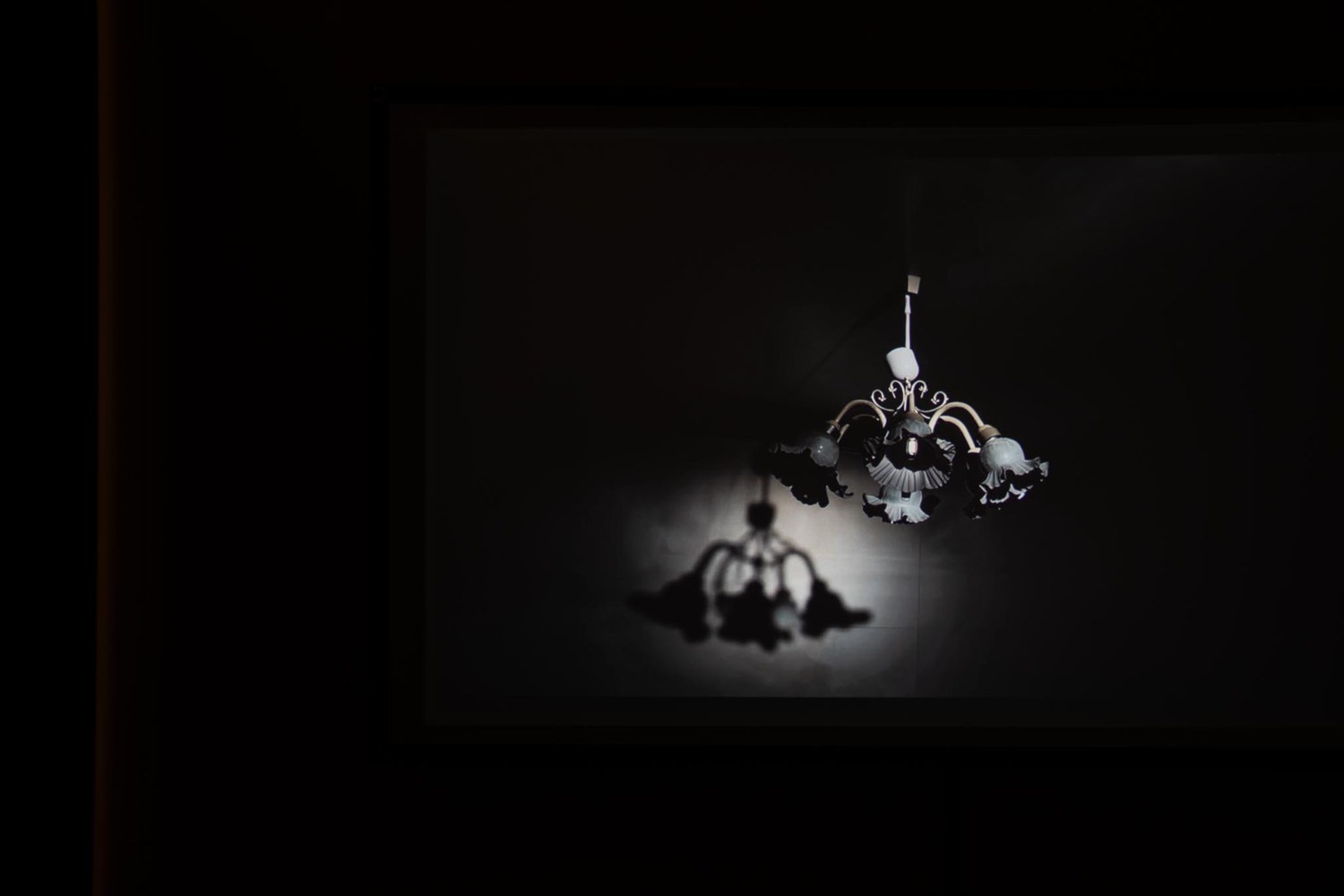
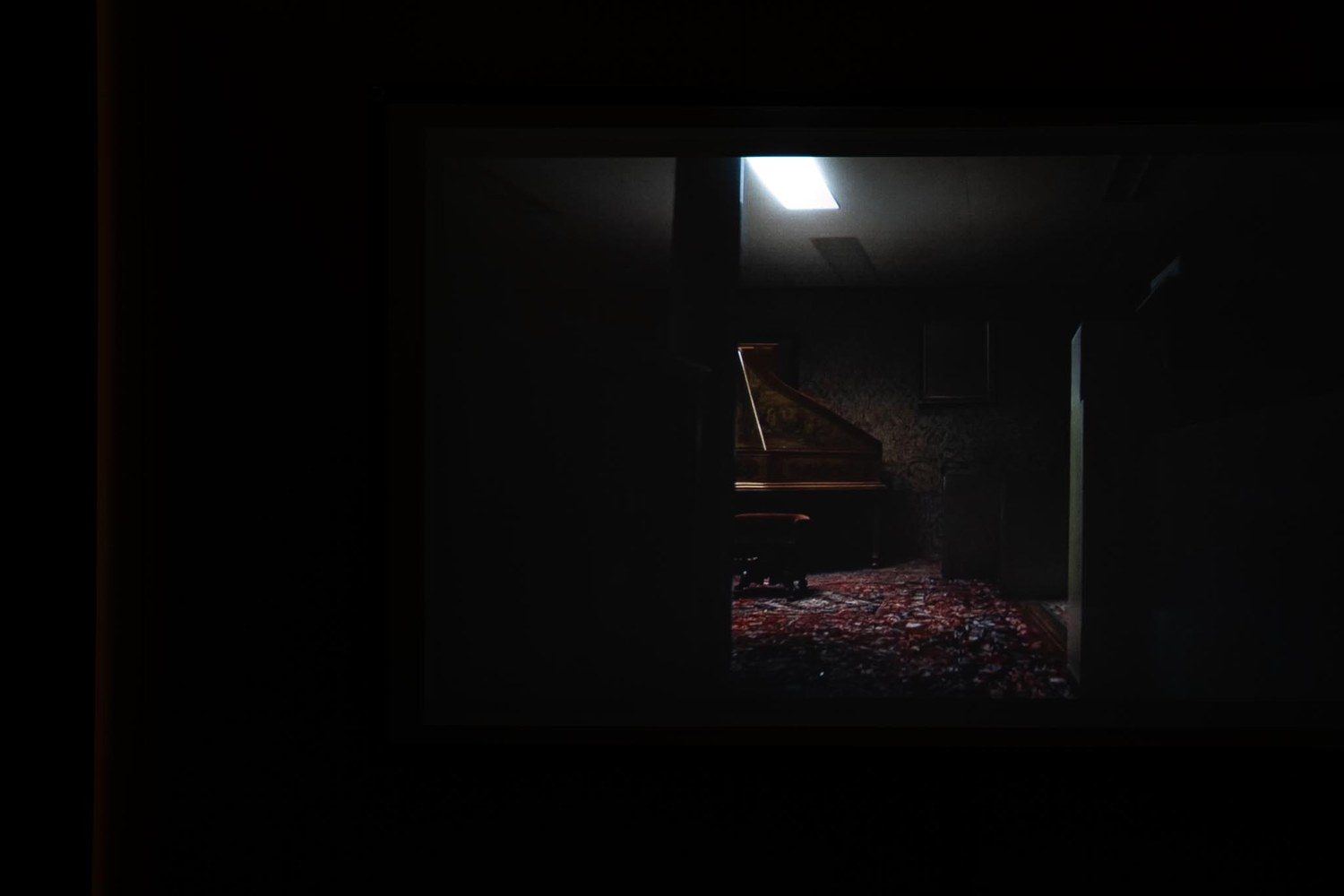
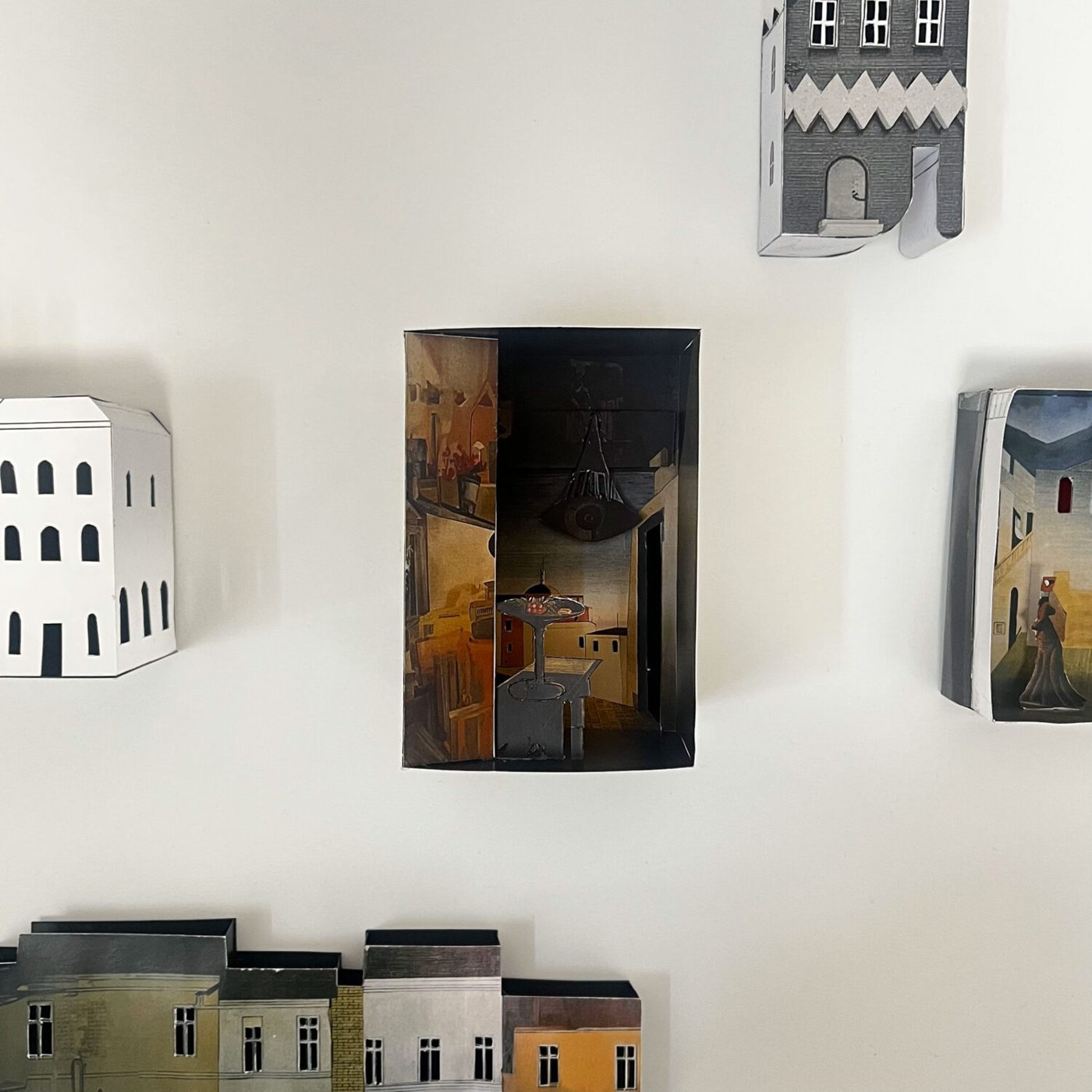
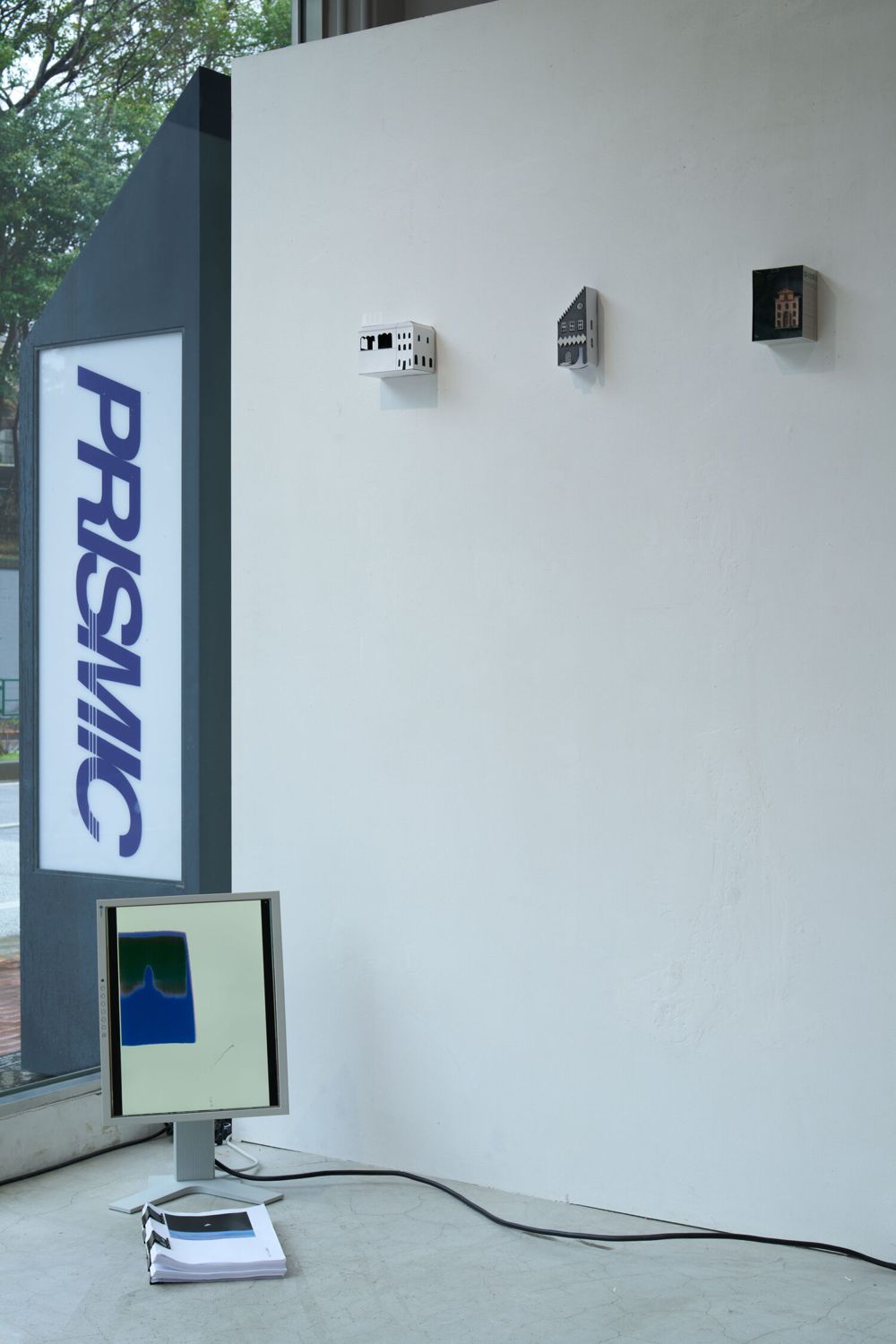
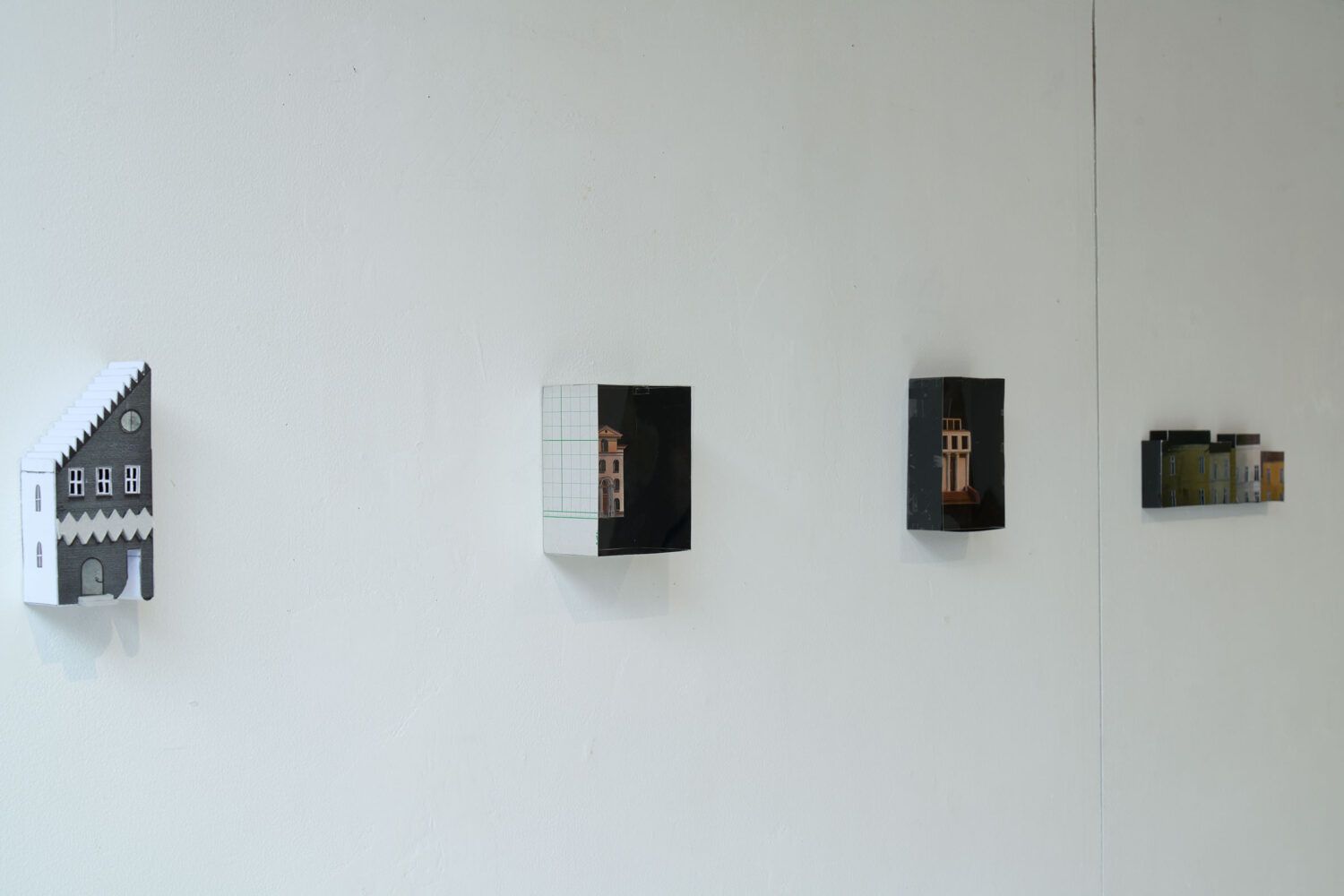
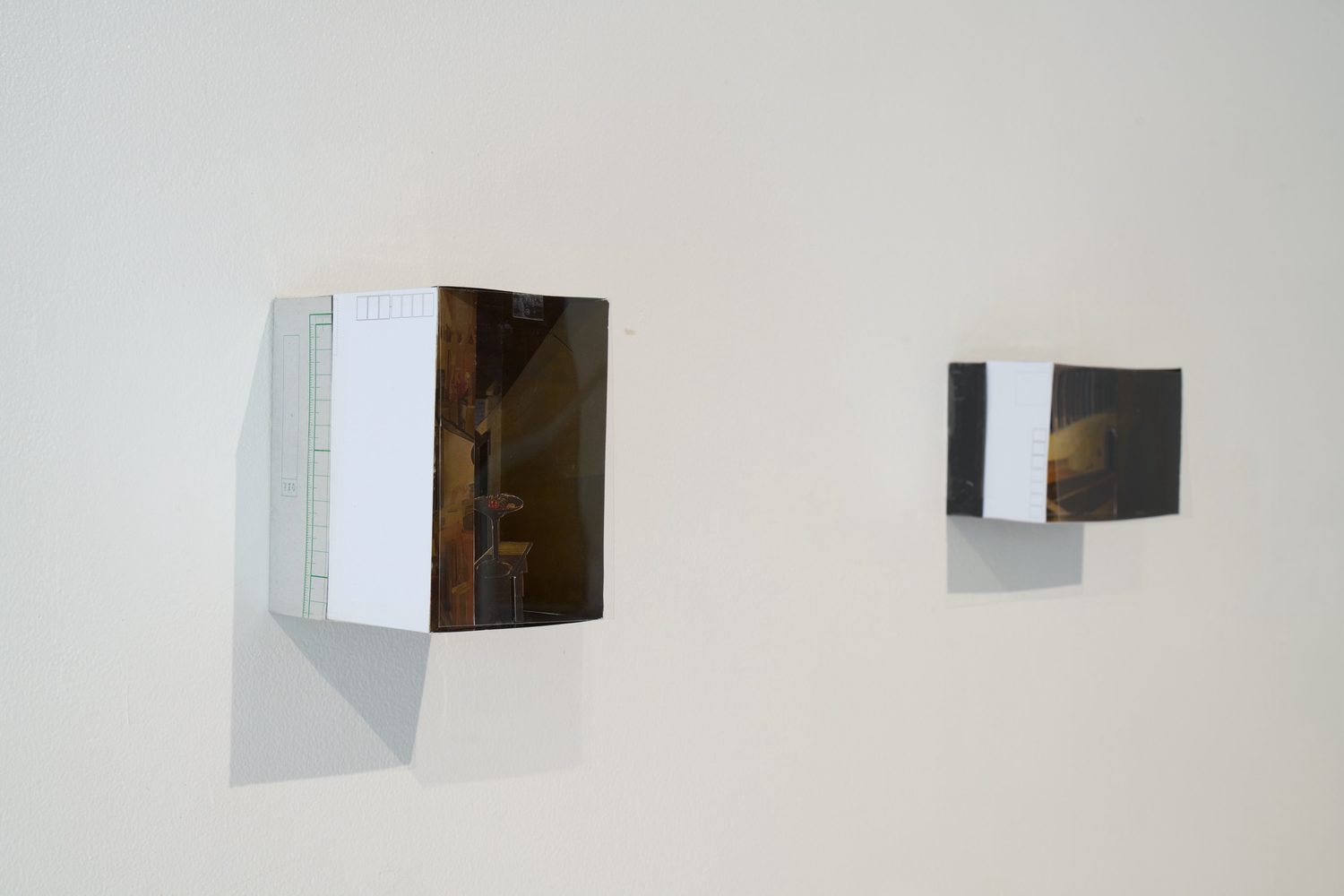
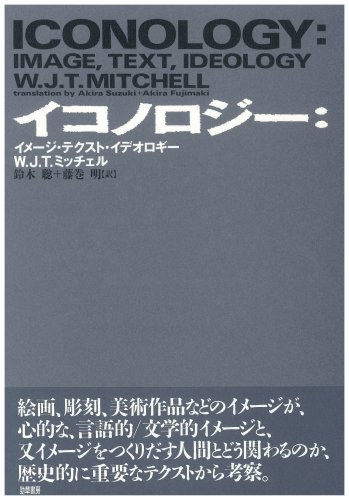
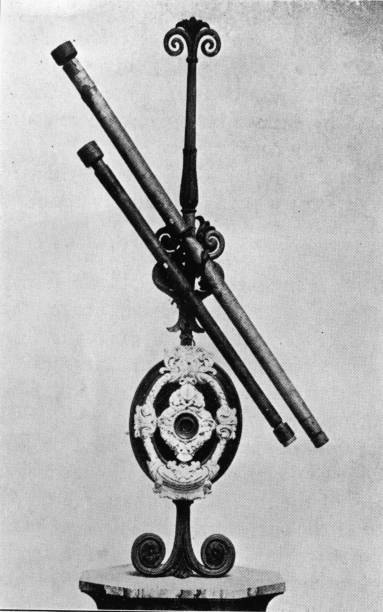
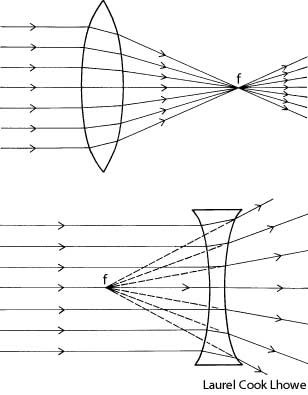
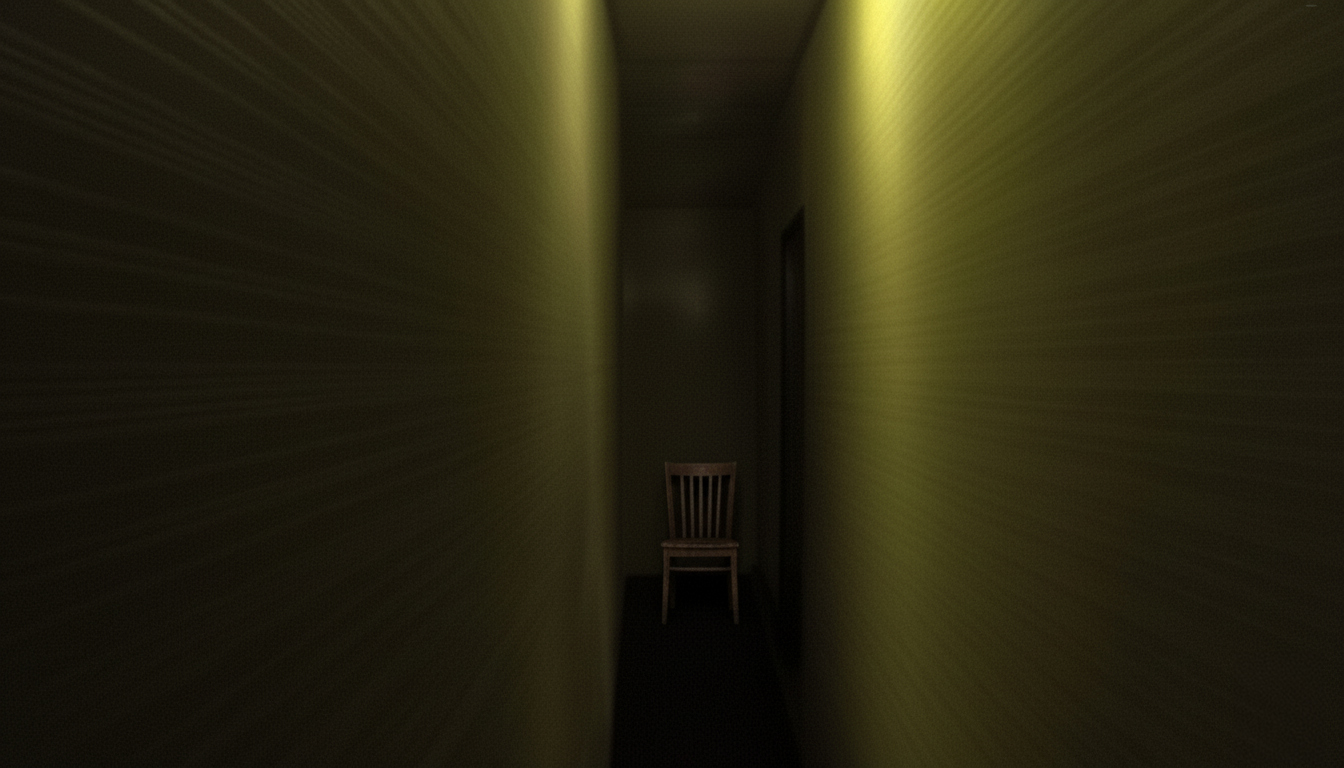
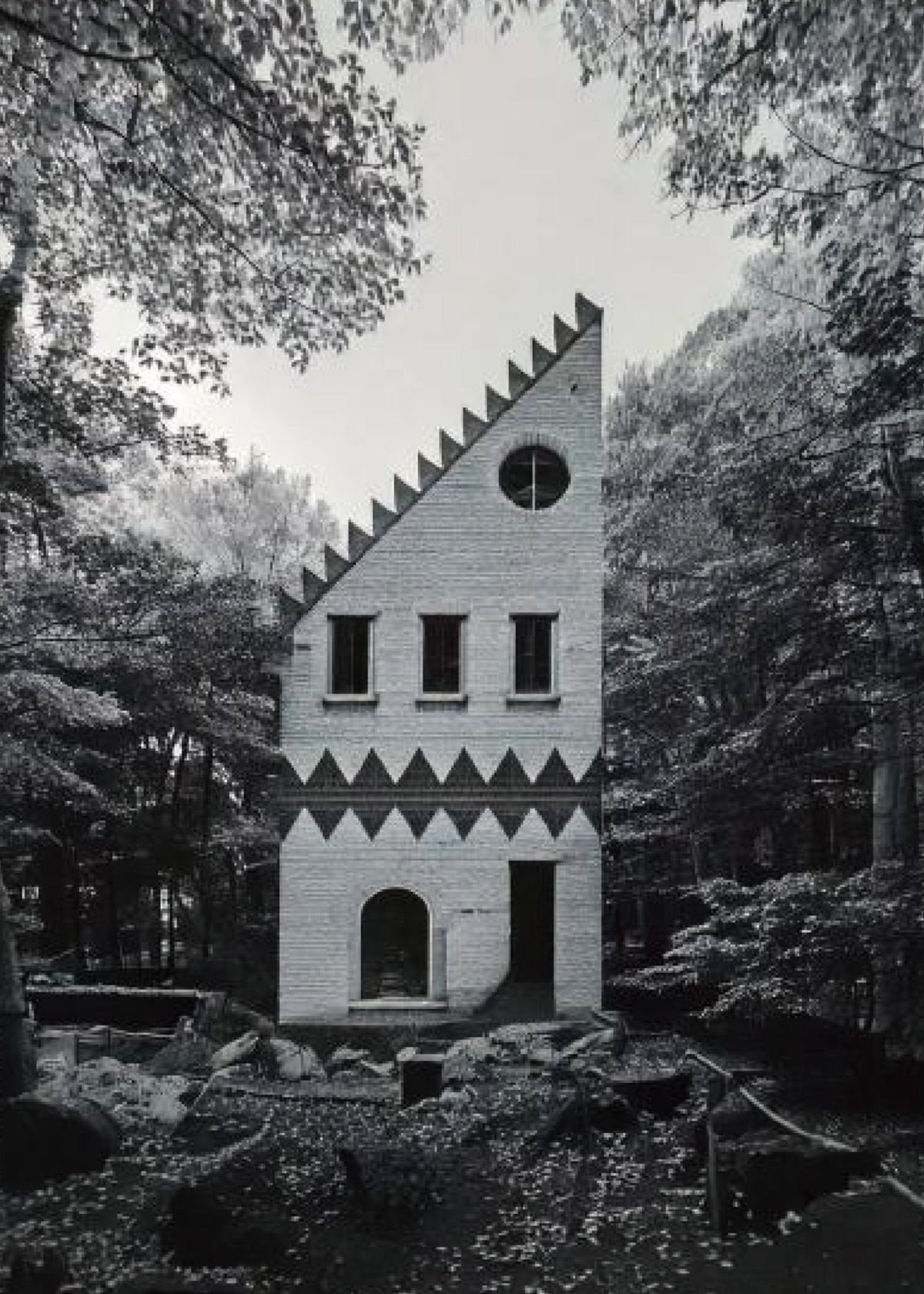
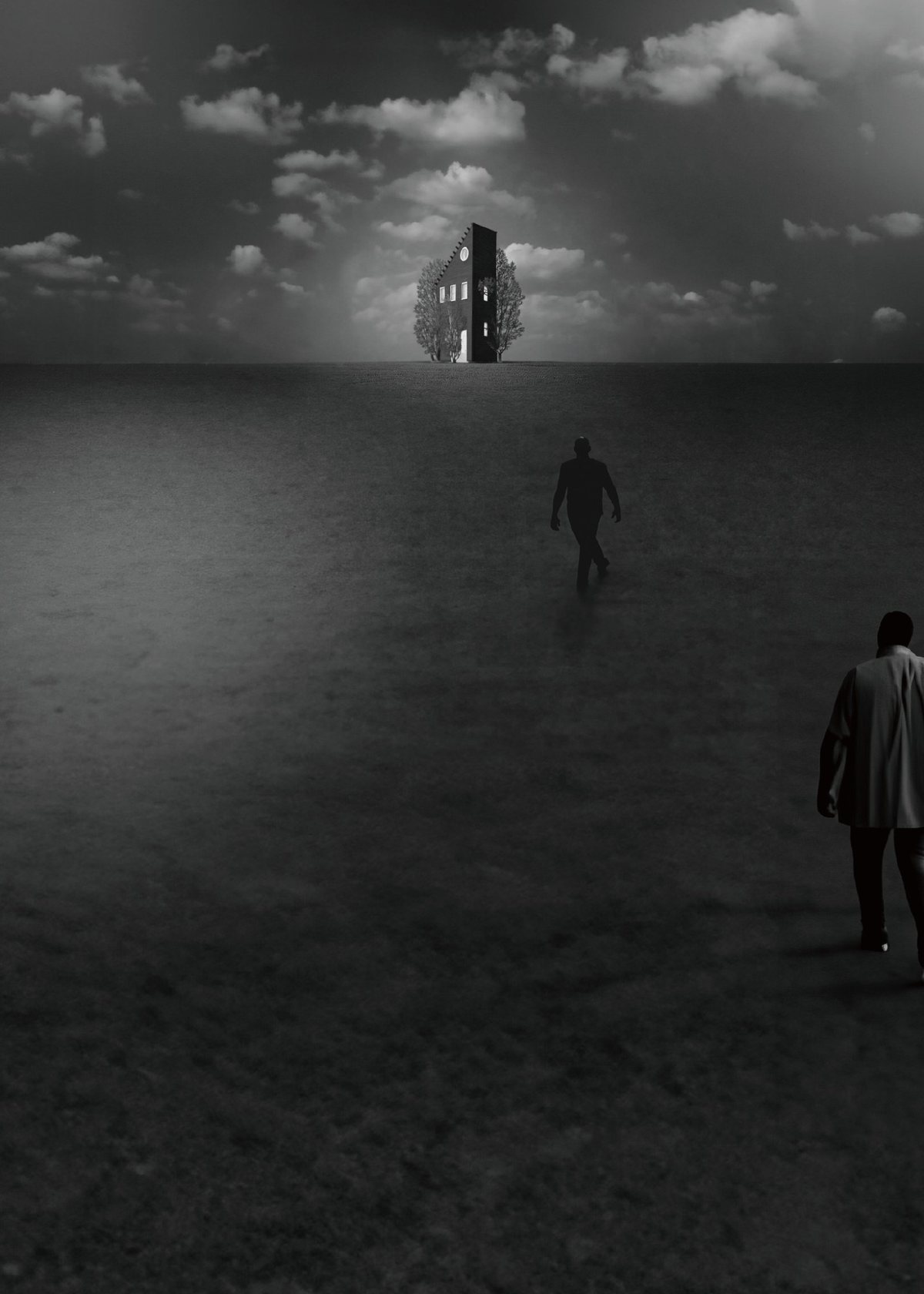
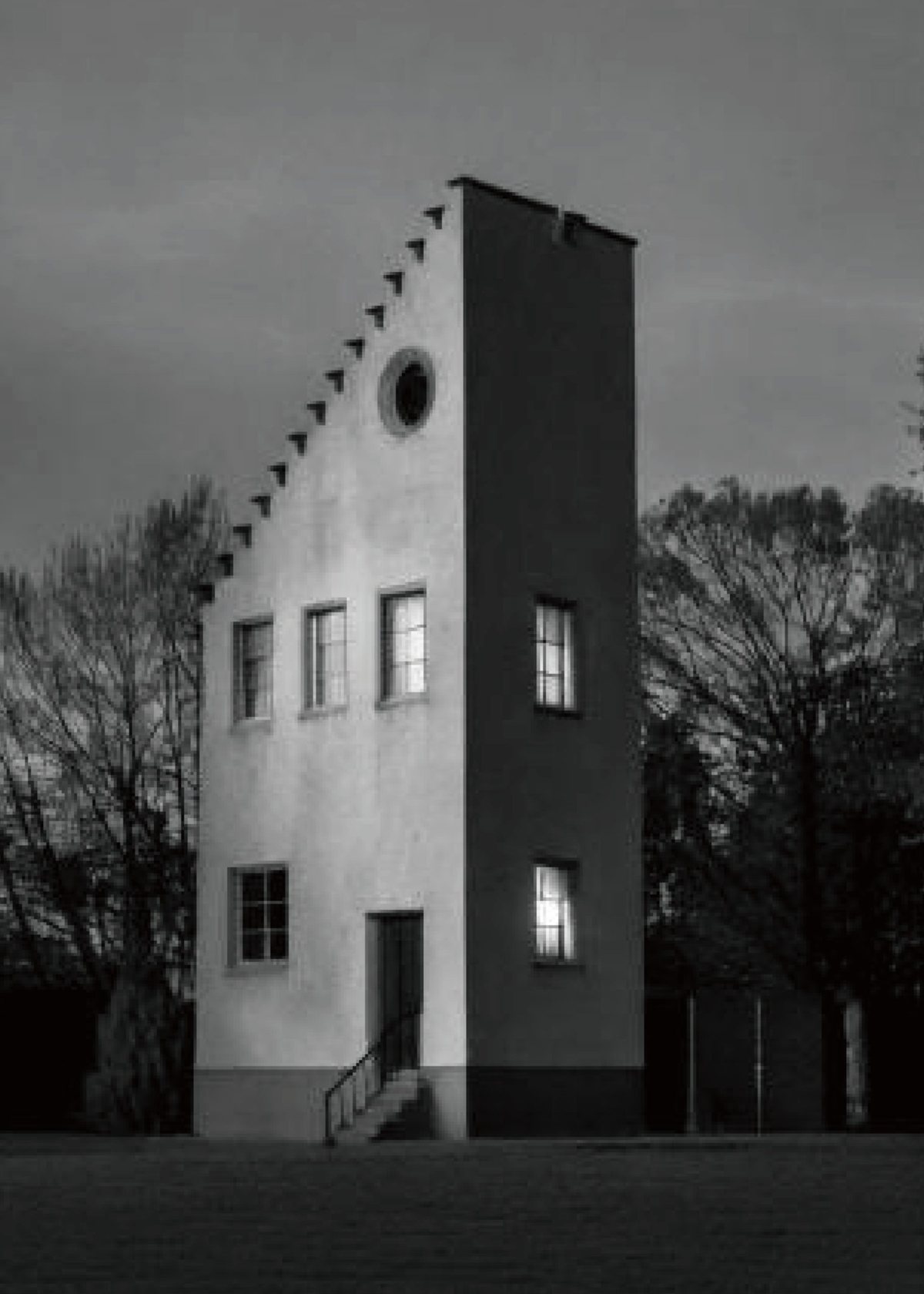
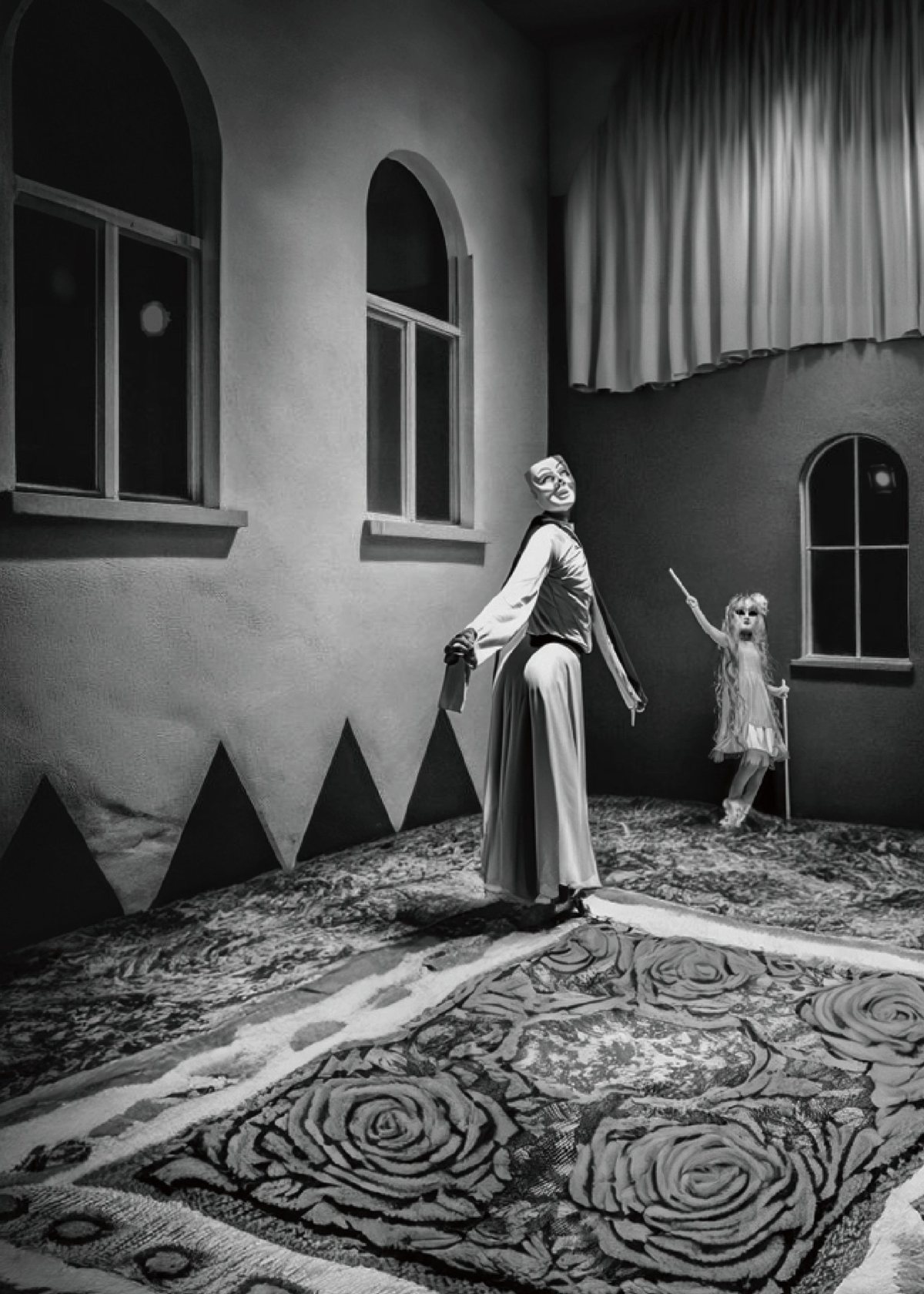
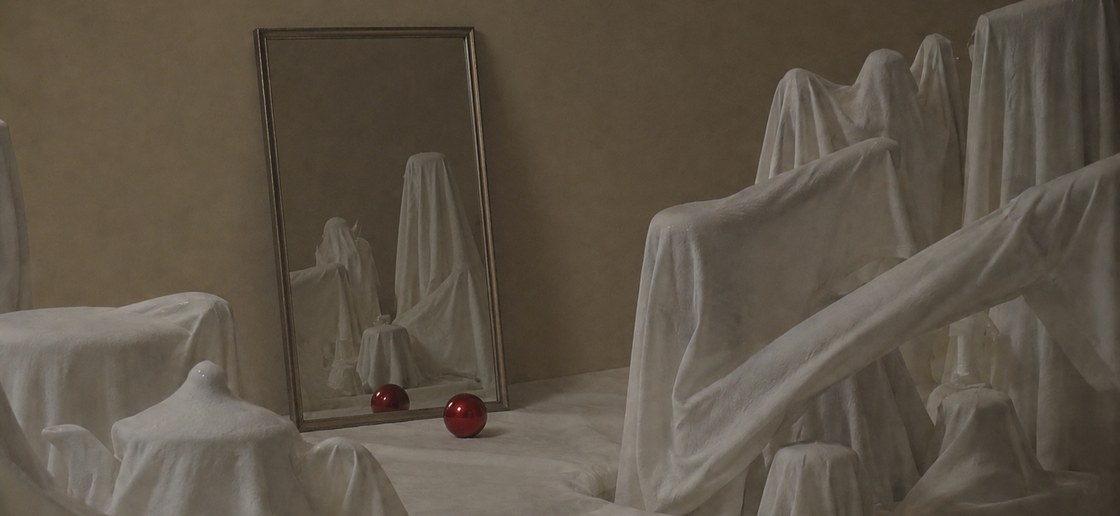
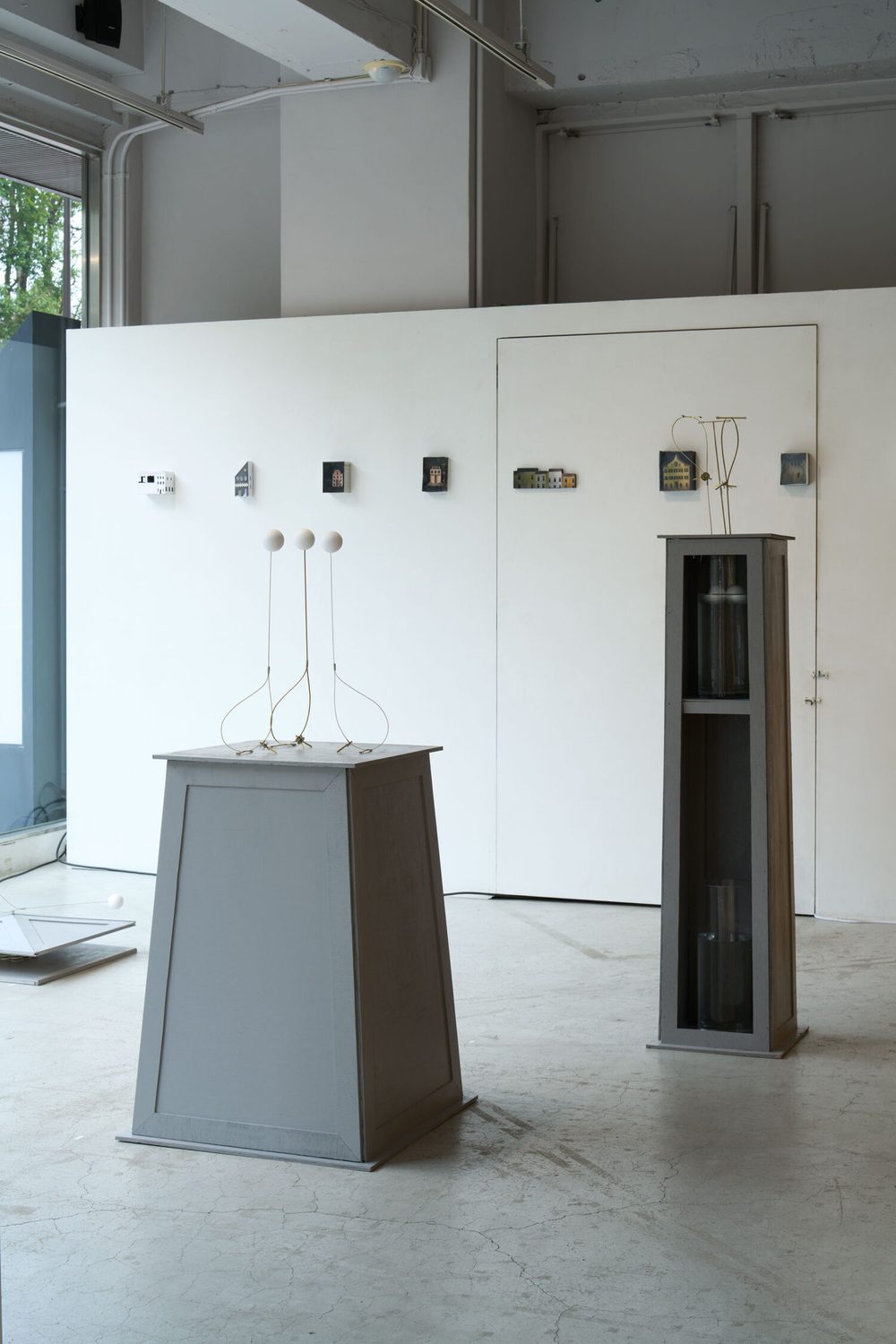
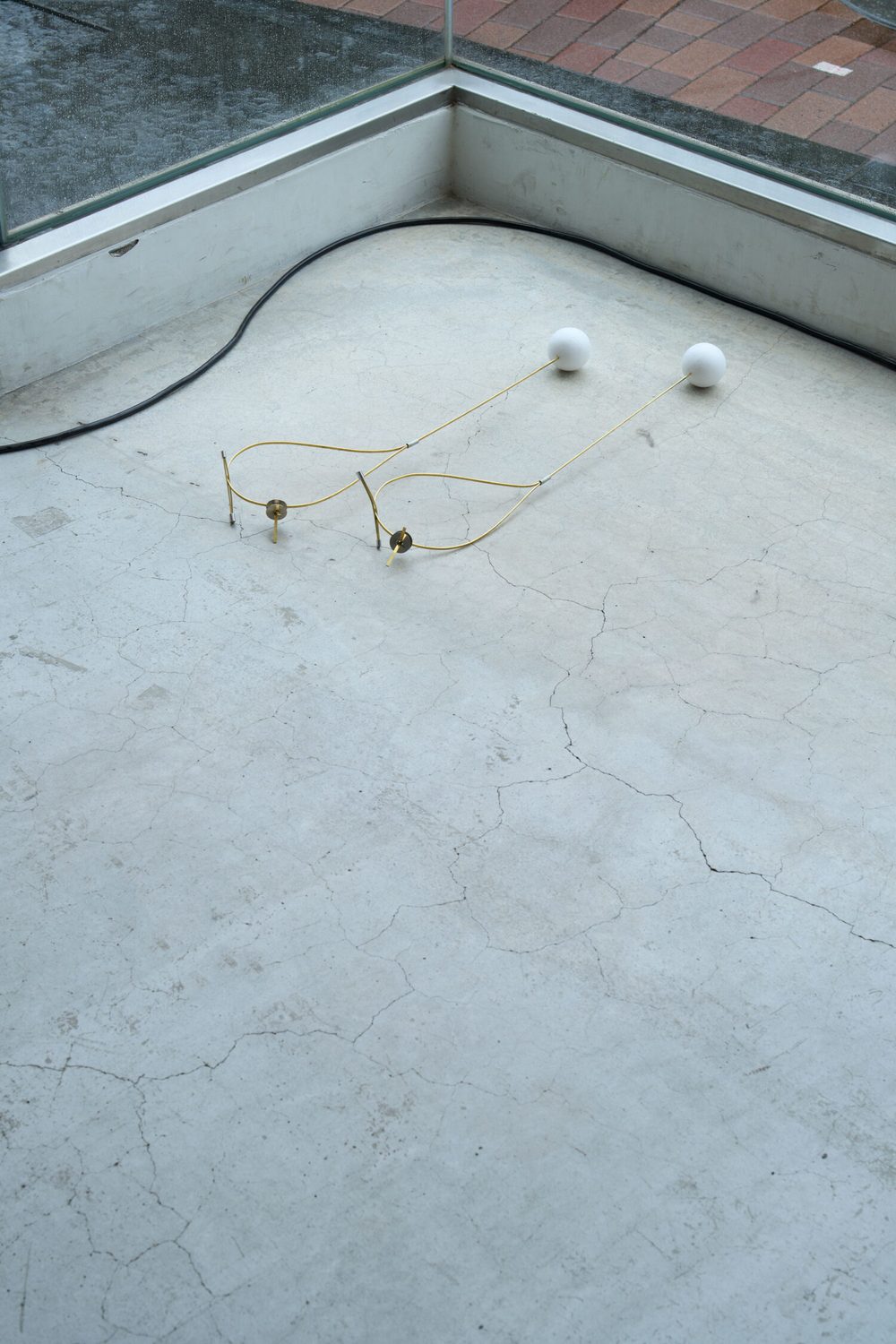
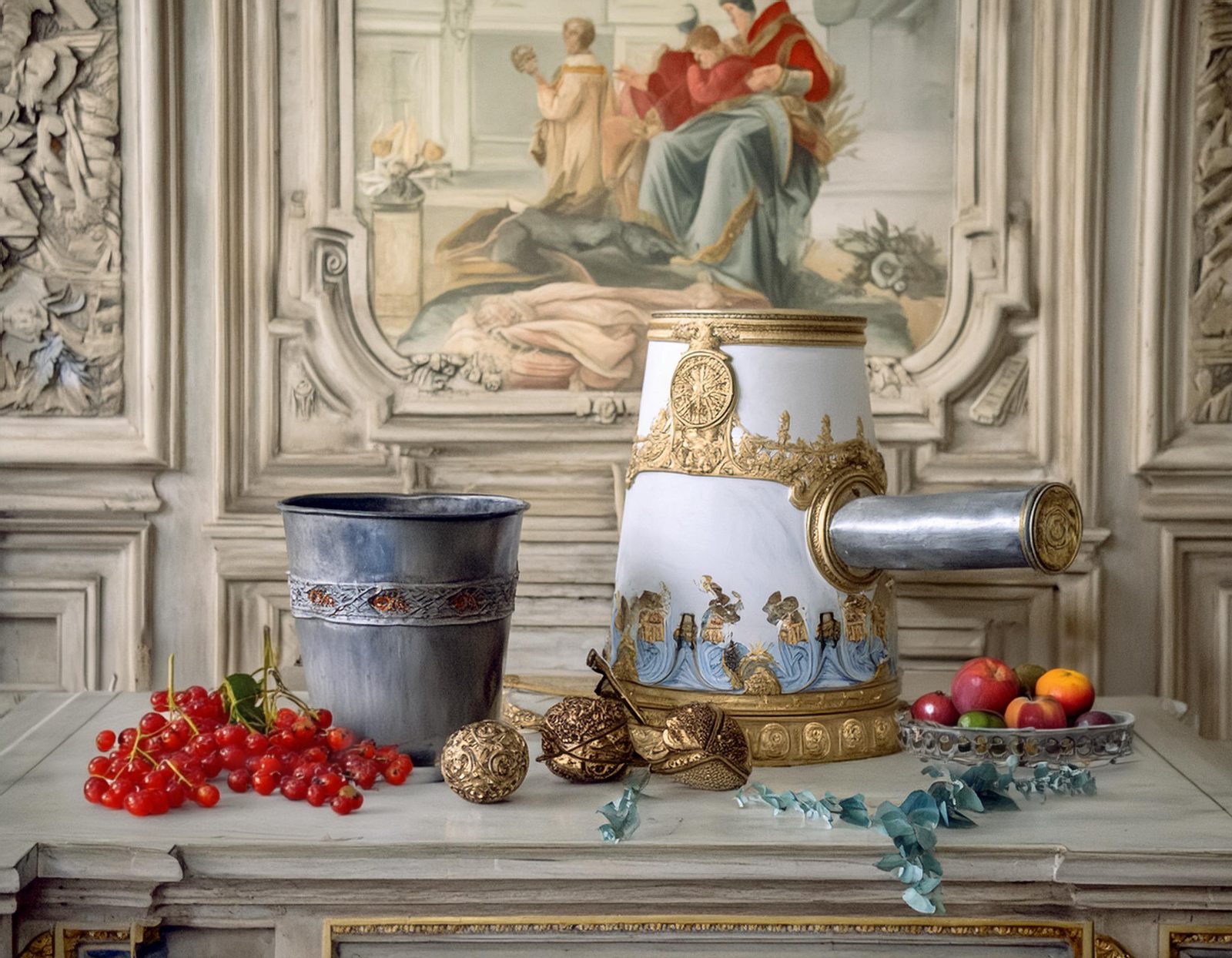
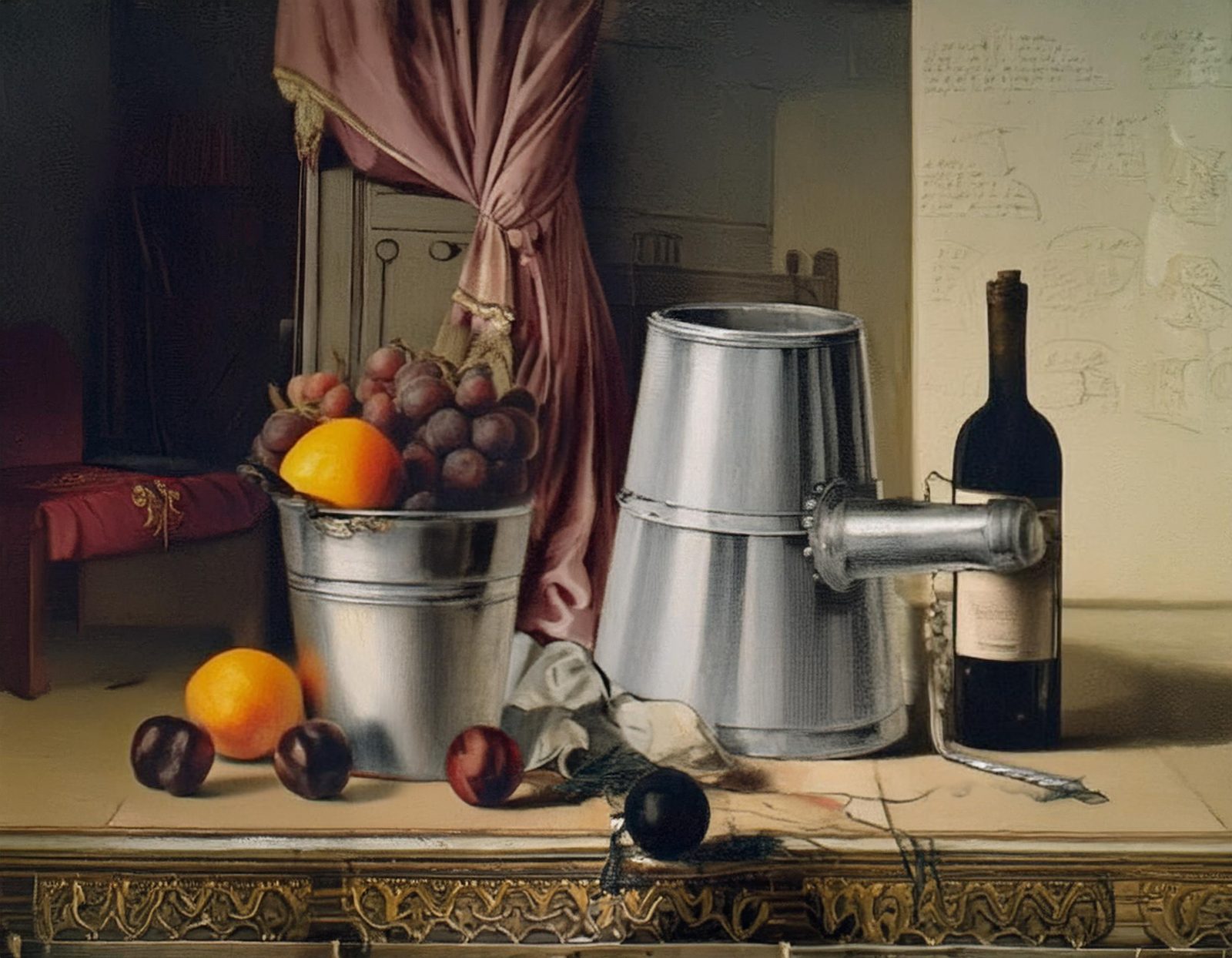
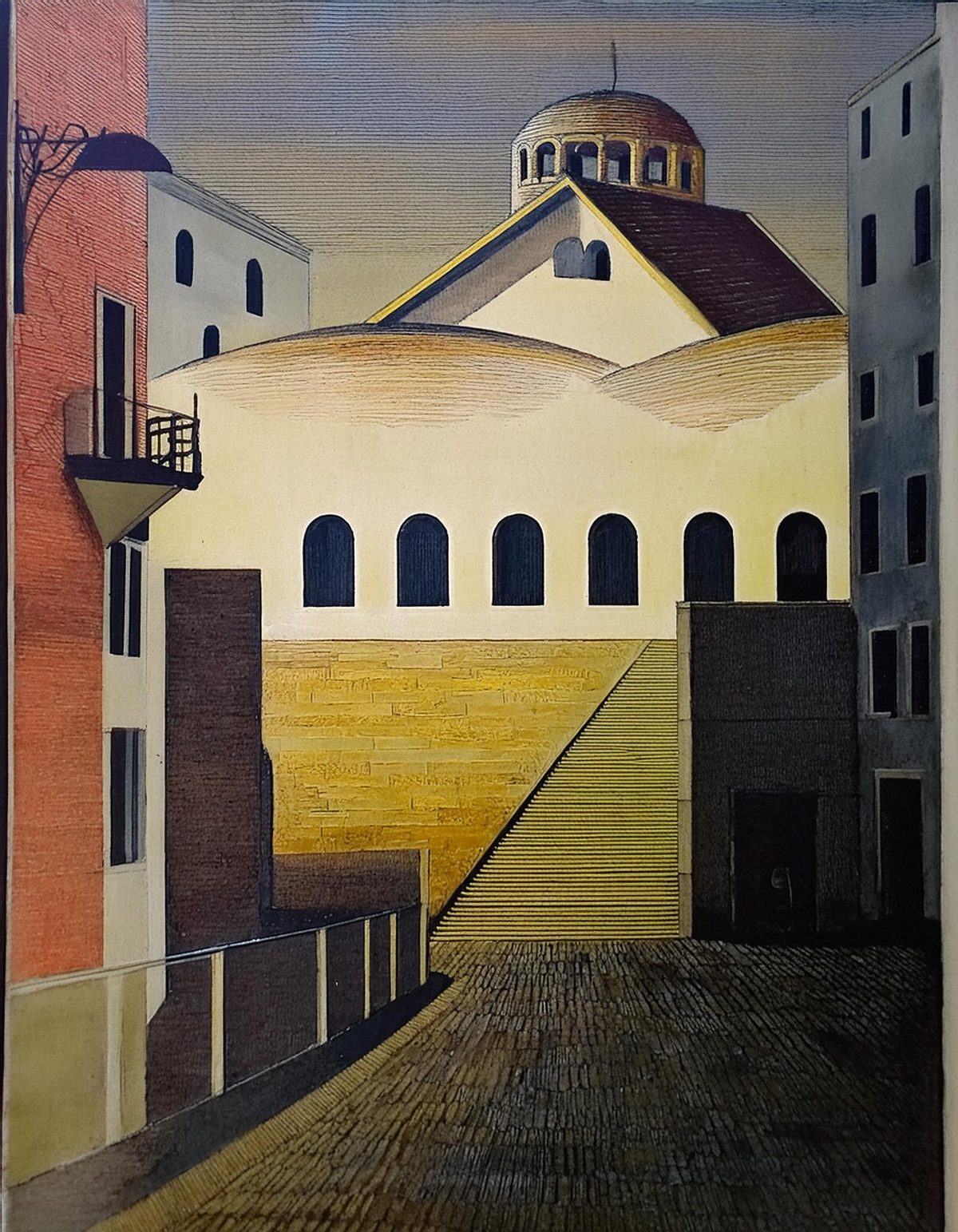
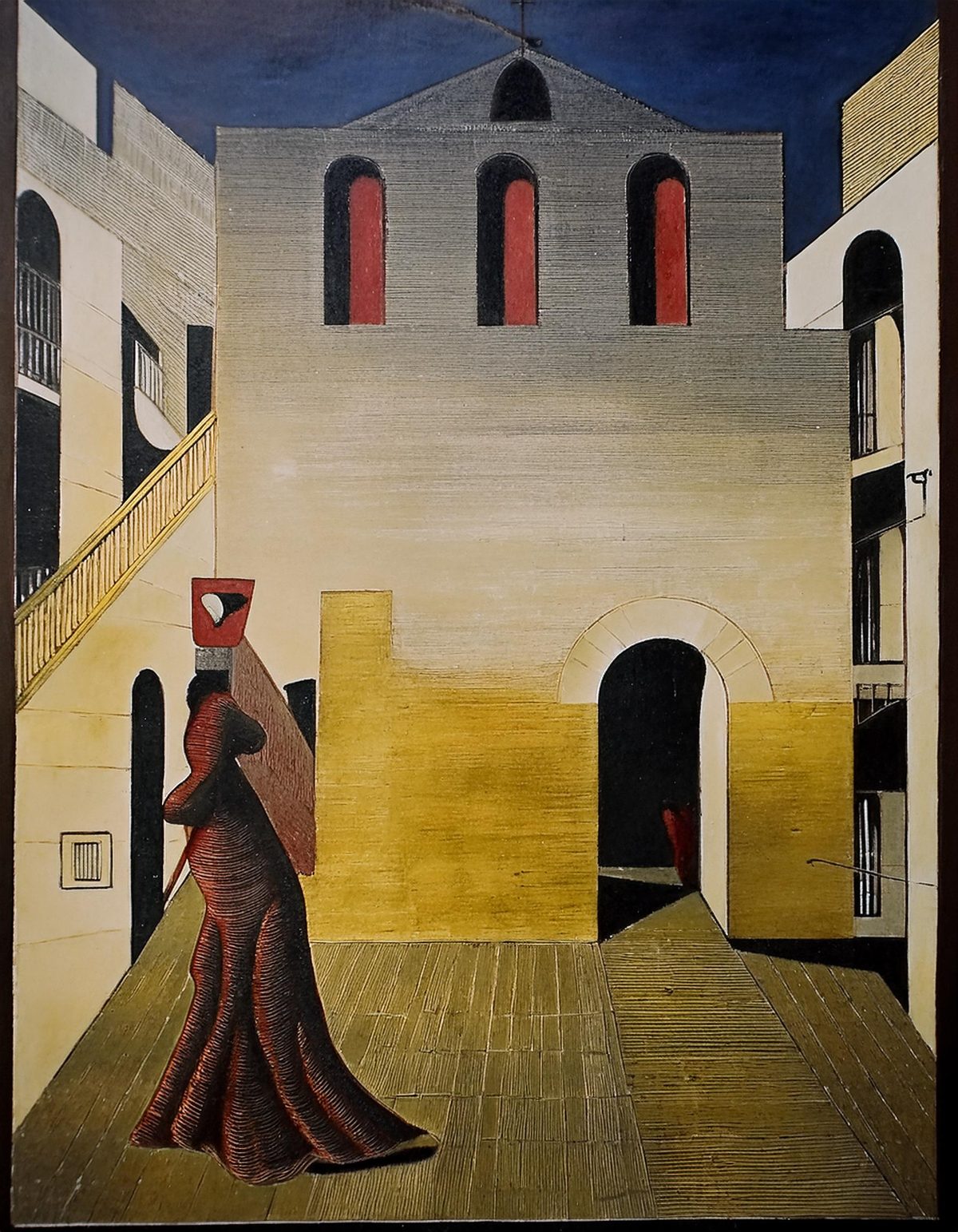
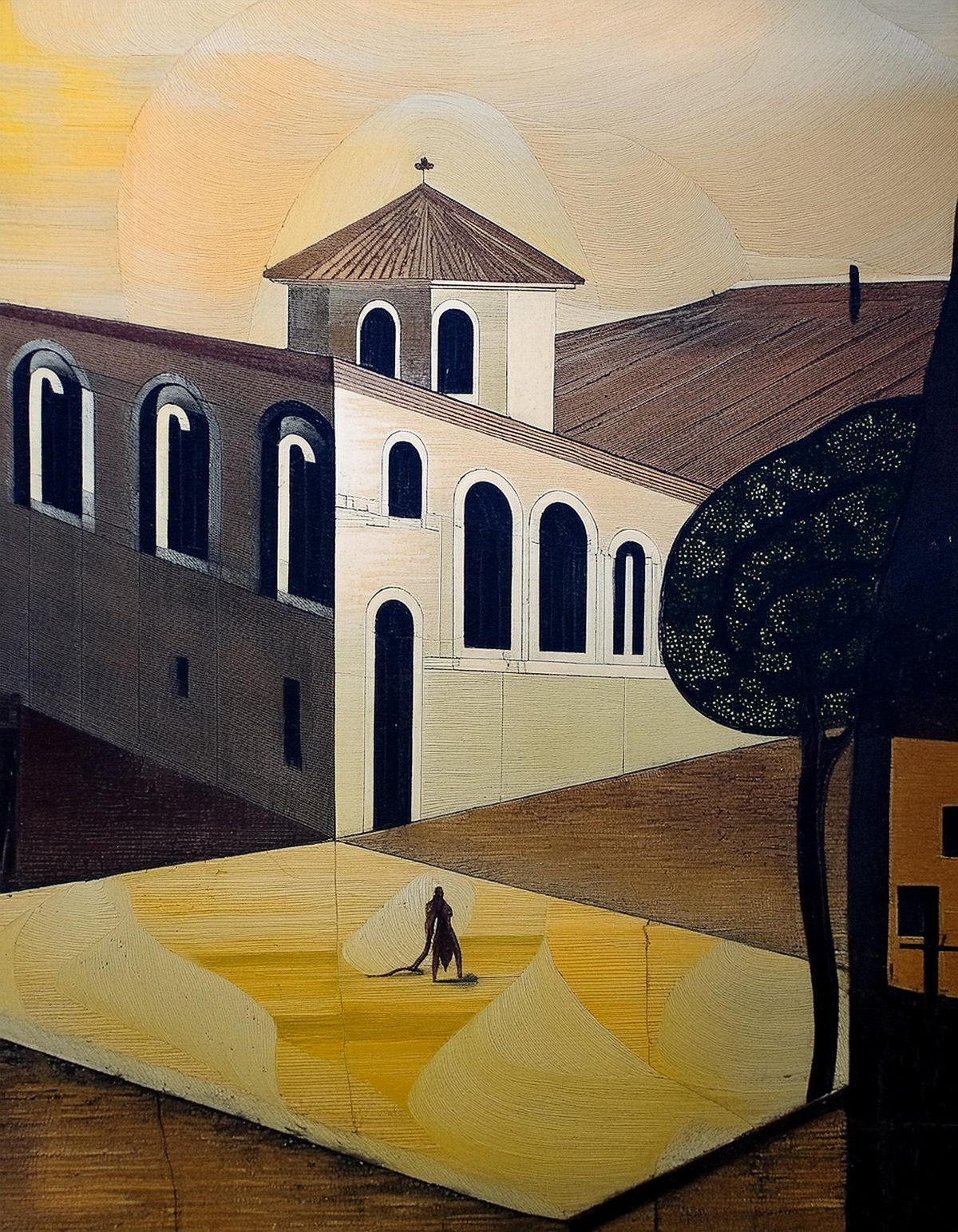
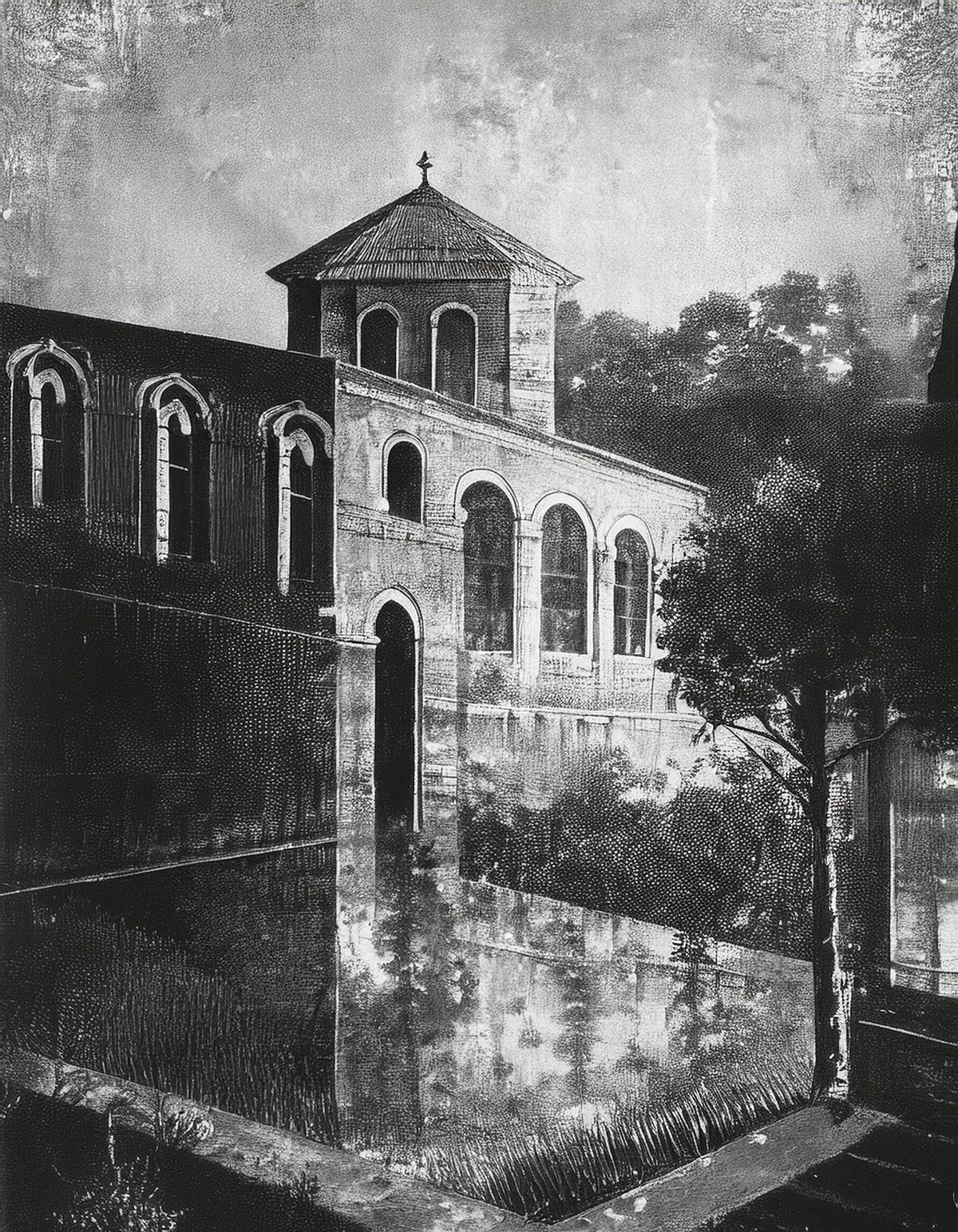
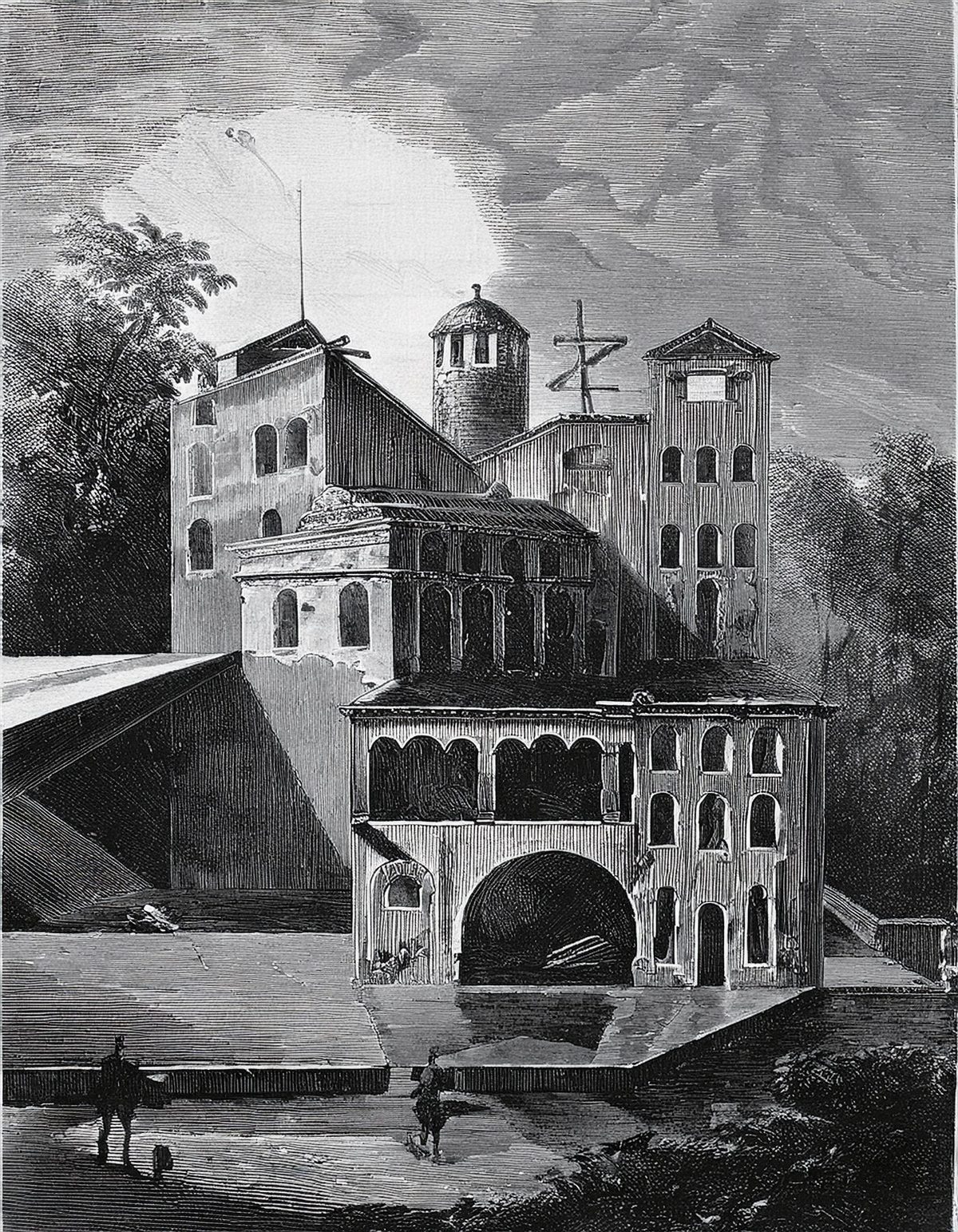
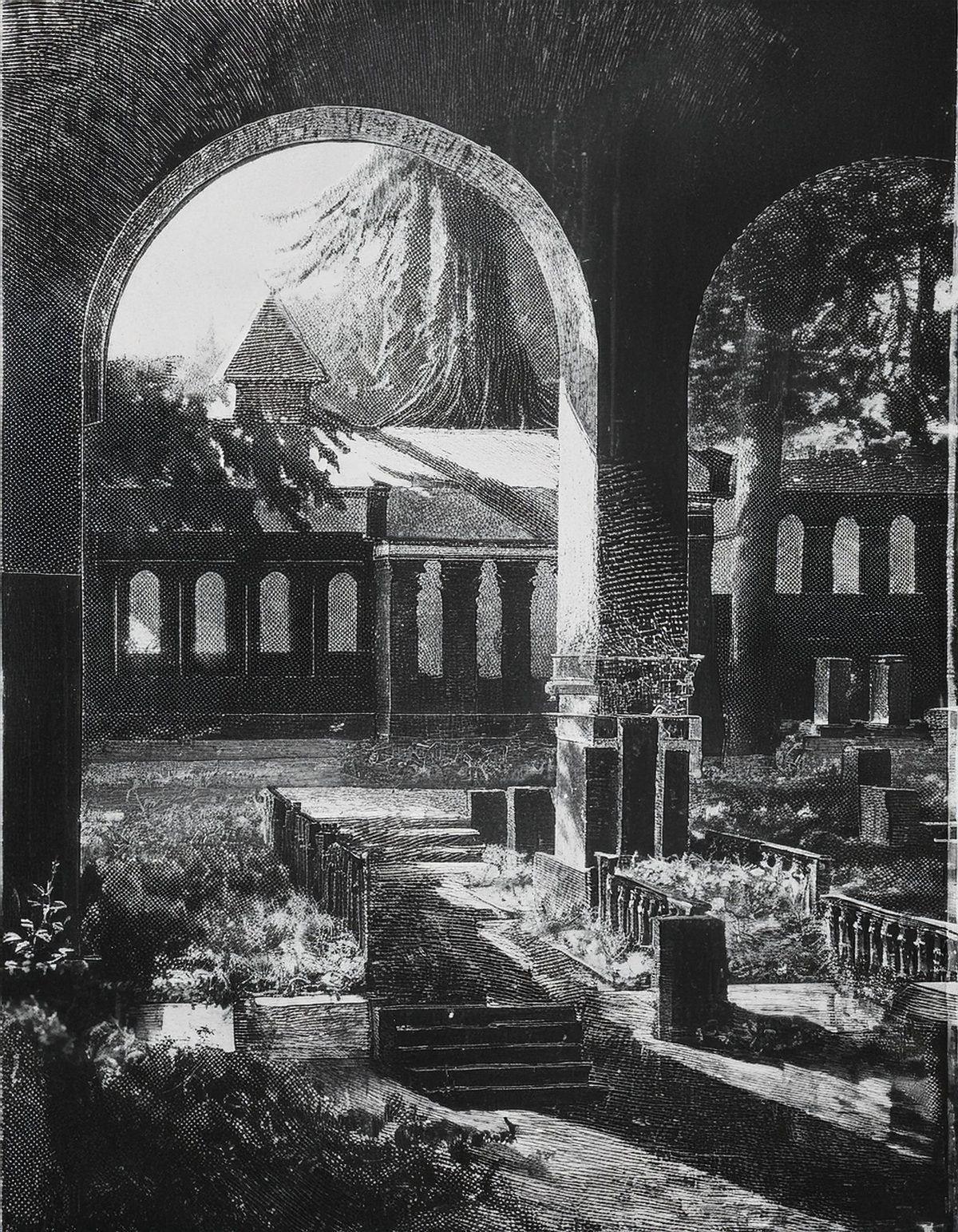
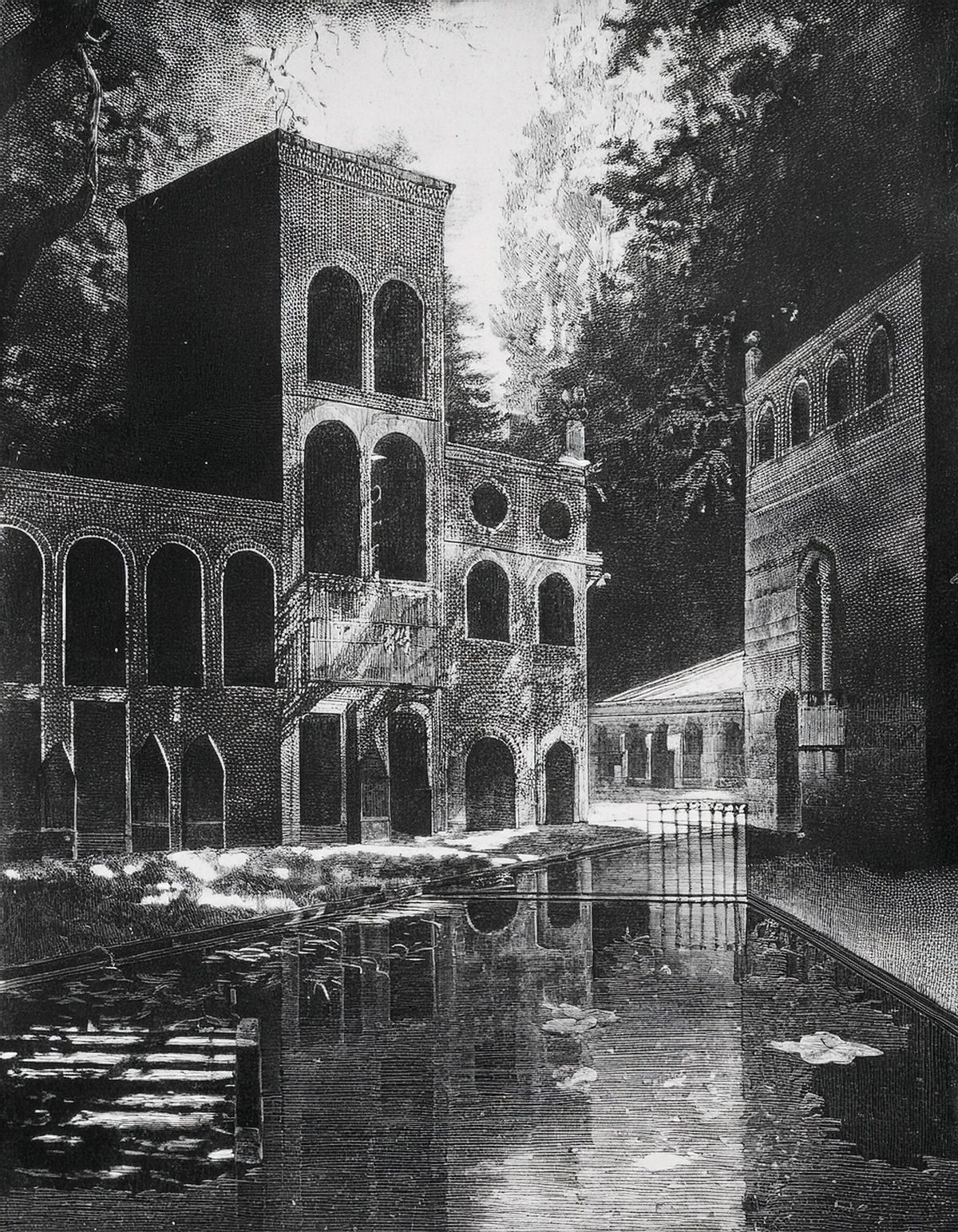
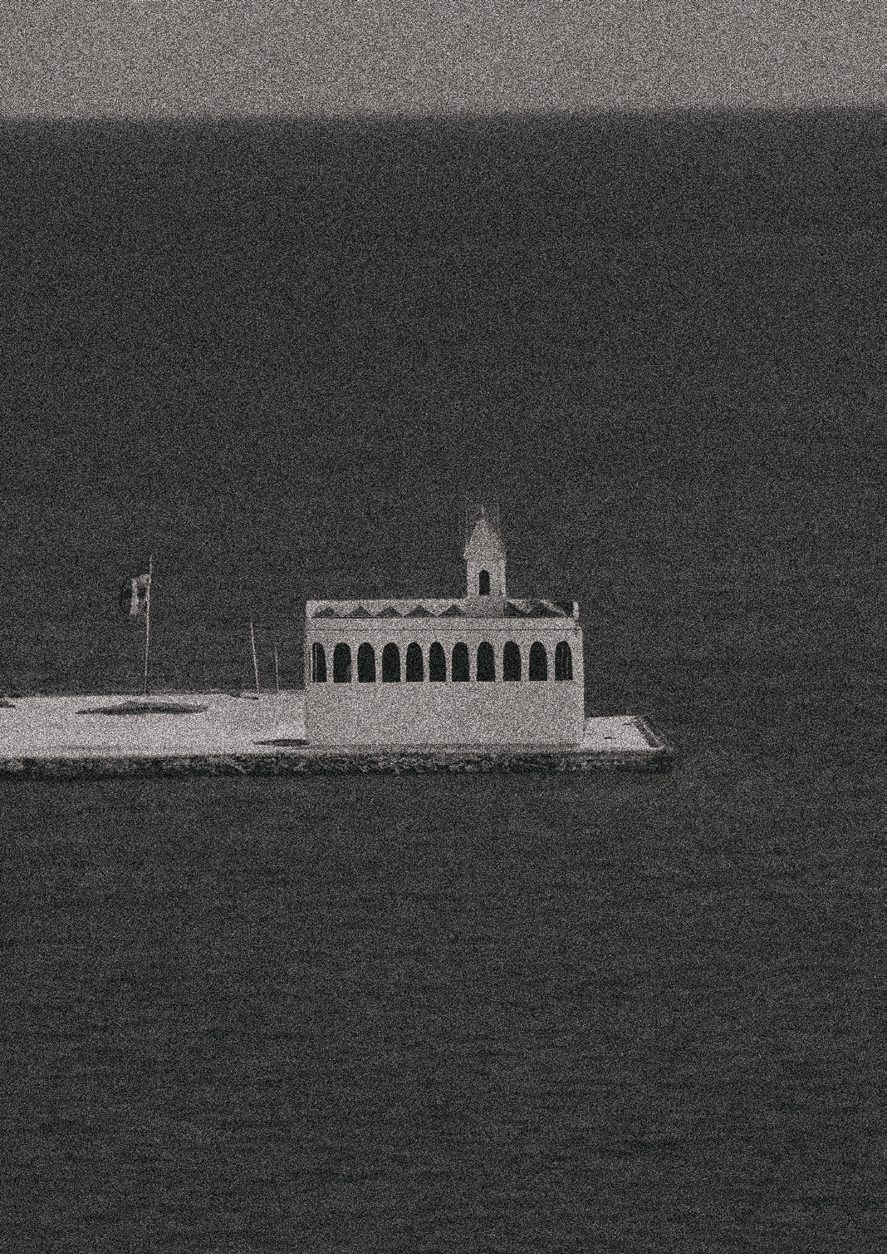
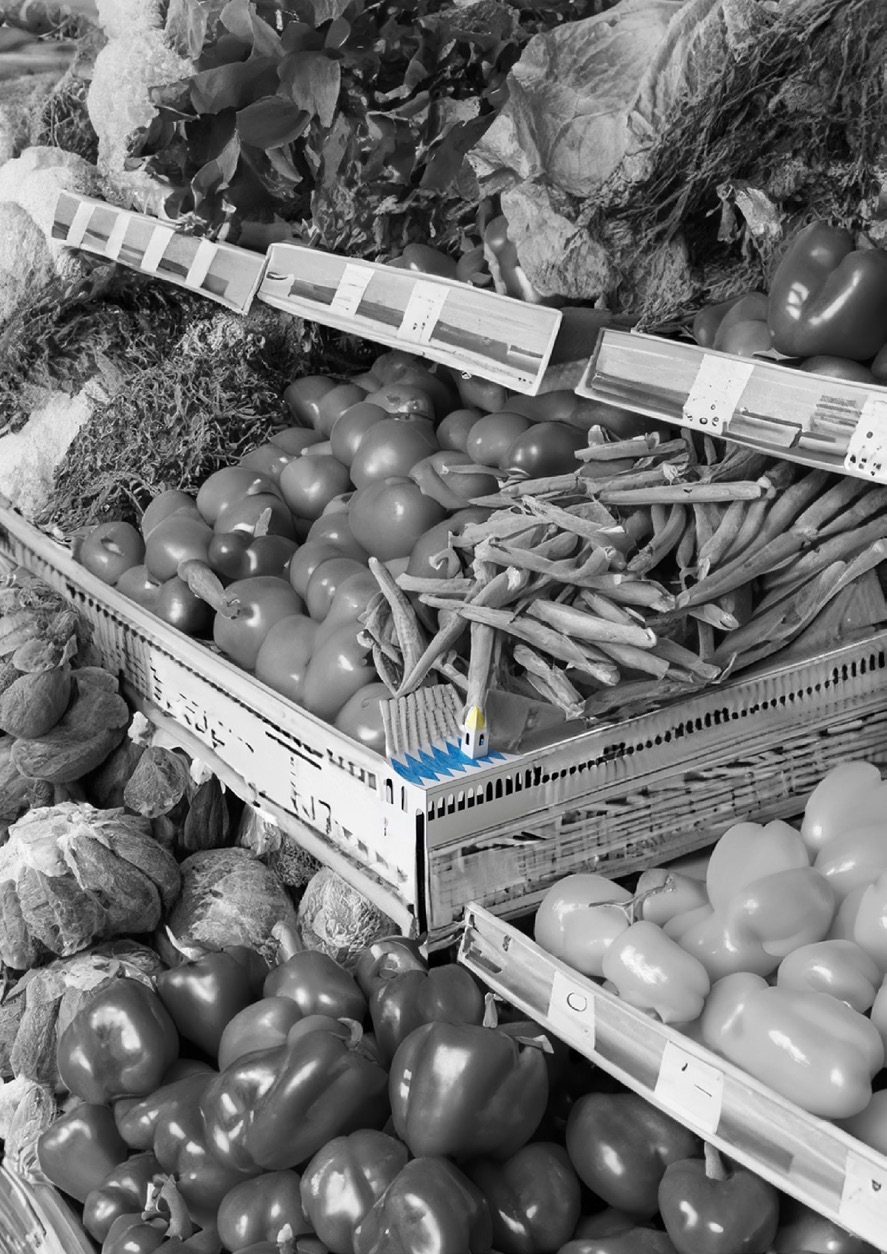
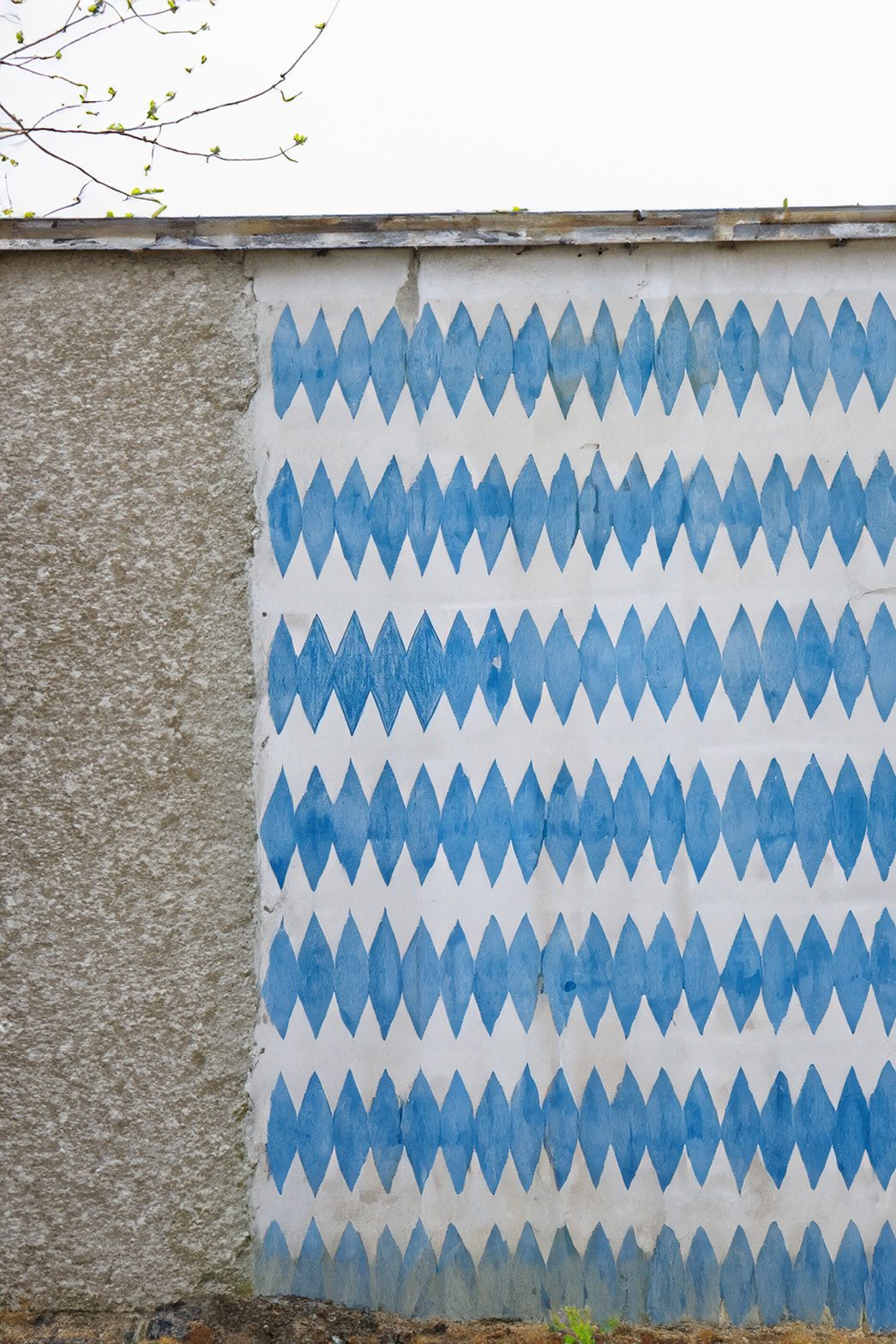
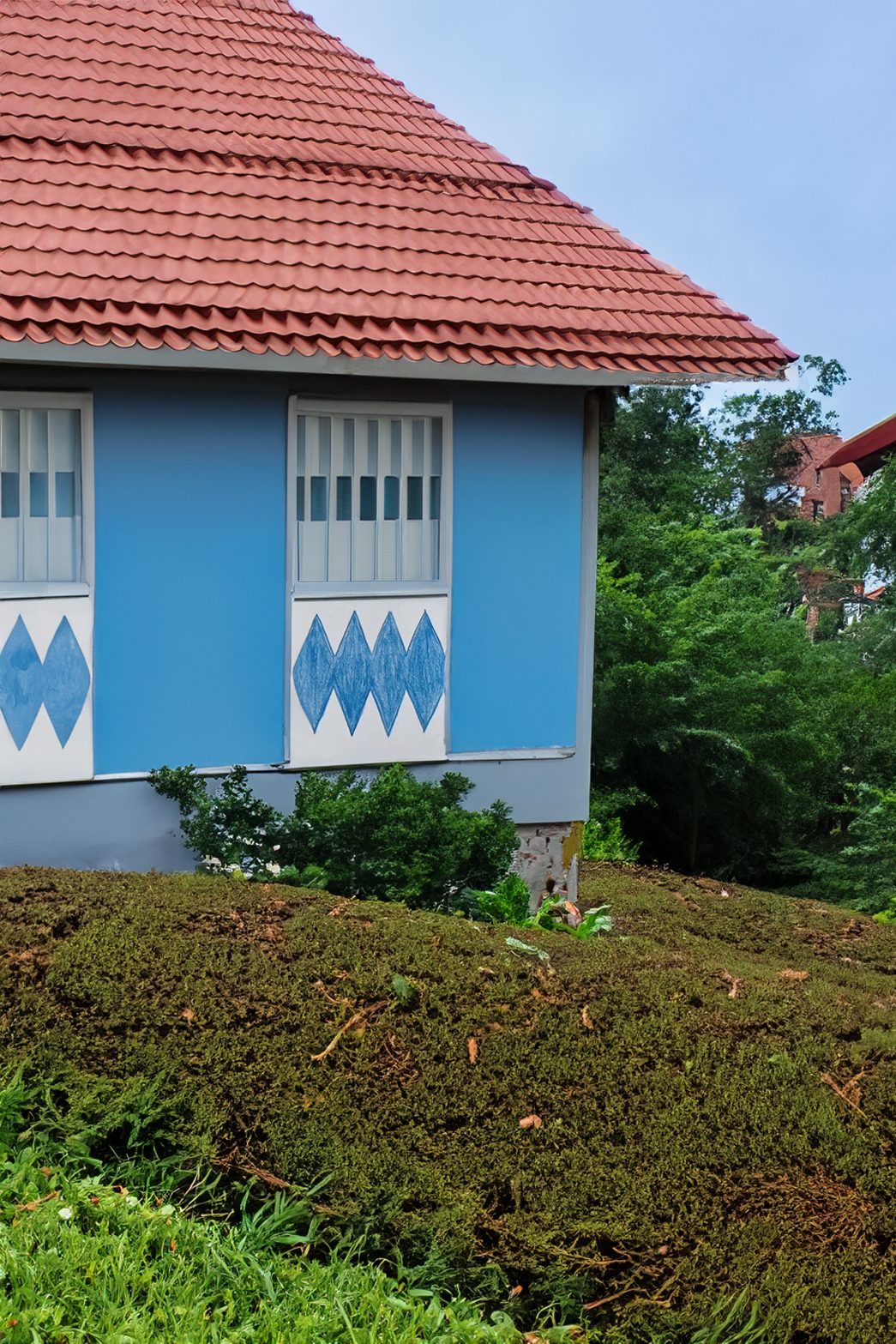
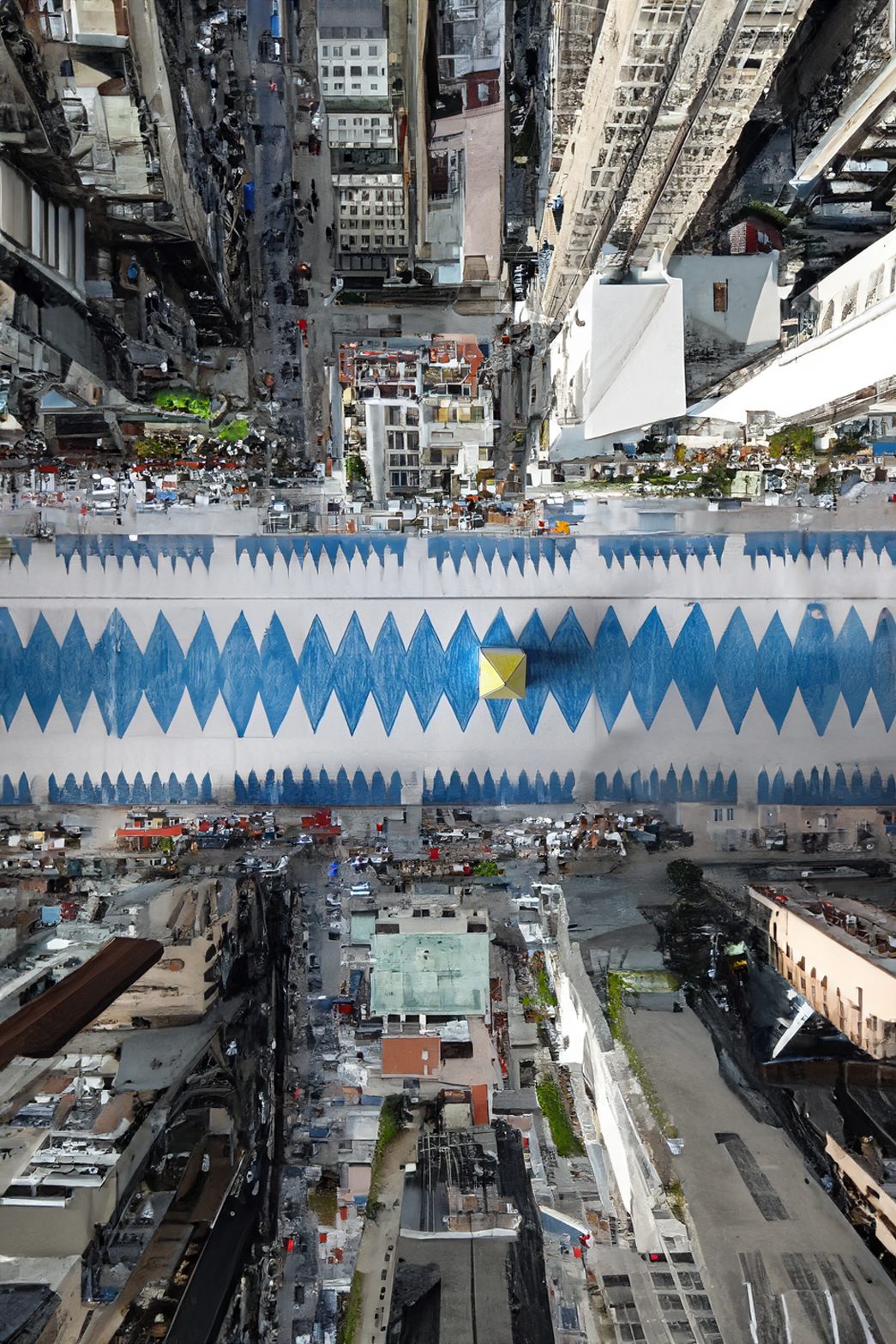
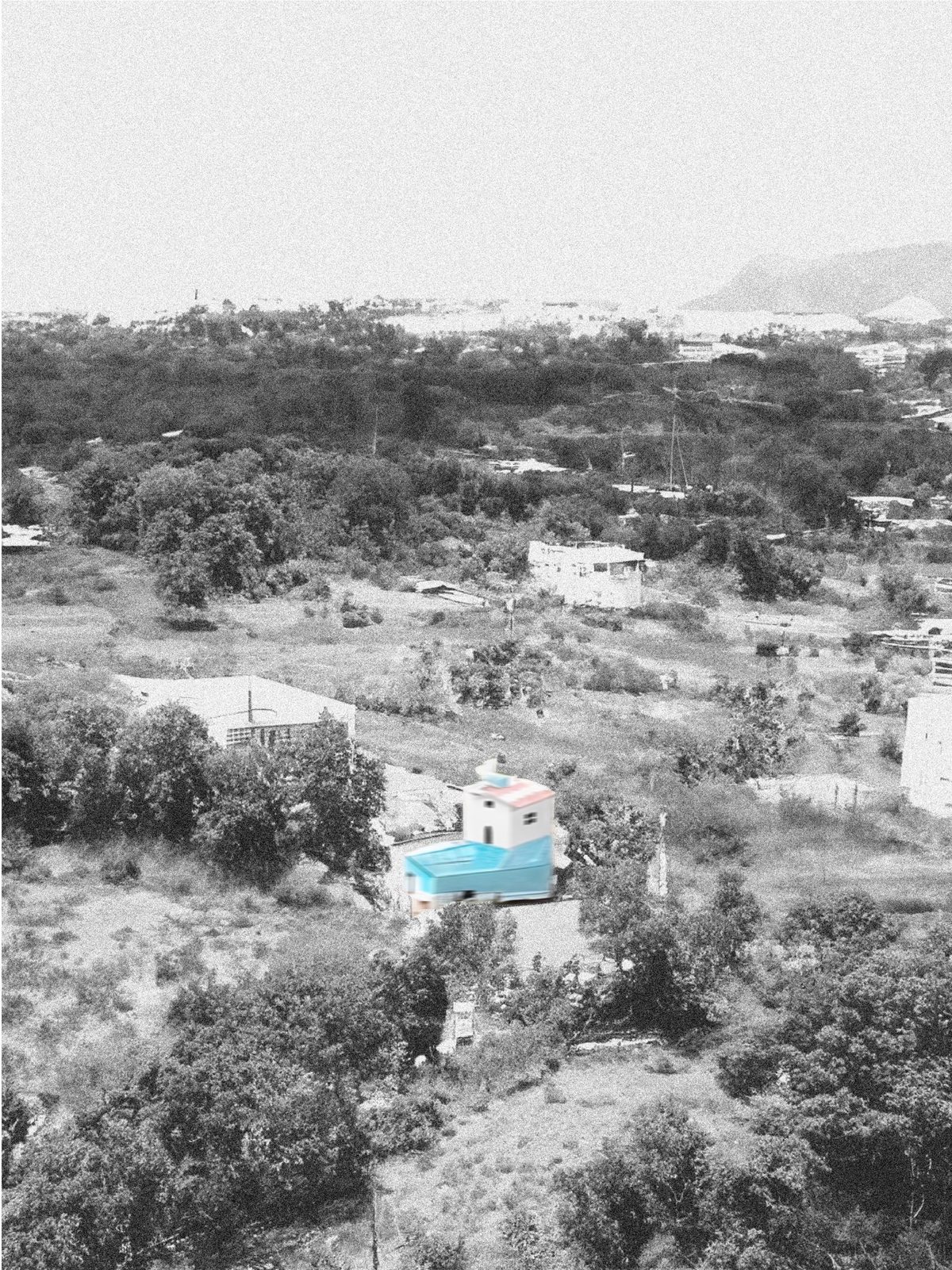
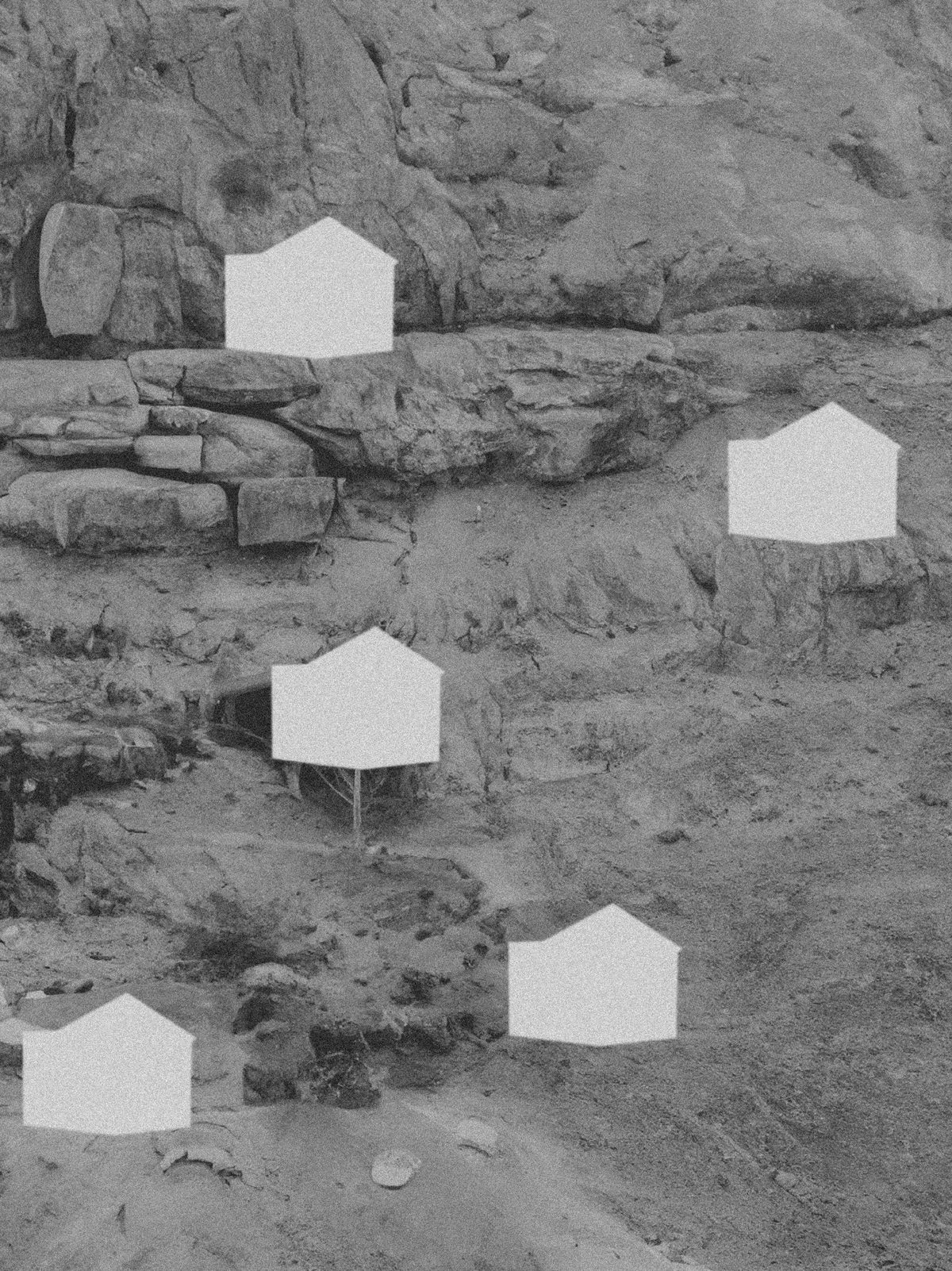
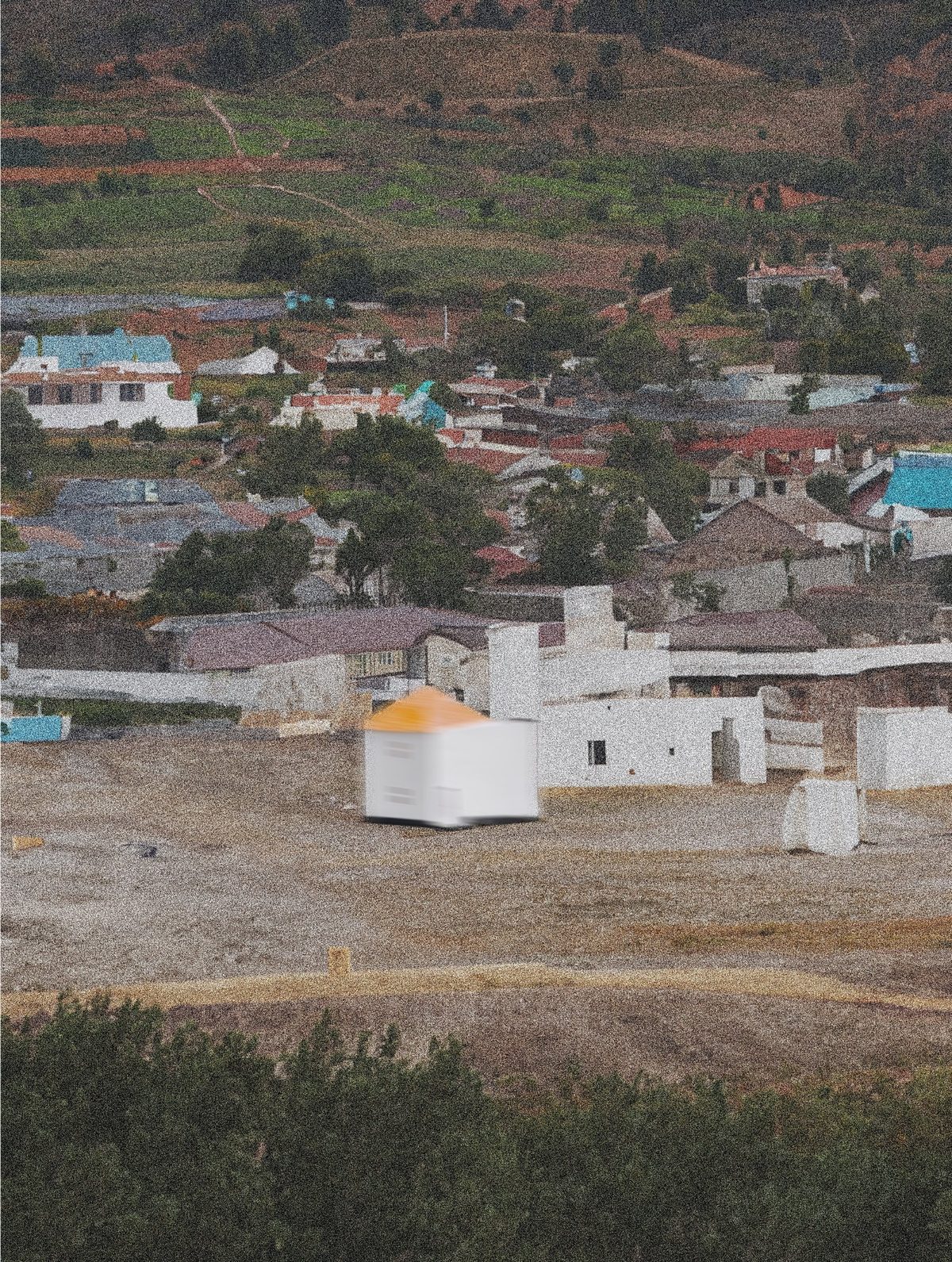
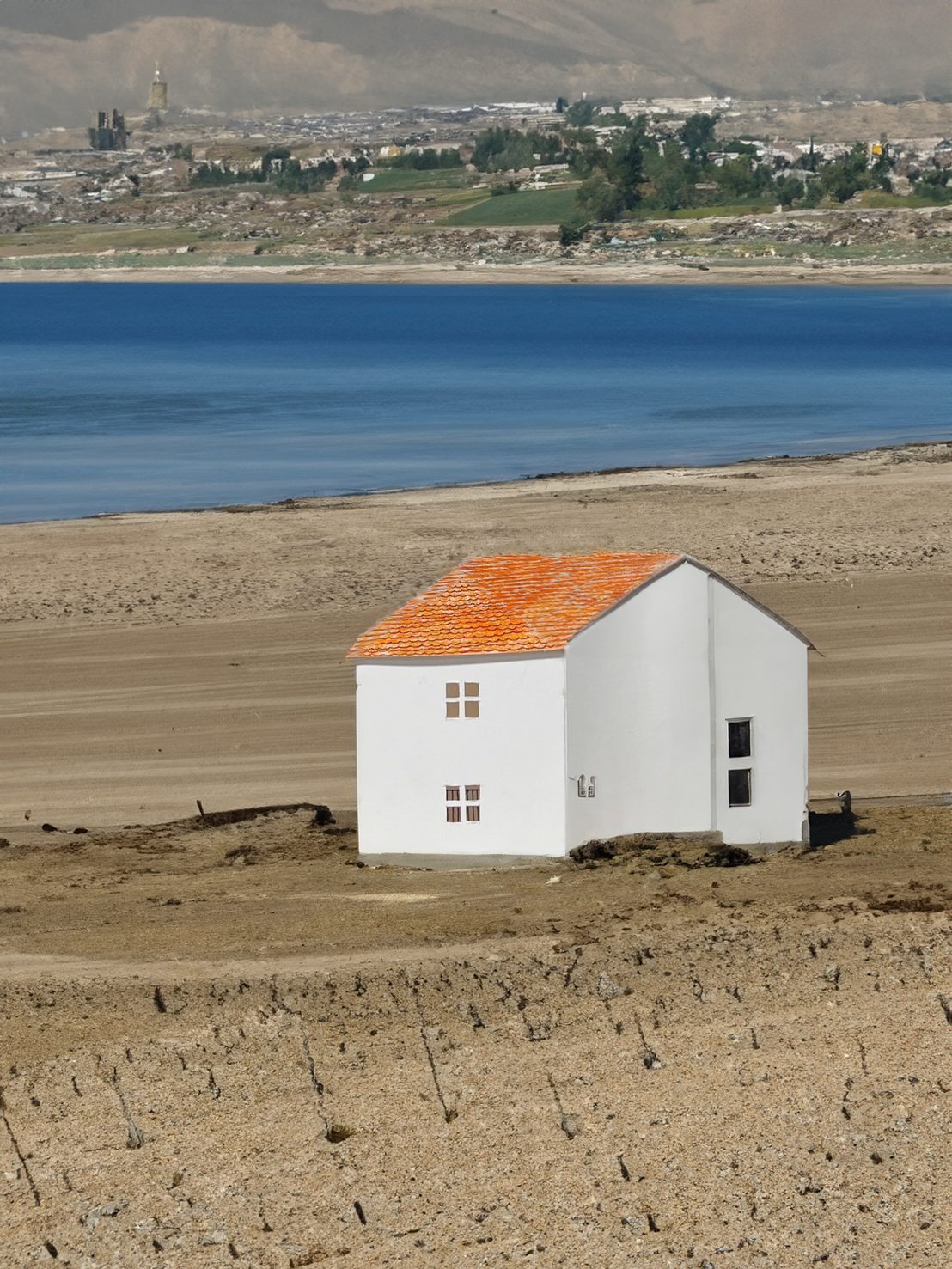
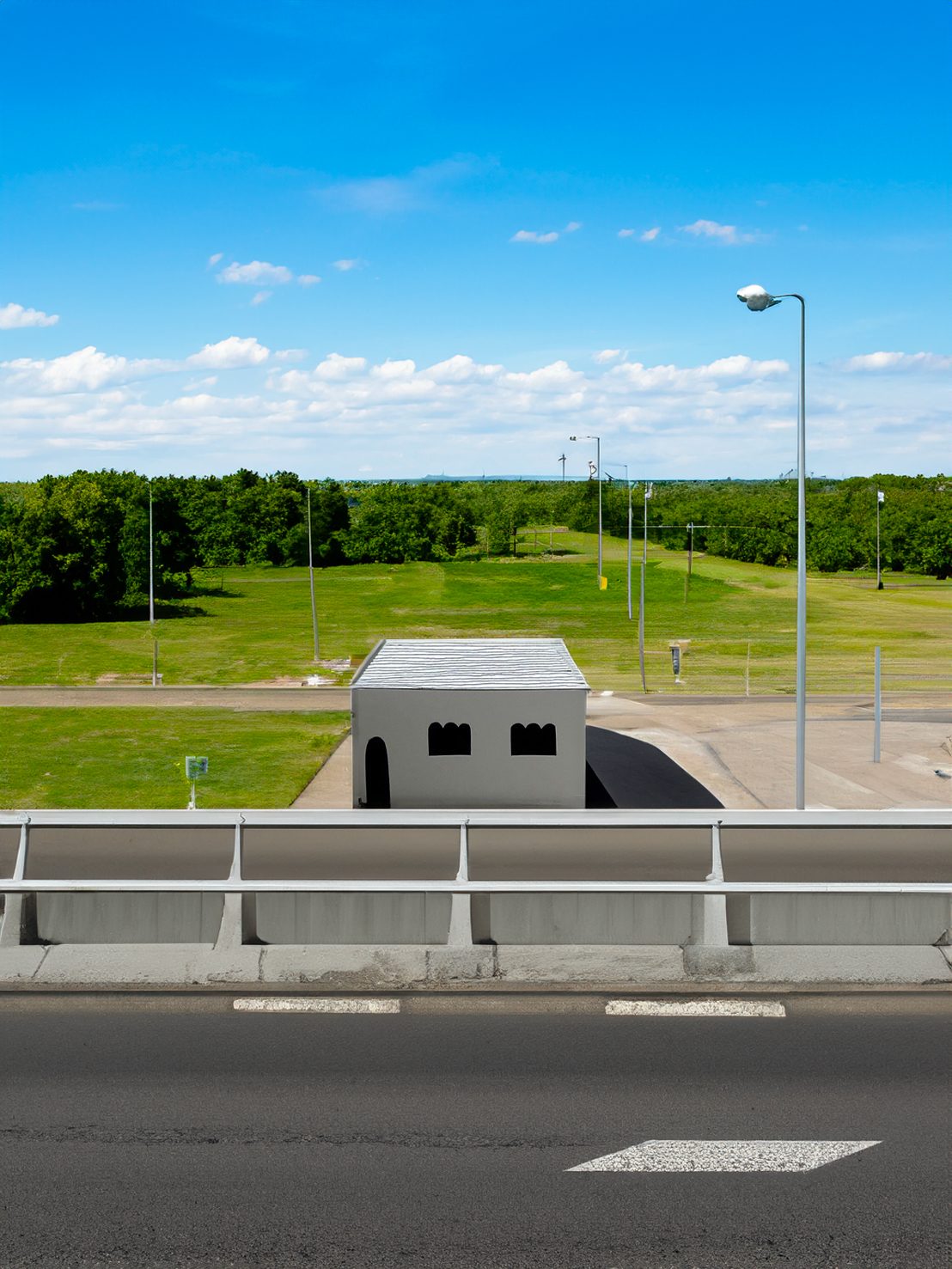
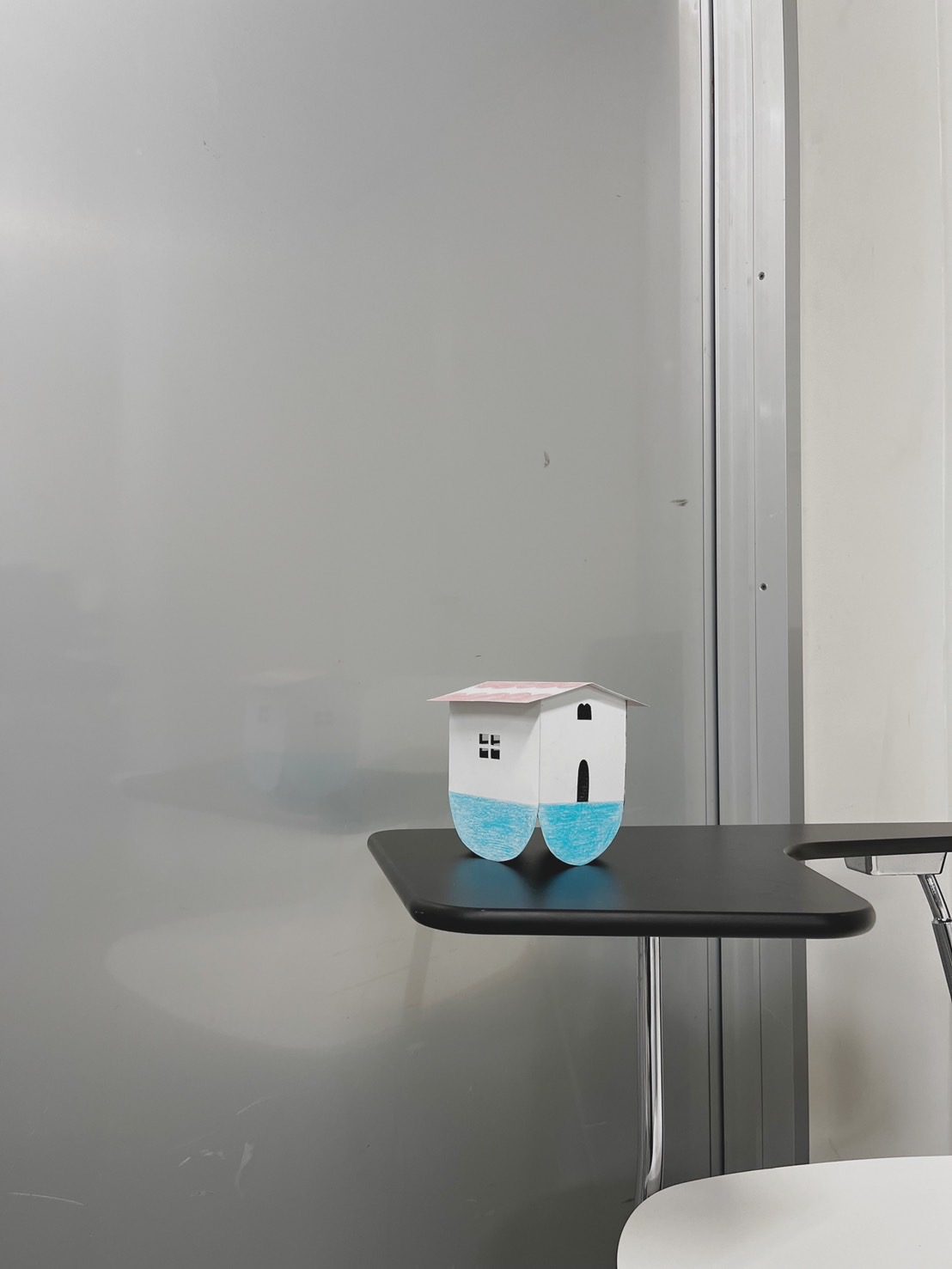
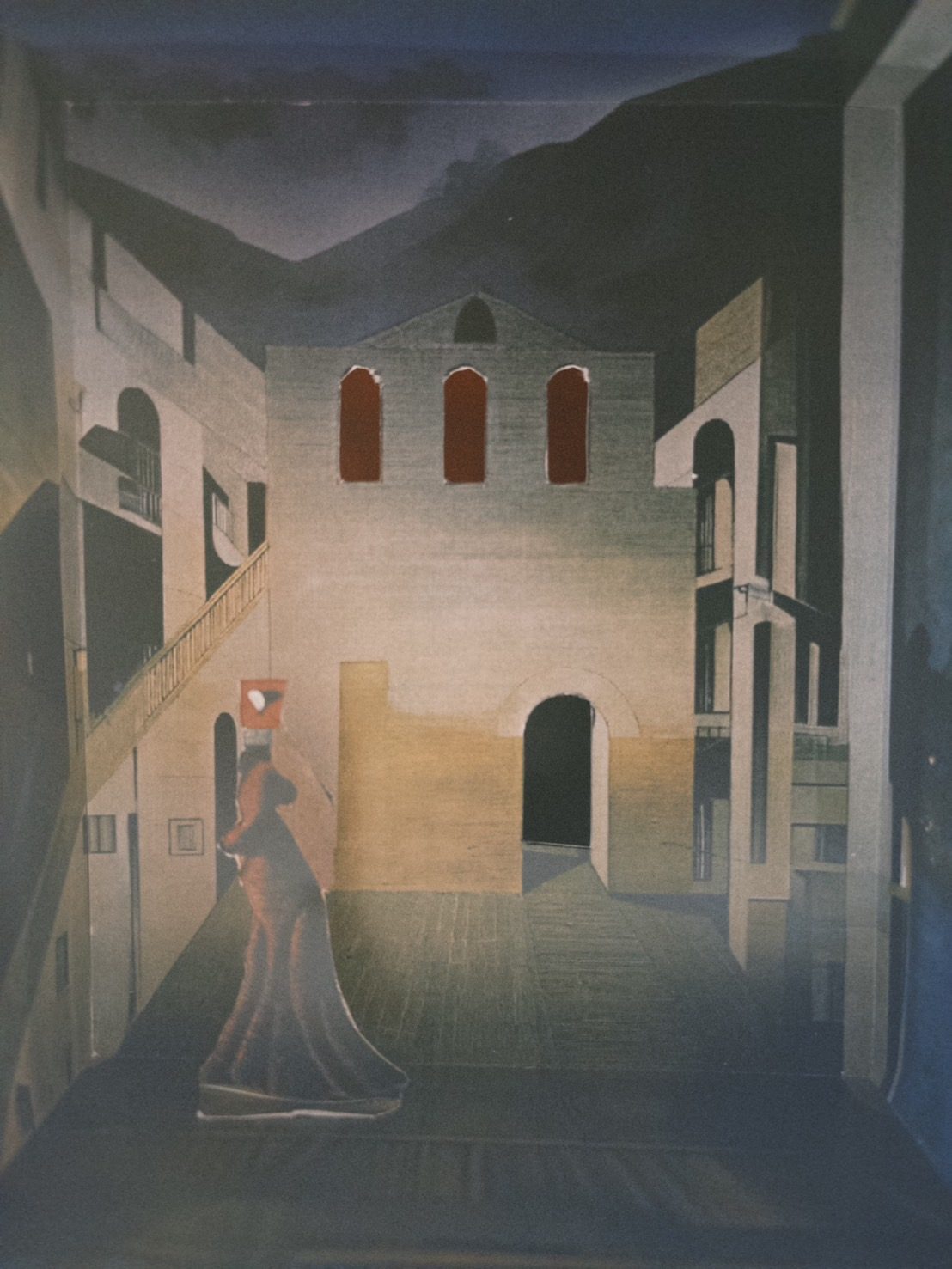
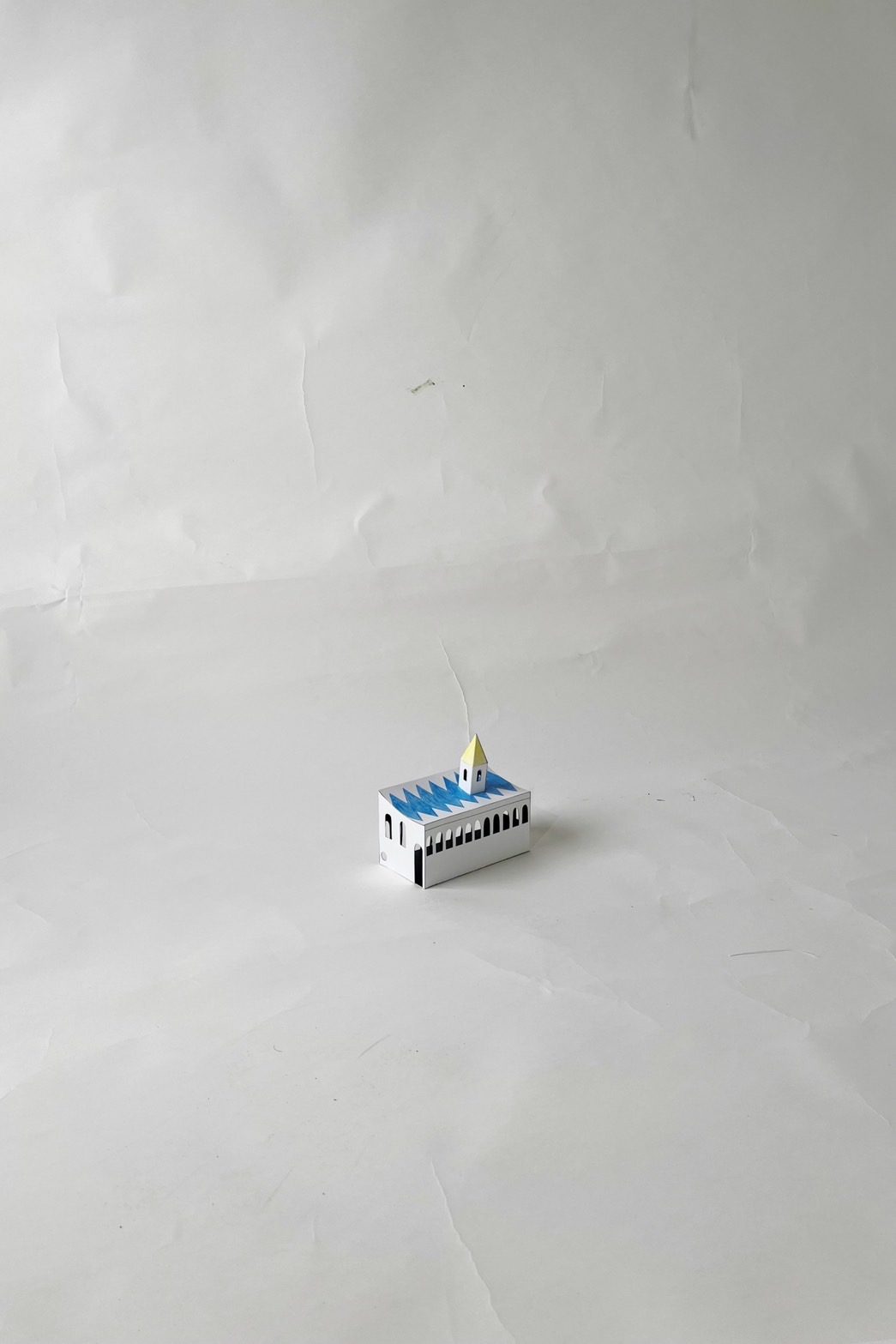
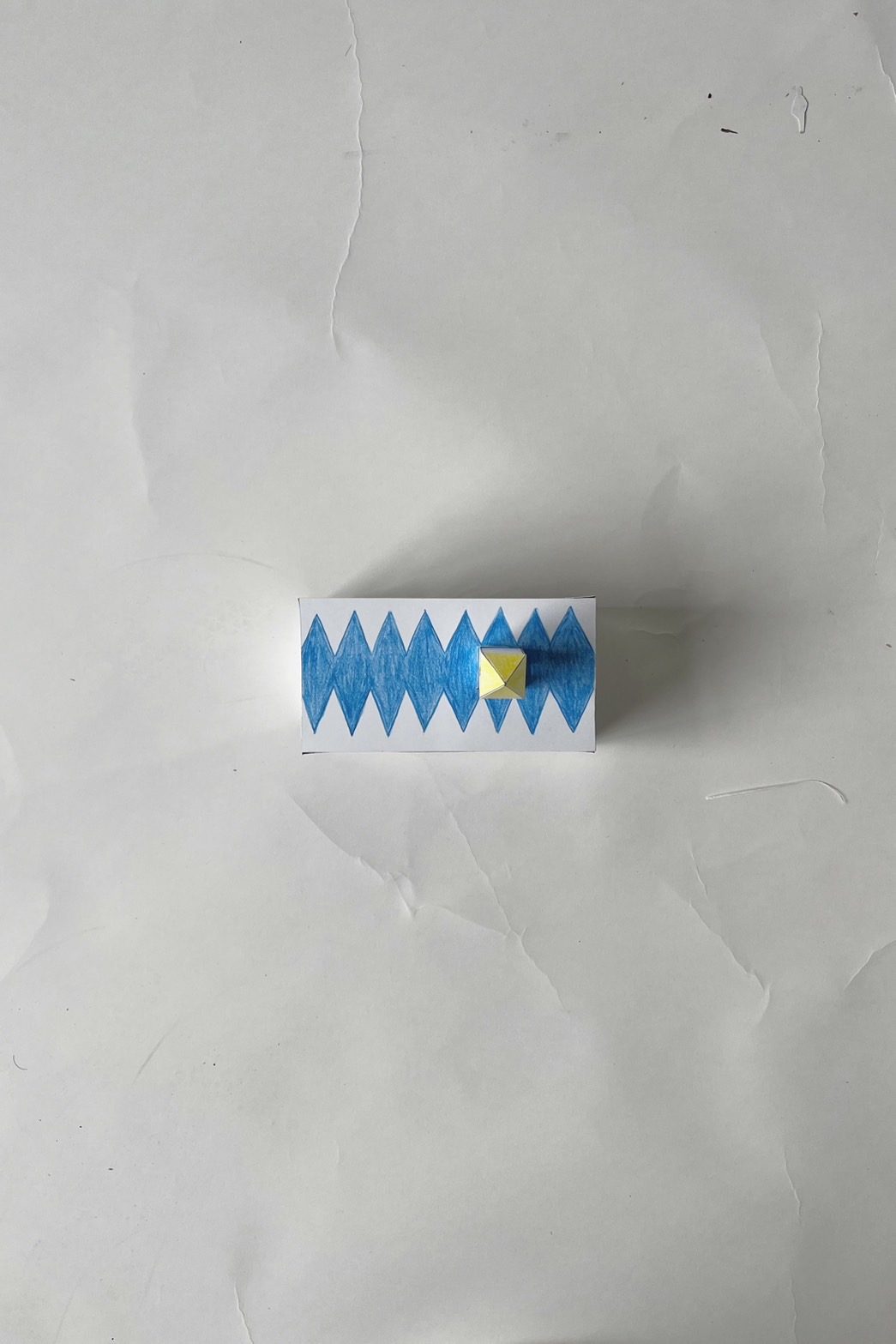
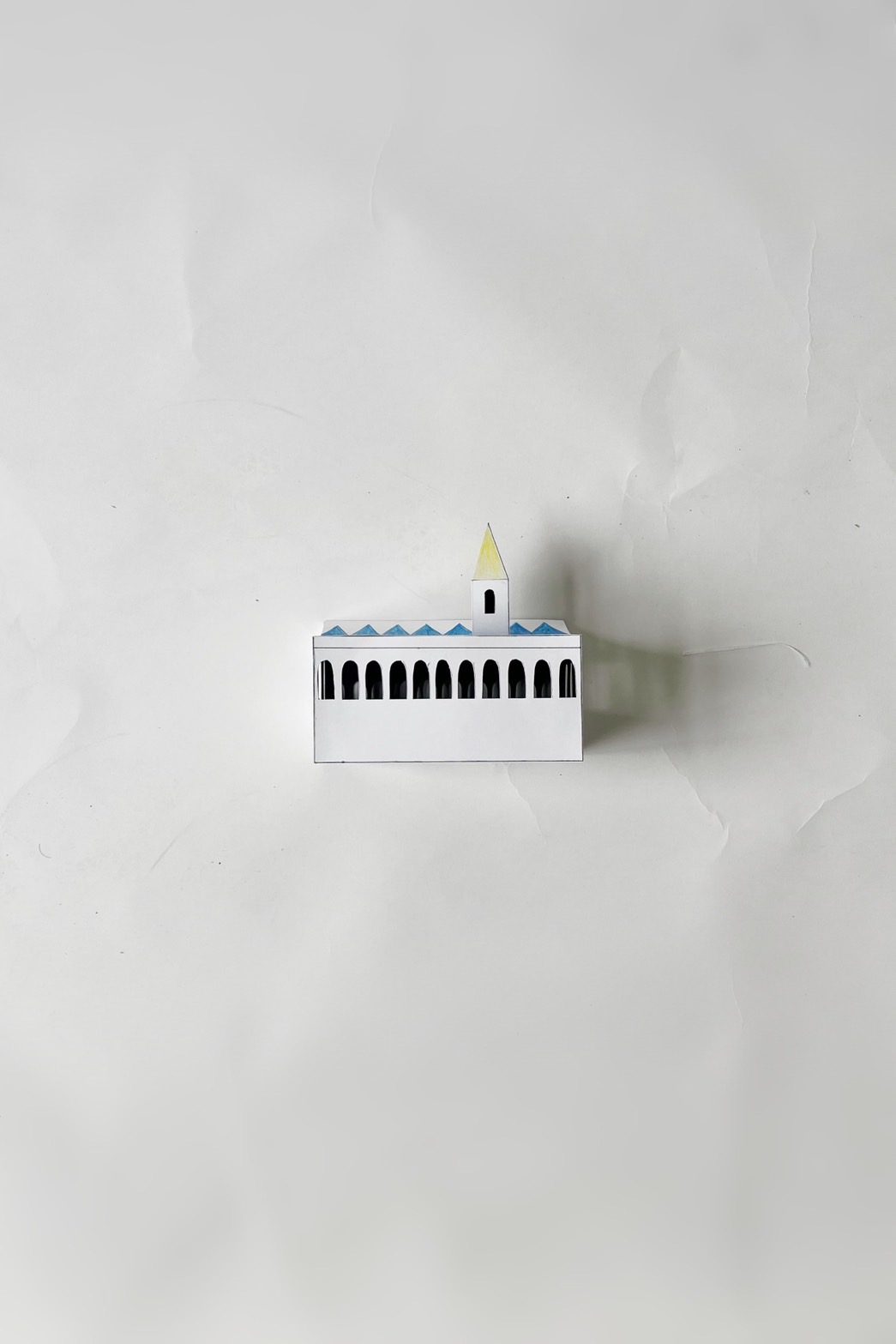
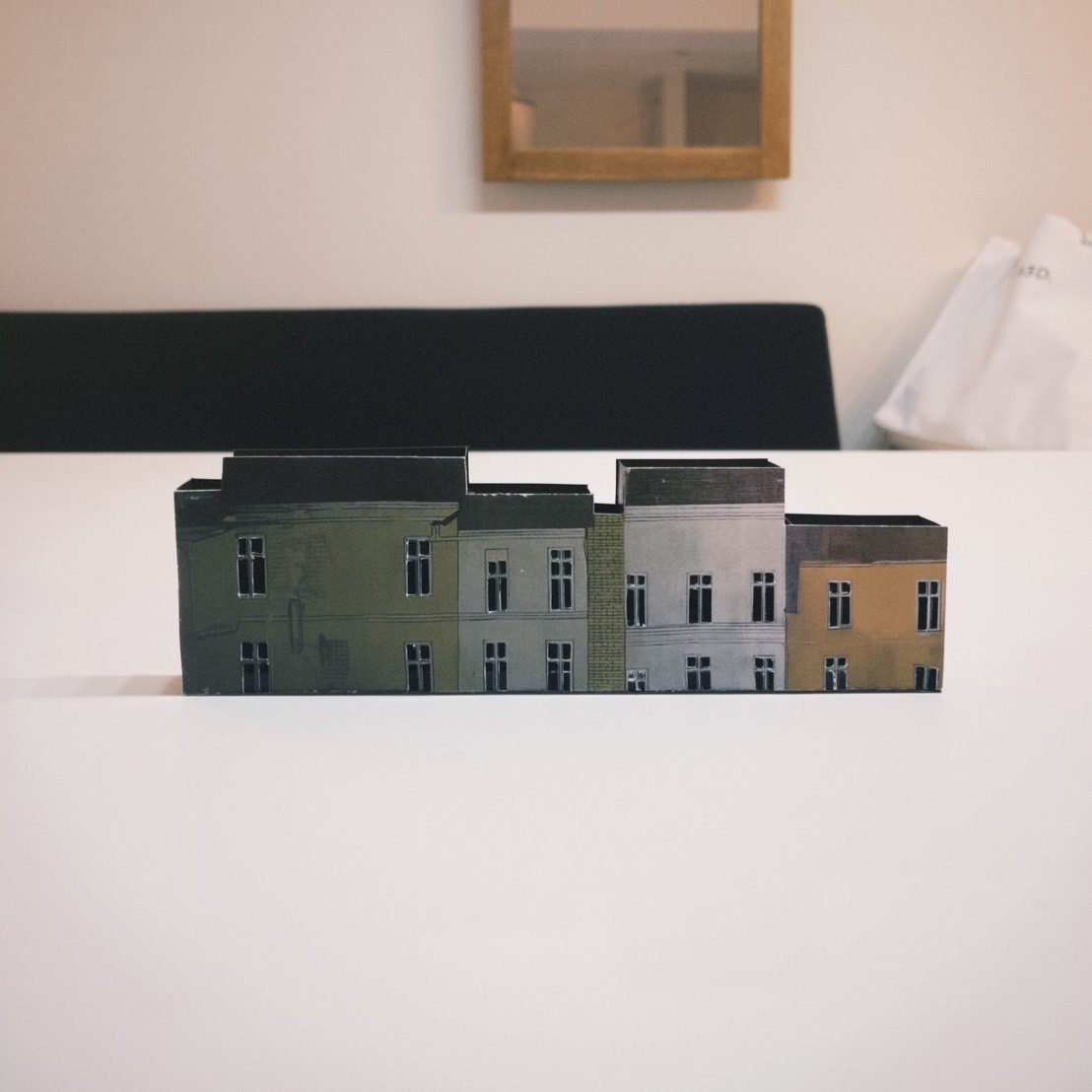
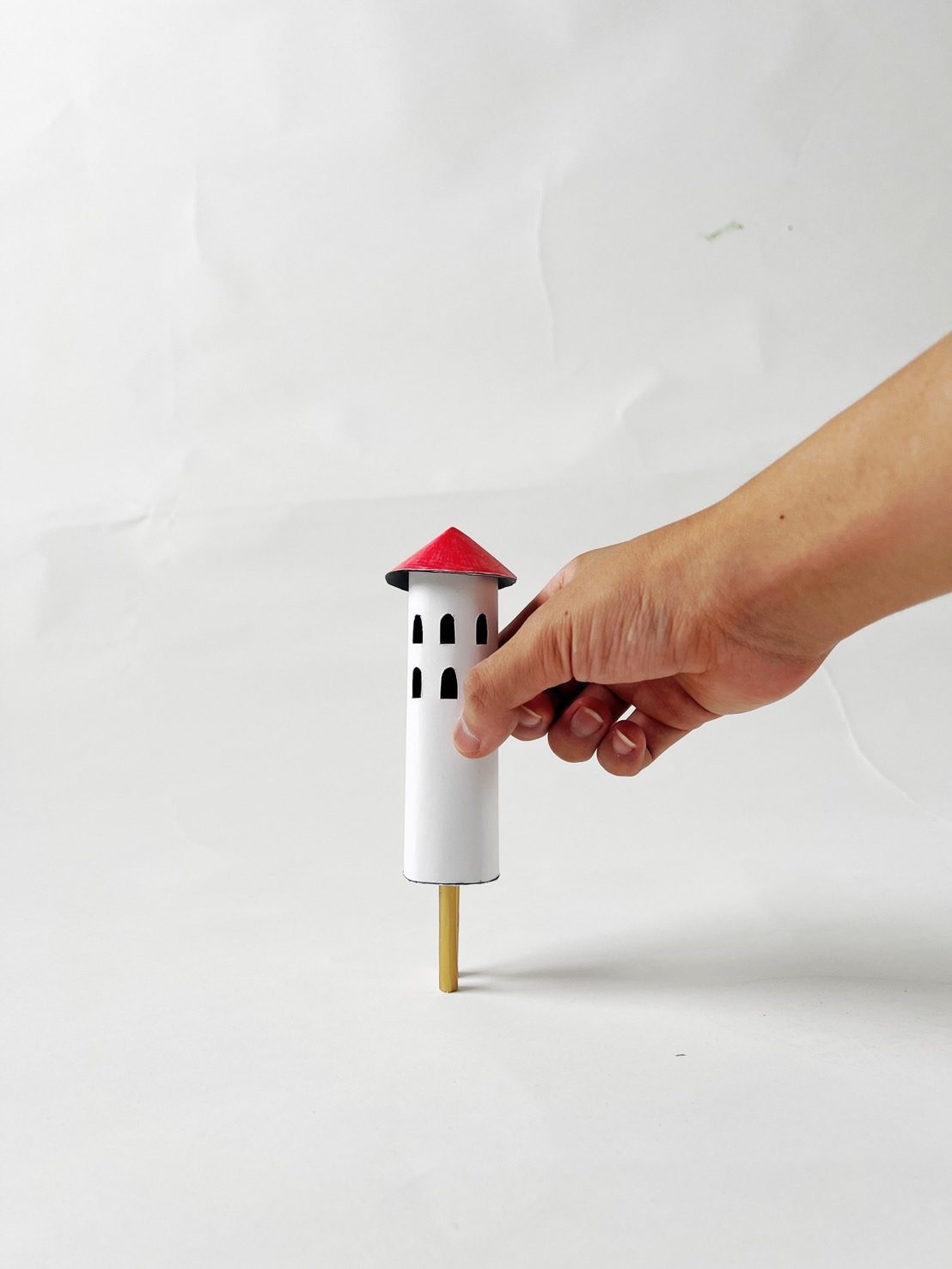
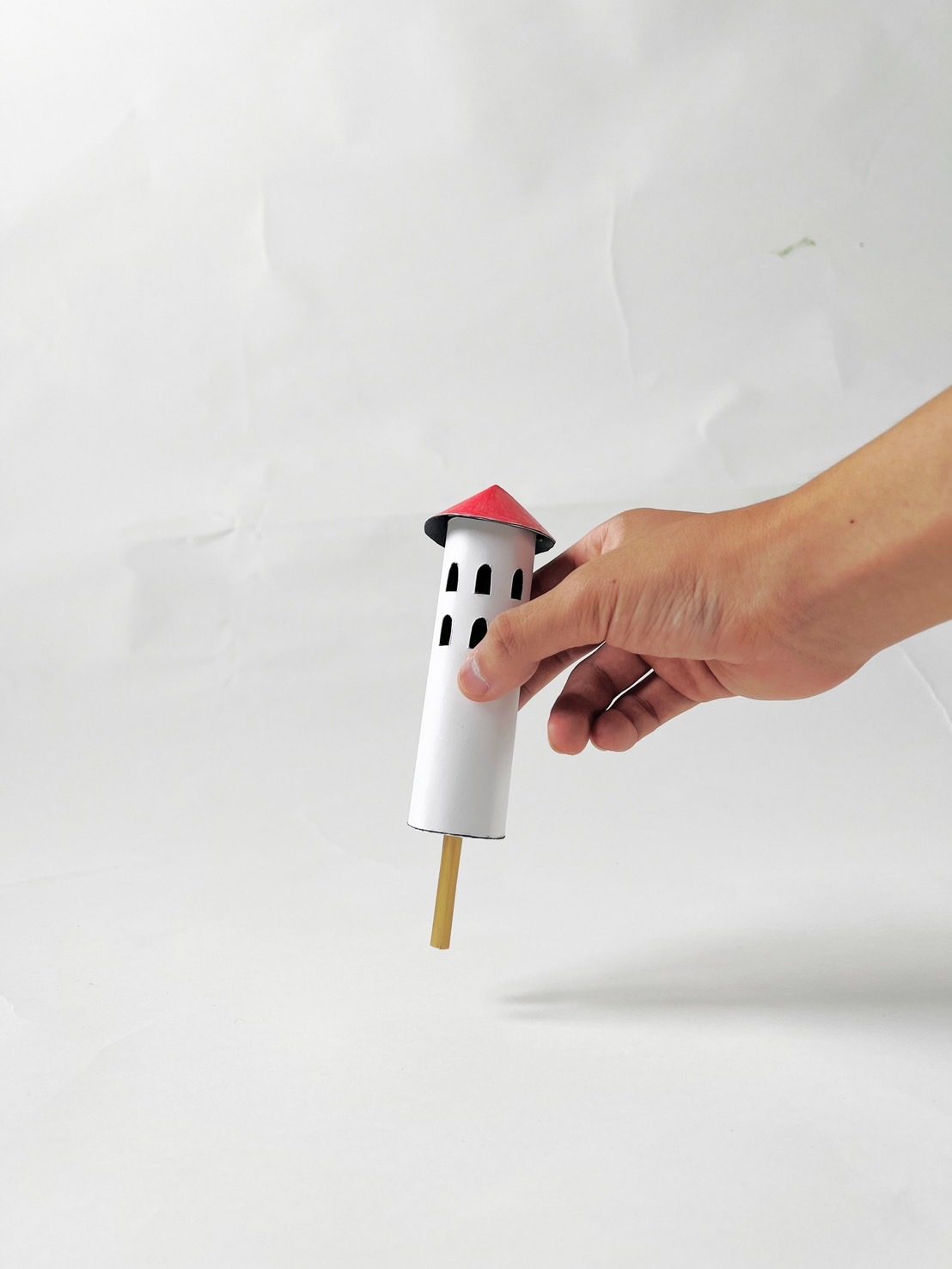
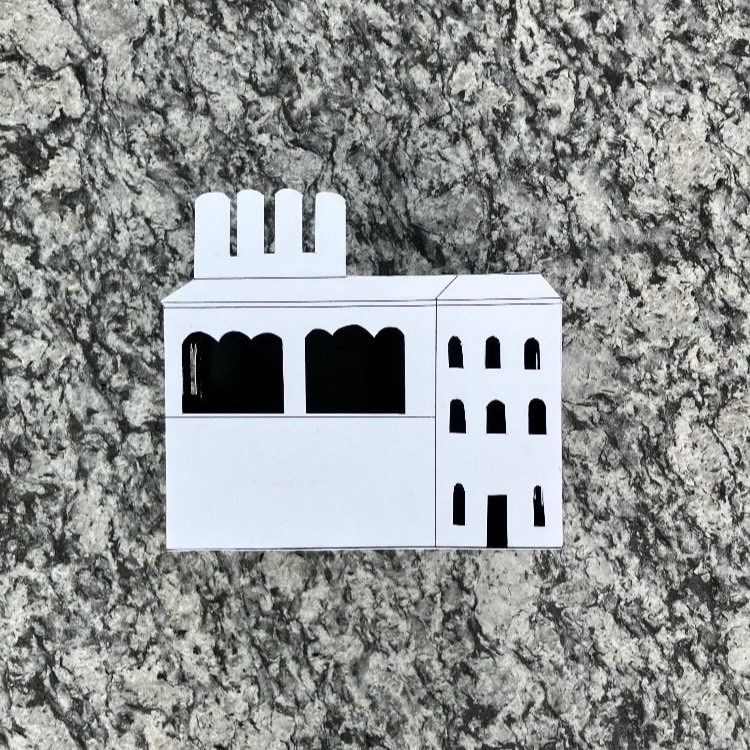
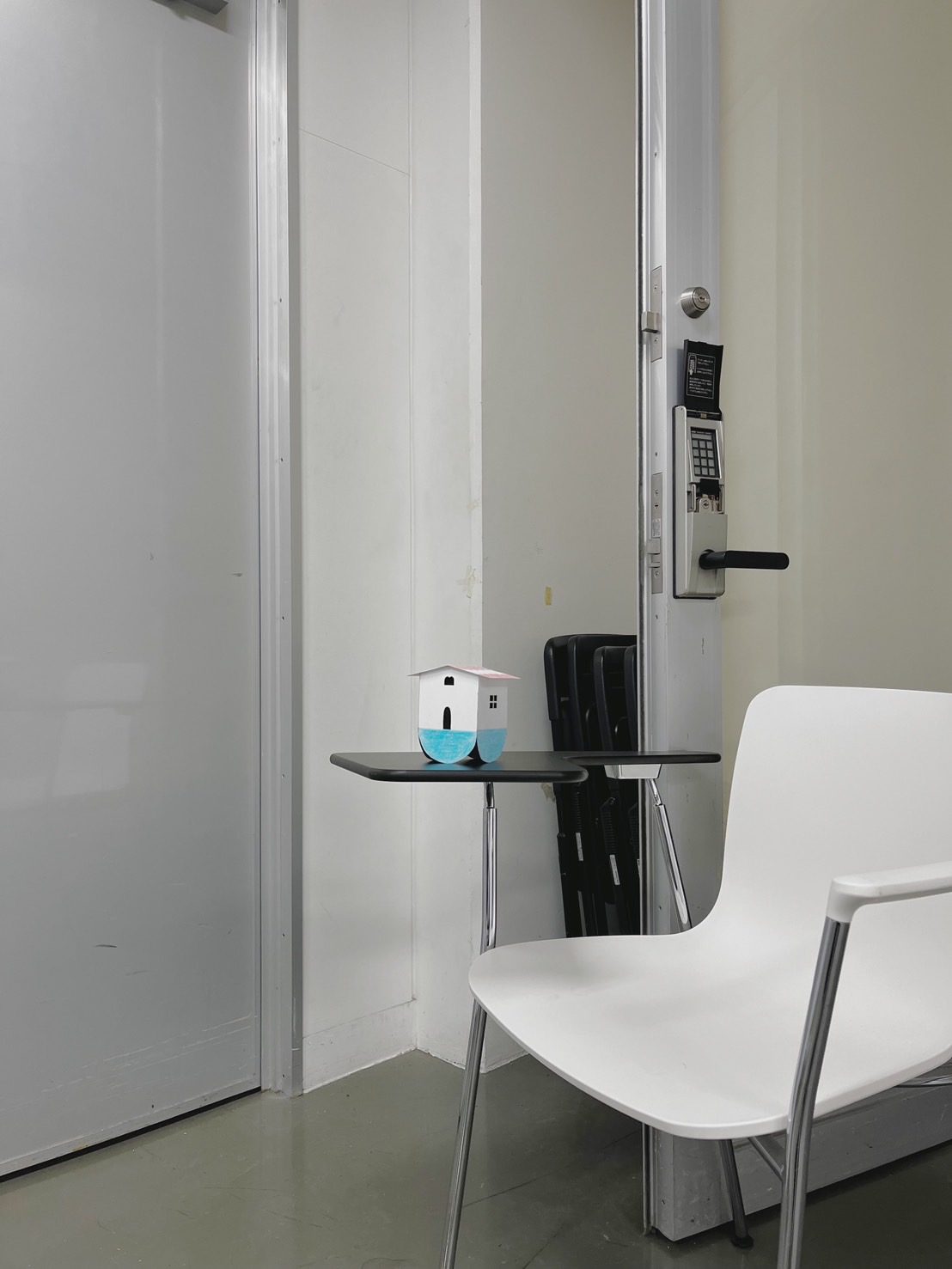
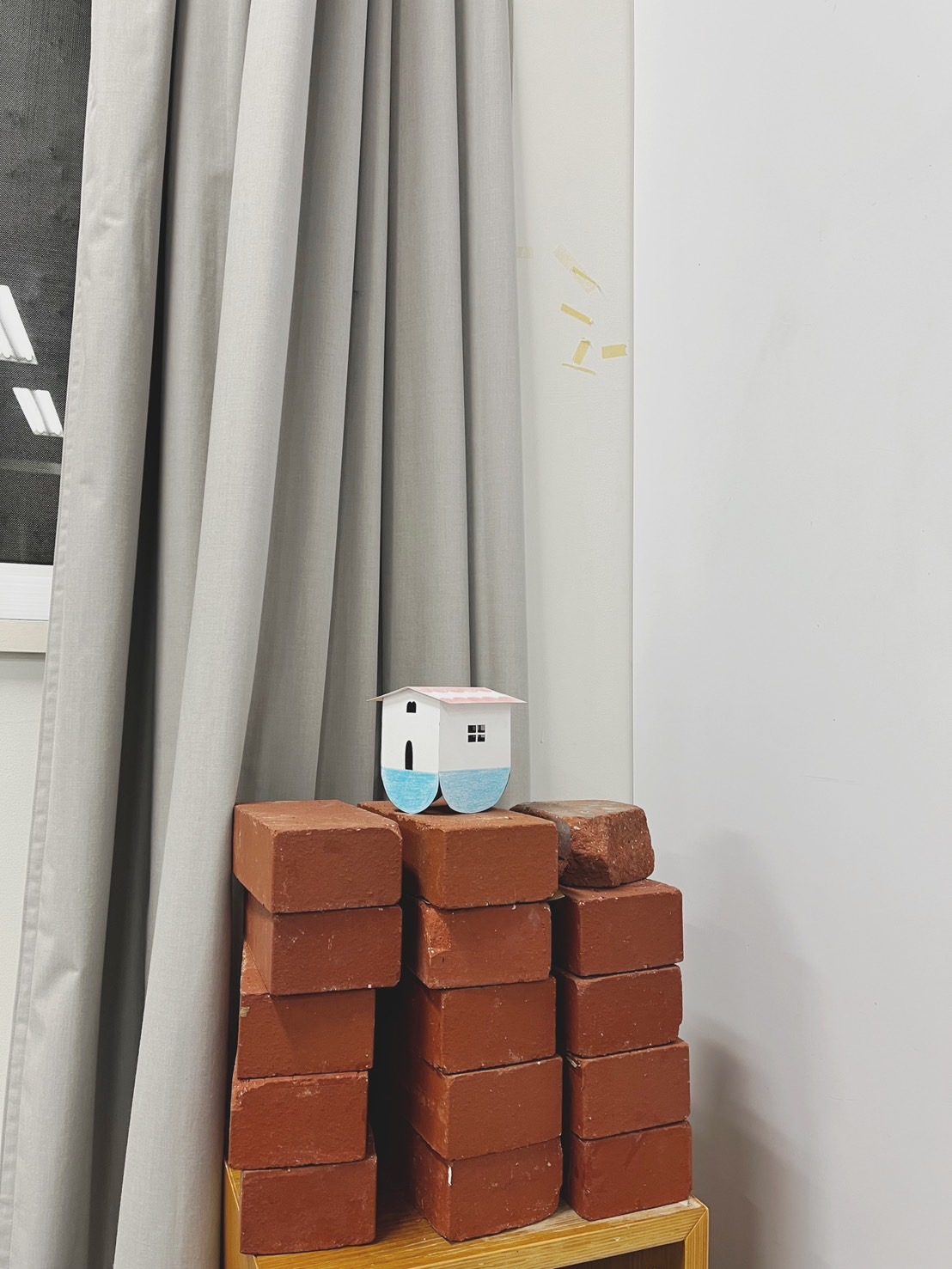
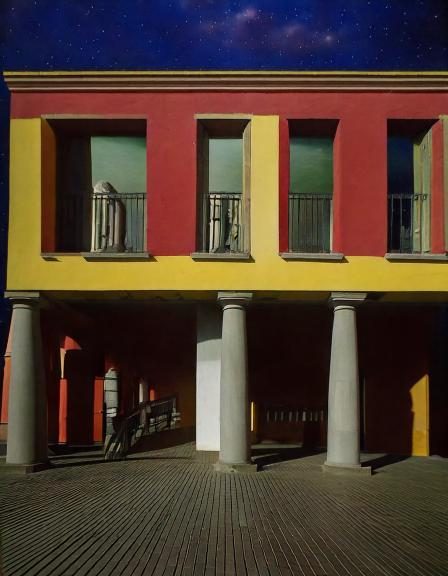
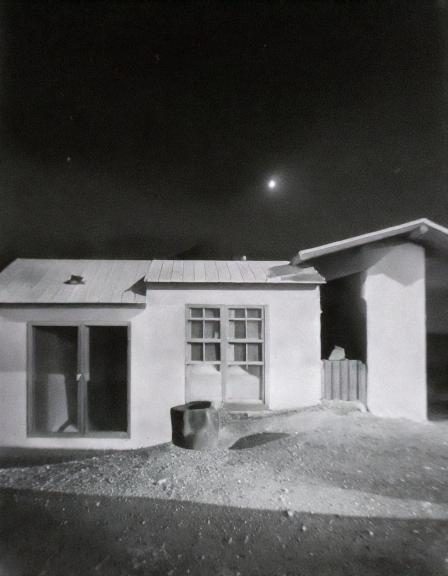
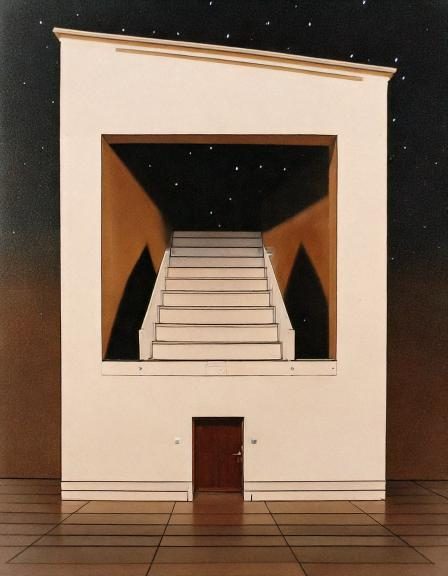
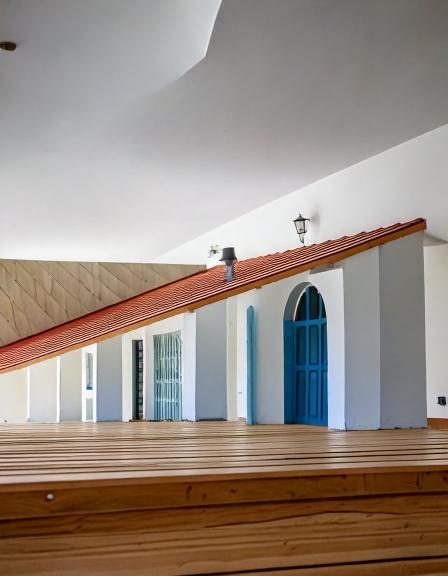
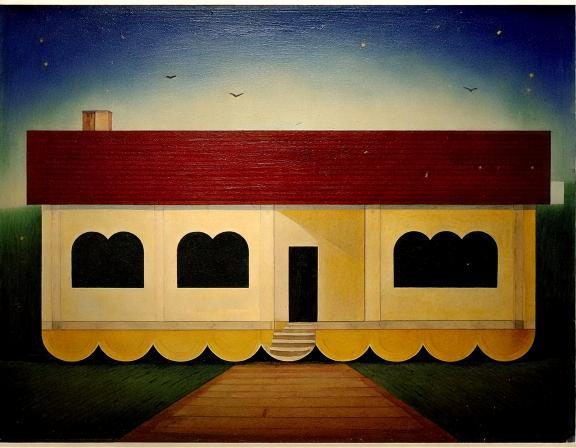
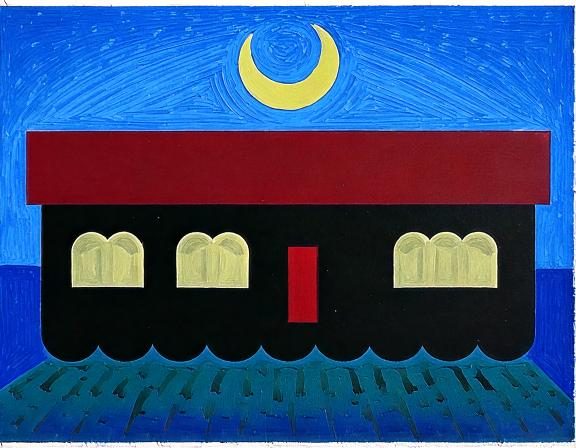
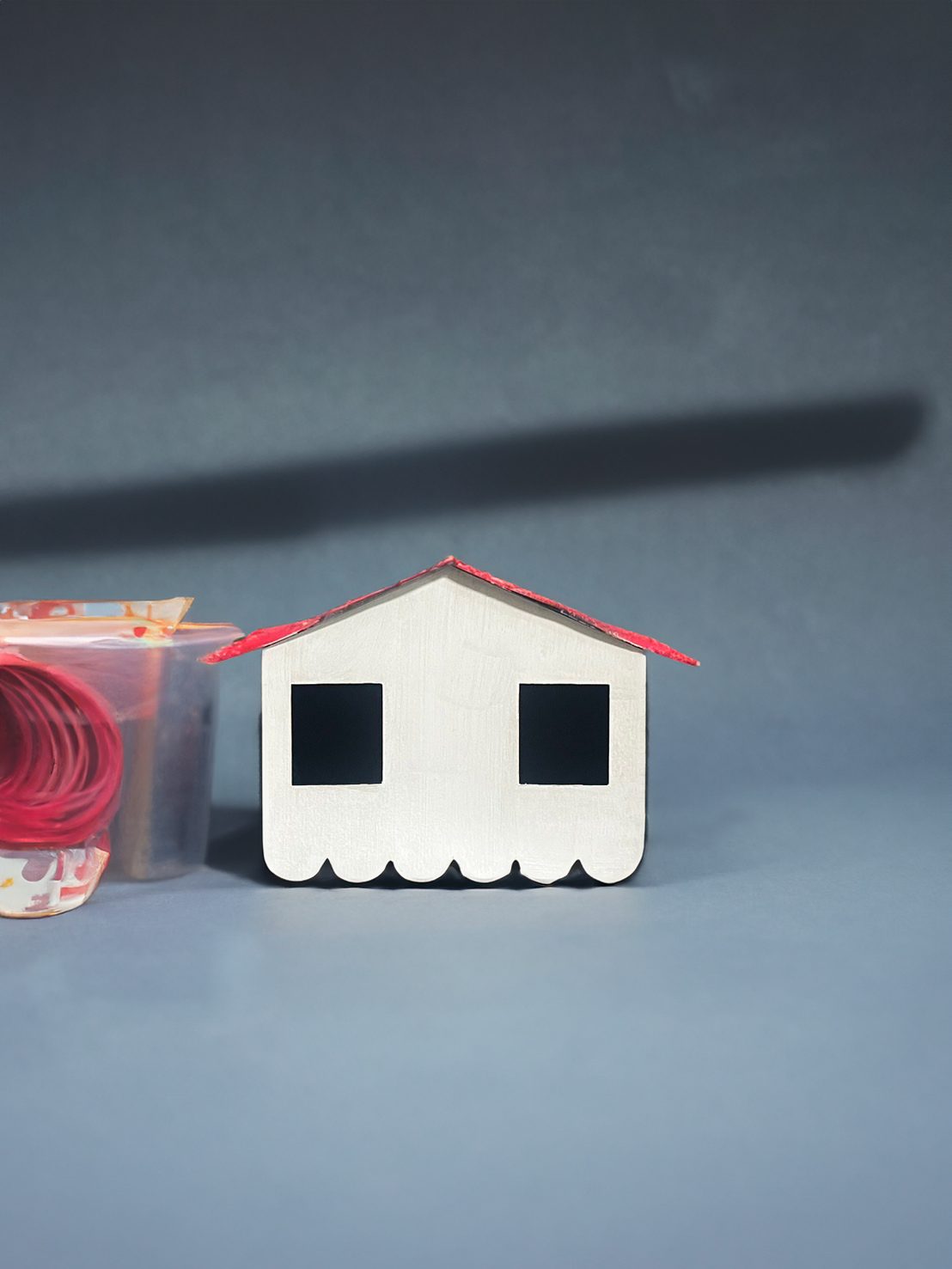
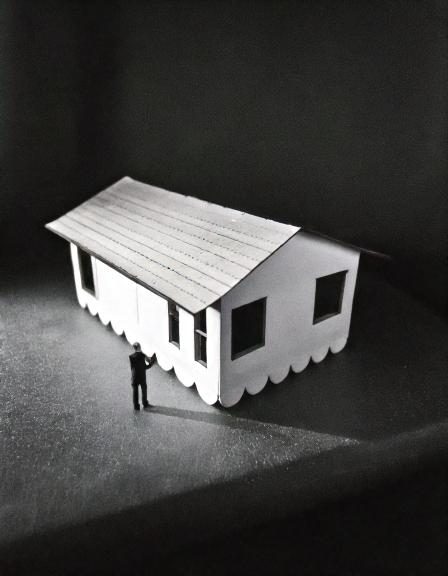
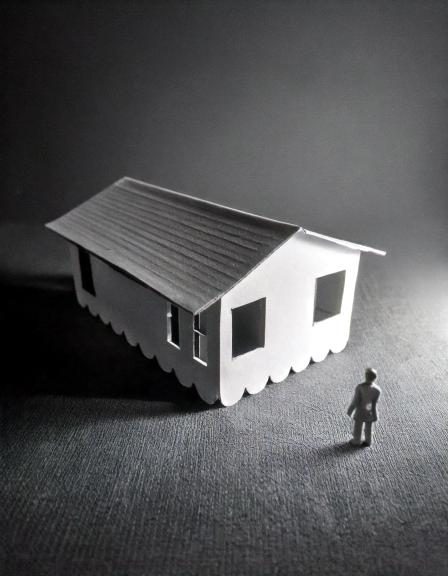
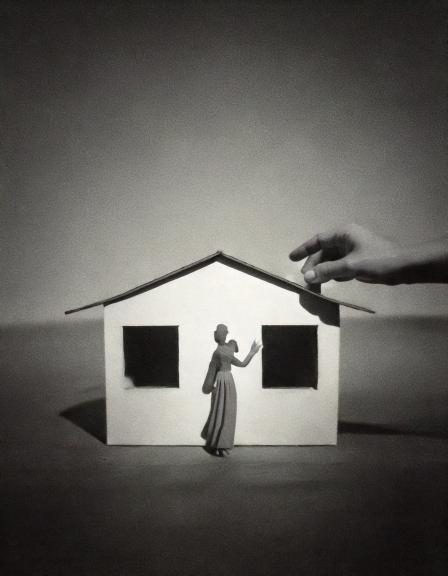
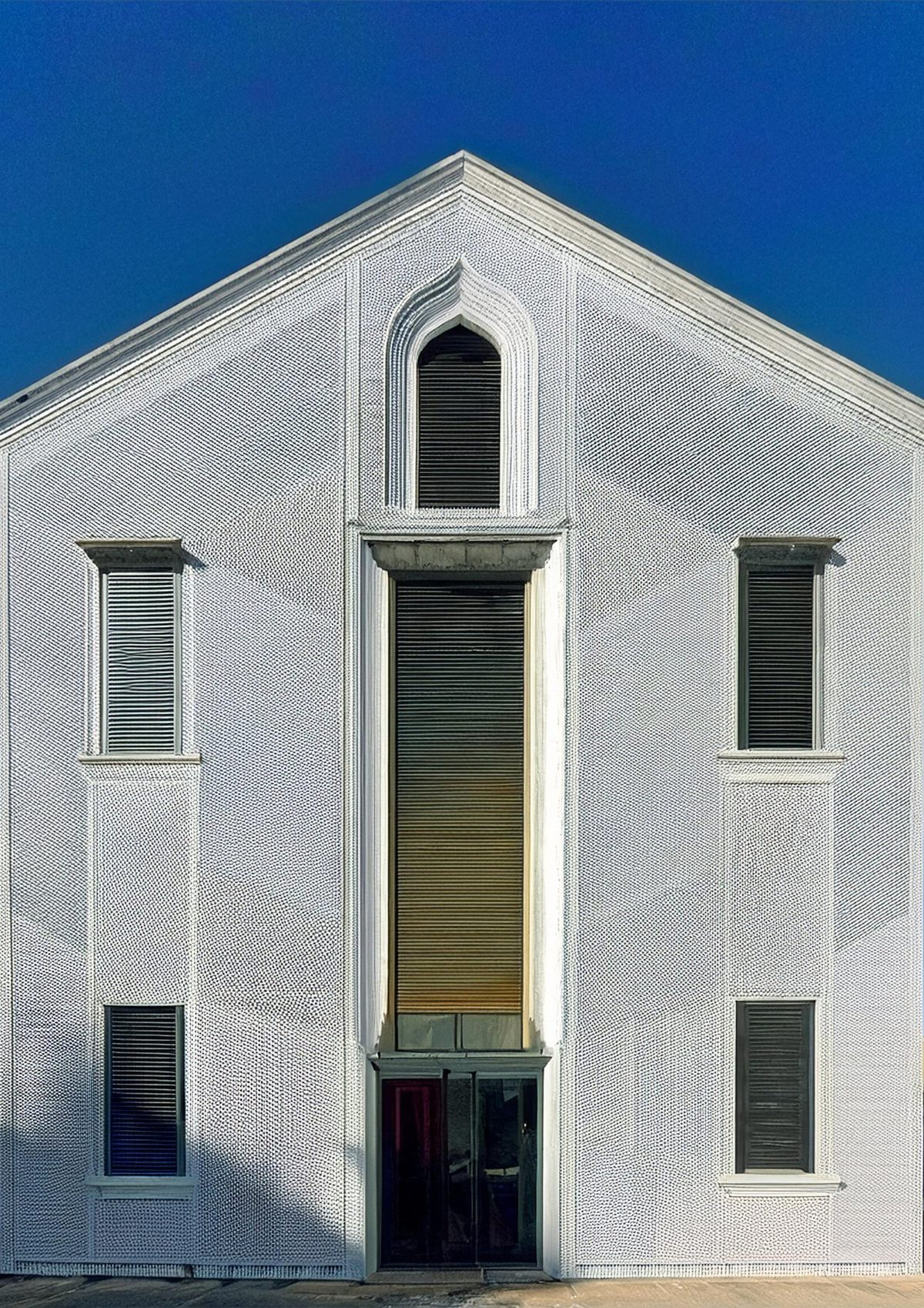
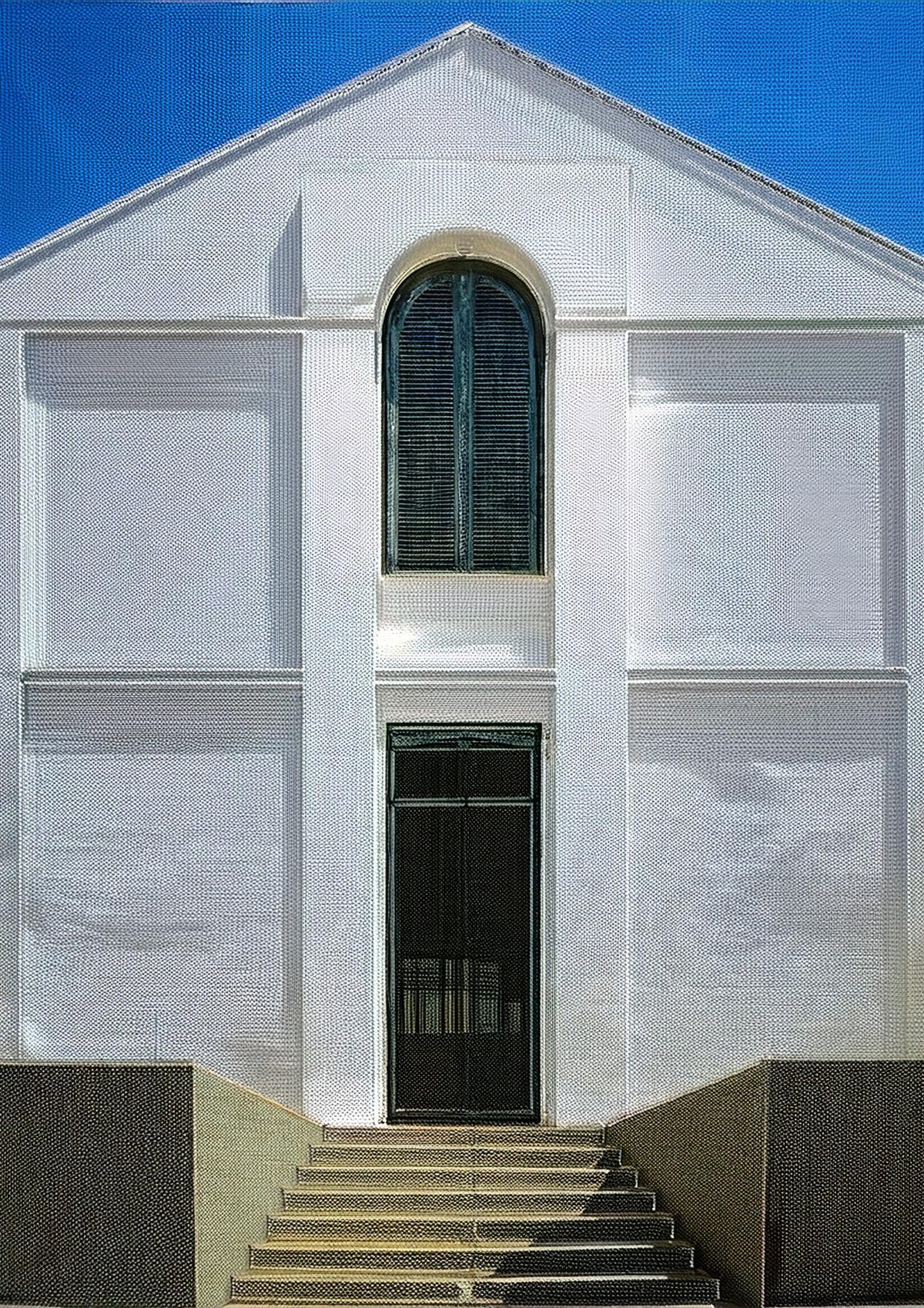
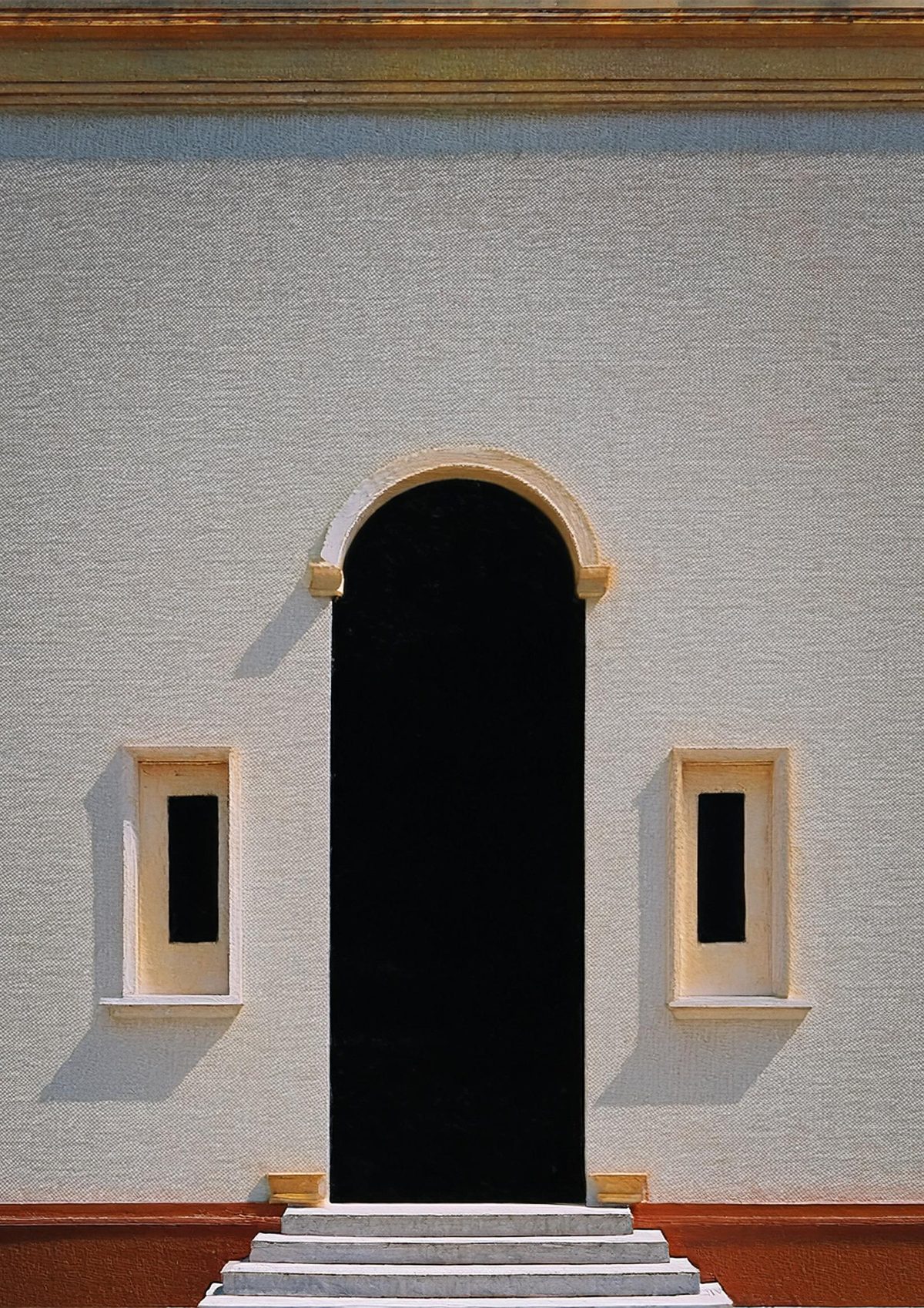
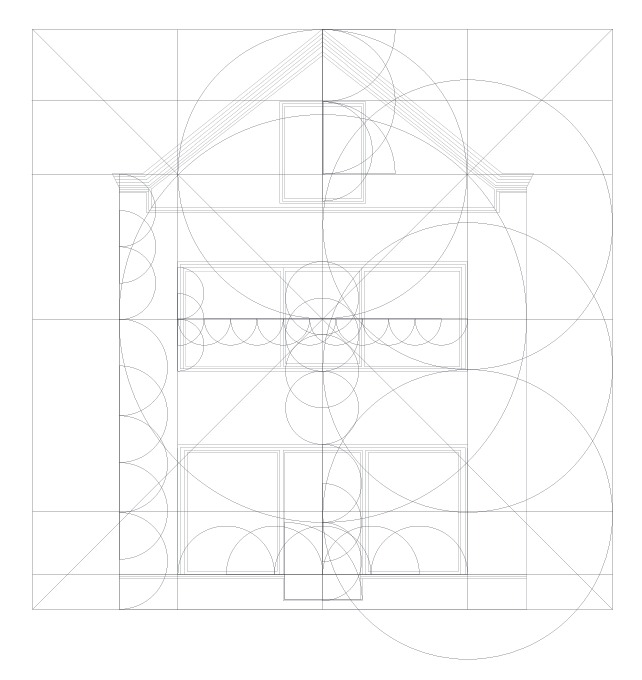
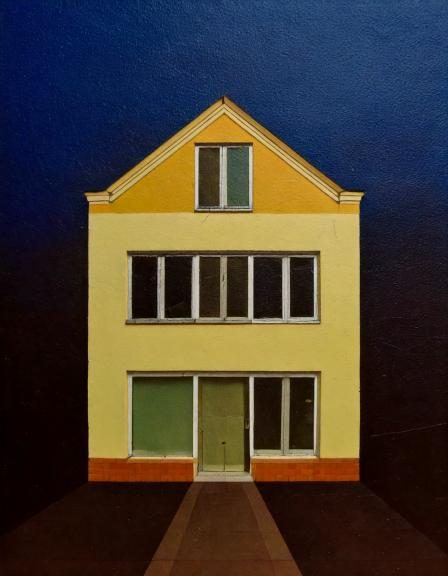
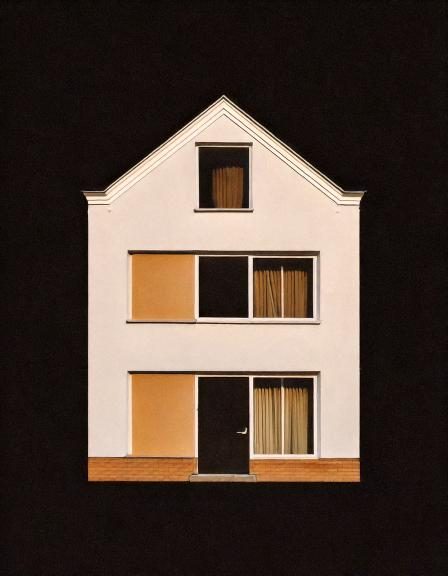
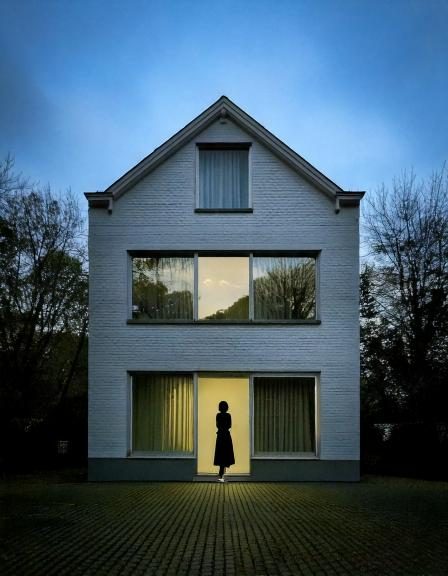
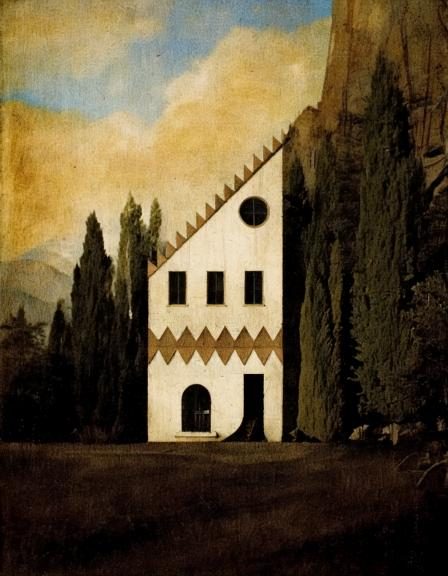
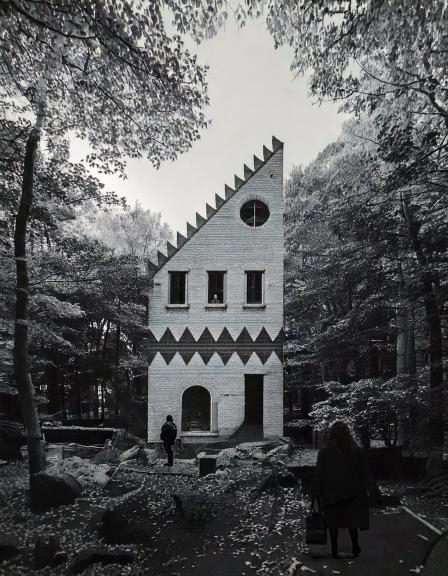
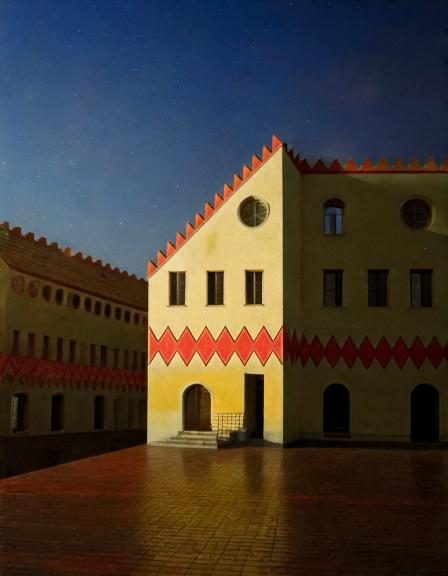
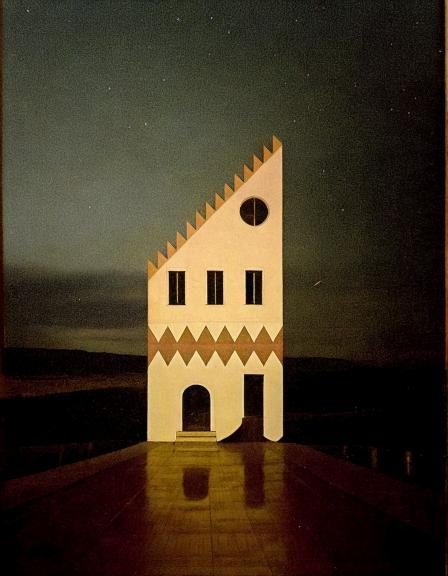
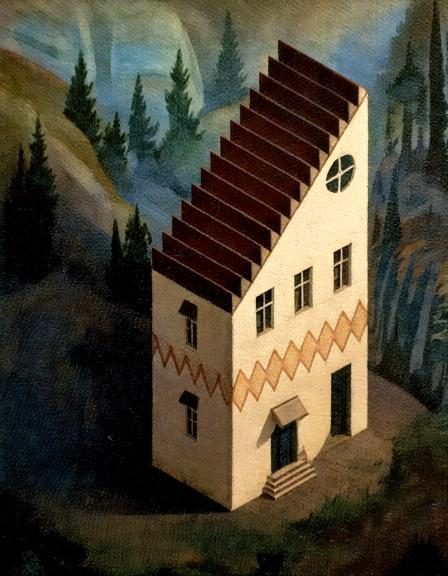
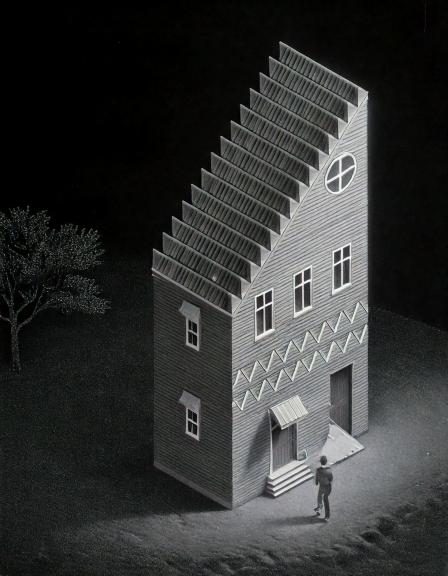
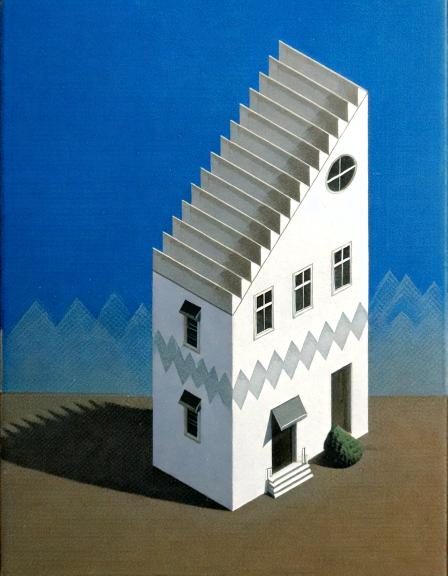
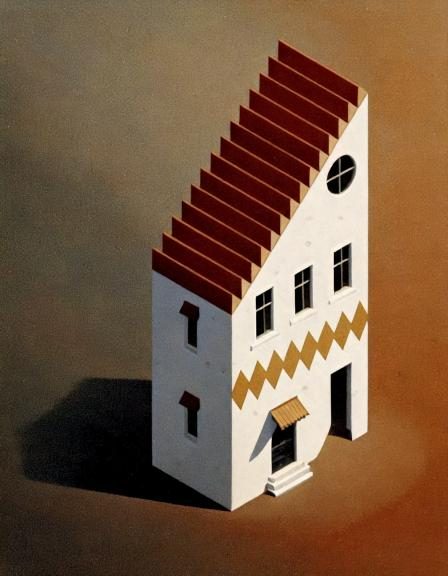
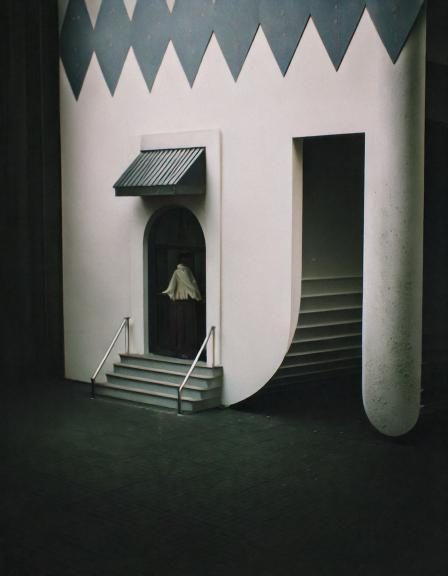
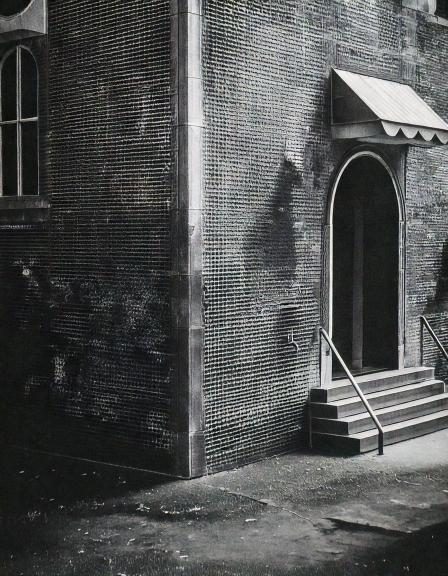
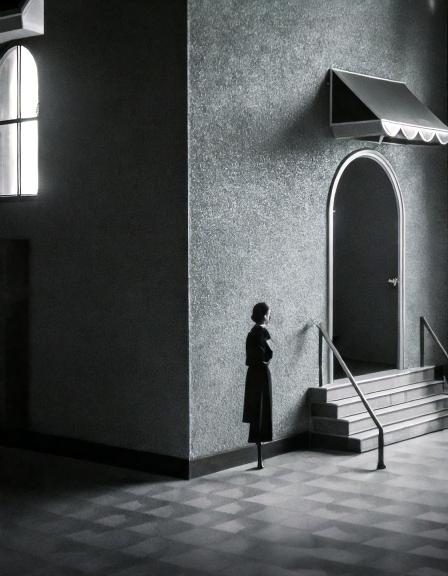
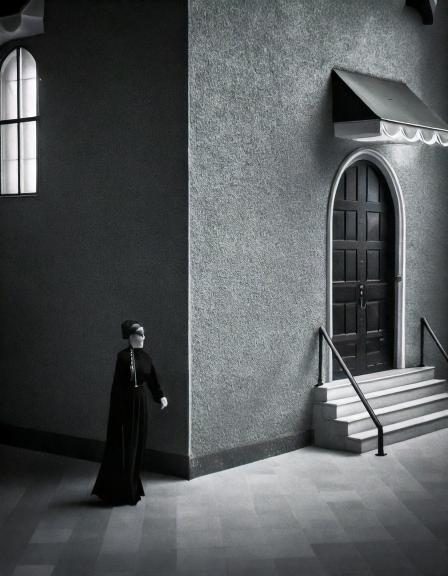
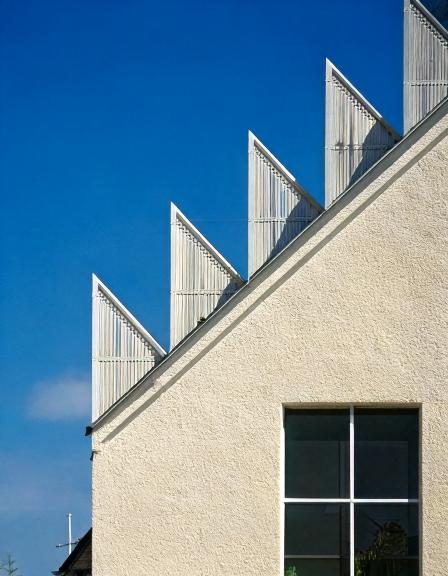
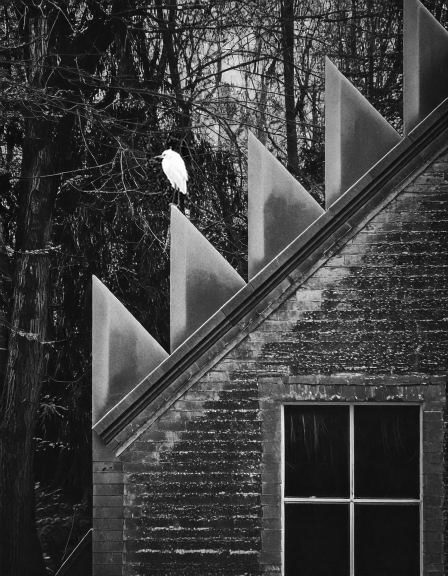
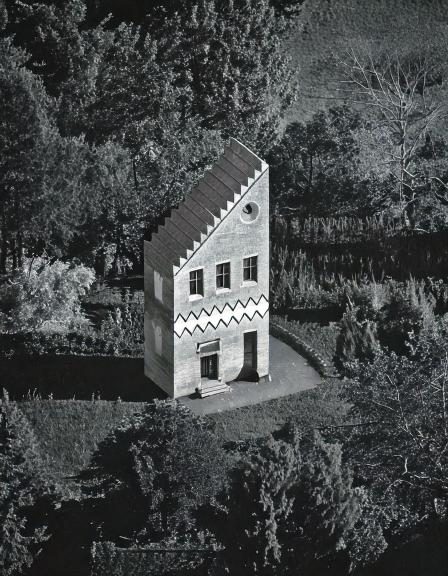
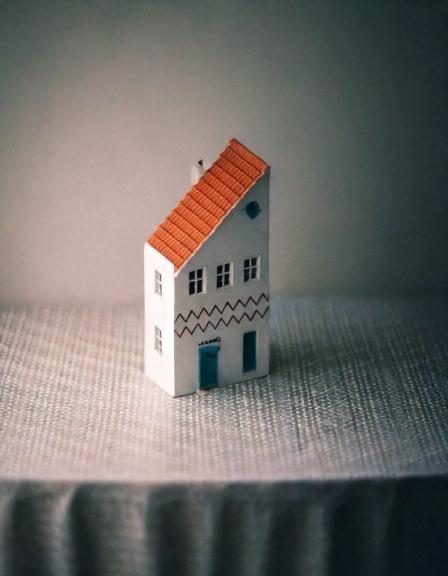
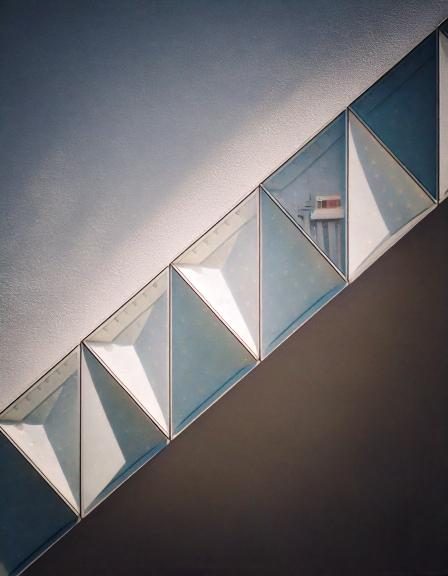
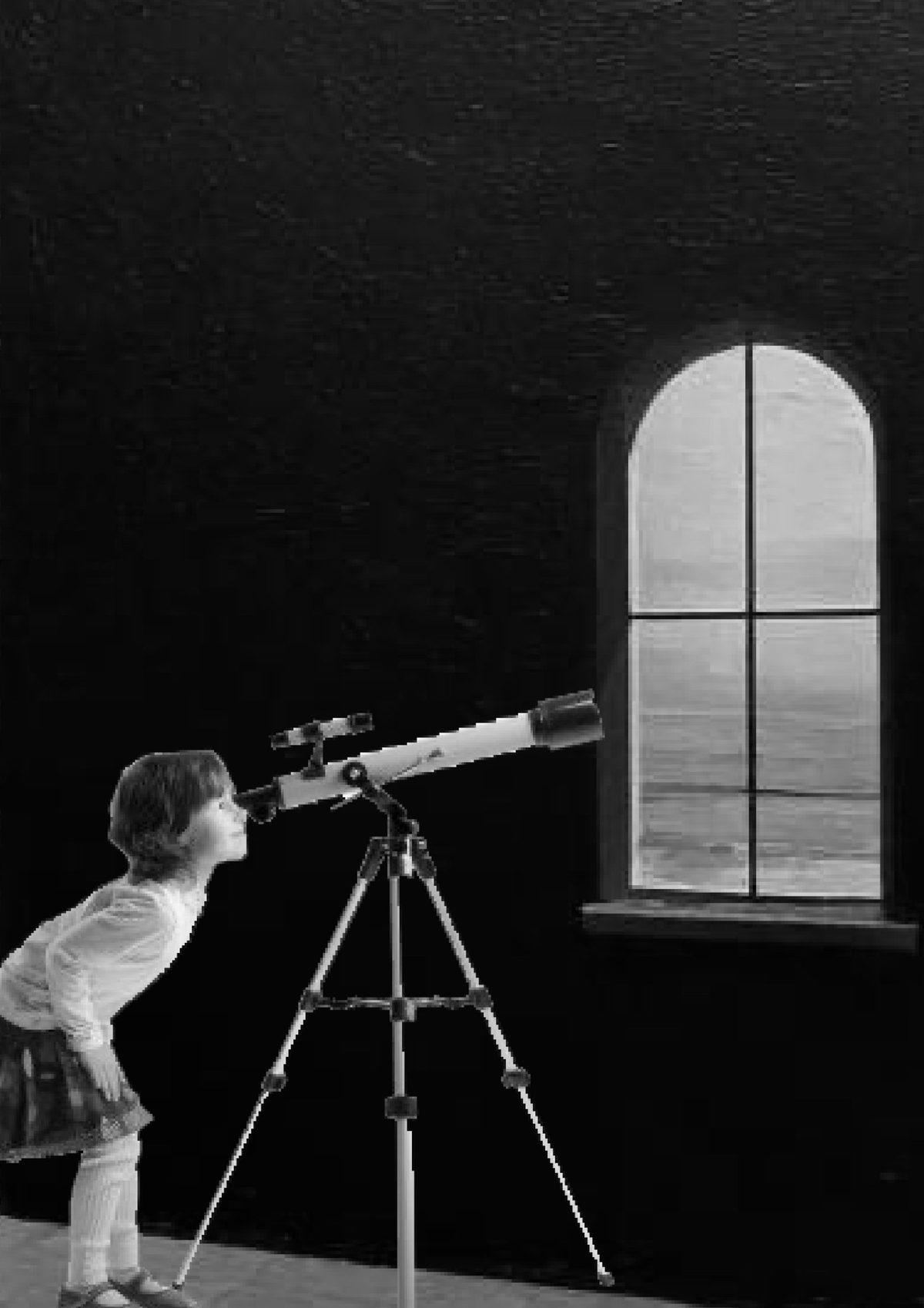
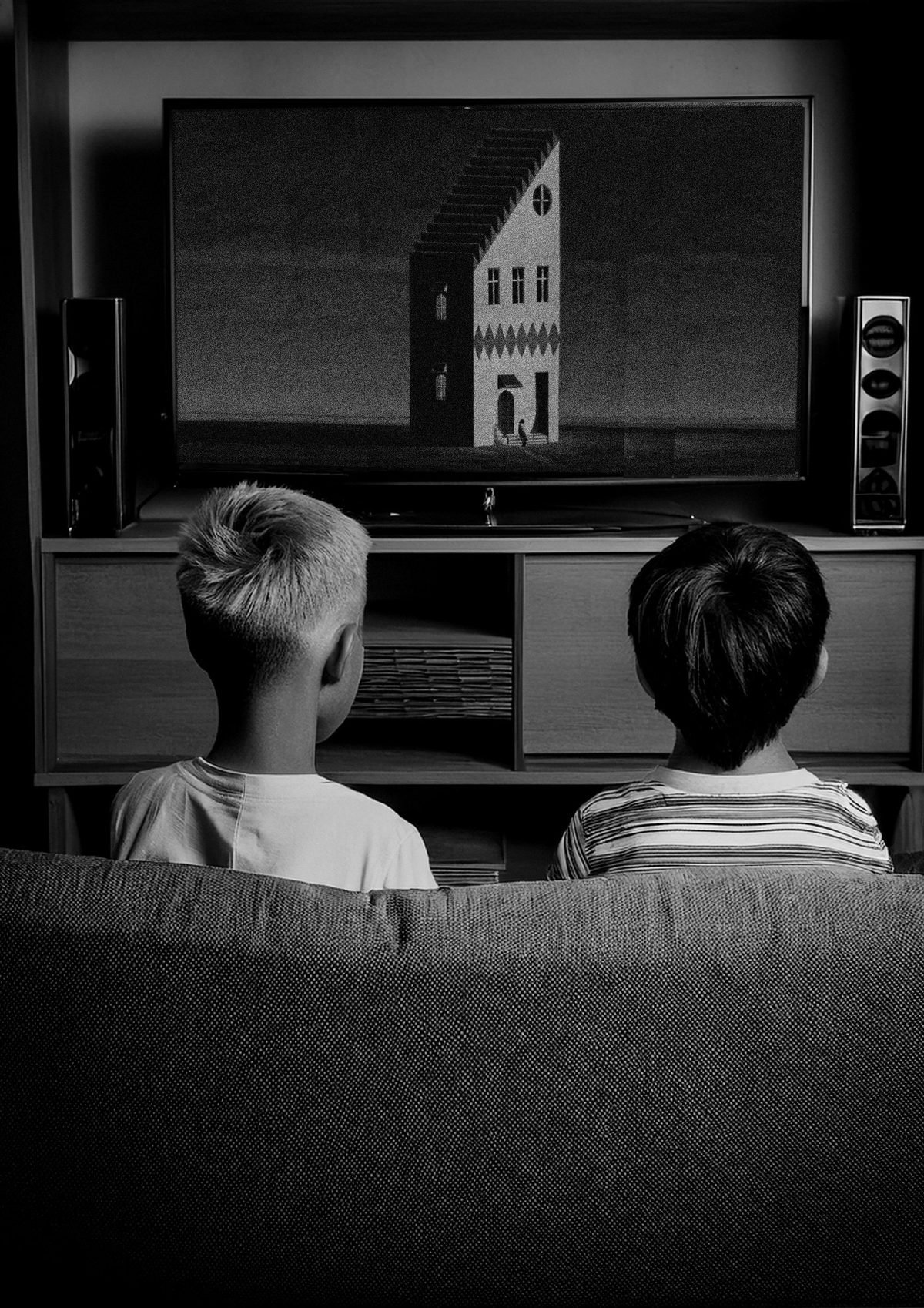
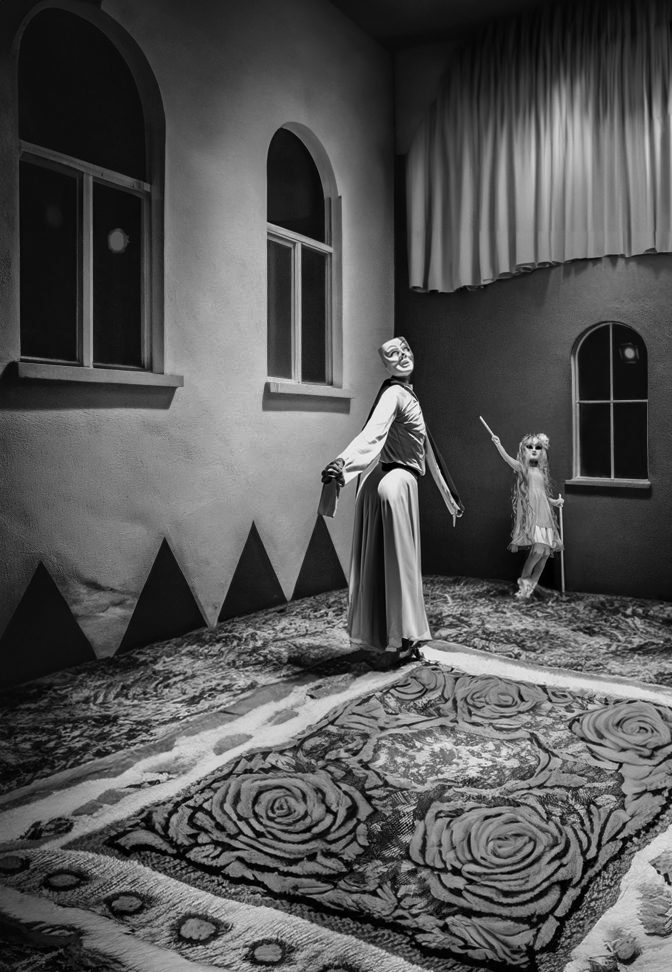
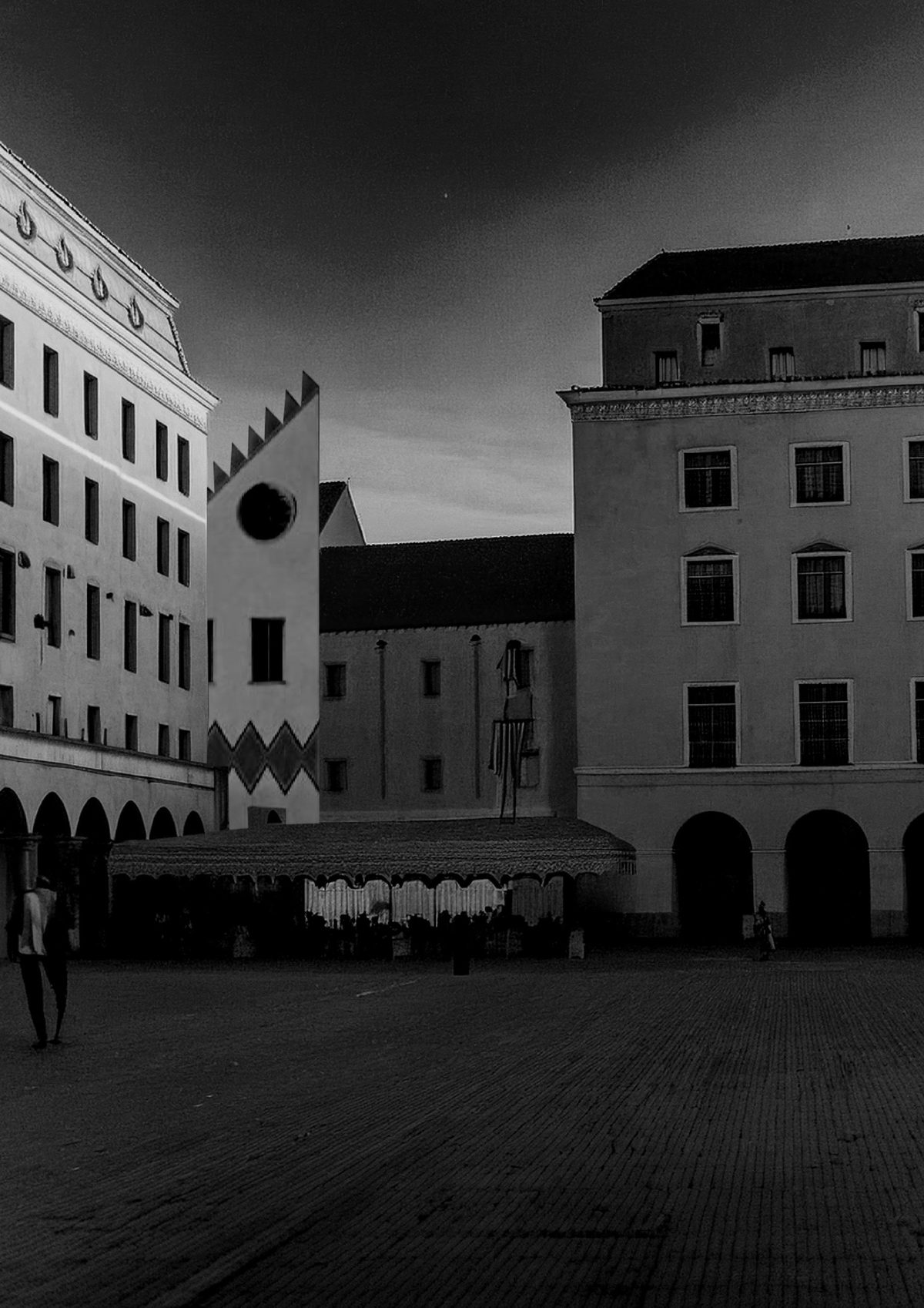
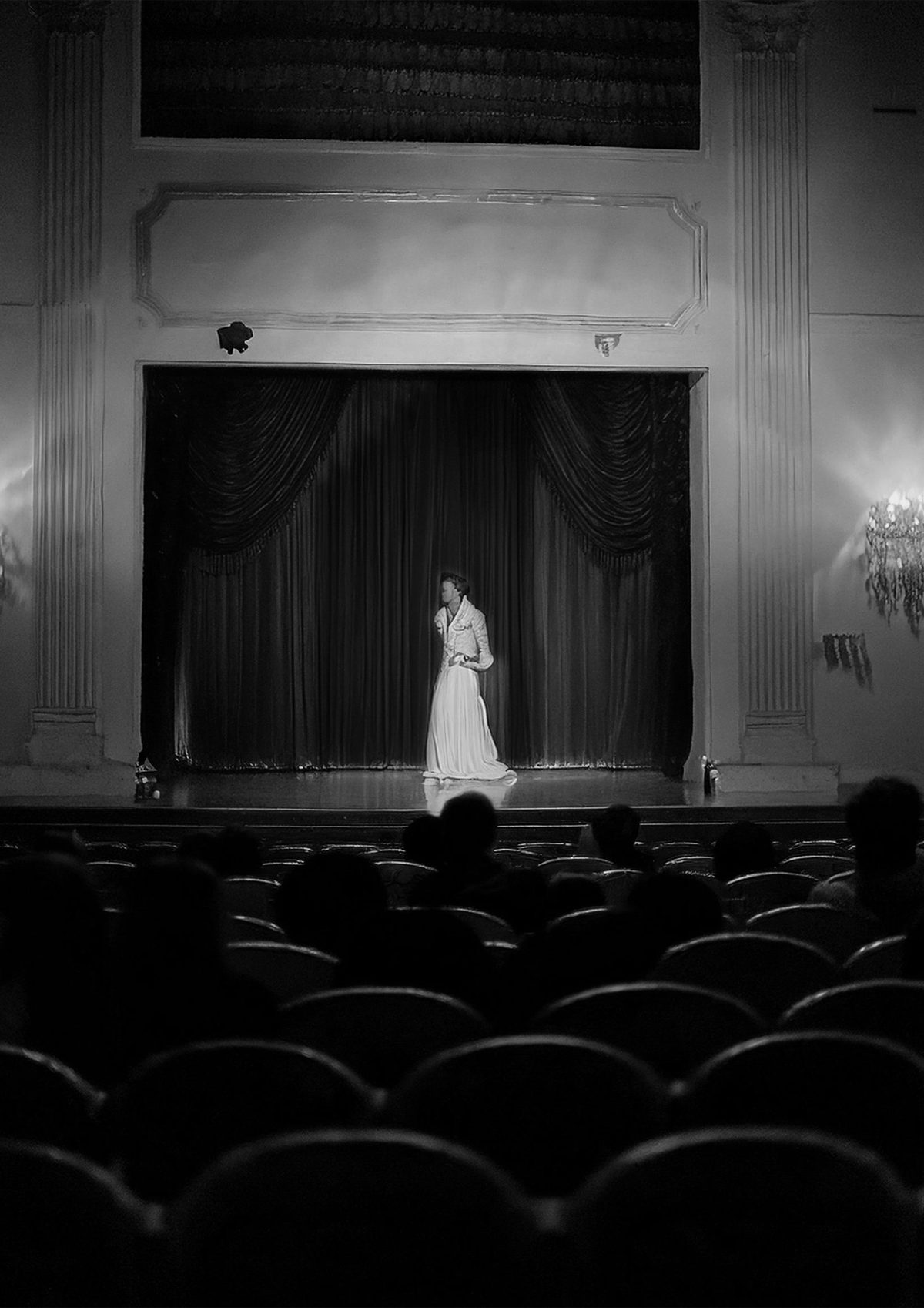
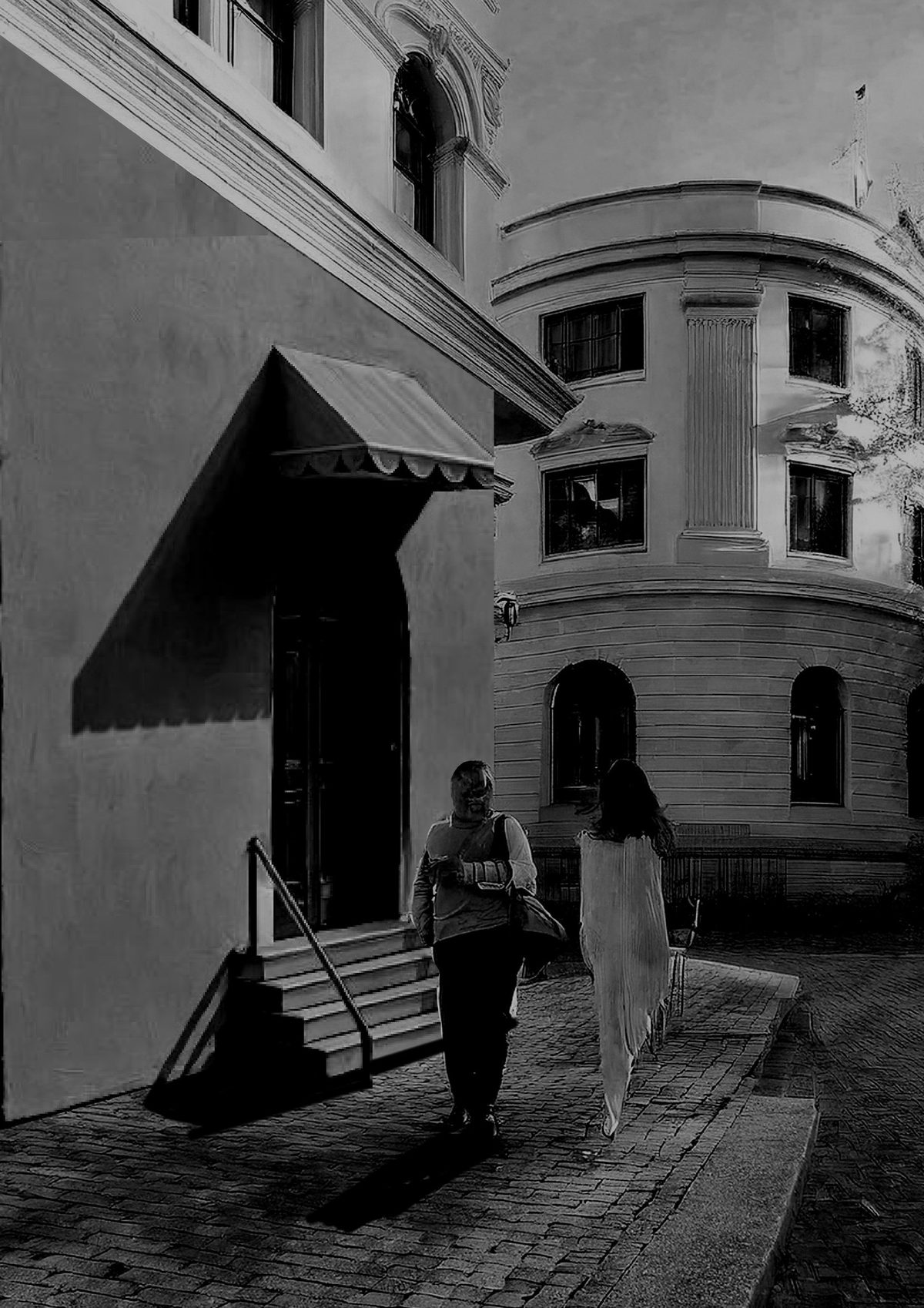
私たちは、家というものを眼前に存在する建築そのものだけから認識しているのではない。この世の中のあらゆるメディアによって物質的・技術的な支持体へ外在化された〈表像〉、記憶や想像、夢として身体の内に現れる〈心象〉、そして眼に映る〈視像〉が重なり合うことで、一つの「家」というイメージを形成している。W・J・T・ミッチェルが、1現実の対象、物質的なイメージ、心的イメージの関係を、互いに重なり合う「透かし絵」のようなものとして論じたように、イメージとは単一の像ではなく、異なる現実性をもつ複数の層のあいだに成立する。また、イメージを見ることは、それを「そこにある」と同時に「そこにない」ものとして認識することでもある。リオタールが、2像を生み出しながらそれ自体は像にならないものを「形象=母型(figure matrice)」として論じたように、ここで不可視な領域は単なる空白や無ではない。それは、まだ特定の像として固定されていないが、鑑賞者の記憶や想像によって像を発生させうる、いわば非イメージとして存在する。装置の箱内部には、一定の尺度をもつ建築模型が置かれ、その模型に実在する誰かの家を撮影した映像が投影される。模型は建築を縮小して代理する物質的な表象であり、映像もまた別の家を代理する光学的な表象である。しかし、「家を表象する模型」の上に「別の家を表象する映像」が重なることで、二つのイメージはいずれの原型にも還元できない、虚像としての家を形成する。トロンプルイユのように物質と像の間に皮膜状のレイヤーをつくり、模型本来の縮尺や意味を超えた、不確かな空間が現前する。さらに、ガリレオ式望遠鏡が凸レンズと凹レンズの二枚によって肉眼とは異なる視覚領域を生み出したように、ここでレンズは対象を単に拡大するための道具ではなく、見るという行為そのものに距離と媒介を挿入する装置として機能する。そもそも望遠鏡による観測において、そこに現れた像はそれだけで対象の真実を保証するものではなく、観測者による解釈を通して初めて意味を与えられるものであった。したがって、本作が可視化しようとするのは、不可視な何かそのものではない。むしろ、像として与えられていないものが、既に存在する像と鑑賞者の想像力との相補関係によって、どのように一つの空間として立ち現れるのかという過程そのものである。私たちが知っている「家」というイメージはいったいどこに存在しているのかを問う。

We do not recognize a house solely through the architecture that exists before our eyes. The image of a single “house” takes shape from the overlapping of the ‘representational image’, externalized onto material and technical supports by every medium in the world; the ‘mental image’, which appears within the body as memory, imagination, and dreams; and the ‘visual image’, which is reflected in the eye. As W. J. T. Mitchell1 argued, treating the relationship among the real object, the material image, and the mental image as something like overlapping “watermark pictures,” an image is not a single picture but is established between multiple layers with different kinds of reality. Moreover, to see an image is to recognize it as both “there” and “not there.” As Lyotard2 argued, calling that which generates images without itself becoming an image the “figure-matrix (figure matrice),” the invisible realm here is not a mere blank or nothingness. It has not yet been fixed as any particular image, but it exists as a kind of non-image that can give rise to images through the viewer’s memory and imagination. Inside the box of the apparatus stands an architectural model at a fixed scale, onto which footage of someone’s real house is projected. The model is a material representation that stands in for architecture in reduced form, and the footage is likewise an optical representation that stands in for another house. Yet when “footage representing another house” is layered over a “model representing a house,” the two images form a house as a virtual image, one that cannot be reduced to either original. Like trompe-l’œil, a membrane-like layer is created between matter and image, and an uncertain space exceeding the model’s original scale and meaning comes into presence. Furthermore, just as the Galilean telescope created a field of vision different from that of the naked eye by means of two lenses, one convex and one concave, the lens here is not merely a tool for magnification but a device that inserts distance and mediation into the very act of seeing. In the first place, in telescopic observation the image that appeared there did not by itself guarantee the truth of its object; it was given meaning only through the observer’s interpretation. What this work seeks to make visible, therefore, is not some invisible thing itself. Rather, it is the very process by which what has not been given as an image comes to appear as a single space, through the complementary relationship between existing images and the viewer’s imagination. It asks where, exactly, the image of “house” that we know exists.

  1. ¹ 『イコノロジー―イメージ・テクスト・イデオロギー』W.J.T. ミッチェル 著、鈴木聡・藤巻明 訳
  2. ² 『言説、形象(ディスクール、フィギュール)』ジャン=フランソワ・リオタール 著、合田正人 監訳、三浦直希 訳
  1. ¹ ‘Iconology: Image, Text, Ideology’ by W.J.T. Mitchell, translated by Akira Suzuki and Akira Fujimaki
  2. ² ‘Discourse, Figure’ by Jean-François Lyotard, translated by Naoki Miura, supervised by Masato Goda

Cooperation

  • 制作補助 / 石橋建具店
  • Production Support / Ishibashi Joinery
  • 制作補助 / 菊池峻楽
  • Production Support / Shunta Kikuchi
  • 設営補助 / 奥川司
  • Set-up Support / Tsukasa Okugawa
Reference →
← Works
Cinema Obscura I: Apparatus
Visualise the image
Cinema Obscura I: Apparatus — Exhibition layout for SICF Fukuoka
Exhibition Layout for SICF Fukuoka
Cinema Obscura I: Apparatus — Installation view 1
Installation View, SICF Fukuoka ©2026 by Ryota Kikuchi
Cinema Obscura I: Apparatus — Installation view 2
Installation View, SICF Fukuoka ©2026 by Ryota Kikuchi
Cinema Obscura I: Apparatus — Installation view 3
Installation View, SICF Fukuoka ©2026 by Ryota Kikuchi
Cinema Obscura I: Apparatus — Installation view 4
Installation View, SICF Fukuoka ©2026 by Ryota Kikuchi
Cinema Obscura I: Apparatus — Installation view 5
Installation View, SICF Fukuoka ©2026 by Ryota Kikuchi
Cinema Obscura I: Apparatus — Installation view 6
Installation View, SICF Fukuoka ©2026 by Ryota Kikuchi

Cinema Obscura I: Apparatus

2026 / Wooden box, tripod, black cloth, installation, video (color, sound: 7:07 min)

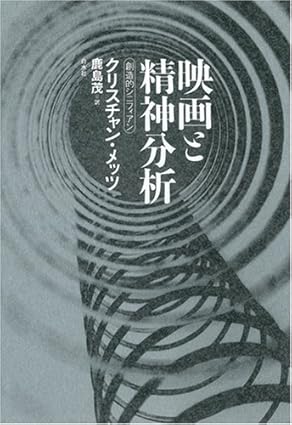
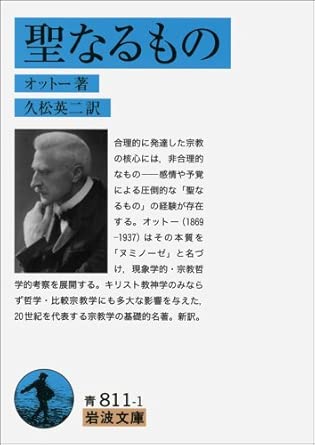
本作は、映像を単なる鑑賞対象ではなく、鑑賞者の知覚を強制的に作動させる【Apparatus (装置)】として捉え、日常の中に潜む虚構と現実の境界をファウンドフッテージという手法で探求する試みである。映画理論家クリスチャンメッツは、著書『映画と精神分析』において、映画的経験の成立を、現実の単なる再現ではなく、人間の無意識と表象行為の相互作用によって生じるプロセスとして捉えた。1C・メッツが映画の意識状態をフロイトの【Tagtraum(白昼夢)】になぞらえたように、彼は私たちが映像を認識する際、それを完全に現実だと信じ込むのではなく、目覚めながらにして一時的に虚構を受け入れるという洞察を示し、この知覚構造に基づいて鑑賞者の意識的な空想と集合的無意識を交錯させる機能を提唱した。また、宗教哲学者ルドルフ・オットーは、観客が経験する白昼夢を単なる視覚的理解を超え、人間が本来備えるプリミティブな感覚による直感に即した「ヌミノーゼ」を見出す2と述べている。彼は著書『聖なるもの』において、場所の不気味さにヌミノーゼ的性格を見出し、それがもつ戦慄と魅了という二律背反的な要素について3論じている。本作におけるメッツやオットーがいう「白昼夢的」映像は、日常的な言語経験から生じる微かなズレを超え、空間そのものに内在する理解しきれない神秘(mysterium)を浮かび上がらせ、絶対他者の存在を捉えようとする行為と言える。鑑賞方法では、19世紀半ばにフレデリック・スコット・アーチャーが発明した移動式暗室(湿式コロジオン法)を参照する。湿式コロジオン法の撮影と現像が制約の厳しいプロセスを、鑑賞者が映像を見るという行為に重ね合わせ、「布を被る」ことで、装置を正しく操作し、観測状態へ入るためのプロセスとして機能させる。このようにして、単にそこに存在するObjet(物)ではなく、鑑賞者が知覚することによってはじめて成立する「装置(Apparatus)」を形成し、ドキュメンタリーとフィクションの狭間を漂う実験映像として表現する。

This work treats film not as a mere object of viewing but as an “Apparatus” that compels the viewer’s perception to operate, and explores the boundary between fiction and reality lurking in everyday life through the technique of found footage. In his book The Imaginary Signifier: Psychoanalysis and the Cinema, the film theorist Christian Metz understood the formation of cinematic experience not as a mere reproduction of reality but as a process arising from the interaction between the human unconscious and acts of representation.1 Just as Metz likened the state of consciousness in cinema to Freud’s “Tagtraum (daydream)”, he offered the insight that when we perceive images we do not wholly believe them to be real but, while awake, temporarily accept a fiction; on the basis of this perceptual structure, he proposed a function that makes the viewer’s conscious fantasy and the collective unconscious intersect. The philosopher of religion Rudolf Otto, for his part, states that the daydream the audience experiences goes beyond mere visual understanding and discovers the “numinous,” grounded in intuition through the primitive sensibility that human beings inherently possess.2 In his book The Idea of the Holy, he finds a numinous character in the uncanniness of a place, and discusses the antinomic elements it holds: awe, or shuddering, and fascination.3 In this work, the “daydream-like” images of which Metz and Otto speak move beyond the slight discrepancies that arise from everyday linguistic experience and bring to the surface a mystery (mysterium) inherent in space itself that can never be fully understood; this can be called an act of trying to grasp the presence of the absolute Other. As for the viewing method, the work refers to the mobile darkroom (the wet collodion process) invented in the mid-19th century by Frederick Scott Archer. The strictly constrained processes of wet collodion photography and development are laid over the viewer’s act of watching the image, and “putting a cloth over oneself” functions as a process of operating the apparatus correctly and entering a state of observation. In this way, what is formed is not simply an Objet (object) that exists there but an “Apparatus” that comes into being only when the viewer perceives it, expressed as an experimental film drifting between documentary and fiction.

  1. ¹ 『映画と精神分析:想像的シニフィアン』クリスチャンメッツ 著、鹿島茂 訳
  2. ² 『聖なるもの』オットー 著、久松英二 訳、岩波文庫(青 811-1)
  3. ³ 『聖なるもの』オットー 著、久松英二 訳、岩波文庫(青 811-1)
  1. ¹ ‘The Imaginary Signifier: Psychoanalysis and the Cinema’ by Christian Metz, translated by Shigeru Kashima
  2. ² ‘The Idea of the Holy’ by Rudolf Otto, translated by Eiji Hisamatsu, Iwanami Bunko (Blue 811-1)
  3. ³ ‘The Idea of the Holy’ by Rudolf Otto, translated by Eiji Hisamatsu, Iwanami Bunko (Blue 811-1)

Cooperation

  • 制作補助 / チャチャ(Chaucer Xie)
  • Production Support / Chaucer Xie
  • 制作補助 / シグレ(Huang Shiyu)
  • Production Support / Huang Shiyu
  • 設営補助 / 菊池凌楽
  • Set-up Support / Ryota Kikuchi
  • 設営補助 / 奥川司
  • Set-up Support / Tsukasa Okugawa
Reference →
← Works
Before, After Cognition
Visualise the image
Before, After Cognition — Interior perspective view 1
Interior perspective view
Before, After Cognition — Interior perspective view 2
Interior perspective view
Before, After Cognition — Interior perspective view 3
Interior perspective view
Before, After Cognition — Interior perspective view 4
Interior perspective view
Before, After Cognition — Interior perspective view 5
Interior perspective view
Before, After Cognition — Interior perspective view 6
Interior perspective view
Before, After Cognition — Interior perspective view 7
Interior perspective view
Before, After Cognition — Interior perspective view 8
Interior perspective view
Before, After Cognition — Interior perspective view
Interior perspective view
Before, After Cognition — Interior perspective view
Interior perspective view
Before, After Cognition — Exterior perspective view
Exterior perspective view
Before, After Cognition — First-floor plan
First-floor plan
Before, After Cognition — Second-floor plan
Second-floor plan
Before, After Cognition — Sections (A-A′, B-B′)

Before, After Cognition

2025 / Video, Photo, Novel, Model, Box Model, Installation, Short film, 6:18 min

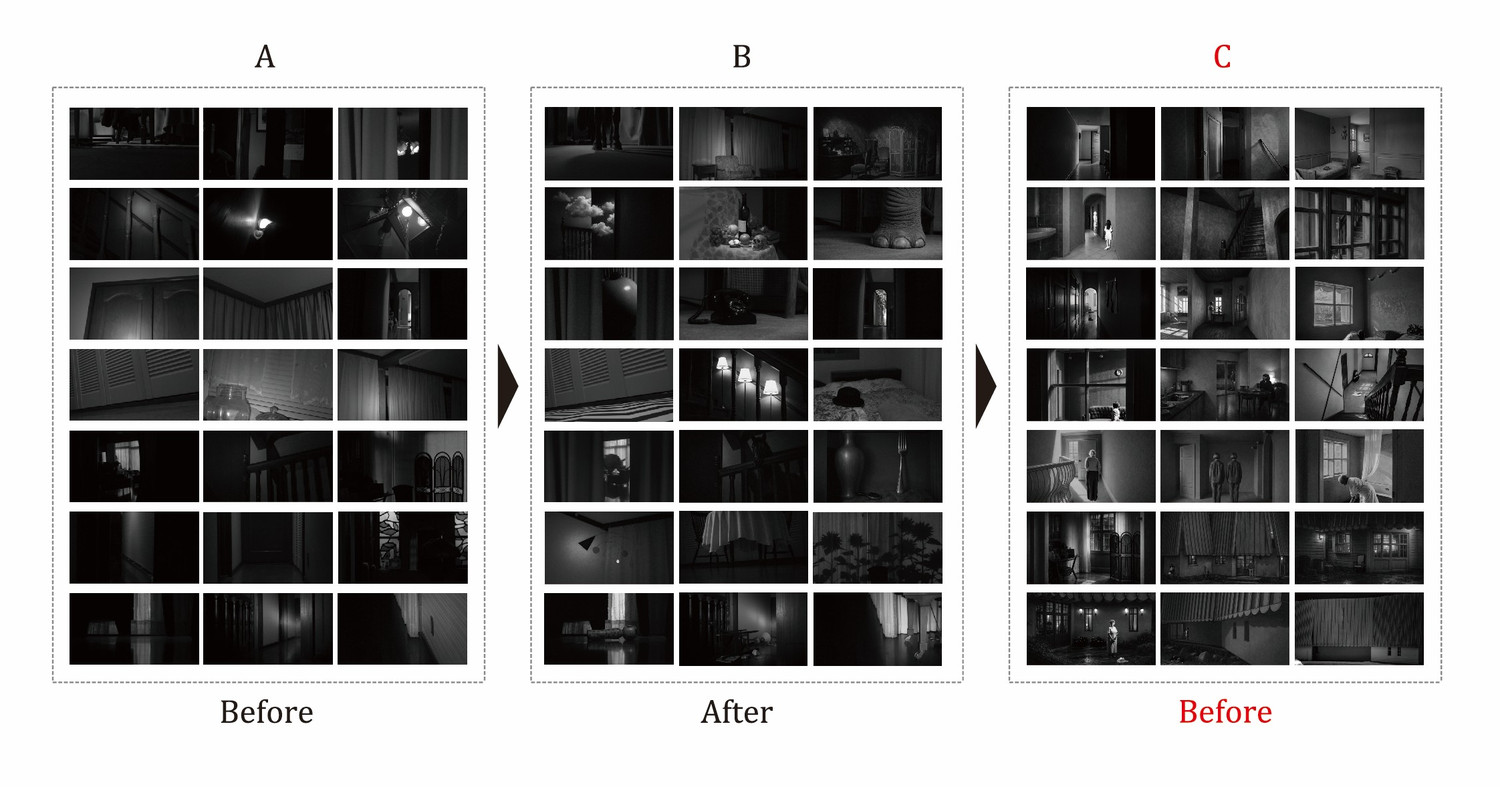
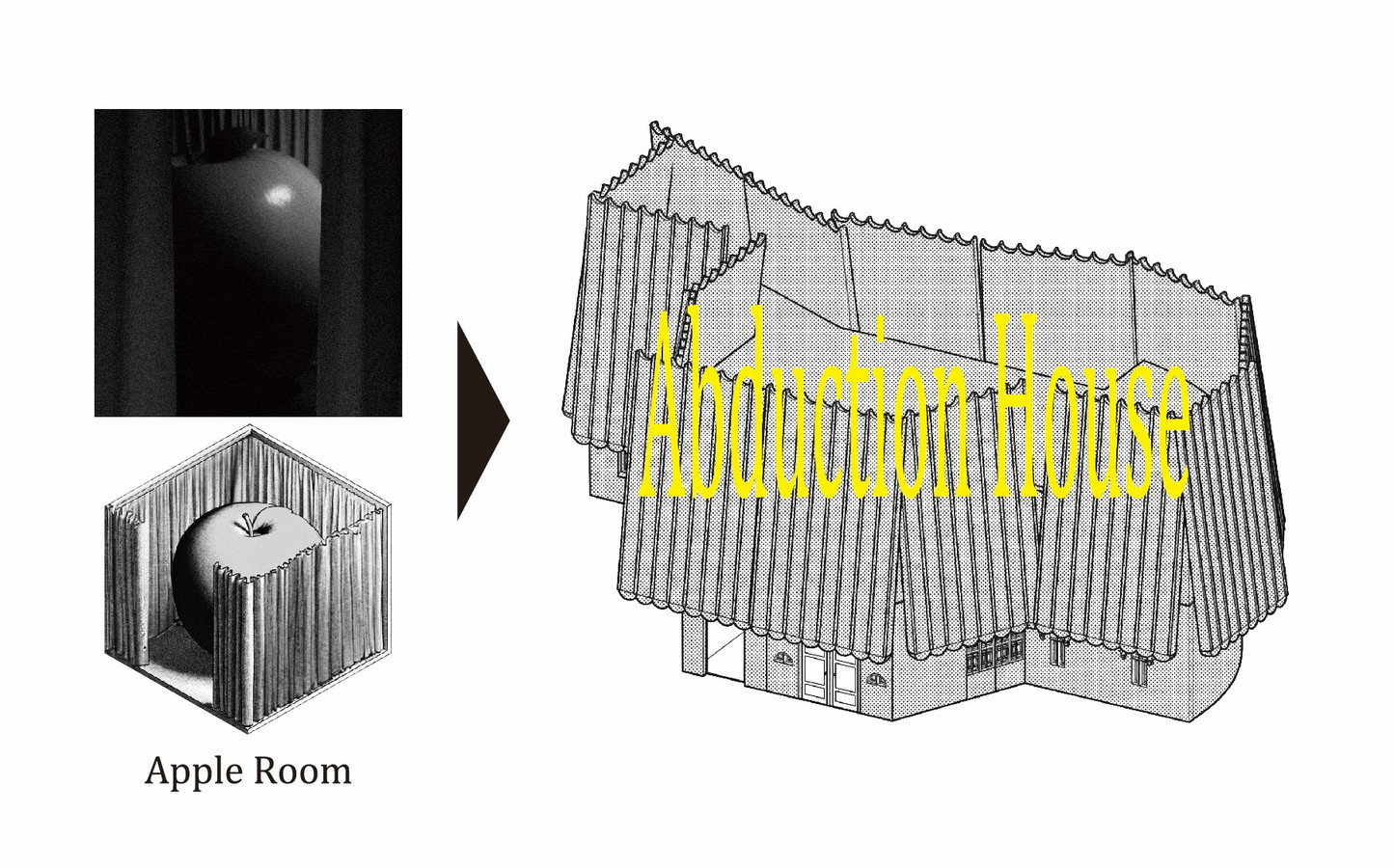
祖父母の家で体験した、夜間に外部から差し込んだ〈ある光〉は、事件として特定できるものではなく、主体や行為の意図を欠いたまま記憶に残存している。この体験は反復的に想起されることで、親しみのある家を次第に「全体を捉えることのできないもの」へと変質させていった。本研究は、フロイトの「不気味なもの」の概念を理論的基盤とし、抑圧されたものが偶然や反復を契機に回帰する現象を、恐怖としてではなく、向けられるべき対象の定まらない不安として捉える。そしてその感覚を、精神分析として内面に回収するのではなく、幼少期に祖父母の家で体験した説明不可能な出来事をアブダクションによって構成されたフィクショナルな家として外在化し、現実世界へ問い返すことを試みる。さらに、マーク・フィッシャーのいう「不在の失敗/現前の失敗」の概念を参照し、認識以前(Before)と認識以後(After)の状態を意図的に生成する。その操作は、ファウンドフッテージ的な映像における現実と虚構の狭間の揺らぎを表現する。そこから仮説形成的推論(アブダクション)によって設計された〈Abduction House〉は、予測不可能なプロパビリティを内包しながら、確定しえない出来事の気配を視覚表象として空間化する。このフィクショナルな家は、存在しないにもかかわらず、私たちが当然視している「現実」そのものが、知覚と記憶の編成によって成立していることを可視化させる。かつて18世紀ピラネージの幻想建築がそうであったように、私たちの知覚や記憶が構築する建築の姿は、単なる物理的な実体以上の意味を持ち得るのである。

The ‘certain light’ that shone in from outside at night, which I experienced in my grandparents’ house, cannot be identified as an event; it remains in memory without a subject or the intention of any act. Recalled again and again, this experience gradually transformed the familiar house into something “whose whole cannot be grasped.” This research takes Freud’s concept of “the uncanny” as its theoretical basis and understands the phenomenon in which the repressed returns through chance or repetition not as fear but as an anxiety without a determinate object. Rather than recovering that sensation inwardly as psychoanalysis, I attempt to externalize the inexplicable event I experienced as a child at my grandparents’ house as a fictional house constructed through abduction, and to pose it back to the real world. Furthermore, referring to Mark Fisher’s concepts of “the failure of absence / the failure of presence,” I deliberately generate states before cognition (Before) and after cognition (After). That operation expresses the wavering between reality and fiction in found-footage-like imagery. The ‘Abduction House’ designed from there through abductive reasoning (hypothesis formation) spatializes, as visual representation, the presence of an indeterminable event, while holding unpredictable probability within it. This fictional house, though it does not exist, makes visible that the very “reality” we take for granted is established through the organization of perception and memory. As the fantastical architecture of Piranesi in the 18th century once did, the form of architecture that our perception and memory construct can hold meaning beyond mere physical substance.

Awards

Cooperation

  • AIサウンド / 中村亜美、秋吉晃弥
  • Generative AI Sound / Ami Nakamura, Kouya Akiyoshi
  • ビデオコラージュ / 中村光輝
  • Video Collage / Koki Nakamura
  • 模型制作補助(旧) / 岡村岳
  • Model production assistance(Old) / Gaku Okamura
  • インタビュー / 姉、弟
  • Interview / Sister, Brother
  • 設営補助 / 川村幸輝、細野開友、菊池凌楽、奥川司
  • Set-up Support / Koki Kawamura, Kaiyu Hosono, Ryota Kikuchi, Tsukasa Okugawa
Reference →
← Works
It Feels Like Someone’s There, Yet the Sound Never Stops
Installation view, TUB Showing © 2025 by Hitoki Keino
It Feels Like Someone’s There, Yet the Sound Never Stops — Installation view 2
Installation view, TUB Showing © 2025 by Hitoki Keino
It Feels Like Someone’s There, Yet the Sound Never Stops — Installation view 3
Installation view, TUB Showing © 2025 by Hitoki Keino
It Feels Like Someone’s There, Yet the Sound Never Stops — Installation view 4
Installation view, TUB Showing © 2025 by Hitoki Keino
It Feels Like Someone’s There, Yet the Sound Never Stops — Installation view 5
Installation view, TUB Showing © 2025 by Yoshiyuki Fujiwara
It Feels Like Someone’s There, Yet the Sound Never Stops — Installation view 6
Installation view, TUB Showing © 2025 by Yoshiyuki Fujiwara
It Feels Like Someone’s There, Yet the Sound Never Stops — Installation view 7
Installation view, TUB Showing © 2025 by Yoshiyuki Fujiwara
It Feels Like Someone’s There, Yet the Sound Never Stops — Installation view 8
Installation view, TUB Showing © 2025 by Yoshiyuki Fujiwara
It Feels Like Someone’s There, Yet the Sound Never Stops — Installation view 9
Installation view, TUB Showing © 2025 by Yoshiyuki Fujiwara
It Feels Like Someone’s There, Yet the Sound Never Stops — Installation view 10
Installation view, TUB Showing © 2025 by Yoshiyuki Fujiwara

It Feels Like Someone’s There, Yet the Sound Never Stops

2025 / Video, Short film, Installation, 10:50 min
Co-produced by: Rimi Arimoto

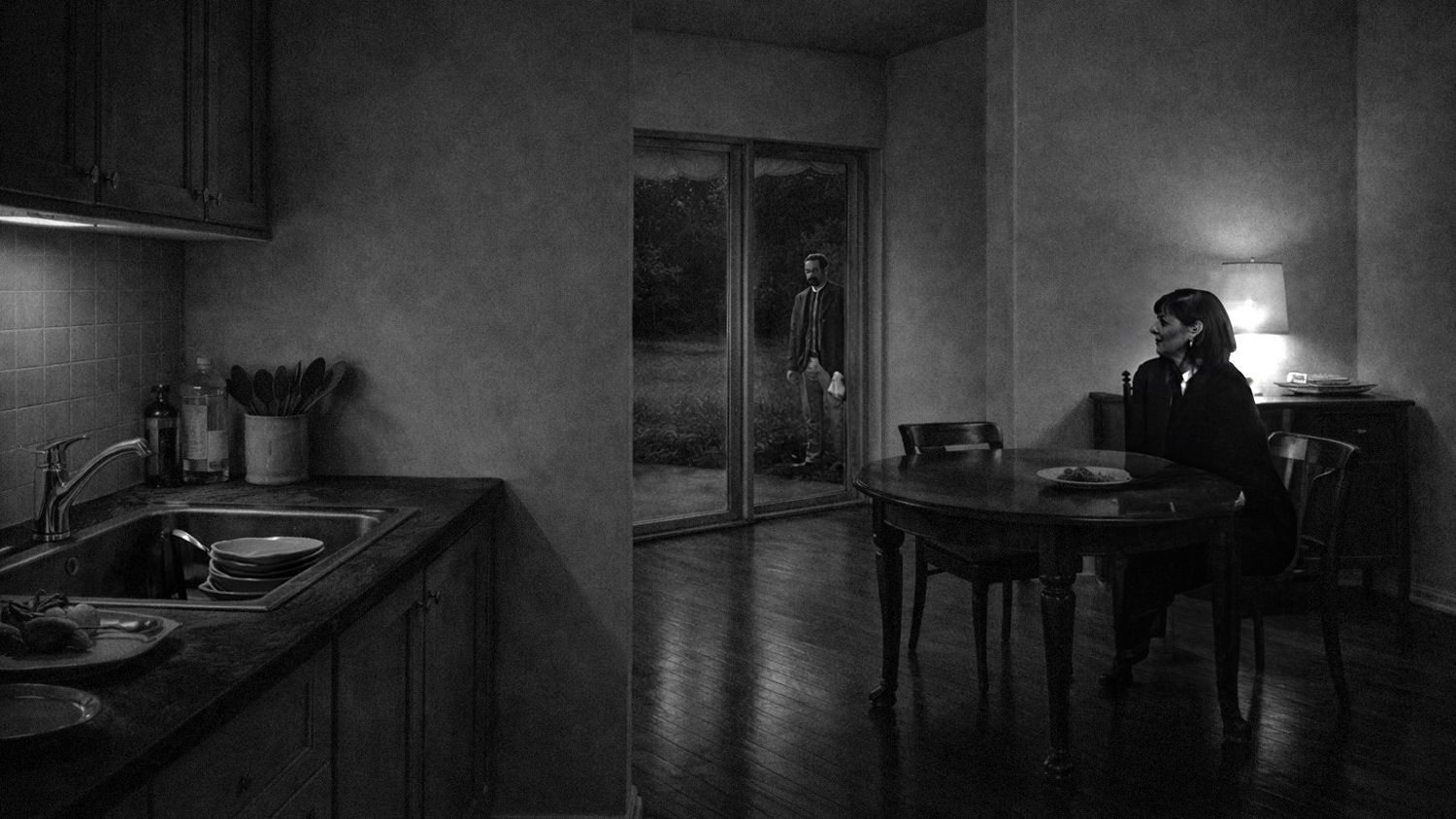
本作は、見慣れた空間がふいに私たちの前に不穏な光景として立ち現れる瞬間を追う。たとえば、いつも通る部屋にも関わらず侵入しているような感覚や、人の気配が消えてドアの閉まる音だけが過剰に響くときの不安など。画家ハンマスホイが「まさに誰もいないときこそ、それは美しい」と語ったように、かつて誰かがいた痕跡とすでに不在となった気配が重なり合う。ここでの映像と音は、存在/不在、現実/虚構のあいだに広がるリミナルな領域を抽出し、個人的な記憶と普遍的な不安が交錯する場として提示する。

This work captures the moment when a familiar space suddenly appears before us as an unsettling sight. For instance, the sensation of intruding into a room you pass through daily, or the unease when human presence vanishes and only the sound of a door closing echoes excessively. As painter Hammershøi stated, “It is precisely when no one is there that it is beautiful,” traces of someone who once occupied the space overlap with the now absent presence. Here, the imagery and sound extract the liminal zone between presence/absence and reality/fiction, presenting it as a space where personal memory and universal anxiety intersect.

Cooperation

  • 展示台デザイン / 藤原禎之
  • Exhibition Display Design / Yoshiyuki Fujiwara
  • 展示写真 / 藤原禎之
  • Exhibition Photography / Yoshiyuki Fujiwara
← Works
Facade Model
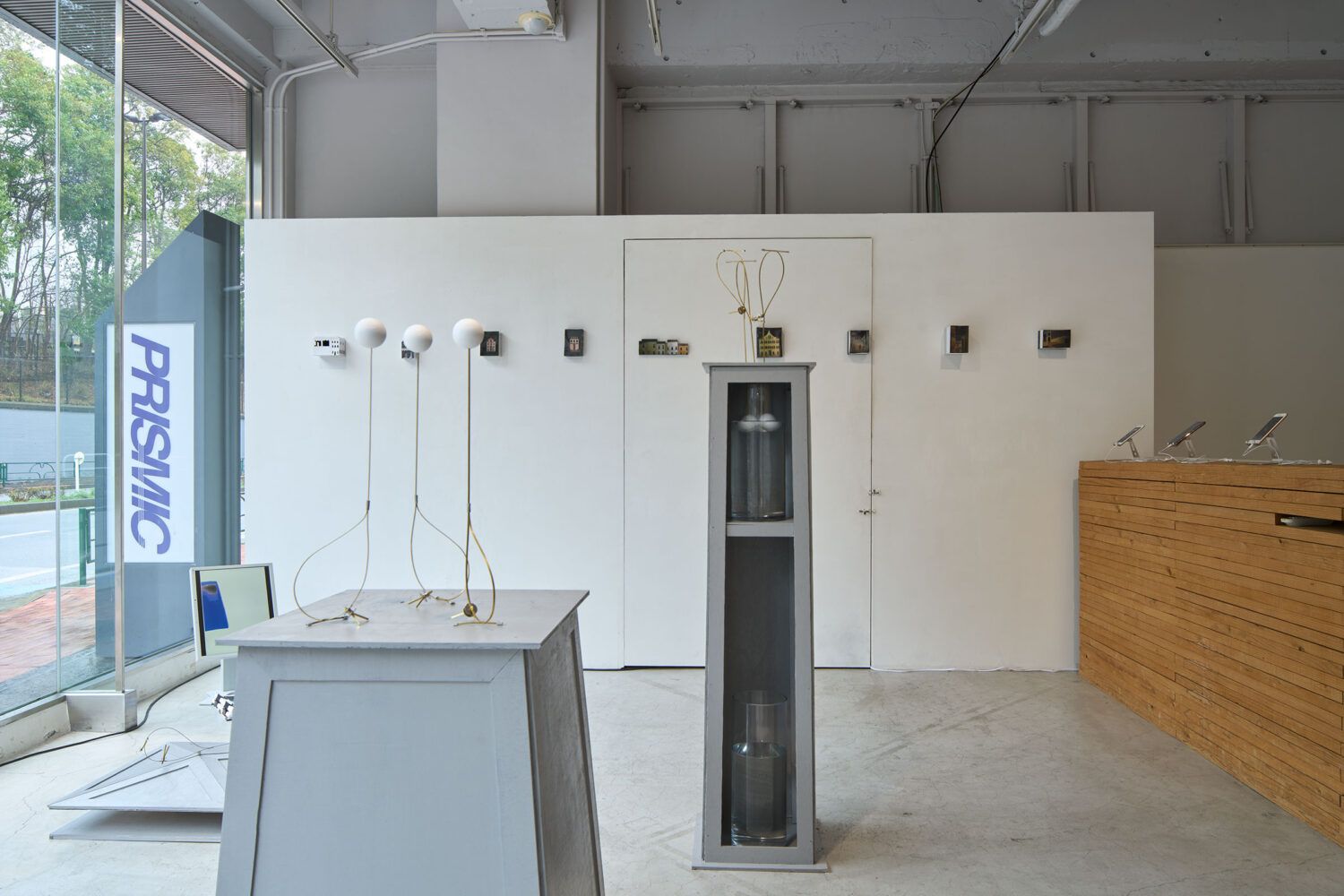
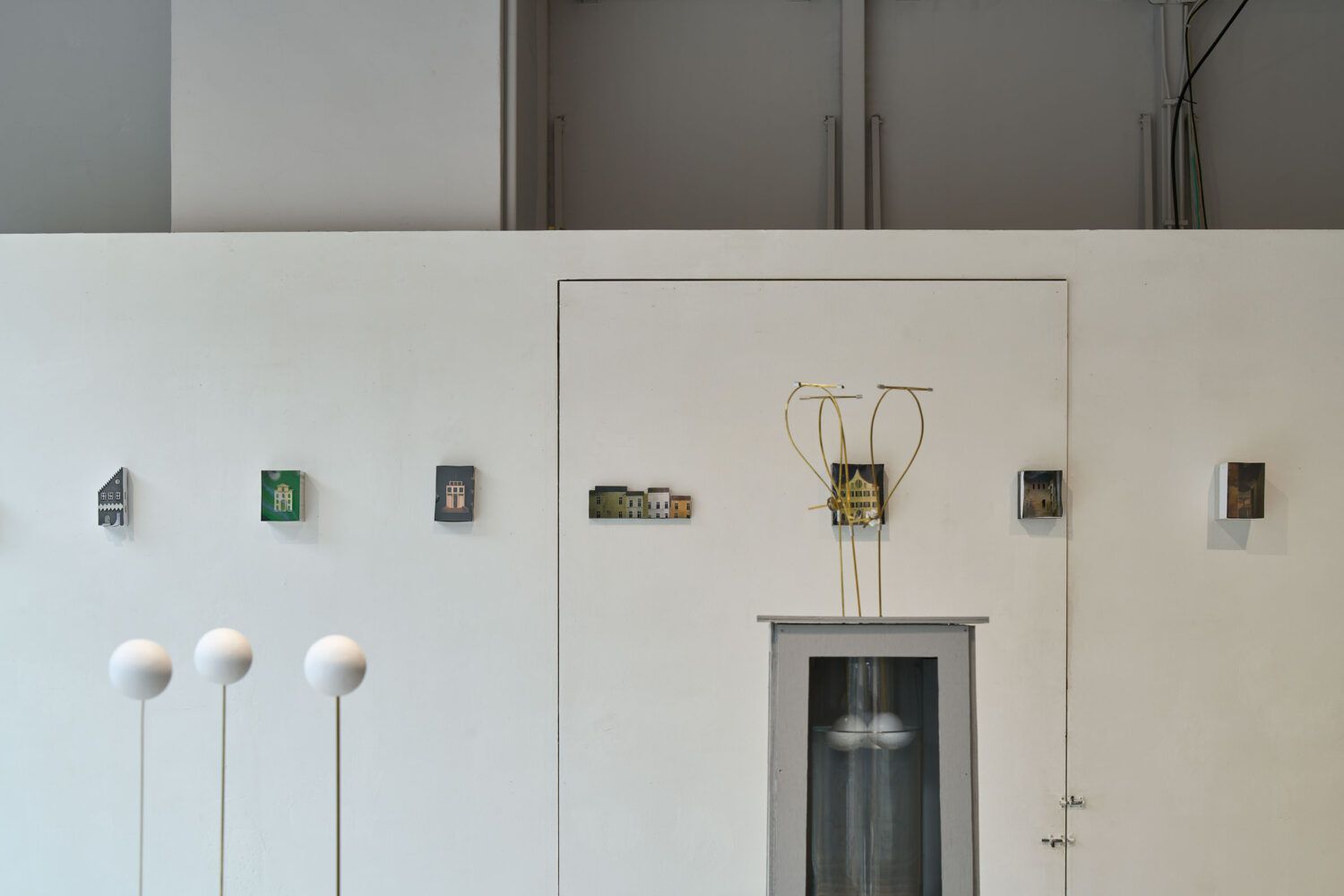
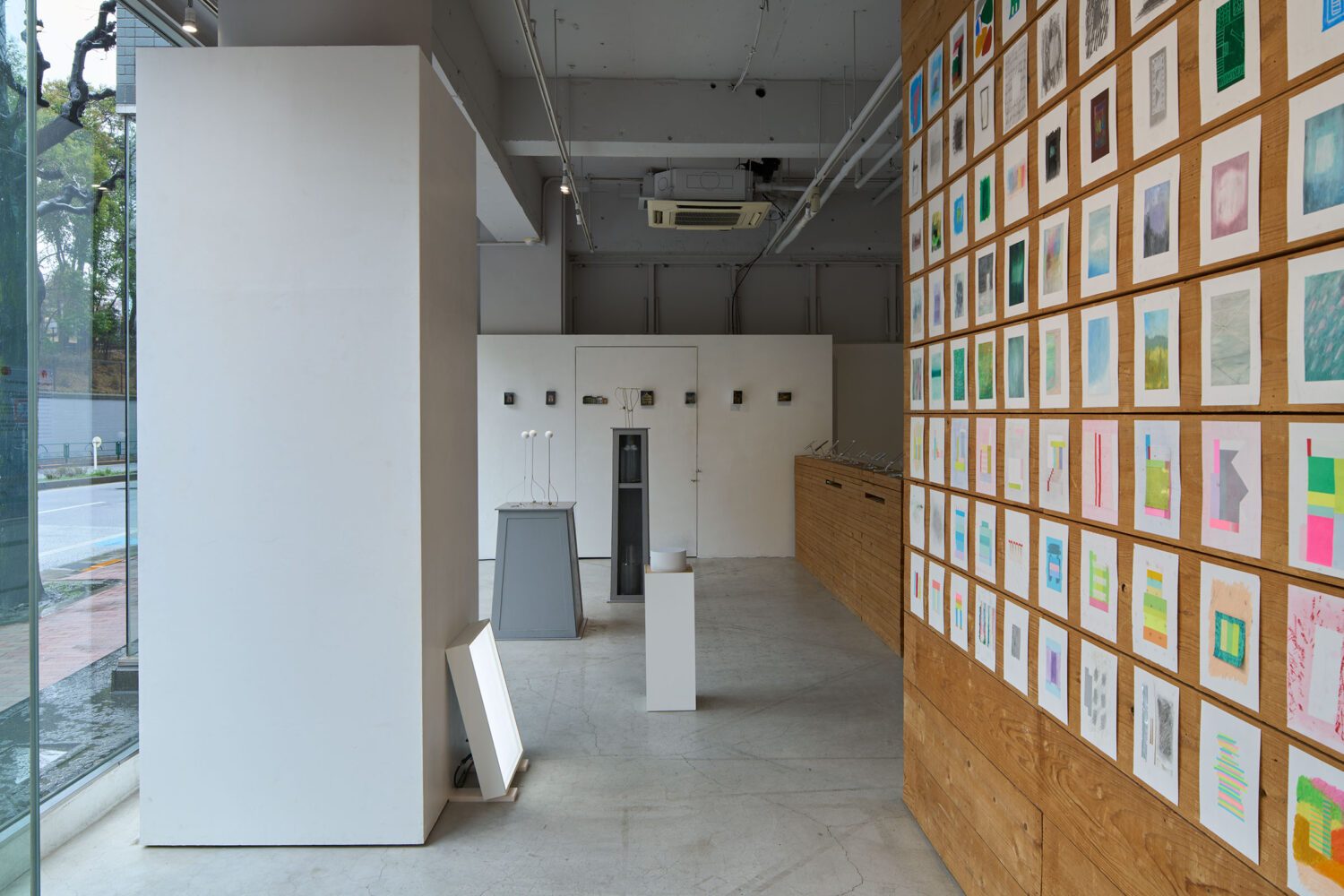
慶野仁希(スタジオユアサ)「Facade Model」Hitoki Keino (Studio Yuasa) “Facade Model”/ © 2025 studioyuasa
Facade Model — Installation view 011
慶野仁希(スタジオユアサ)「箱模型/Facade Model」Hitoki Keino (Studio Yuasa) “Facade Model”/ Installation view, Anybody Seen the Same River Twice? © 2025 by StudioXxingham K.K. is licensed under CC BY-NC-ND 4.0
Facade Model — Installation view 015
慶野仁希(スタジオユアサ)「箱模型/Facade Model」Hitoki Keino (Studio Yuasa) “Facade Model”/ Installation view, Anybody Seen the Same River Twice? © 2025 by StudioXxingham K.K. is licensed under CC BY-NC-ND 4.0
Facade Model — Installation view
慶野仁希(スタジオユアサ)「箱模型/Facade Model」Hitoki Keino (Studio Yuasa) “Facade Model”/ Installation view, Anybody Seen the Same River Twice? © 2025 by StudioXxingham K.K. is licensed under CC BY-NC-ND 4.0
Facade Model — Installation view 022
慶野仁希(スタジオユアサ)「箱模型/Facade Model」Hitoki Keino (Studio Yuasa) “Facade Model”/ Installation view, Anybody Seen the Same River Twice? © 2025 by StudioXxingham K.K. is licensed under CC BY-NC-ND 4.0
Facade Model — Installation view 023
慶野仁希(スタジオユアサ)「箱模型/Facade Model」Hitoki Keino (Studio Yuasa) “Facade Model”/ Installation view, Anybody Seen the Same River Twice? © 2025 by StudioXxingham K.K. is licensed under CC BY-NC-ND 4.0

Facade Model

2025 / Collage, Relief, Depaysement, Generative AI, Framing, Layering, Pattern Language, Lineament

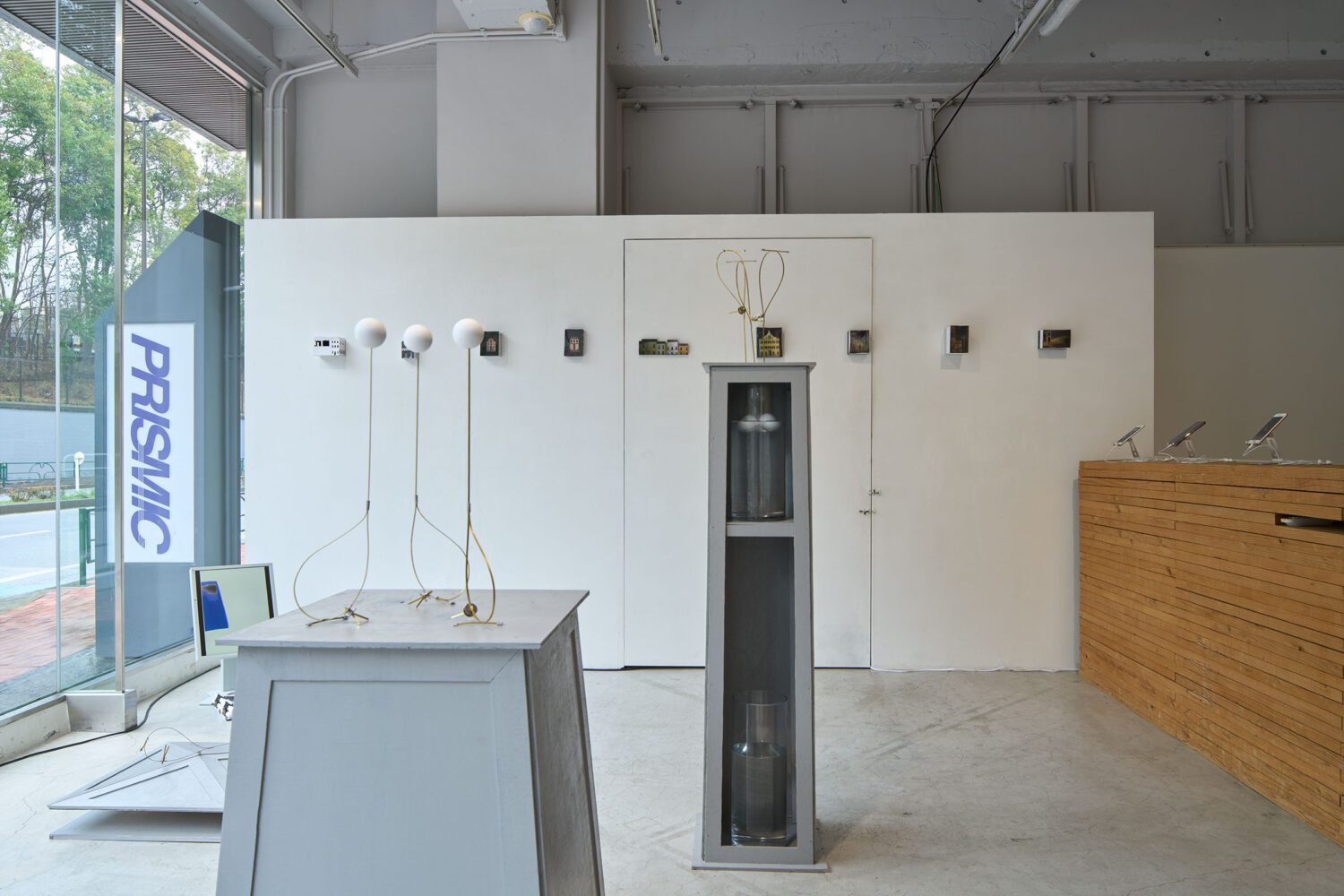
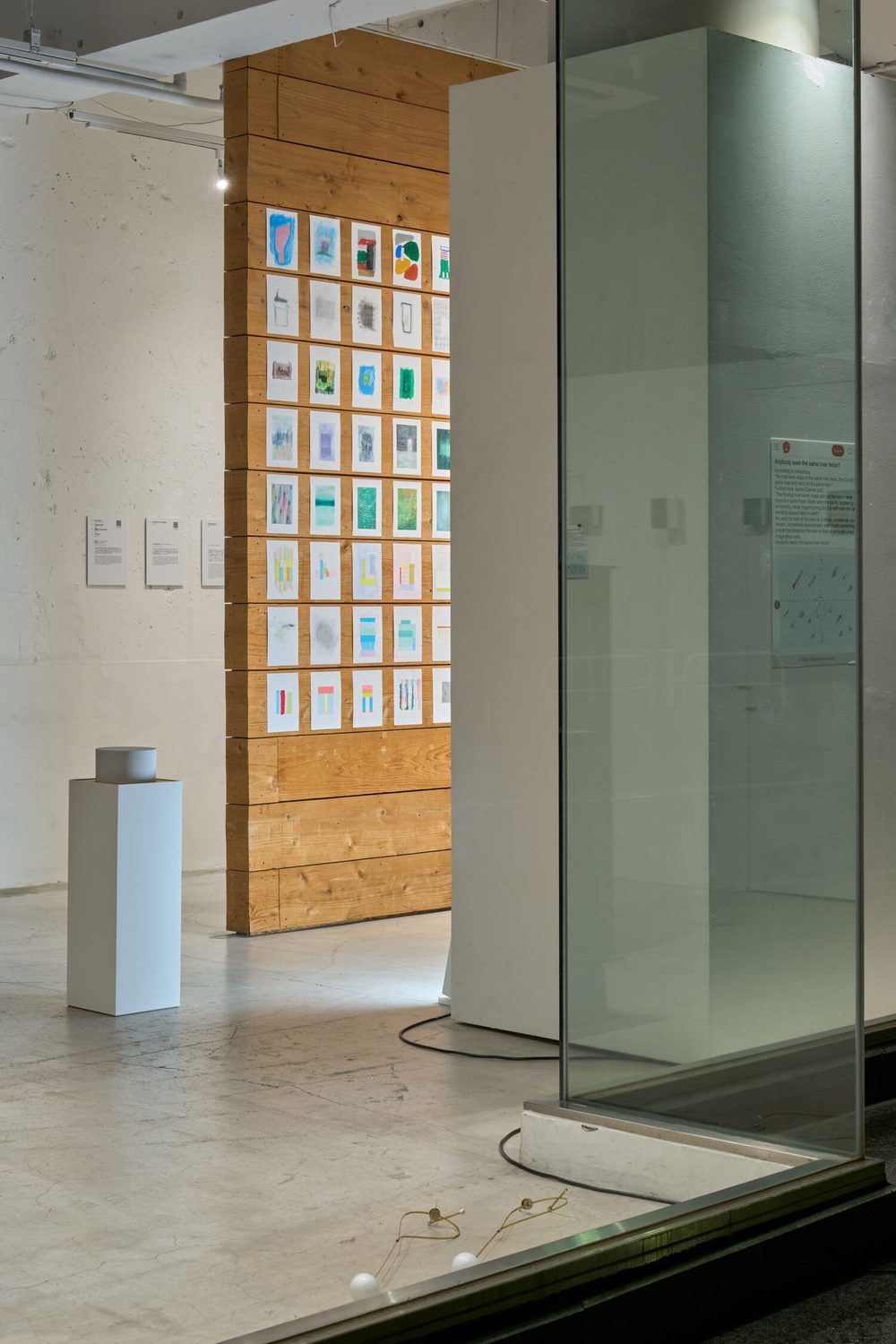
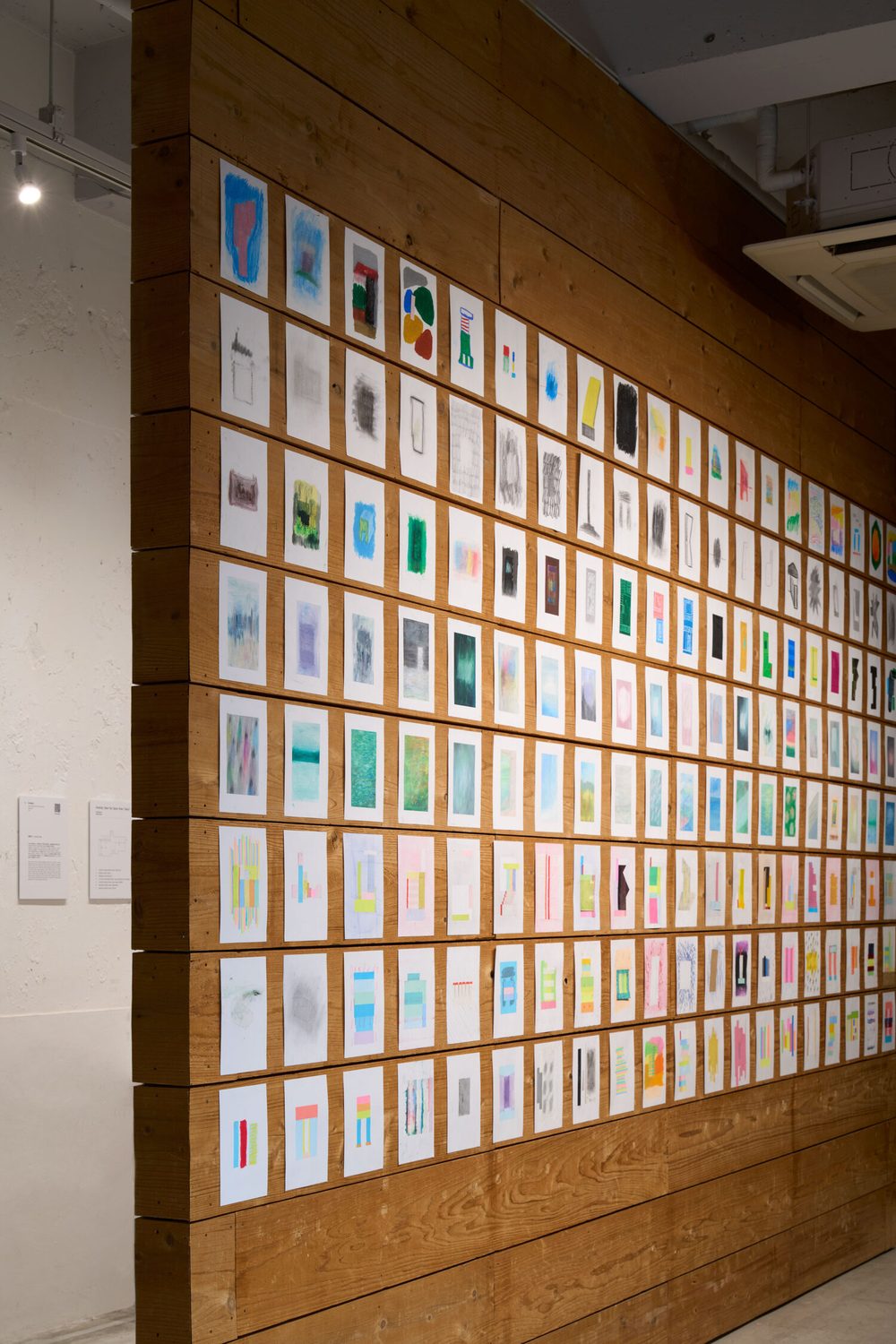
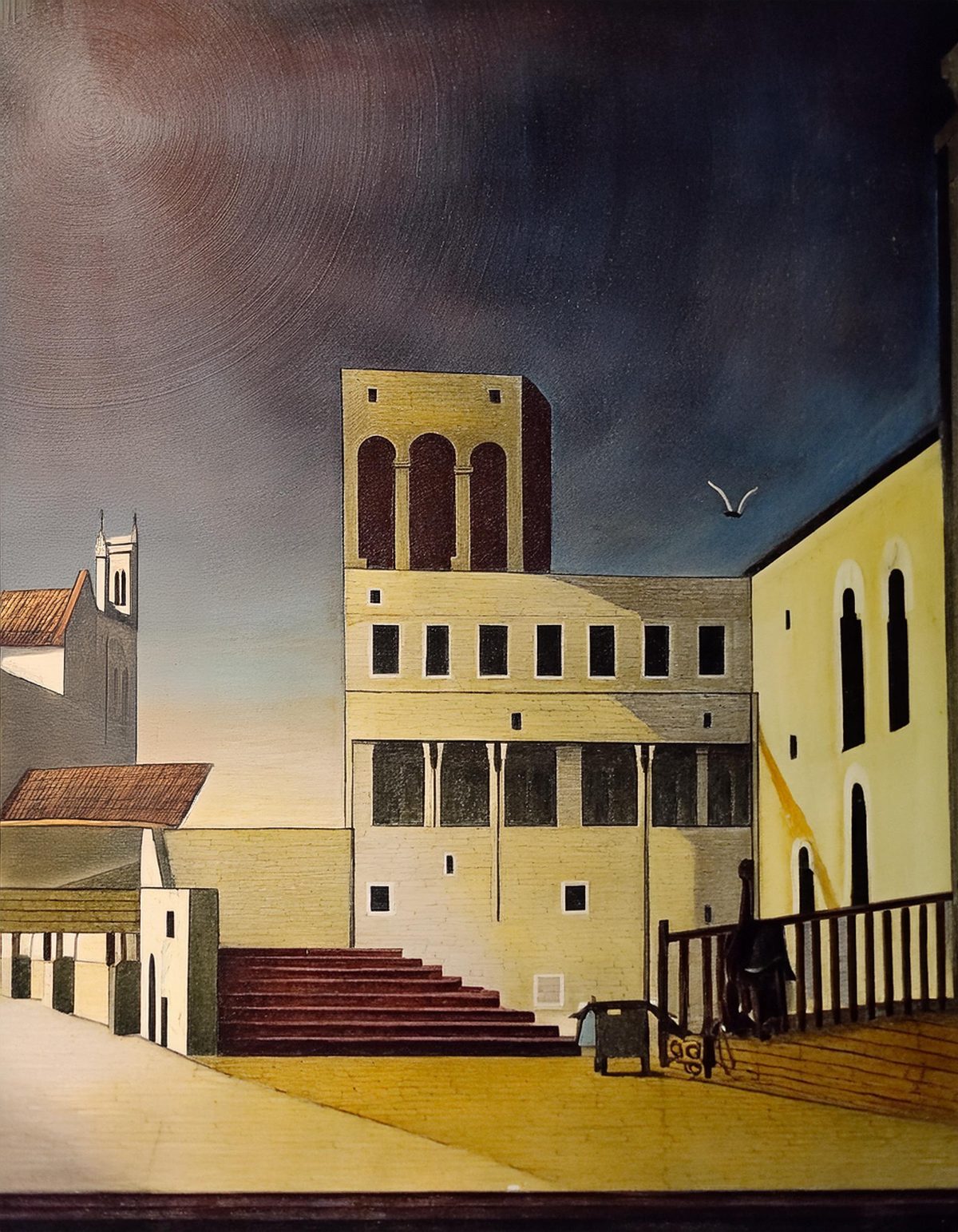
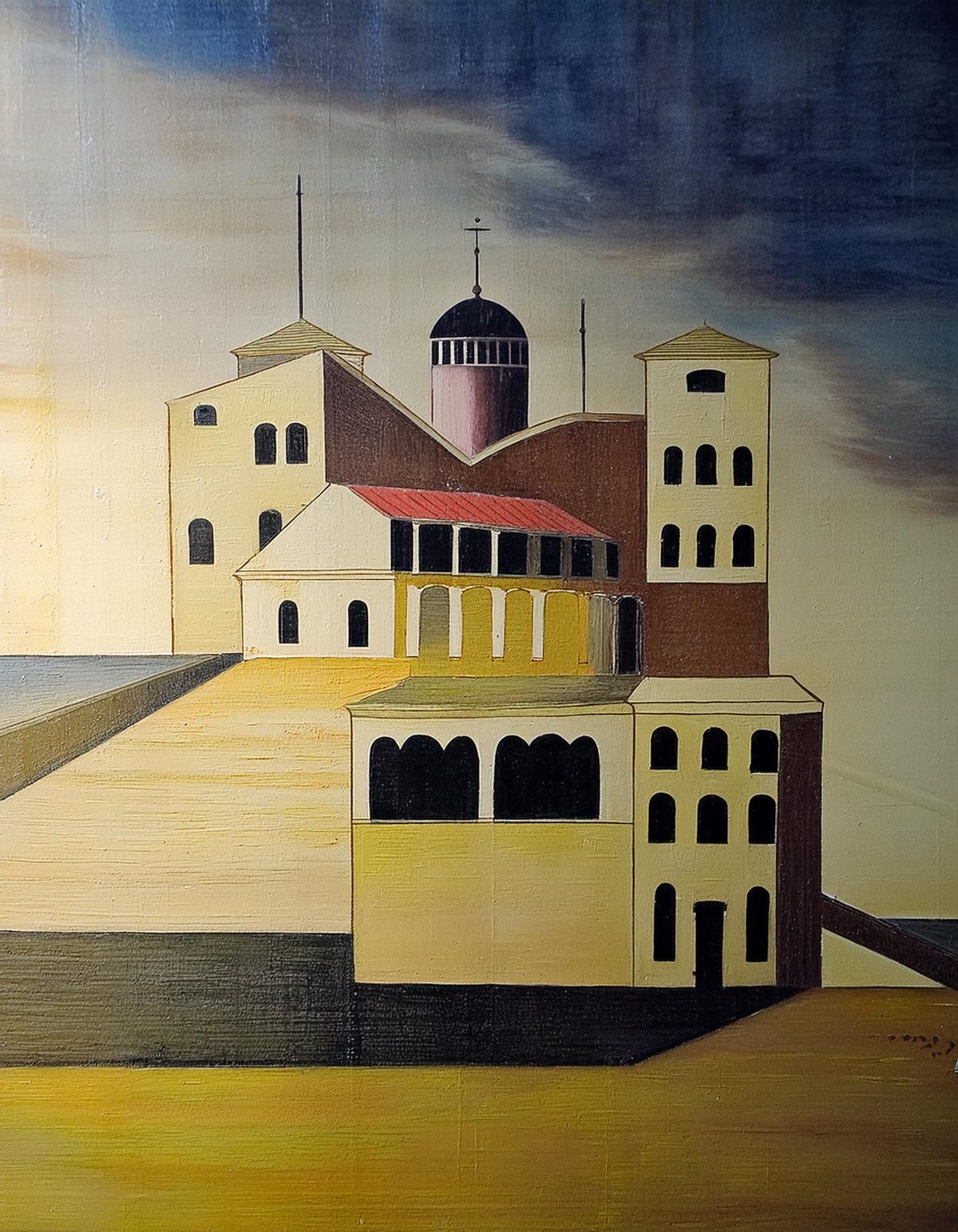
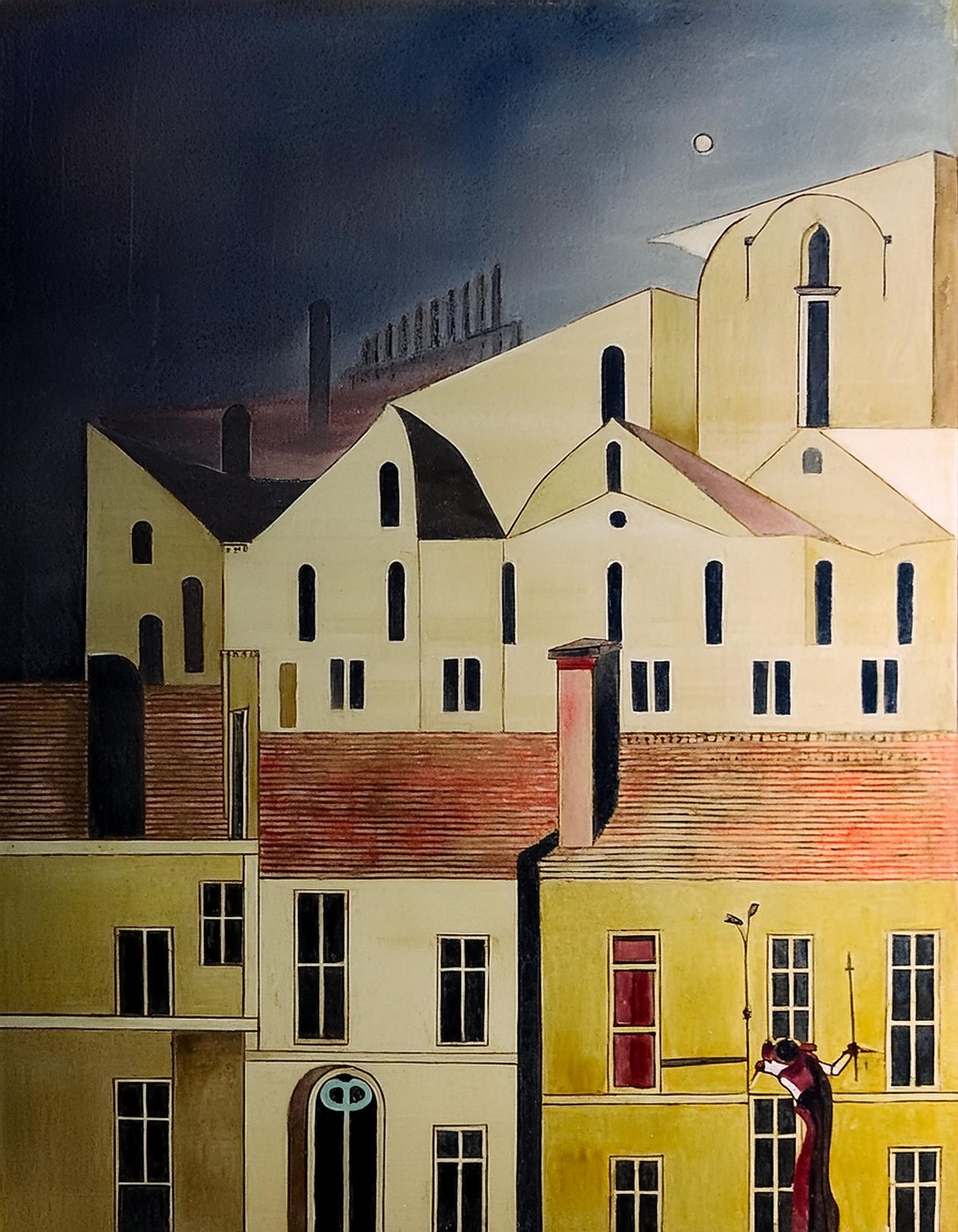
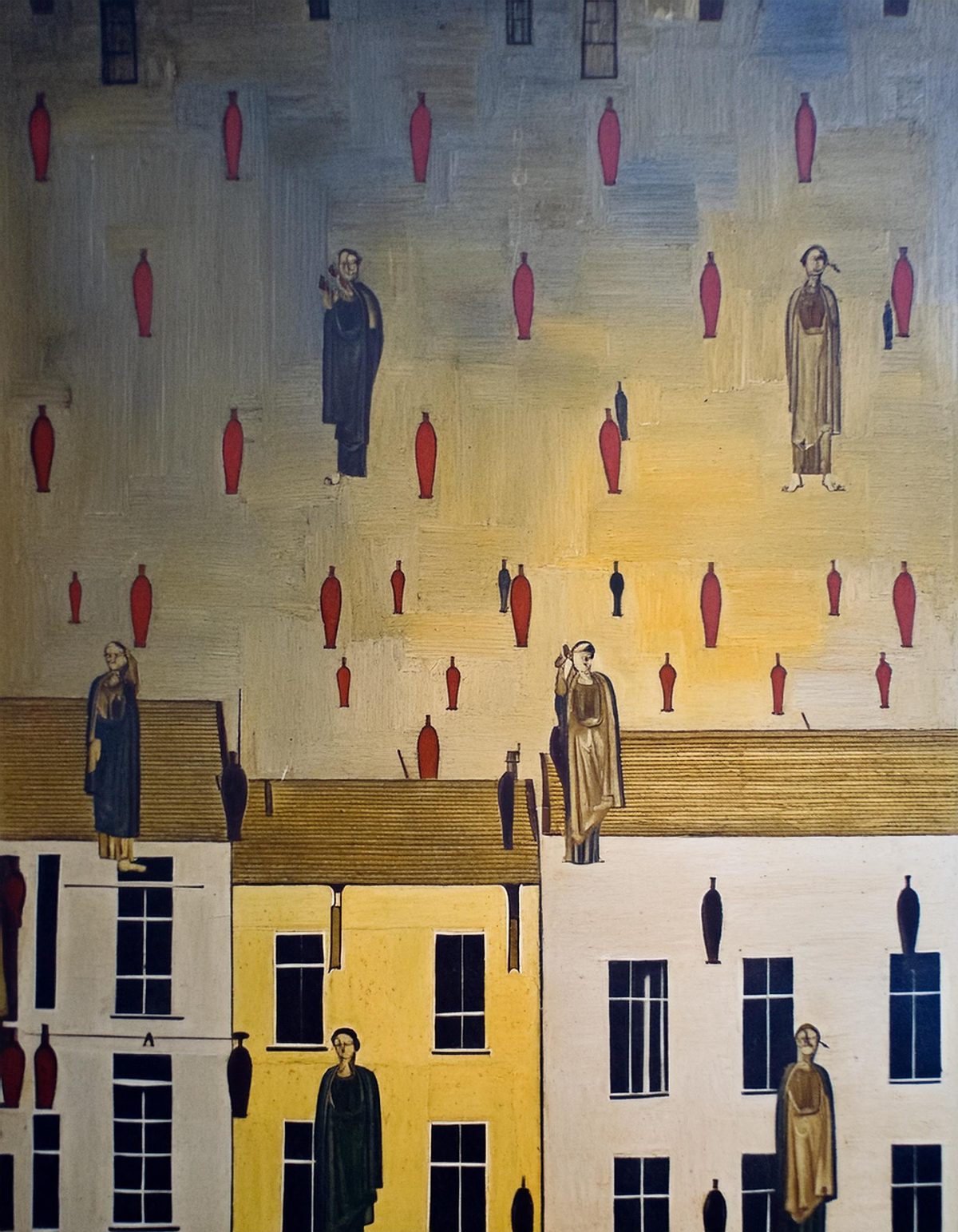
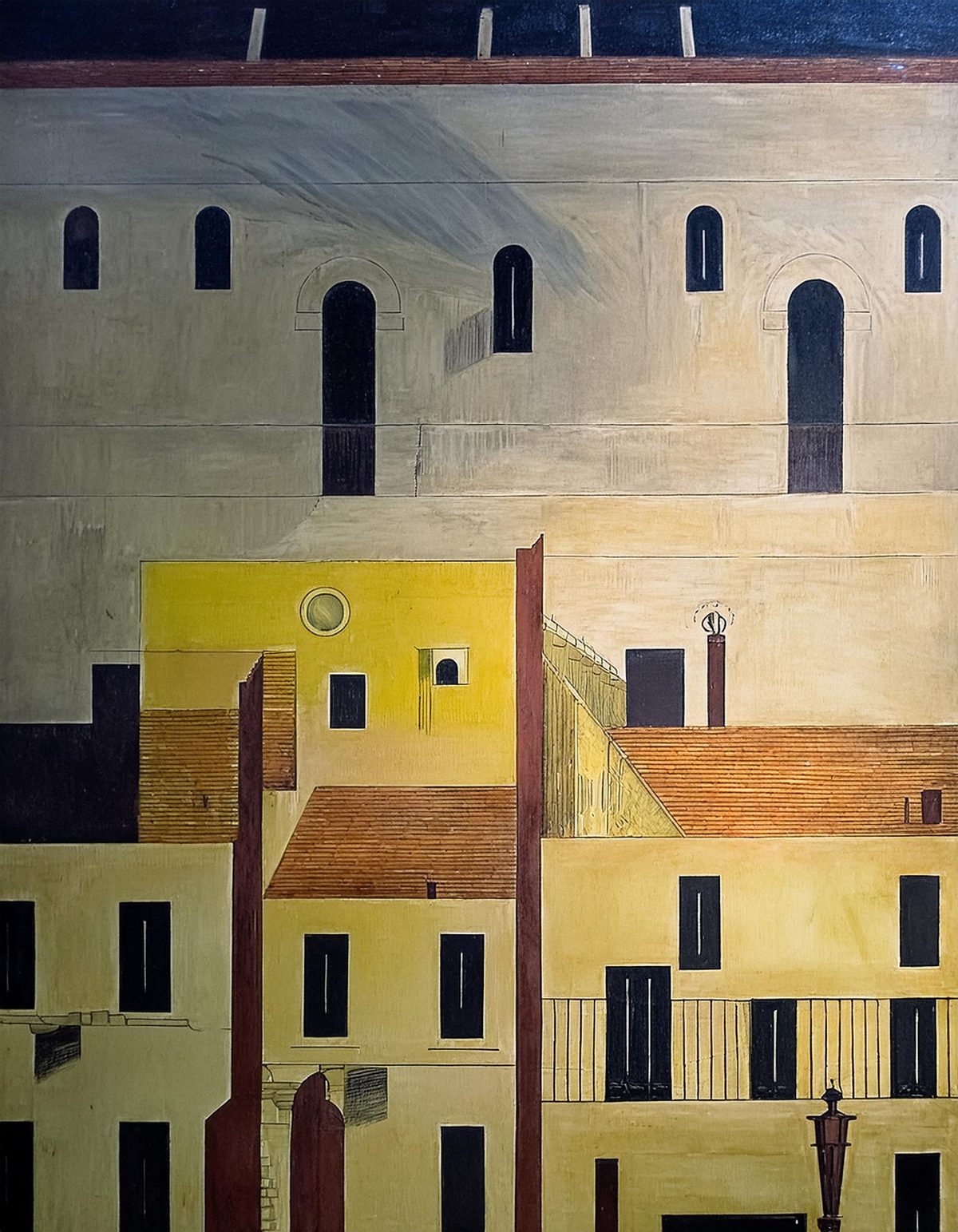
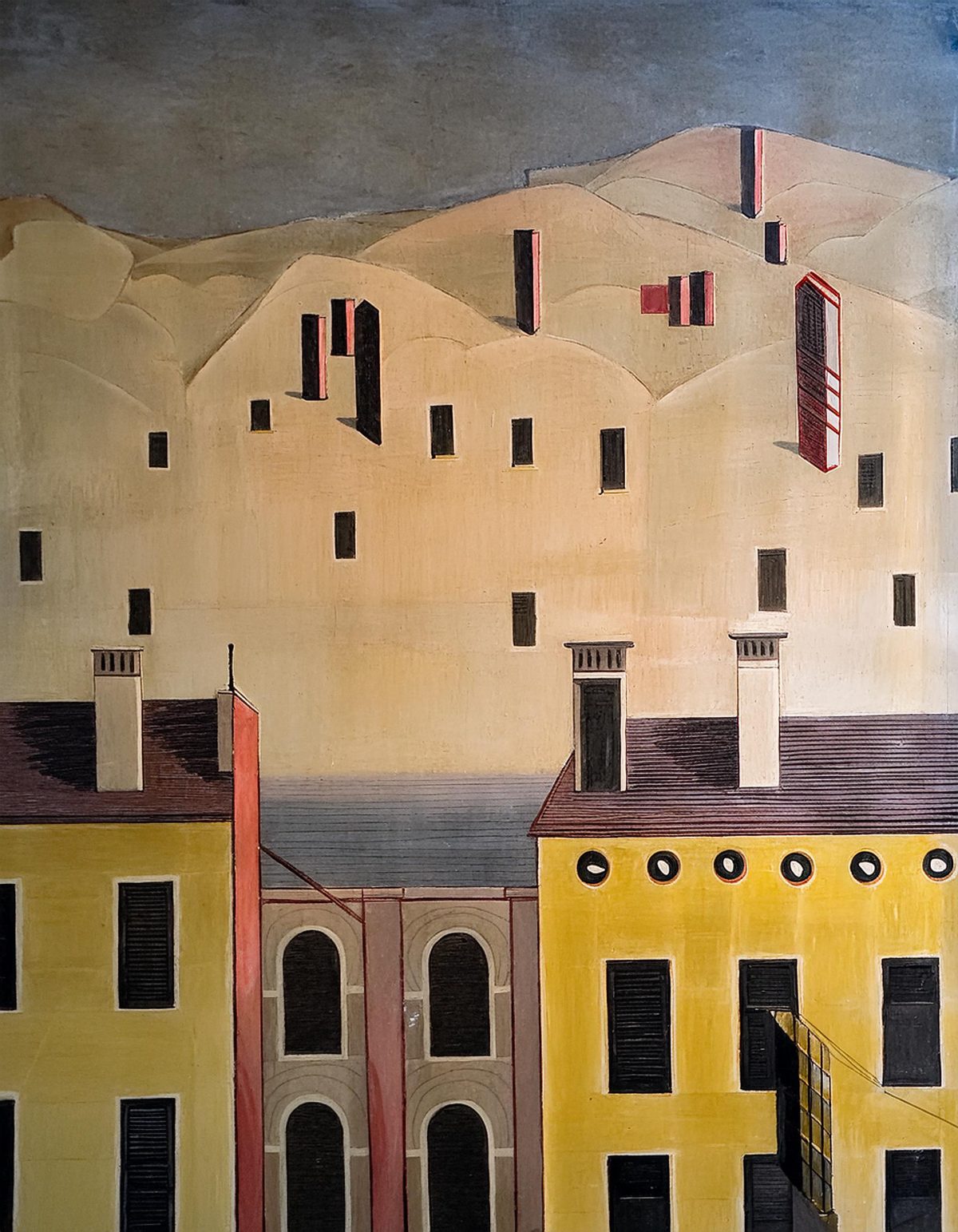
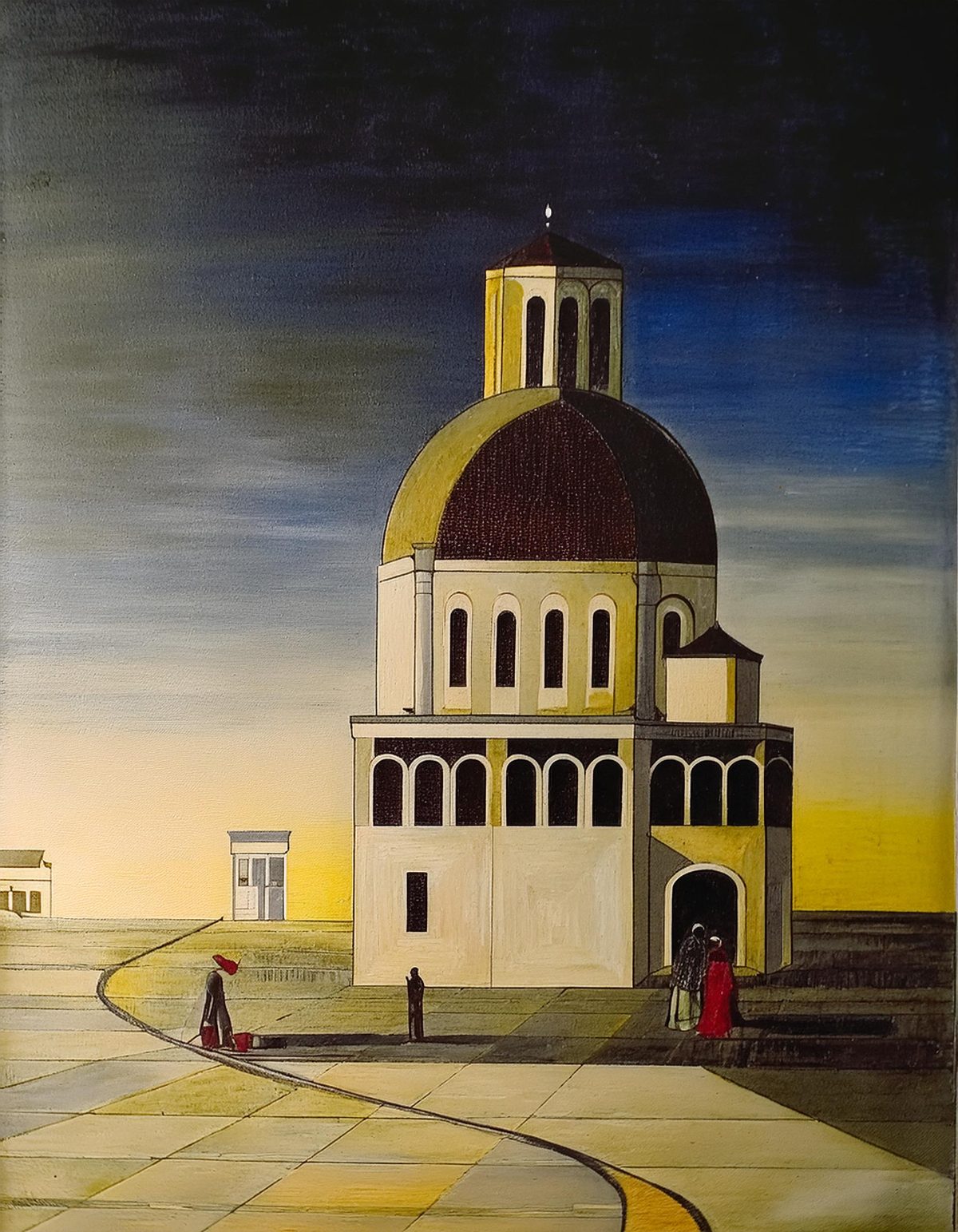
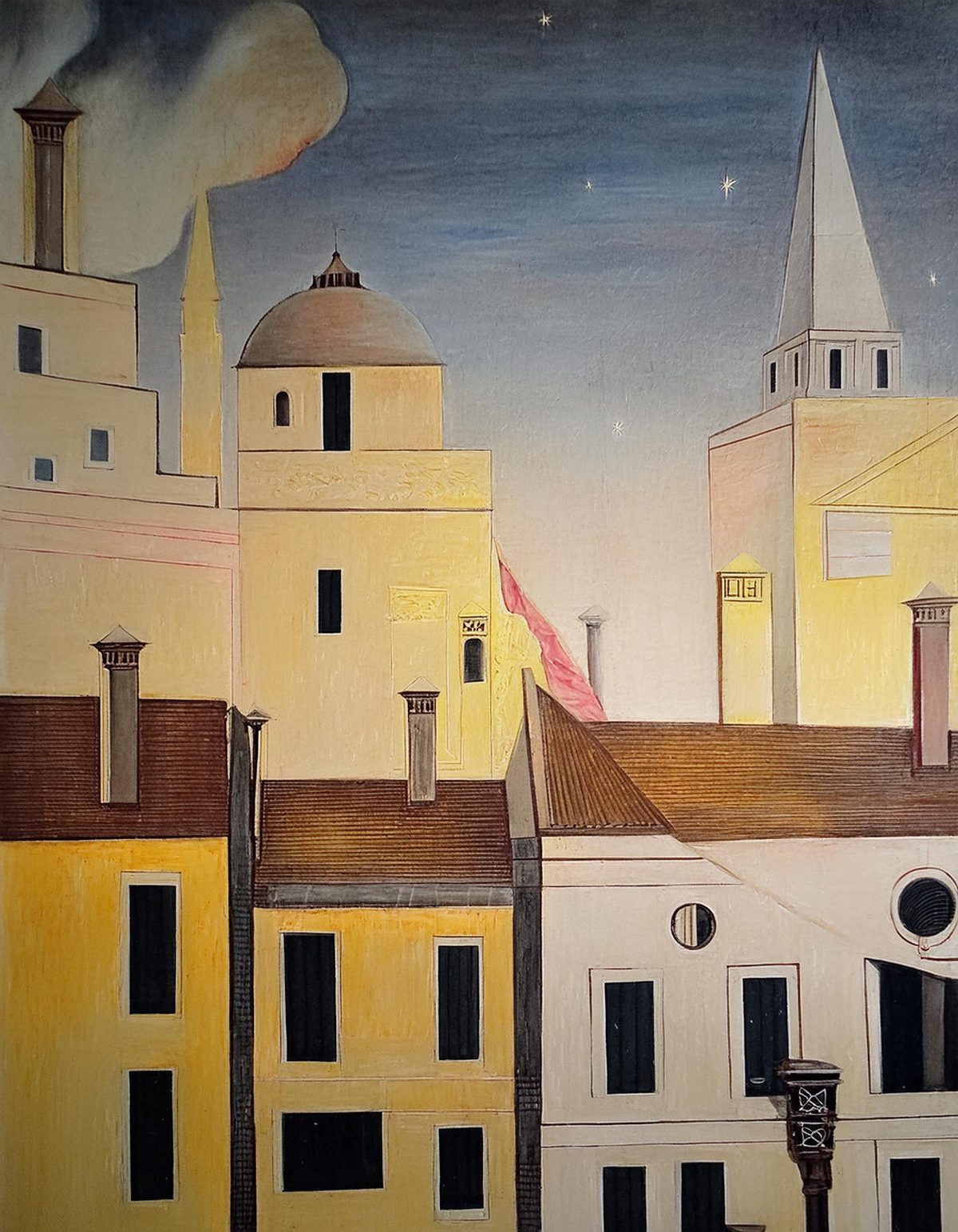
私たちの世界は、かつてない速度で変化し、物事の輪郭は曖昧になりつつある。デジタル技術の発展は、時間と空間の感覚を拡散させ、現実と仮想、二次元と三次元、記憶と記録の境界を解放している。本作《箱模型 / Facade Model》は、AIによって出力された二次元のイメージを三次元の立体作品へと変換することで、視覚の錯覚と知覚の転移を生じさせる試みである。また、本作は立体作品における「Flatness(平面性)」の概念の拡張や、西洋美術におけるデペイズマン(異化)やリニアメント(基準線、補助線)、コラージュ、レイヤリング、フレーミングといった手法を用い、プロポーションの精緻さを踏襲しながらも、それらを解体し、視覚がもつ空間の可逆性を探る。さらに、ジョセフ・コーネルが箱の中に物語を閉じ込めたように、本作もまた、箱という名の内側に異なる時間や空間を折り重ね、そこに視覚的な揺らぎを宿らせる。箱という形式は、内部と外部、存在と非存在を隔てている装置でありながら、同時にそれらを接続するメディウムでもある。

Our world is changing at an unprecedented speed, and the outlines of things are growing blurred. The development of digital technology has diffused our sense of time and space, releasing the boundaries between the real and the virtual, the two-dimensional and the three-dimensional, memory and record. This work, Facade Model, is an attempt to produce visual illusion and a transfer of perception by converting two-dimensional images output by AI into a three-dimensional sculptural work. The work also extends the concept of “flatness” in sculpture and employs methods from Western art such as dépaysement (estrangement), lineament (reference and auxiliary lines), collage, layering, and framing; while following the precision of proportion, it dismantles it, exploring the reversibility of space that vision holds. Furthermore, just as Joseph Cornell enclosed stories within boxes, this work too folds different times and spaces within the interior called a “box” and lets visual wavering dwell there. The form of the box is a device that separates inside from outside, existence from non-existence, yet at the same time a medium that connects them.

展覧会全体が「流れゆく時間の中で空間を回り還す視点の運動」をテーマとしているように、本作品もまた、固定されたものではなく、視点の移動によって異なる像が現れる。ある瞬間にはただの平面に見えたものが次の瞬間には立体的に変化し、さらにそこからまたイメージへと戻る。本作は、この往還運動を通じて、イメージと物質、視点と空間の関係は固定的なものではなく、知覚の枠組みによって常に変容し続けることを示唆し、視覚表象の時間的・空間的特性が交差する構造を提示するものである。

Just as the exhibition as a whole takes as its theme “the movement of a viewpoint that circles back through space in flowing time,” this work too is not fixed; different images appear as the viewpoint moves. What appeared as a mere flat plane at one moment changes into something three-dimensional the next, and then returns once more to image. Through this back-and-forth movement, the work suggests that the relationships between image and matter, and between viewpoint and space, are not fixed but constantly transform according to the framework of perception, and presents a structure in which the temporal and spatial characteristics of visual representation intersect.

Reference →
← Works
7 iPhones
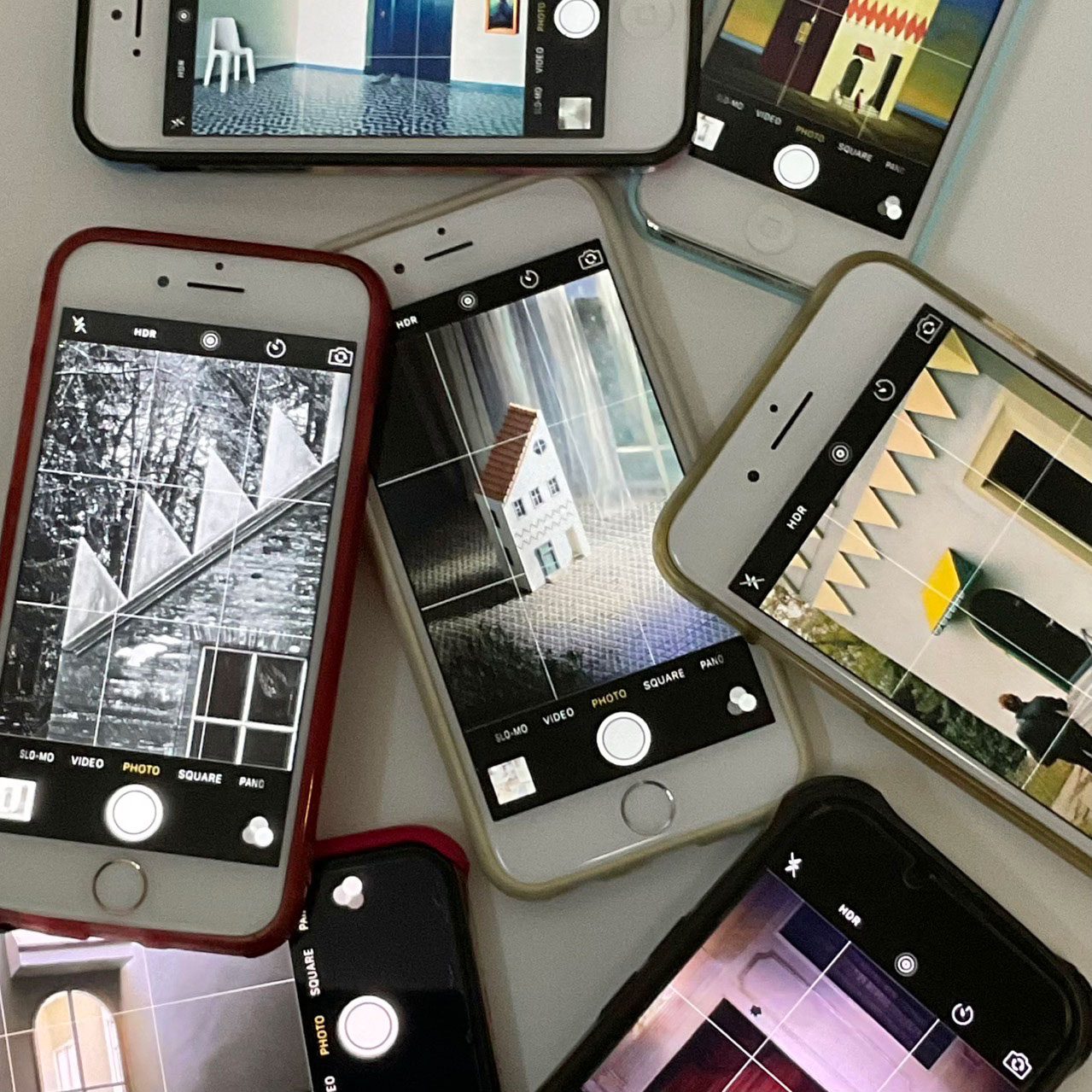
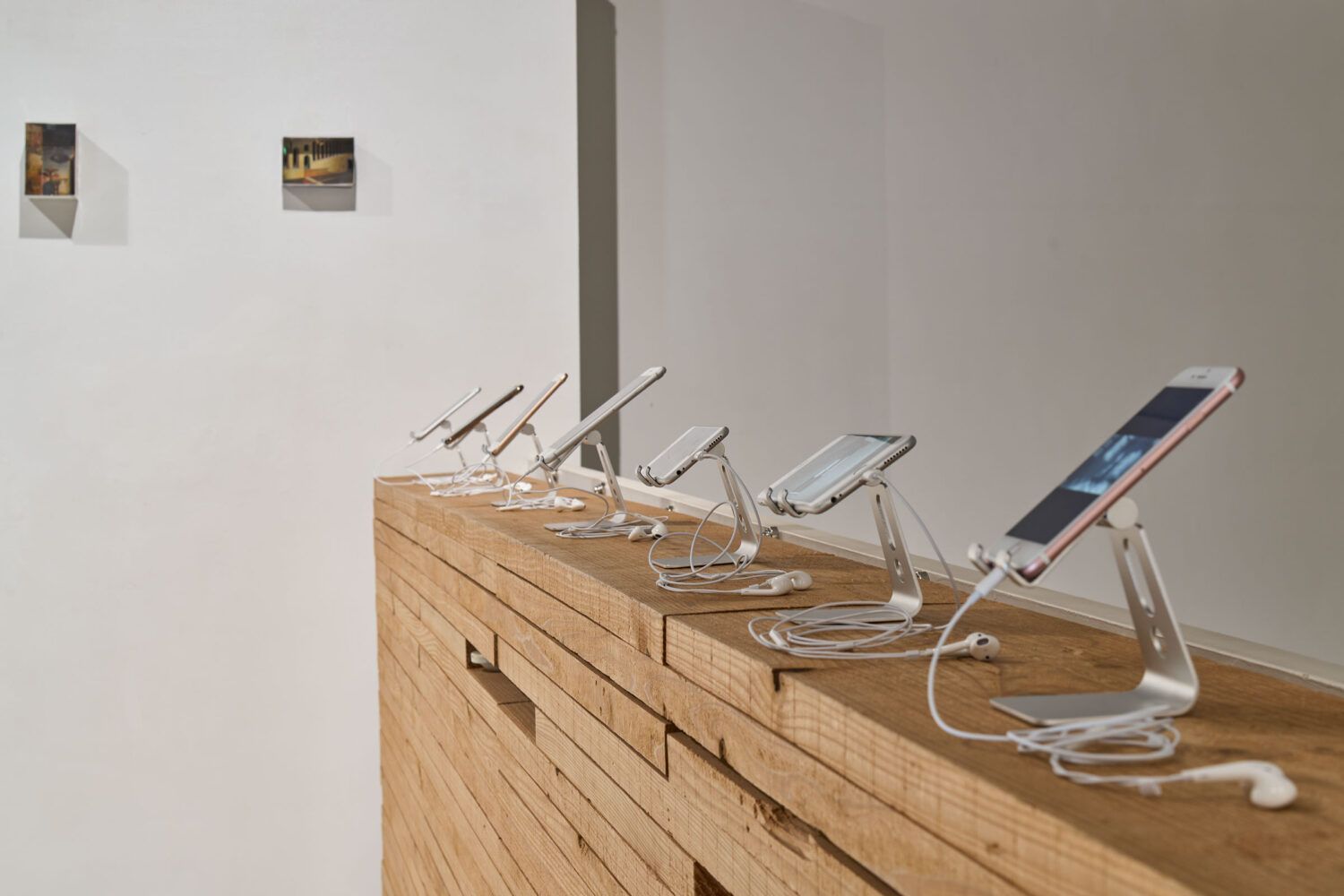
慶野仁希(スタジオユアサ)「7 iPhones」Hitoki Keino (Studio Yuasa) “7 iPhones”/ © 2025 studioyuasa
7 iPhones — Installation view 006
慶野仁希(スタジオユアサ)「7 iPhones」Hitoki Keino (Studio Yuasa) “7 iPhones”/ Installation view, Anybody Seen the Same River Twice? © 2025 by StudioXxingham K.K. is licensed under CC BY-NC-ND 4.0
7 iPhones — Installation view 010
慶野仁希(スタジオユアサ)「7 iPhones」Hitoki Keino (Studio Yuasa) “7 iPhones”/ Installation view, Anybody Seen the Same River Twice? © 2025 by StudioXxingham K.K. is licensed under CC BY-NC-ND 4.0
7 iPhones — Installation view 016
慶野仁希(スタジオユアサ)「7 iPhones」Hitoki Keino (Studio Yuasa) “7 iPhones”/ Installation view, Anybody Seen the Same River Twice? © 2025 by StudioXxingham K.K. is licensed under CC BY-NC-ND 4.0

7 iPhones

2025 / iPhone, Video

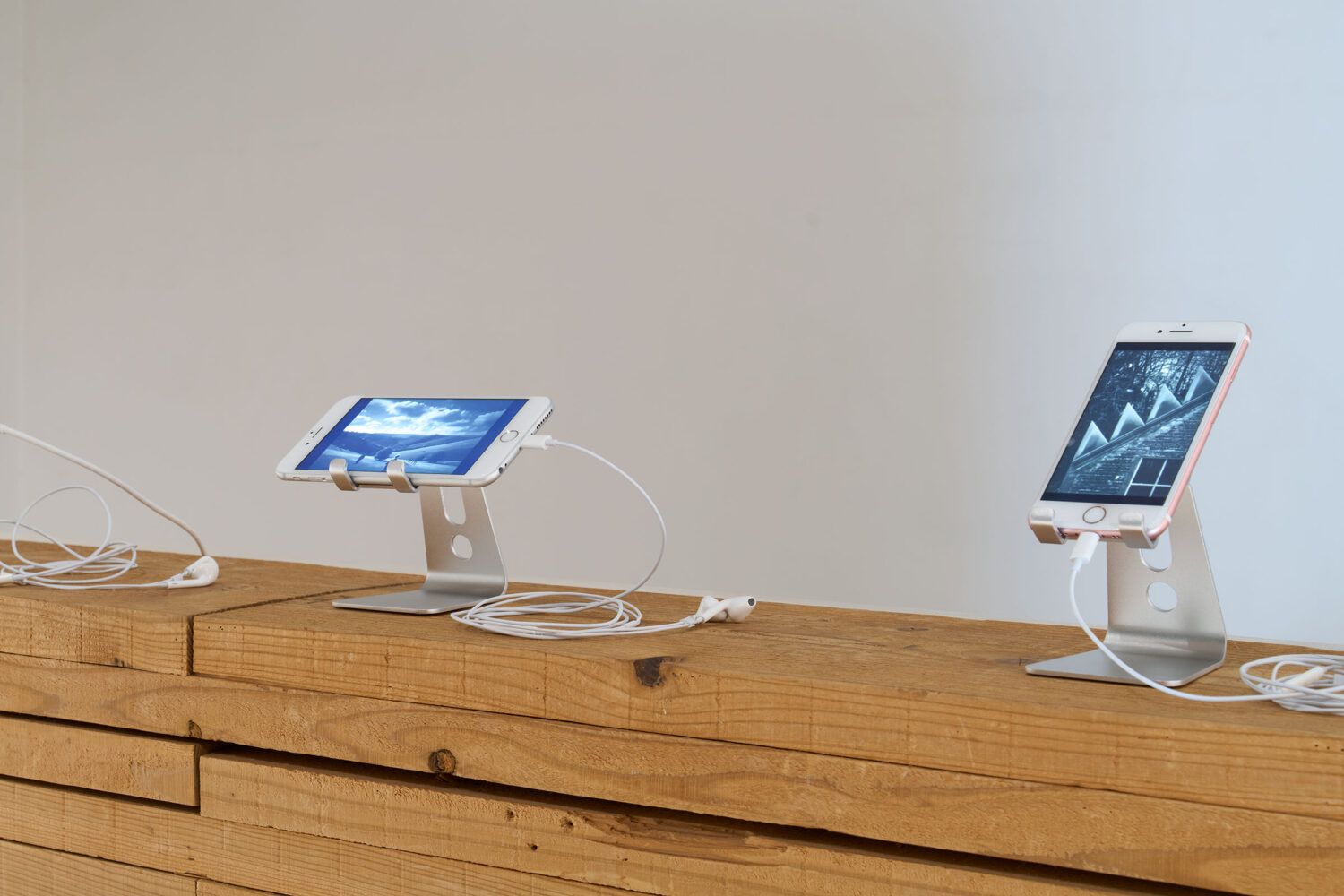
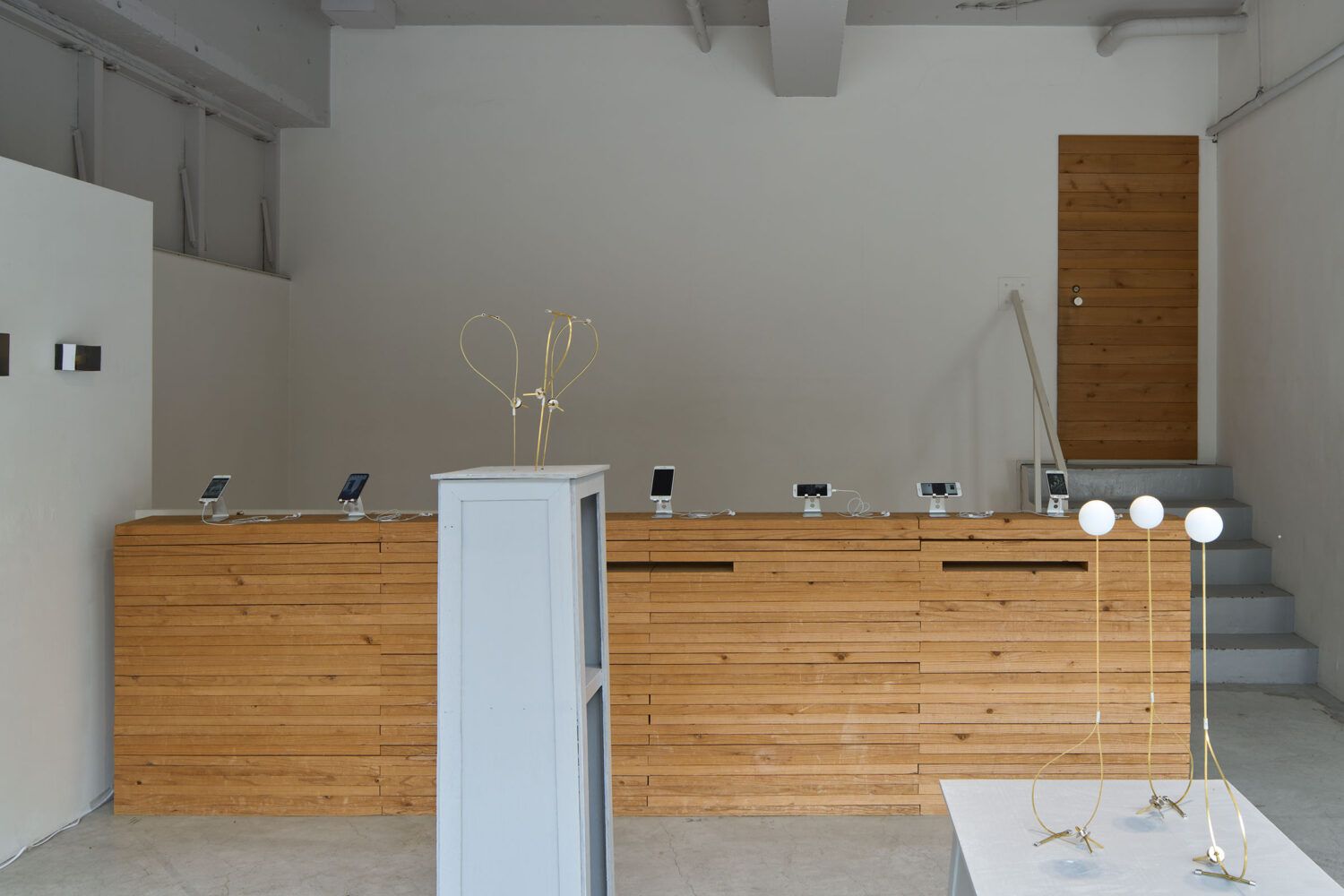
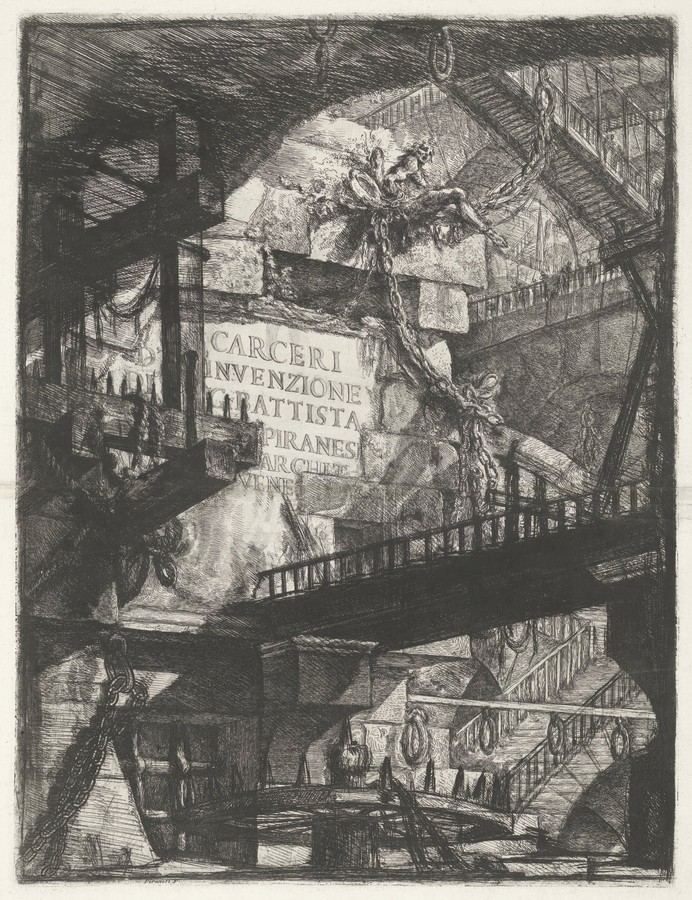
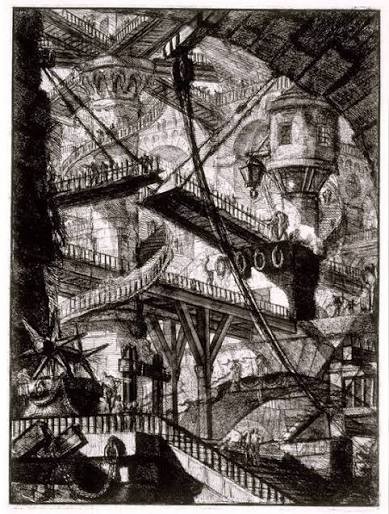
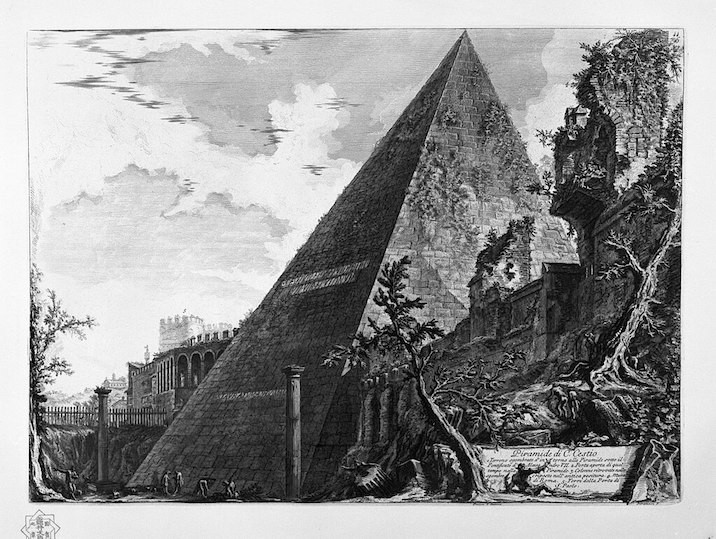
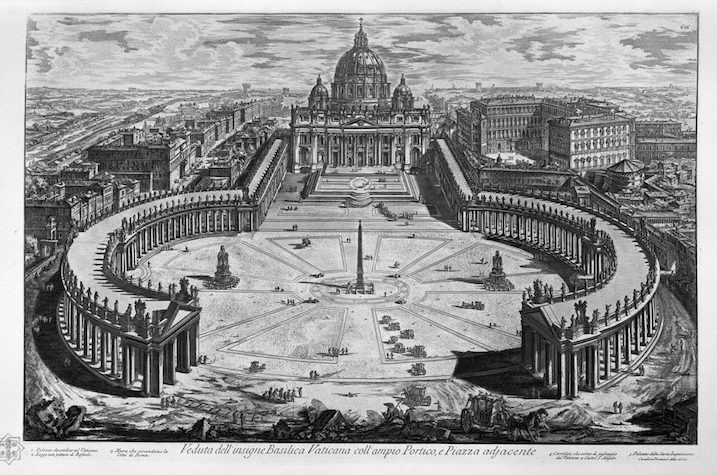
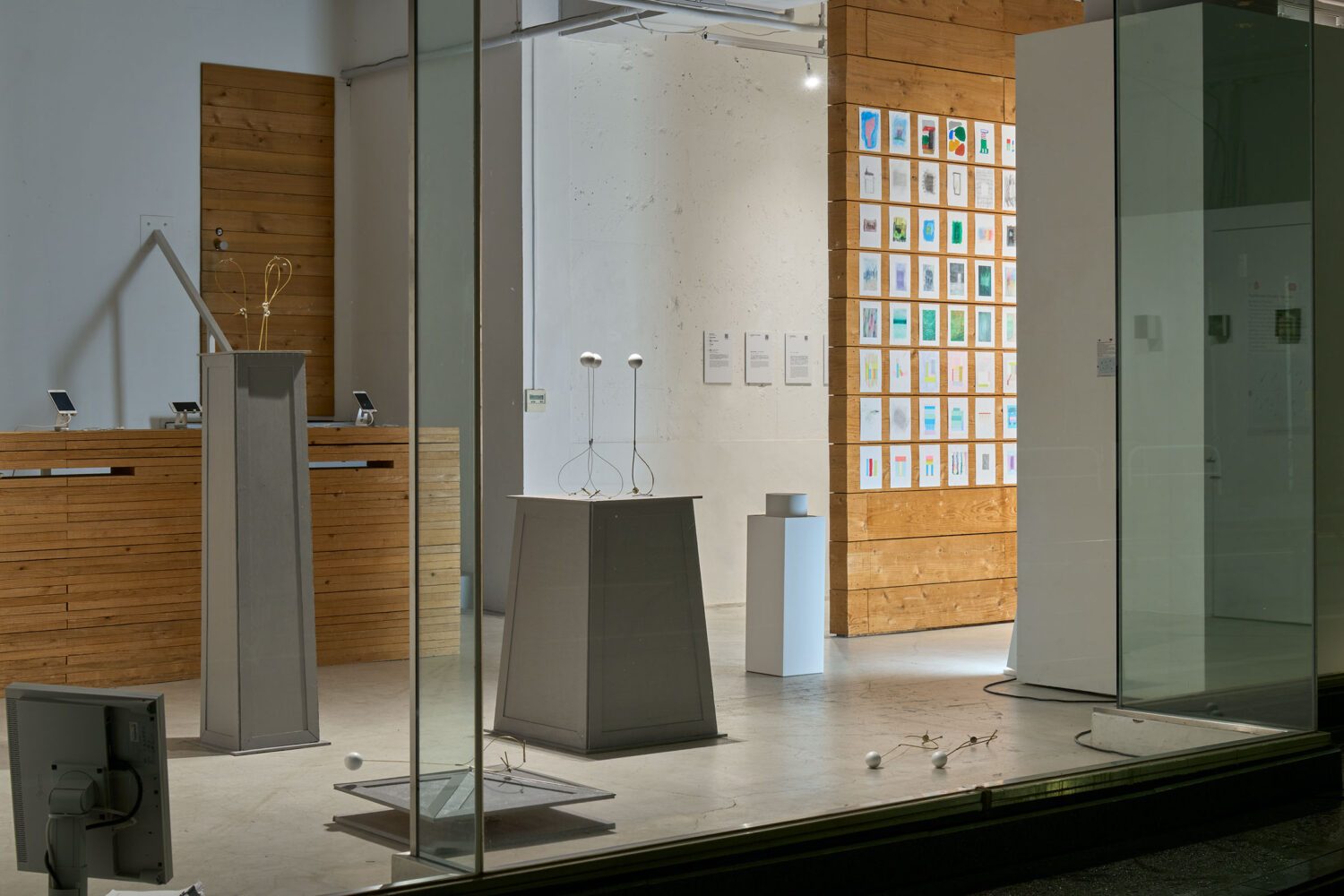
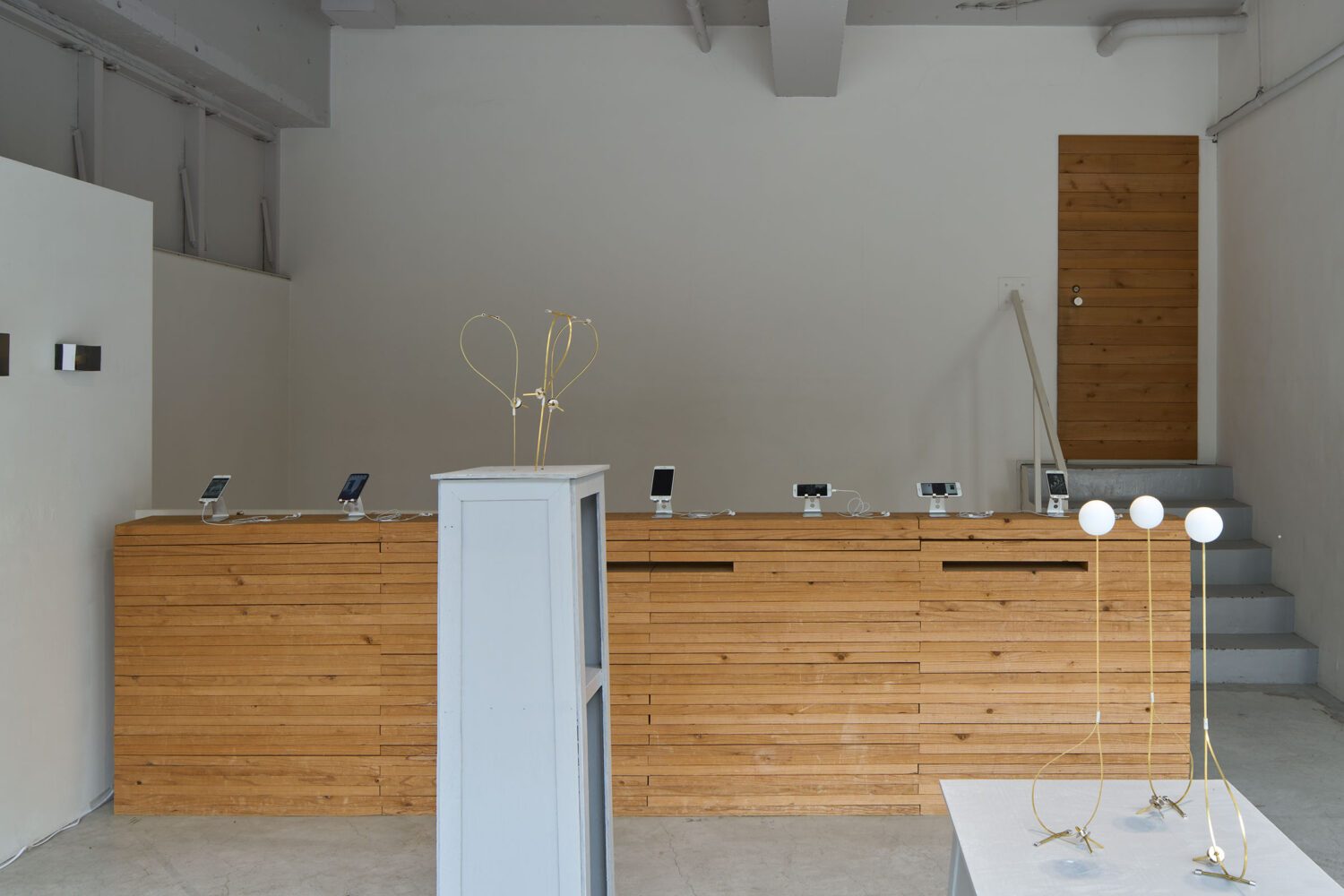
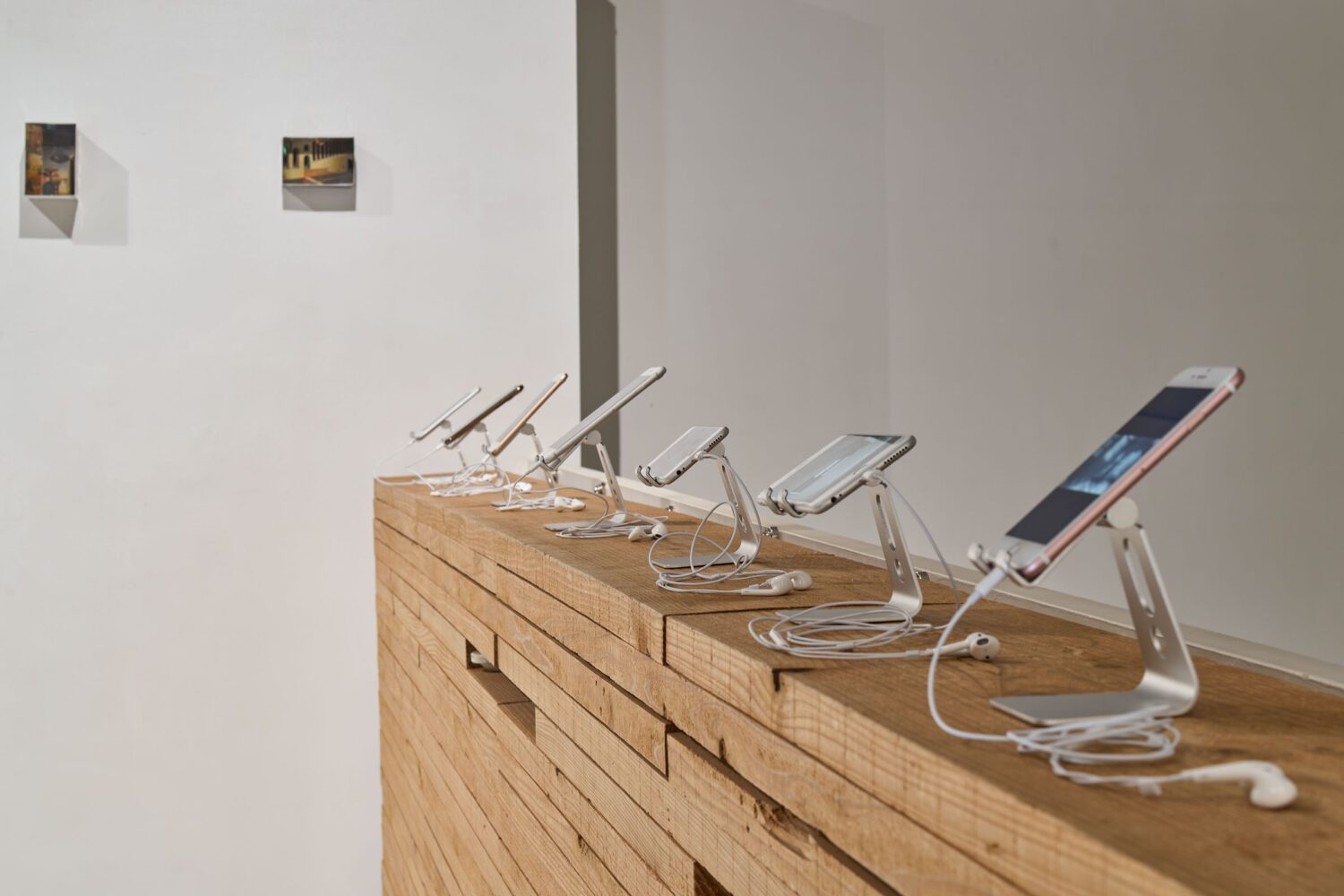
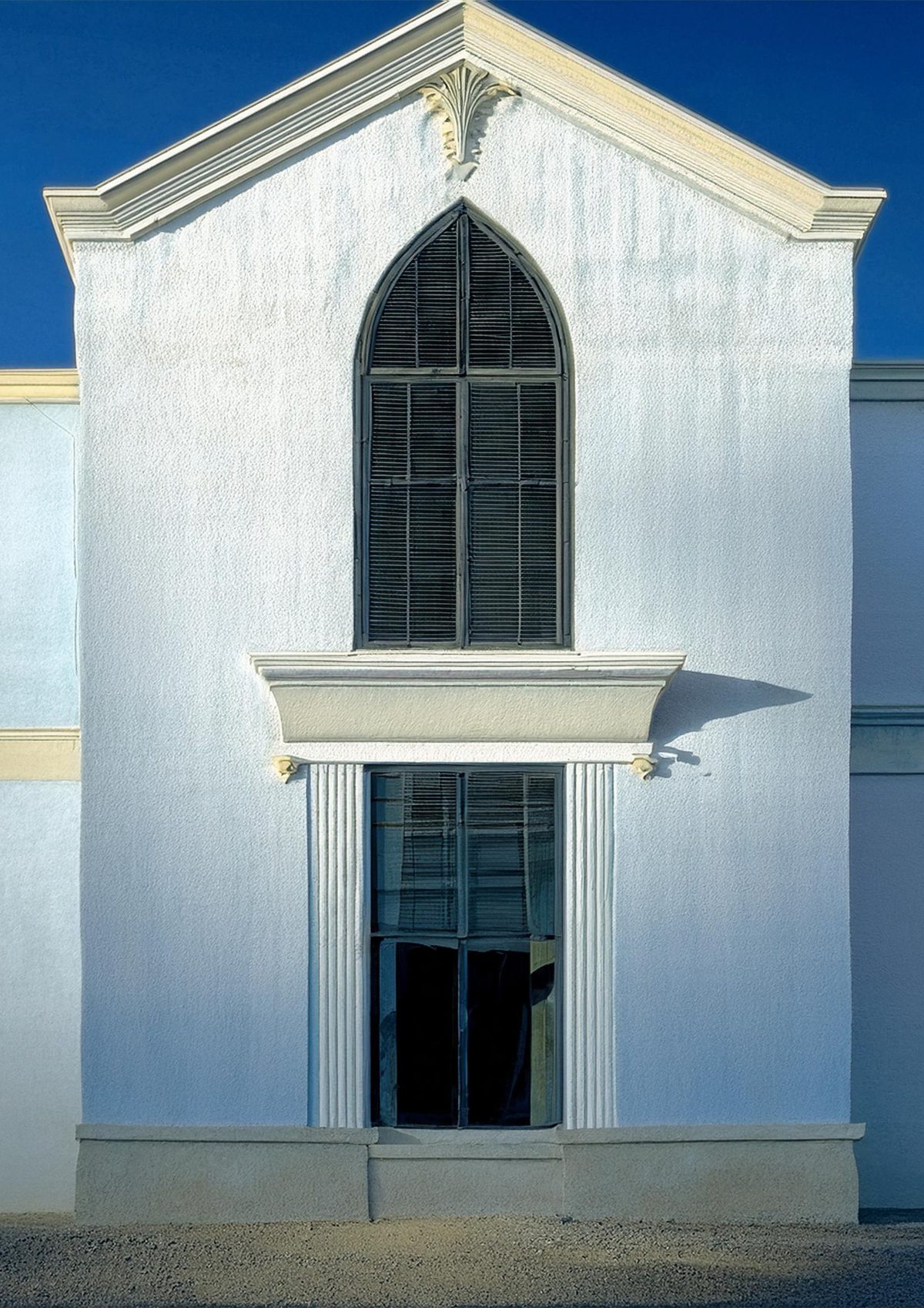
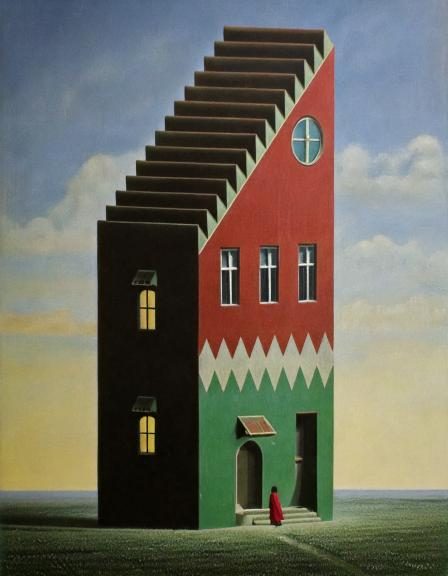
18世紀の建築家であり画家でもあったジョヴァンニ・バッティスタ・ピラネージは、現実には存在しない都市景観(ヴェドゥータ)や幻想的な構造物(カプリッチョ)を描き、観る者の意識に「存在しなかったはずの建築」を確かにあったかのように錯覚させた。本作《7 iPhones》もまた、建築は“建つ”ことだけで存在するのではなく、視覚や記憶の中においても成立し得るという可能性を問いかける試みである。展示される7台のiPhoneには、それぞれ異なる人物がある一つの対象物を記録した映像が残されている。その対象は、すべて家型の構造物であるが、その正体や名称は記録者本人にしか分からない。7つのiPhoneが映し出す対象物は、同じものであるように見えながら、視点や文脈が異なることで、異なる存在へと変容していく。記録された家型の対象物は、映像というメディアの中で脱文脈化され、鑑賞者の意識の中でさまざまな解釈を呼び起こす。架空の出来事をドキュメンタリー風に描くファウンド・フッテージの手法を用い、「家であって家ではない」ものの曖昧さを浮かび上がらせる。シュルレアリスムのデペイズマンのように、対象は本来の文脈から切り離され、映像という不確かな記録の中で漂う。ここで想起されるのが、フェルディナン・ド・ソシュールの記号論における「シニフィアン(能記)」と「シニフィエ(所記)」の関係である。映像に映る家型の対象物は、「家」という形態を持っているが、それが指し示す意味は不確かである。ある人にとってそれは廃墟のように見え、ある人には未完成の建築に映るかもしれない。

Giovanni Battista Piranesi, an 18th-century architect and painter, drew cityscapes that did not exist in reality (vedute) and fantastical structures (capricci), making viewers feel as if “architecture that never existed” had certainly been there. This work, 7 iPhones, likewise asks whether architecture exists not only by being “built” but can also be established in vision and memory. On each of the seven iPhones on display is footage in which a different person recorded a single object. The objects are all house-shaped structures, but their identity and name are known only to the person who recorded them. The objects shown on the seven iPhones appear to be the same thing, yet transform into different beings as viewpoint and context differ. The recorded house-shaped objects are decontextualized within the medium of video and evoke various interpretations in the viewer’s mind. Using the technique of found footage, which depicts fictional events in a documentary style, the work brings out the ambiguity of something that is “a house and yet not a house.” Like Surrealist dépaysement, the object is cut off from its original context and drifts within the uncertain record of the moving image. What comes to mind here is the relationship between the signifiant (signifier) and the signifié (signified) in Ferdinand de Saussure’s semiotics. The house-shaped object in the video has the form of a “house,” but what it points to is uncertain. To one person it may look like a ruin; to another, an unfinished building.

本作は、「非存在」と「表象」の狭間にある建築のあり方を探る。建築は物理的な存在としてだけでなく、映像や記憶の中でも立ち現れるが、その形態や意味は時代や文脈によって変容する。都市開発や戦争、災害によって物理的な建築が消失する一方で、それらは映像や記録の中で生き続ける。あるいは、未来に向けた構想としてイメージされながら、決して実現されない建築もある。本作は、このような建築の不確かさに着目し、映像メディアの持つ記録性と変容性を通じて、私たちが建築を「見る」ことのあり方そのものを問い直す。現代社会では、画像生成AIやVR技術の発展によって、建築はますます「存在しない建築」として視覚化される機会を増やしている。こうした状況の中で、本作が示唆するのは、私たちの知覚や記憶が構築する建築の姿が、単なる物理的な実体以上の意味を持ち得るという点である。建築は、かつてのピラネージの幻想建築がそうであったように、実体と虚構、記録と解釈の狭間で生成され続けている。

This work explores the way architecture exists in the interval between “non-existence” and “representation.” Architecture appears not only as a physical entity but also in images and memory, yet its form and meaning change with era and context. While physical architecture disappears through urban development, war, and disaster, it lives on in images and records. Or there is architecture that, though imagined as a vision for the future, is never realized. Focusing on this uncertainty of architecture, the work reexamines, through the recordability and mutability of the video medium, the very way in which we “see” architecture. In contemporary society, with the development of image-generating AI and VR technologies, architecture is increasingly given occasions to be visualized as “architecture that does not exist.” In this situation, what the work suggests is that the form of architecture constructed by our perception and memory can hold meaning beyond mere physical substance. Architecture, as Piranesi’s fantastical architecture once was, continues to be generated in the interval between substance and fiction, record and interpretation.

Reference →
← Cinema Obscura Ⅱ: House

Cinema Obscura Ⅱ: House

Reference

Iconology: Image, Text, Ideology by W.J.T. Mitchell, translated by Akira Suzuki and Akira Fujimaki
‘Iconology: Image, Text, Ideology’ by W.J.T. Mitchell, translated by Akira Suzuki and Akira Fujimaki
Discourse, Figure by Jean-François Lyotard, translated by Naoki Miura, supervised by Masato Goda
‘Discourse, Figure’ by Jean-François Lyotard, translated by Naoki Miura, supervised by Masato Goda
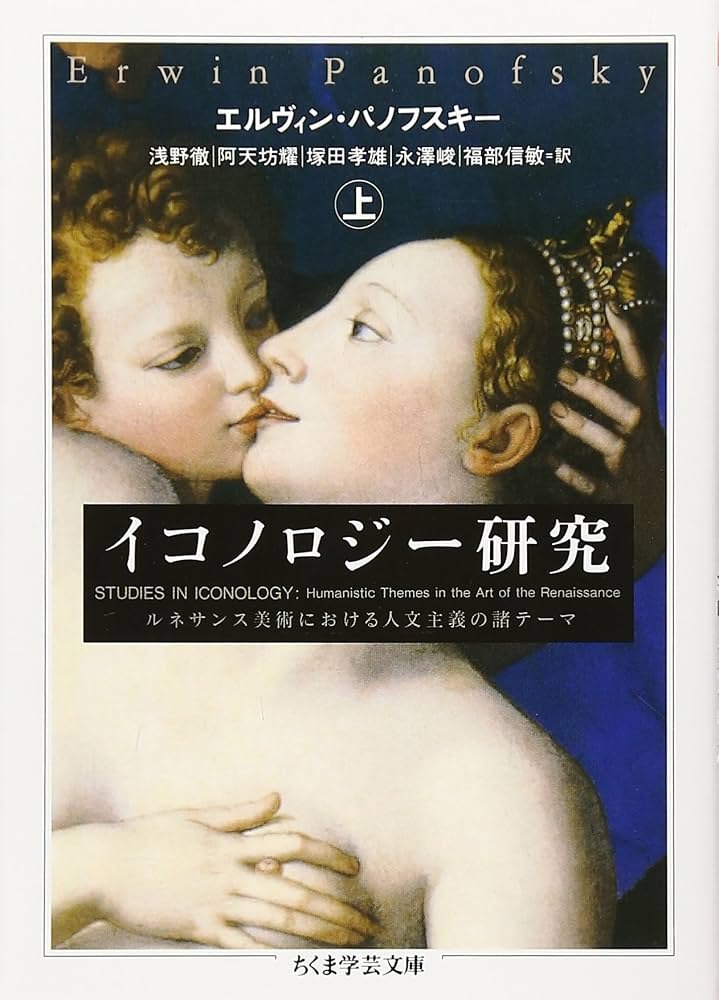
Iconology: A Study (Volume 1) by Erwin Panofsky, translated by Tetsu Asano and Takao Tsukada
‘Iconology: A Study (Volume 1)’ by Erwin Panofsky, translated by Tetsu Asano and Takao Tsukada
Studies in Iconology, Volume 2: Humanist Themes in Renaissance Art by Erwin Panofsky, translated by Tetsu Asano and Takao Tsukada
‘Studies in Iconology, Volume 2: Humanist Themes in Renaissance Art’ by Erwin Panofsky, translated by Tetsu Asano and Takao Tsukada
Galilean telescope
Galilean telescope
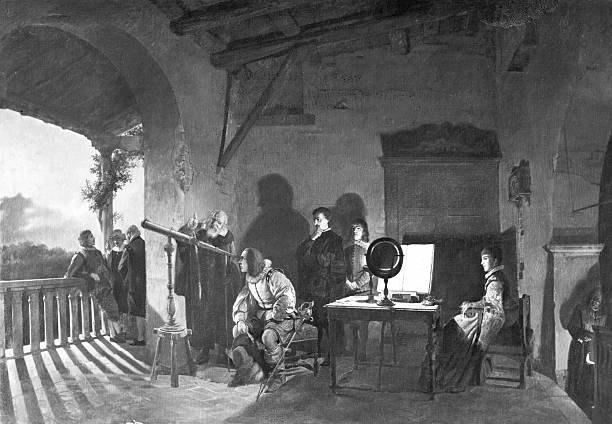
Galileo Galilei, telescope, physicist
Differences in the path of light (refraction) caused by convex and concave lenses
← Cinema Obscura I: Apparatus

Cinema Obscura I: Apparatus

Reference

The Imaginary Signifier: Psychoanalysis and the Cinema by Christian Metz, translated by Shigeru Kashima
‘The Imaginary Signifier: Psychoanalysis and the Cinema’ by Christian Metz, translated by Shigeru Kashima
The Idea of the Holy by Rudolf Otto, translated by Eiji Hisamatsu, Iwanami Bunko (Blue 811-1)
‘The Idea of the Holy’ by Rudolf Otto, translated by Eiji Hisamatsu, Iwanami Bunko (Blue 811-1)
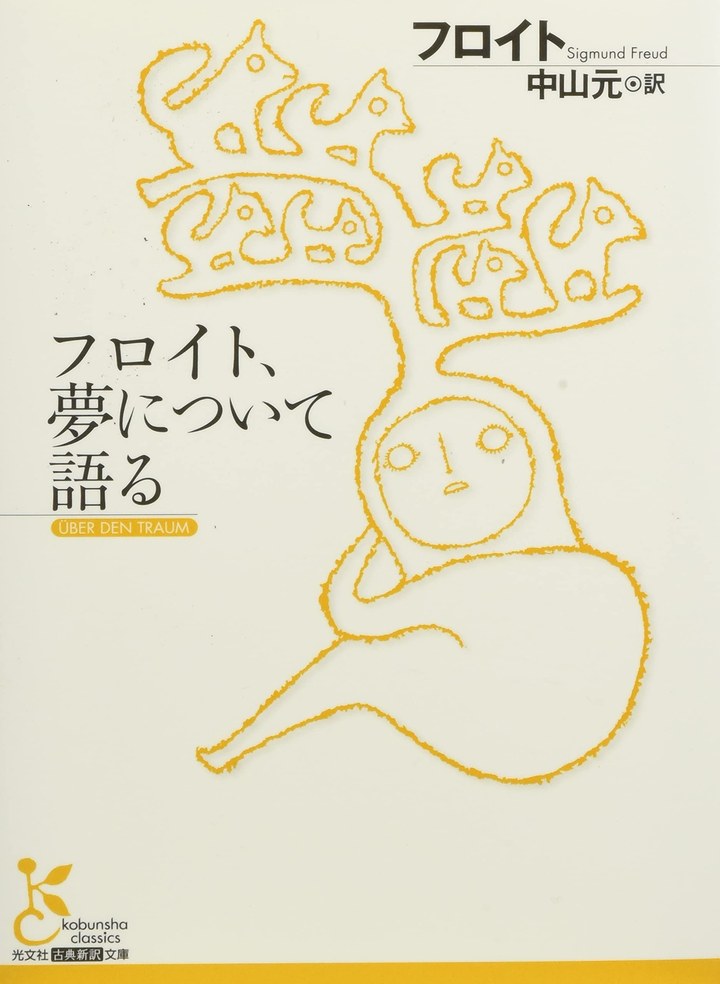
Freud on Dreams by Sigmund Freud, translated by Gen Nakayama
‘Freud on Dreams’ by Sigmund Freud, translated by Gen Nakayama
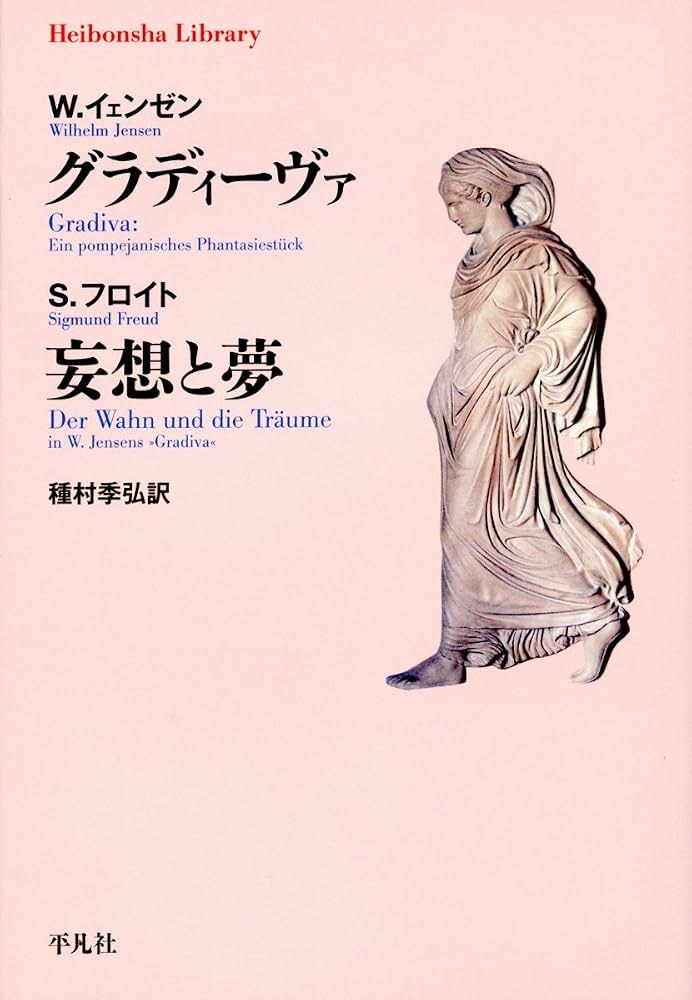
Gradiva / Delusions and Dreams by Wilhelm Jensen and Sigmund Freud, translated by Suehiro Tanemura
‘Gradiva / Delusions and Dreams’ by Wilhelm Jensen and Sigmund Freud, translated by Suehiro Tanemura
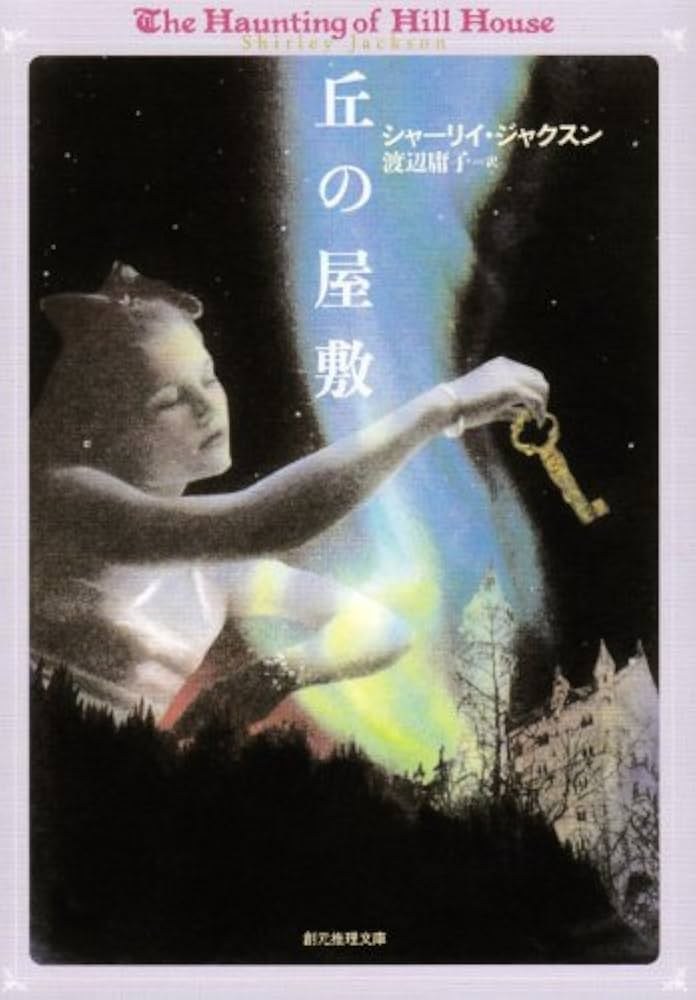
The Haunting of Hill House by Shirley Jackson, translated by Yoko Watanabe
‘The Haunting of Hill House’ by Shirley Jackson, translated by Yoko Watanabe
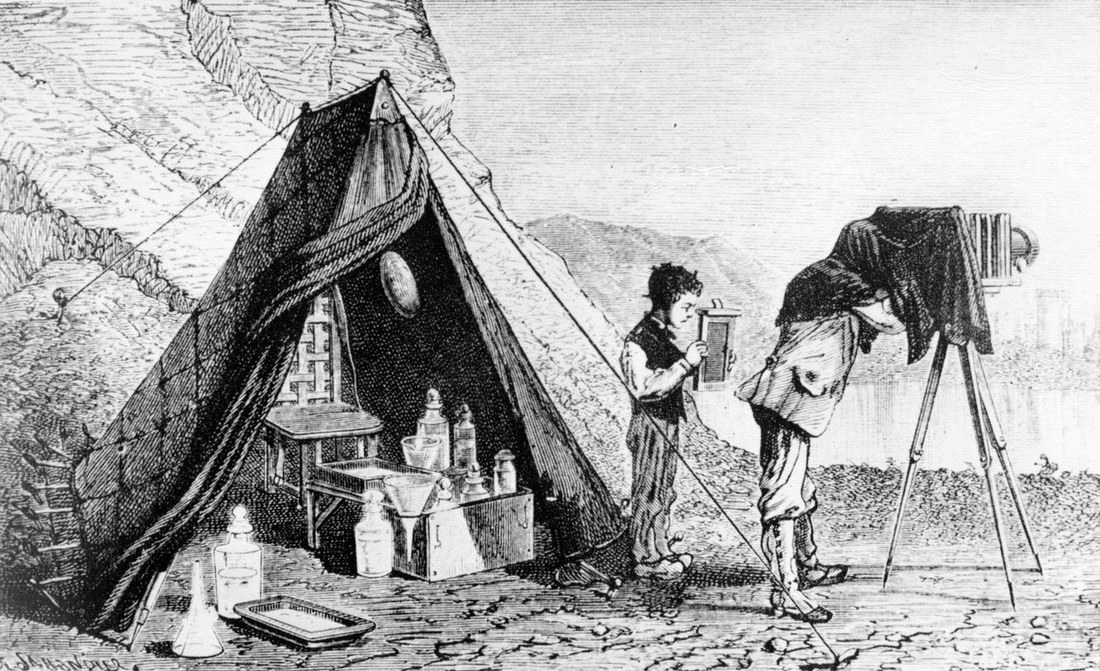
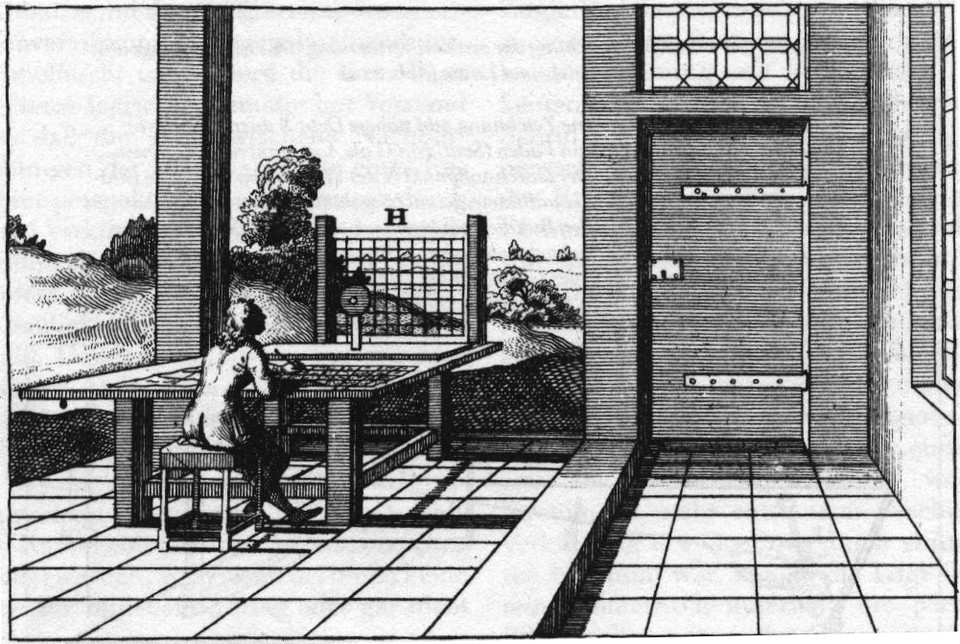
A scene of outdoor photography in the early 1870s
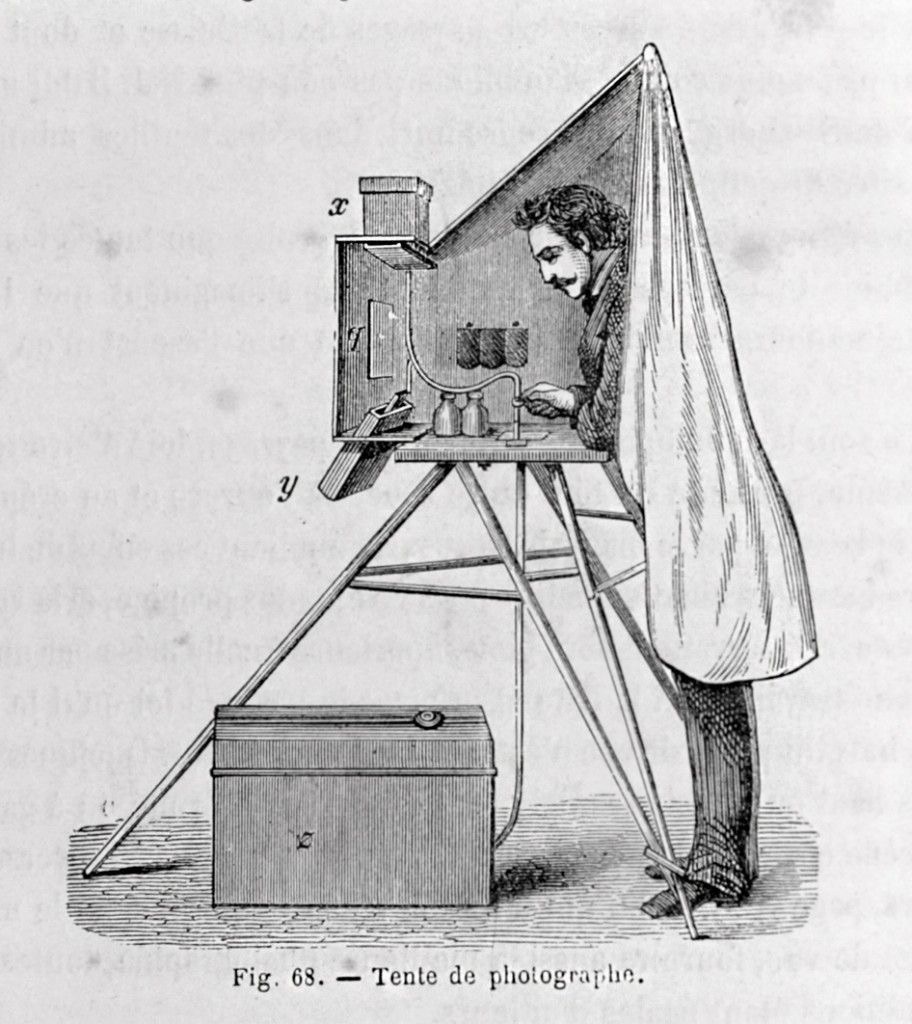
The wet collodion process, invented by Frederick Scott Archer (mid-19th century)
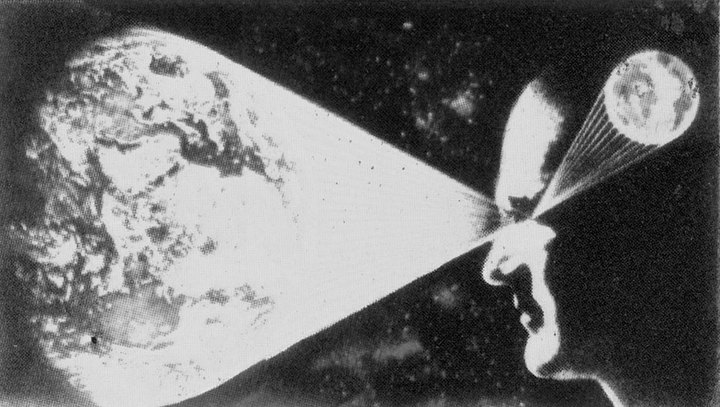
Science fiction and surrealist illustration by Nikolai Lutohin
Science fiction and surrealist works by Nikolai Lutohin (1932–2000), an illustrator from the former Yugoslavia (whose parents were of Russian descent)
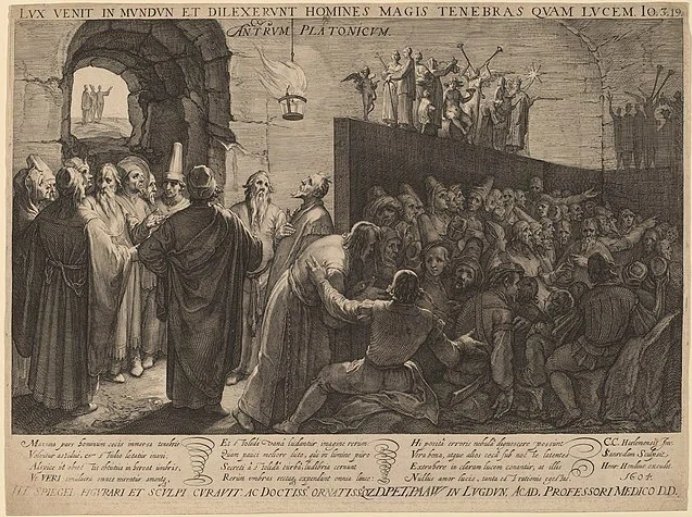
Plato’s Cave, Jan Saenredam and Cornelis van Haarlem, 1604
‘Plato’s Cave’ by Jan Saenredam and Cornelis van Haarlem, 1604
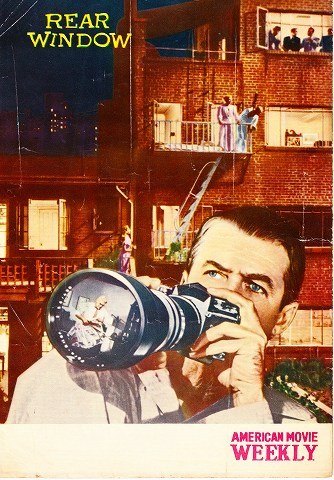
Rear Window (1954), James Stewart
James Stewart in American mystery thriller film ‘Rear Window’ (1954)
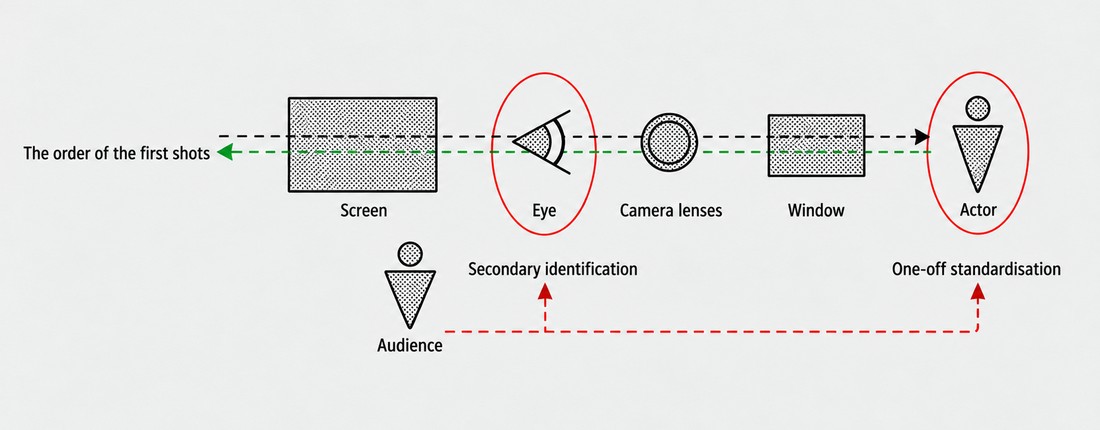
Diagram: the four layers within the film Rear Window, by Hitoki Keino
The four layers within the film ‘Rear Window’ by Hitoki Keino
← Before, After Cognition

Before, After Cognition

Reference

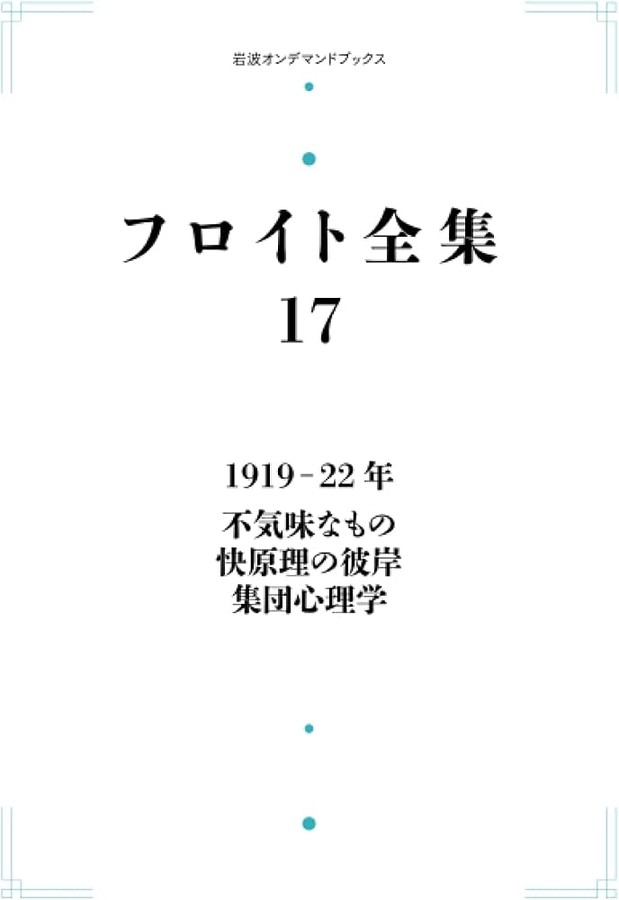
The Complete Works of Freud, Volume 17: 1919–22 – The Uncanny, Beyond the Pleasure Principle, Group Psychology by Sigmund Freud, edited by Kuninori Sudo
‘The Complete Works of Freud, Volume 17: 1919–22 – The Uncanny, Beyond the Pleasure Principle, Group Psychology’ by Sigmund Freud, edited by Kuninori Sudo
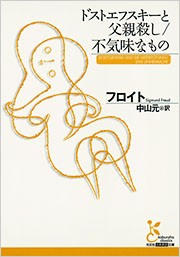
Dostoevsky and Parricide / The Uncanny by Sigmund Freud, translated by Gen Nakayama
‘Dostoevsky and Parricide / The Uncanny’ by Sigmund Freud, translated by Gen Nakayama
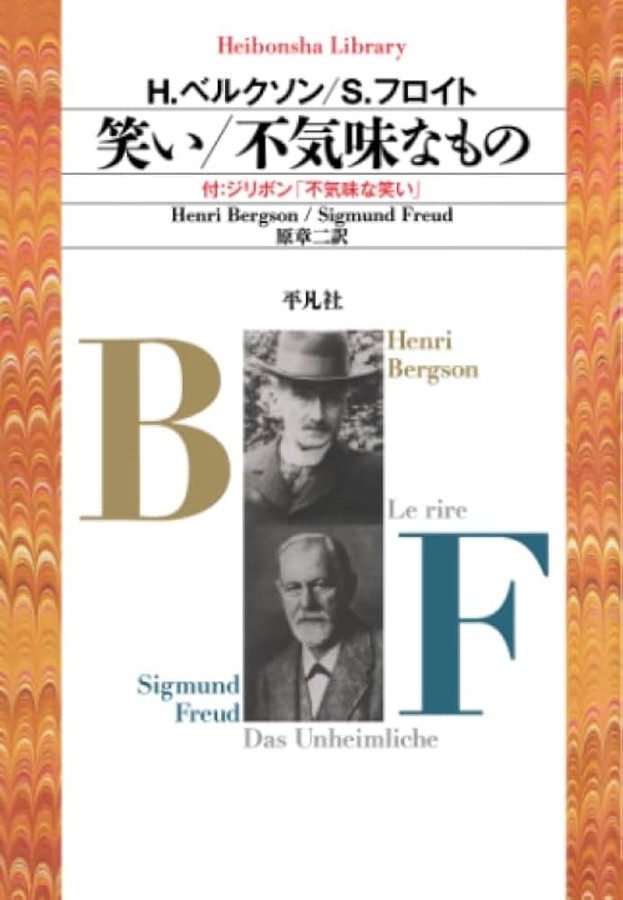
Laughter / The Uncanny by Henri Bergson and Sigmund Freud, translated by Shōji Hara, Heibonsha Library (836)
‘Laughter / The Uncanny’ by Henri Bergson and Sigmund Freud, translated by Shōji Hara, Heibonsha Library (836)
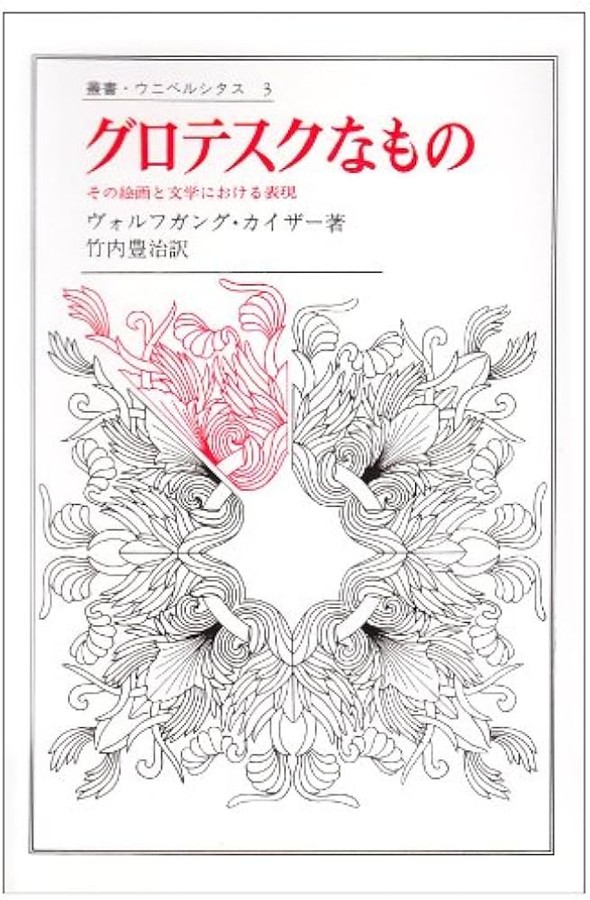
The Grotesque: Its Representation in Painting and Literature by Wolfgang Kaiser, translated by Toyoharu Takeuchi, Universitas Series
‘The Grotesque: Its Representation in Painting and Literature’ by Wolfgang Kaiser, translated by Toyoharu Takeuchi, Universitas Series
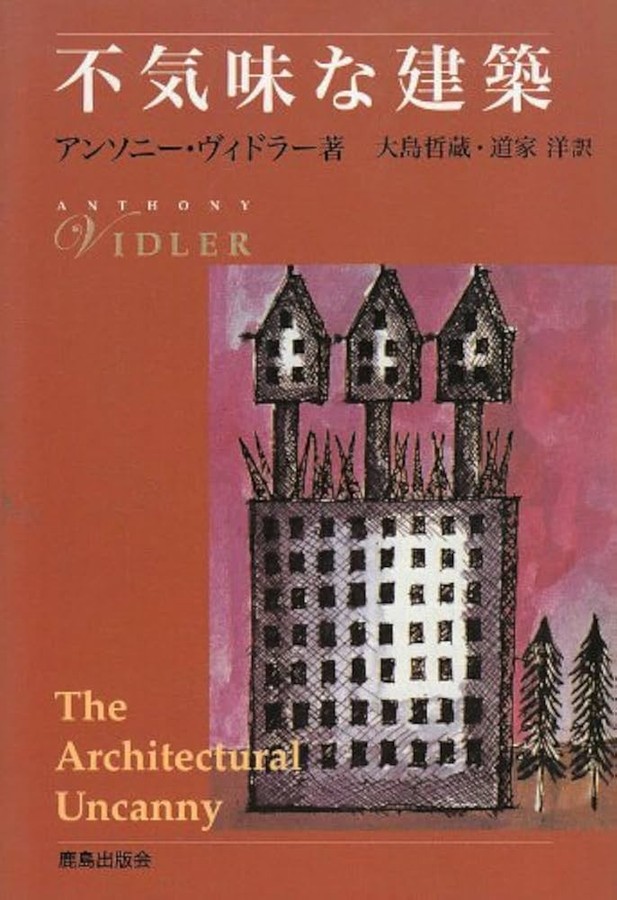
Eerie Architecture by Anthony Vidler, translated by Tetsuzo Oshima and Hiroshi Doke
‘Eerie Architecture’ by Anthony Vidler, translated by Tetsuzo Oshima and Hiroshi Doke
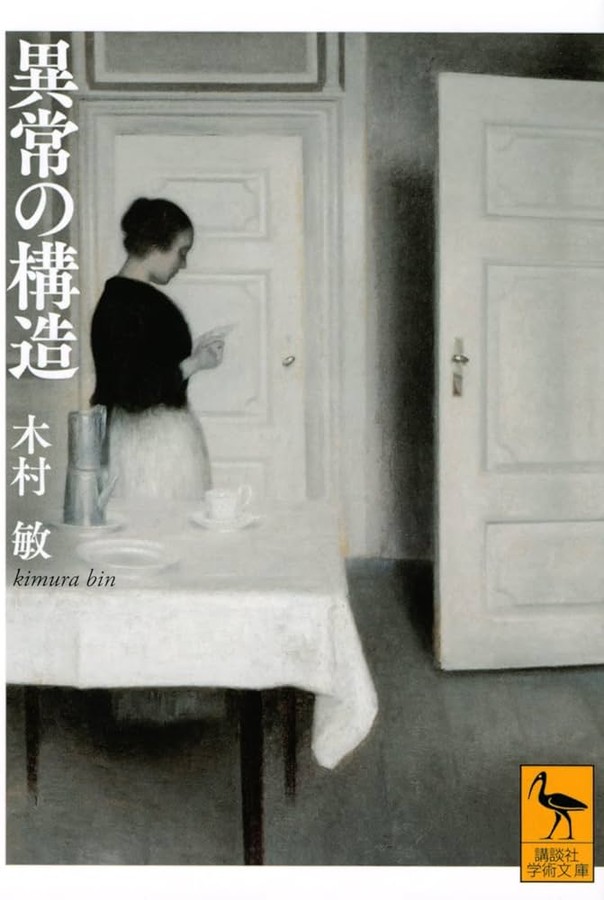
The Structure of Abnormality by Bin Kimura
‘The Structure of Abnormality’ by Bin Kimura
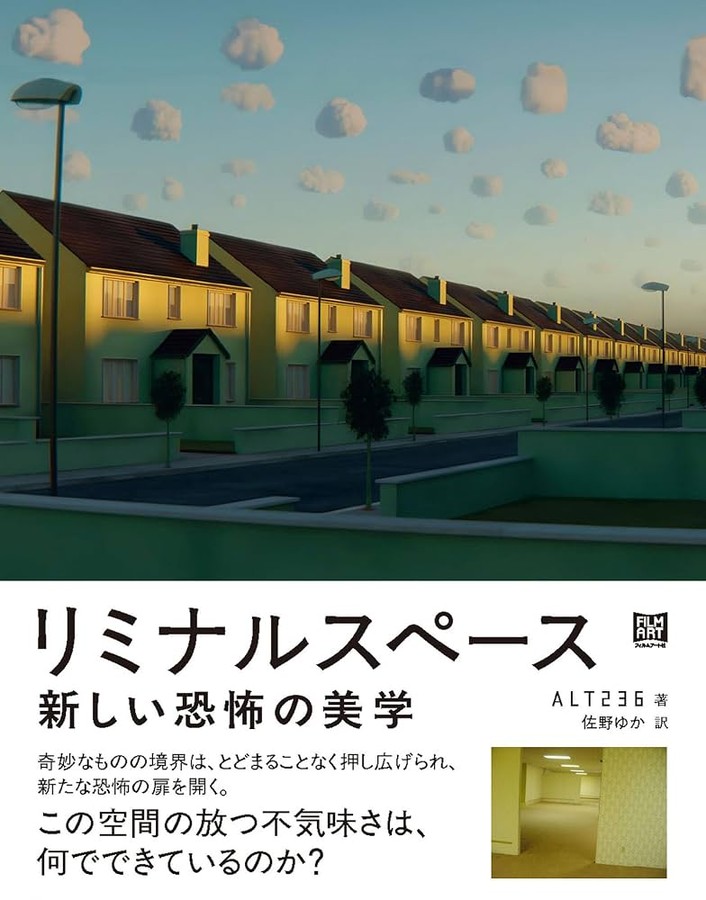
Liminal Space: A New Aesthetics of Fear by Alt236, translated by Yuka Sano
‘Liminal Space: A New Aesthetics of Fear’ by Alt236, translated by Yuka Sano
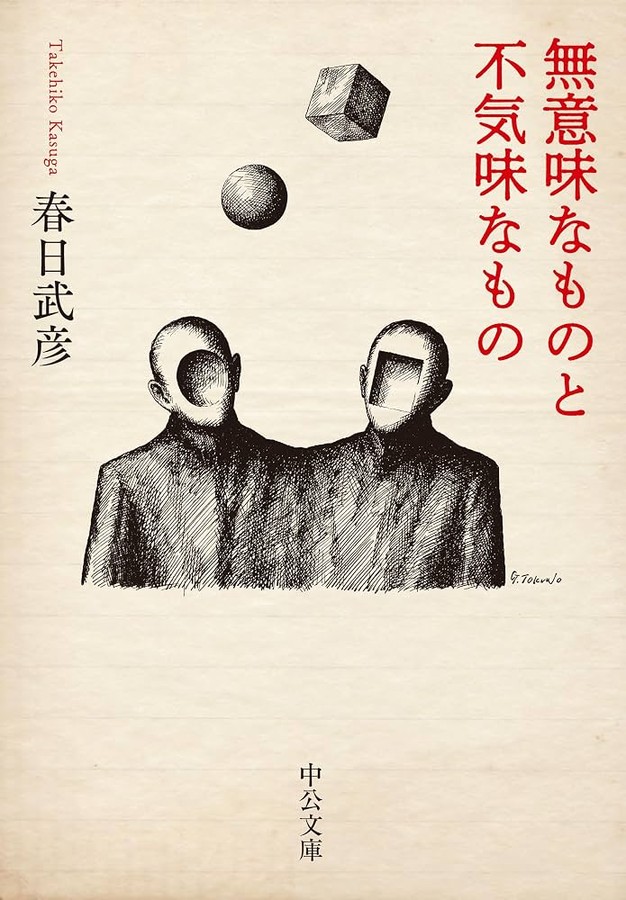
The Meaningless and the Eerie by Takehiko Kasuga
‘The Meaningless and the Eerie’ by Takehiko Kasuga
The Aesthetics of AI: Why Is Artificial Intelligence “Uncanny”? by Hiroshi Yoshioka
‘The Aesthetics of AI: Why Is Artificial Intelligence “Uncanny”?’ by Hiroshi Yoshioka
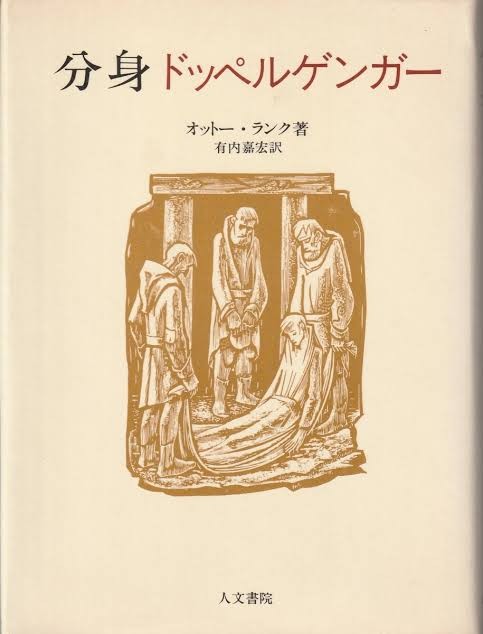
The Doppelgänger by Otto Rank, translated by Yoshihiro Aruchi
‘The Doppelgänger’ by Otto Rank, translated by Yoshihiro Aruchi
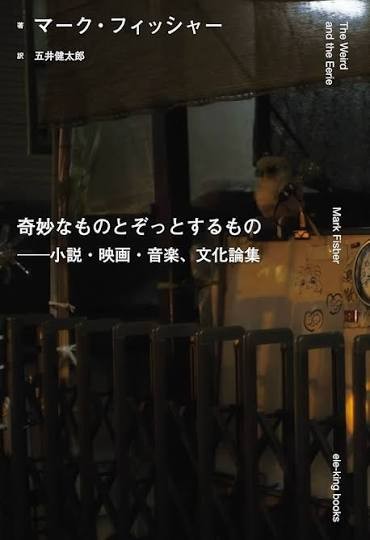
The Strange and the Unnerving: Essays on Literature, Film, Music and Culture by Mark Fisher, translated by Kentaro Goi
‘The Strange and the Unnerving: Essays on Literature, Film, Music and Culture’ by Mark Fisher, translated by Kentaro Goi
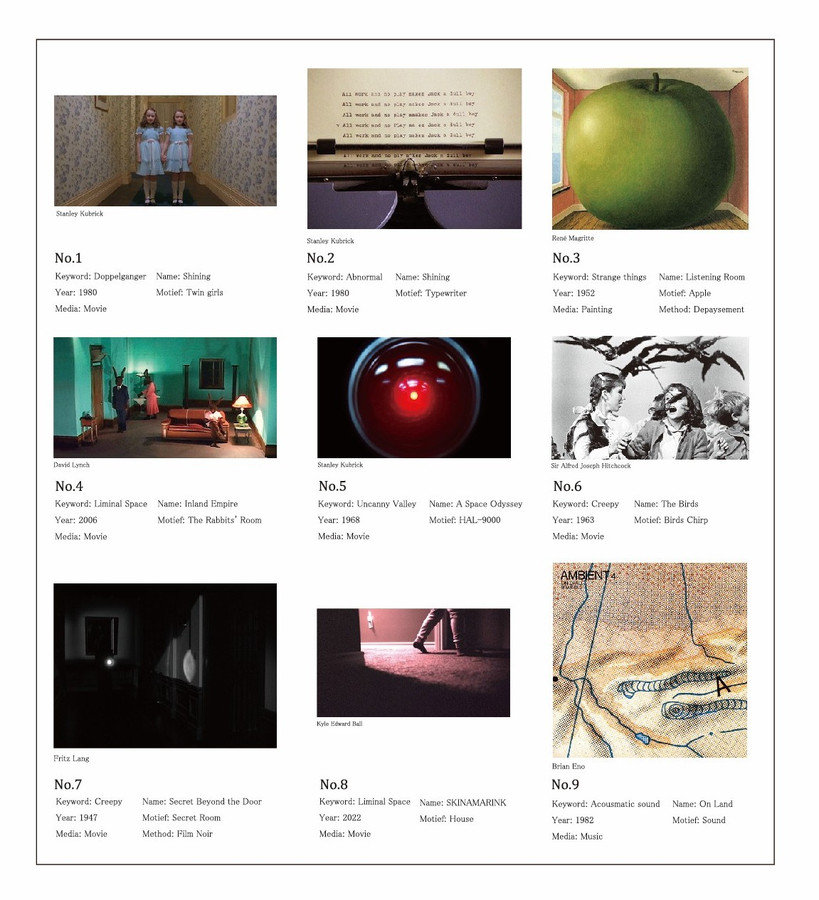
Analysis of Visual Representations
Design Method – Hypothesis-forming reasoning (abduction)
Spatialisation from Objects
← Facade Model

Facade Model

Reference

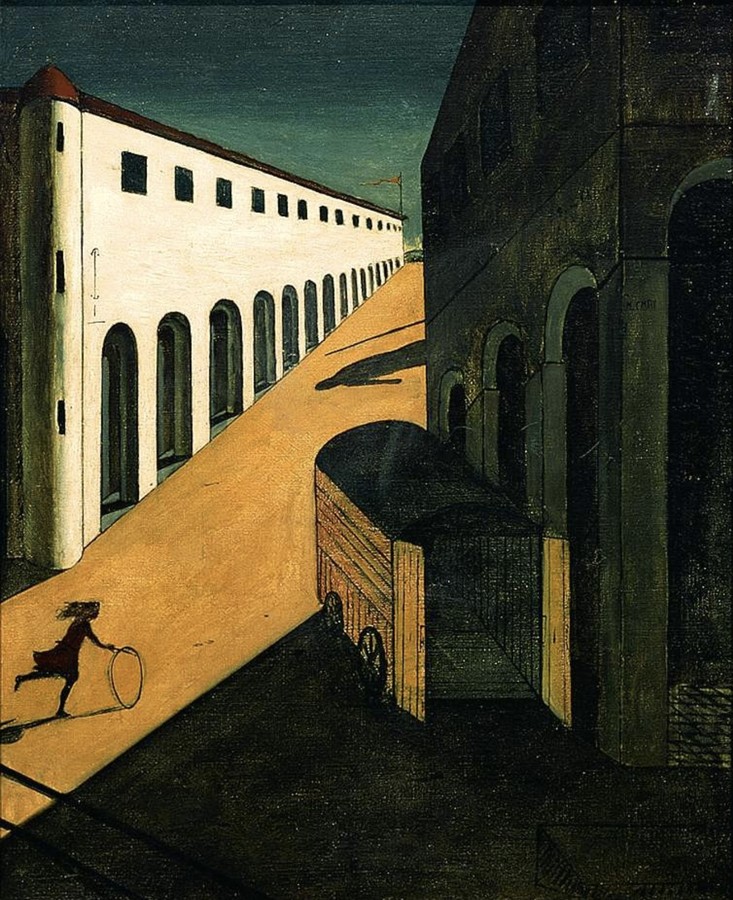
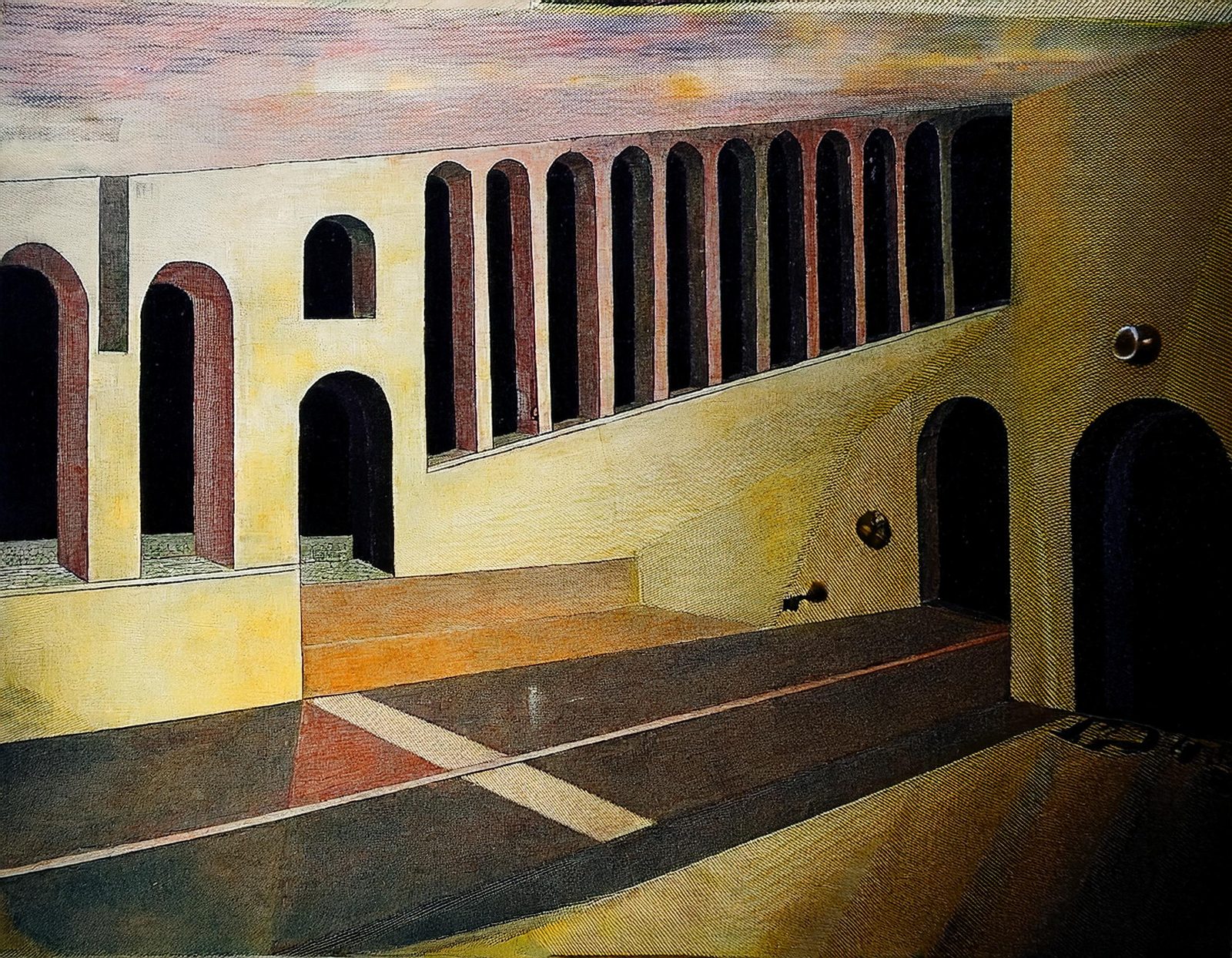
Mystery and Melancholy of a Street, Giorgio de Chirico
‘Mystery and Melancholy of a Street’ by Giorgio de Chirico, 1914
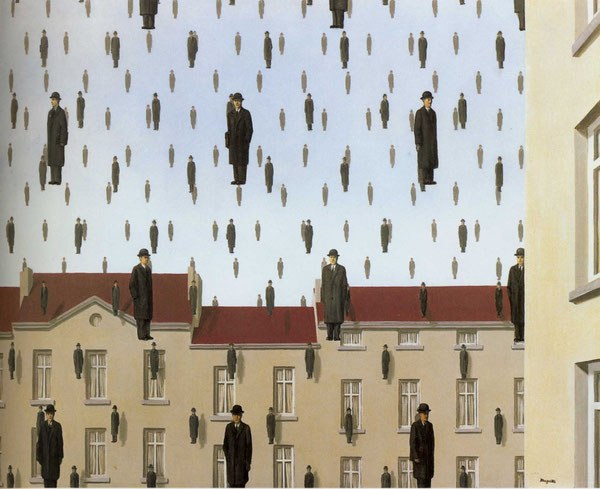
Golconda, René Magritte
‘Golconda’ by René Magritte, 1953
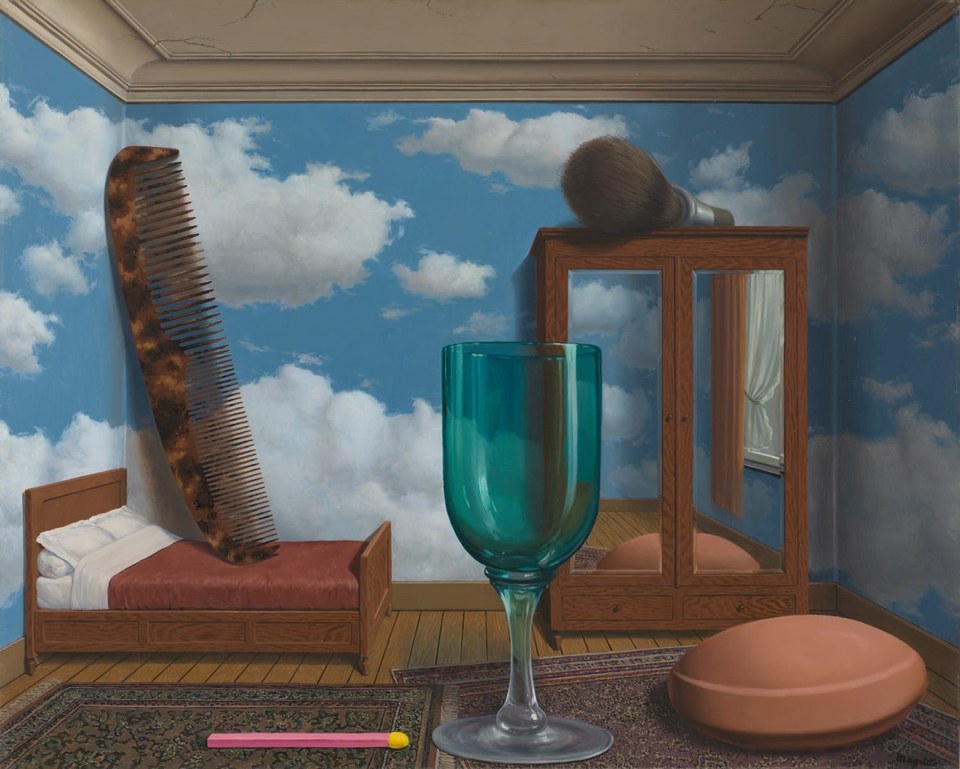
Personal Values, René Magritte
‘Personal Values’ by René Magritte, 1952
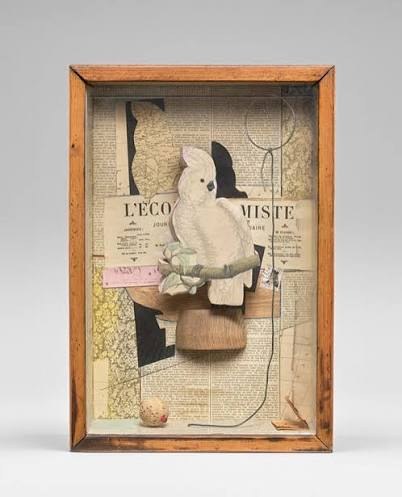
The Hotel Eden, Joseph Cornell
‘The Hotel Eden’ by Joseph Cornell, 1945
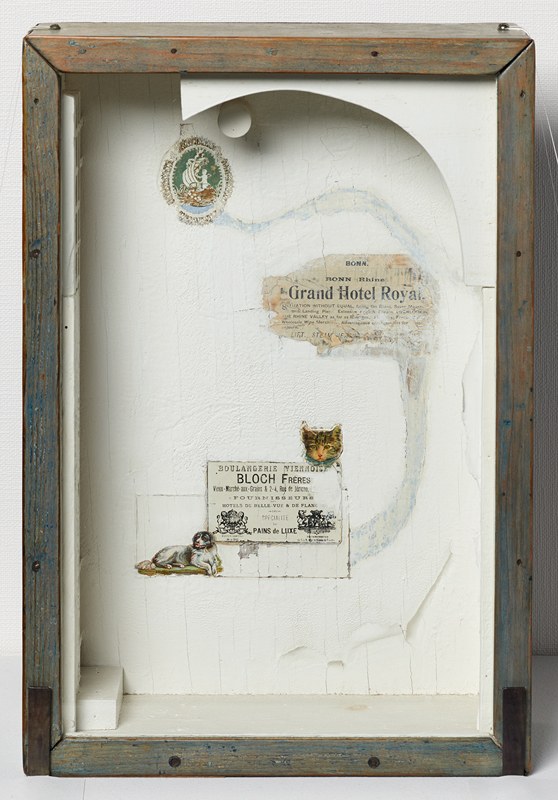
The Vienna Bakery, Joseph Cornell
‘The Vienna Bakery’ by Joseph Cornell, 1950
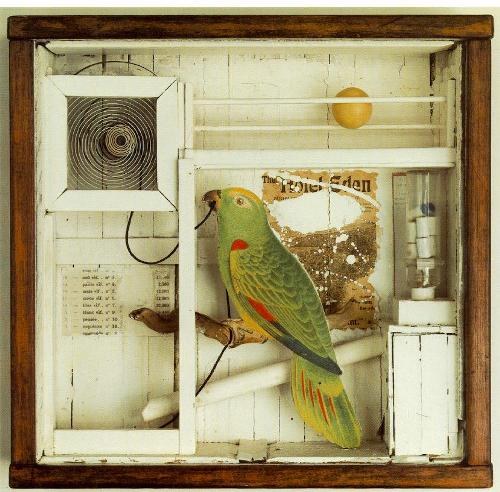
A Parrot for Juan Gris, Joseph Cornell
‘A Parrot for Juan Gris’ by Joseph Cornell, 1953–54
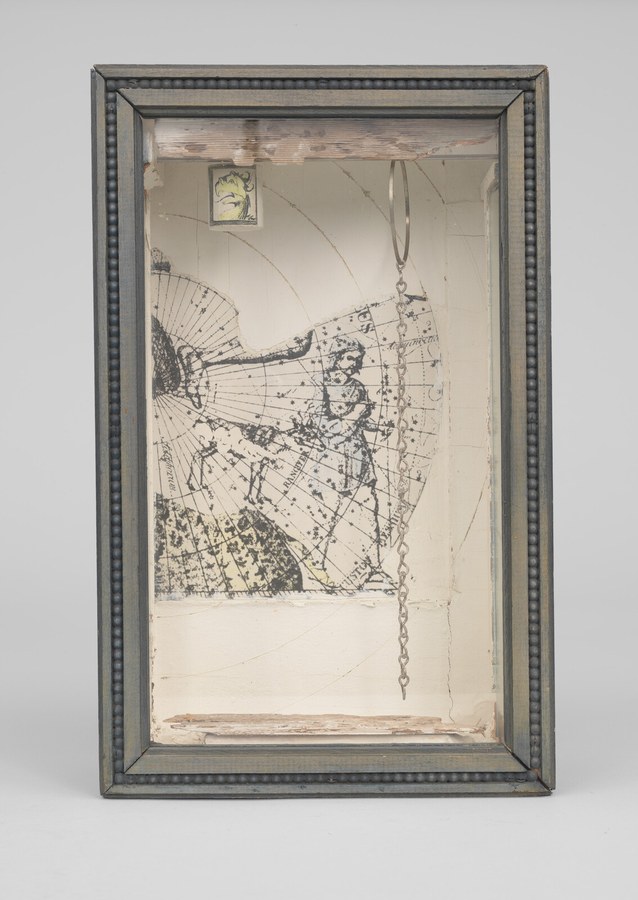
Custodian—M. M., Joseph Cornell
‘Custodian—M. M.’ by Joseph Cornell, 1962
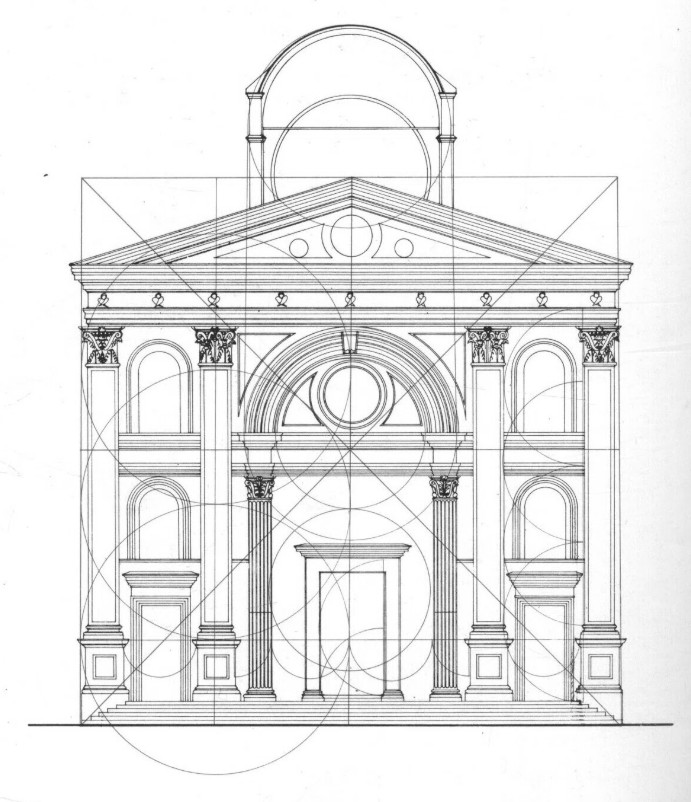
The lineament seen in Alberti’s Cathedral of Sant’Andrea
Alberti’s frame as depicted in an old copperplate engraving (1710)
← 7 iPhones

7 iPhones

Reference

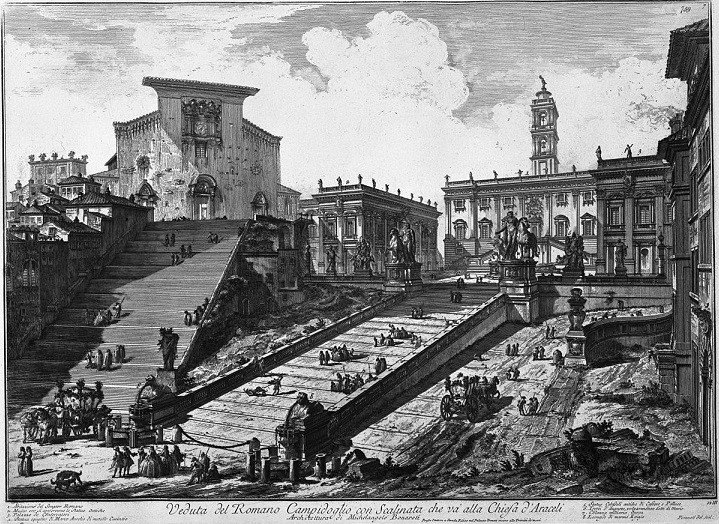
View of the Campidoglio and the Basilica of Santa Maria in Araceli, Giovanni Battista Piranesi
‘View of the Campidoglio and the Basilica of Santa Maria in Araceli (from Views of Rome)’ by Giovanni Battista Piranesi, c. 1748–74
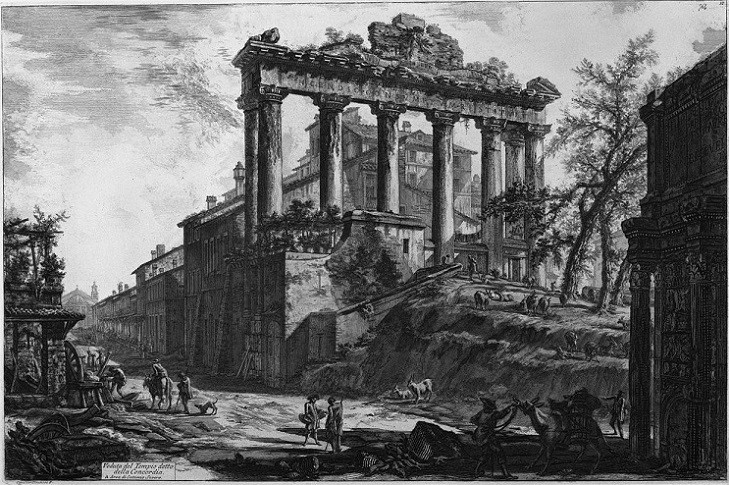
The Temple of Saturn, Giovanni Battista Piranesi
‘The Temple of Saturn (from Views of Rome)’ by Giovanni Battista Piranesi, 1774
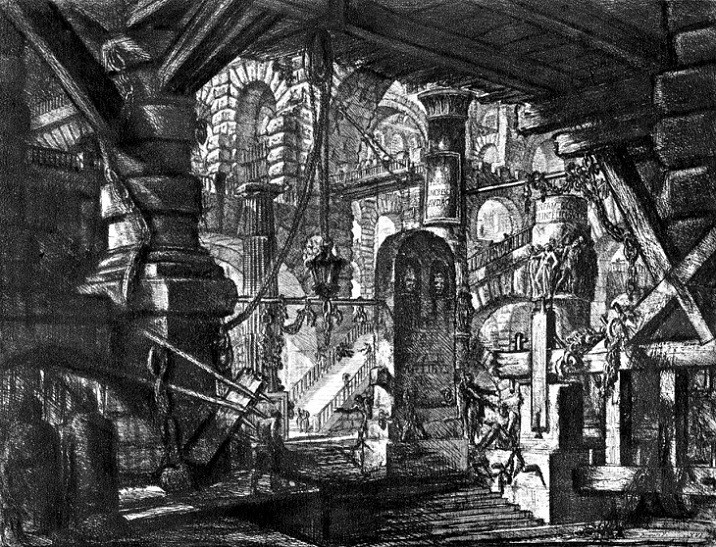
The Chained Prisoner at Sakamochi-dai, Giovanni Battista Piranesi
‘The Chained Prisoner at Sakamochi-dai (from the “Prison” series)’ by Giovanni Battista Piranesi, c. 1760–70
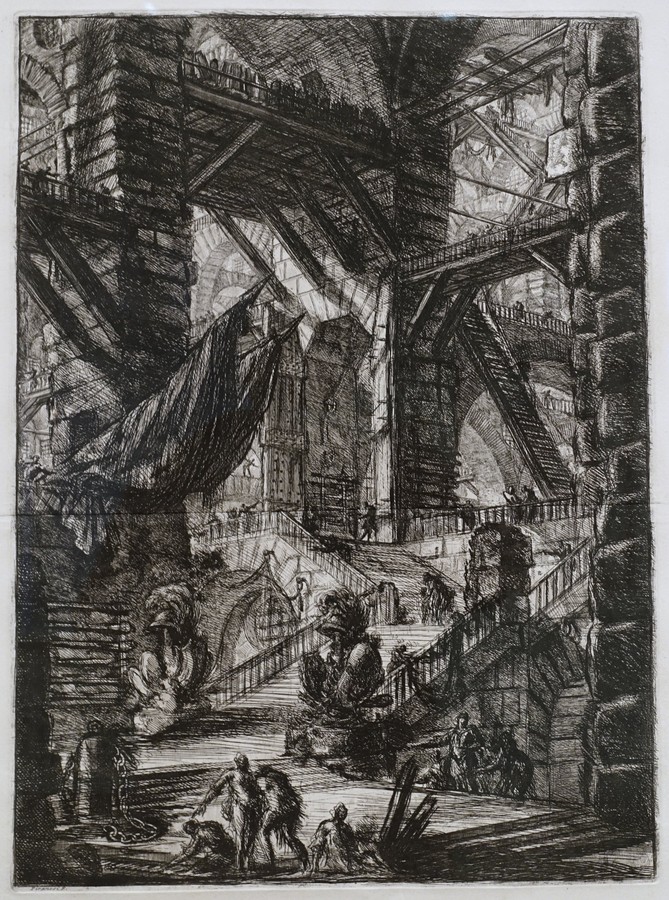
The Staircase with Trophies (Plate VIII), Giovanni Battista Piranesi
‘The Staircase with Trophies (Plate VIII)’ by Giovanni Battista Piranesi, 1761
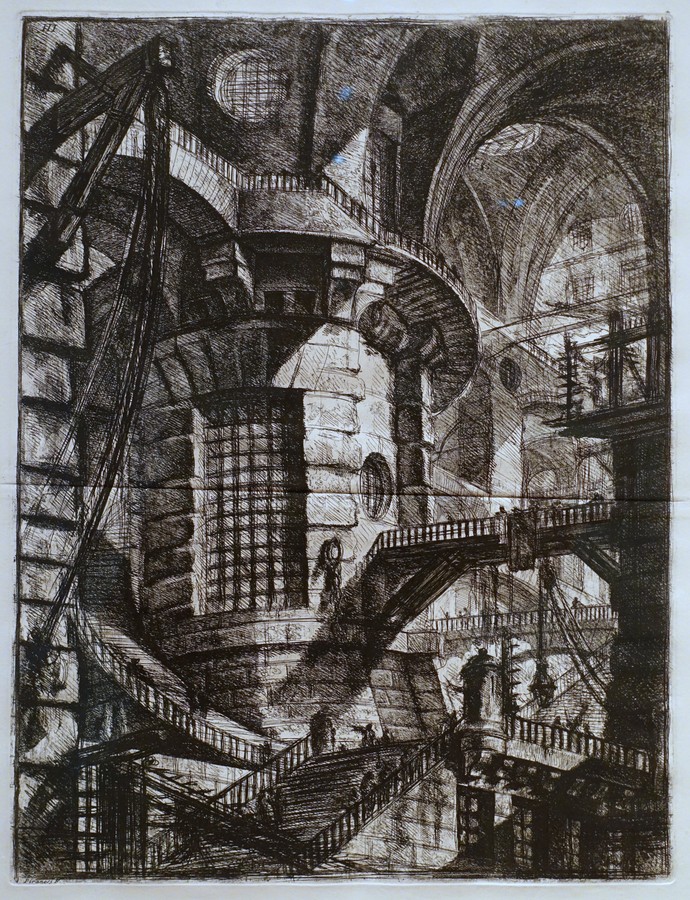
The Round Tower (Plate III), Giovanni Battista Piranesi
‘The Round Tower (Plate III)’ by Giovanni Battista Piranesi, 1749
The Grand Piazza (Plate IV), Giovanni Battista Piranesi
‘The Grand Piazza (Plate IV)’ by Giovanni Battista Piranesi, 1750
Title Plate (Plate I), Giovanni Battista Piranesi
‘Title Plate (Plate I)’ by Giovanni Battista Piranesi, 1749–1750
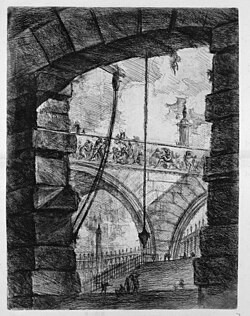
The Drawbridge (Plate VII), Giovanni Battista Piranesi
‘The Drawbridge (Plate VII)’ by Giovanni Battista Piranesi, 1761
Views of Rome: Pirámide de Cestio, Giovanni Battista Piranesi
‘Views of Rome: Pirámide de Cestio’ by Giovanni Battista Piranesi, 1748–1774
Views of Rome: Plaza de San Pedro, Giovanni Battista Piranesi
‘Views of Rome: Plaza de San Pedro’ by Giovanni Battista Piranesi, 1748–1774
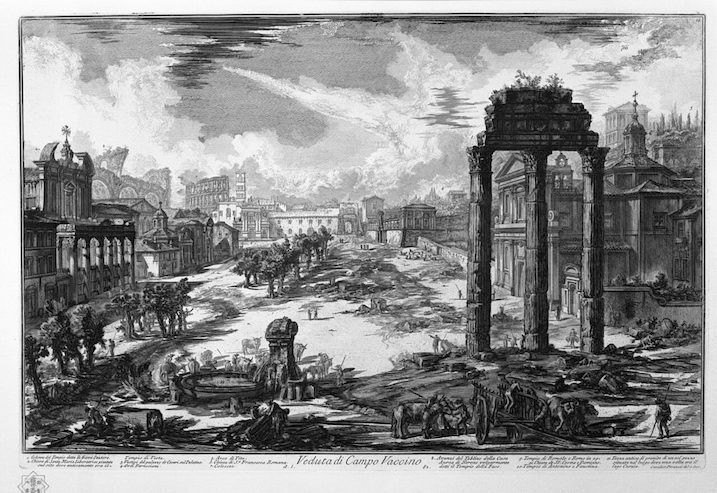
Ancient Ruins of Rome: Templo de Cástor y Pólux, Giovanni Battista Piranesi
‘Ancient Ruins of Rome: Templo de Cástor y Pólux’ by Giovanni Battista Piranesi, 1748–1774
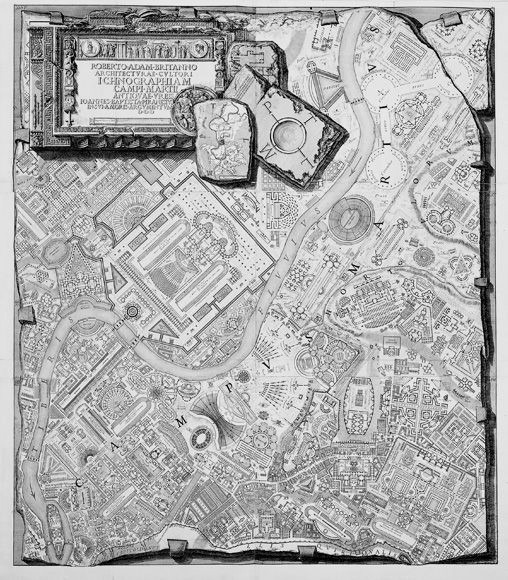
General View of the Iconographia, A Reconstructed Map of the Campus Martius in Ancient Rome
‘General View of the “Iconographia” – A Reconstructed Map of the Campus Martius in Ancient Rome’
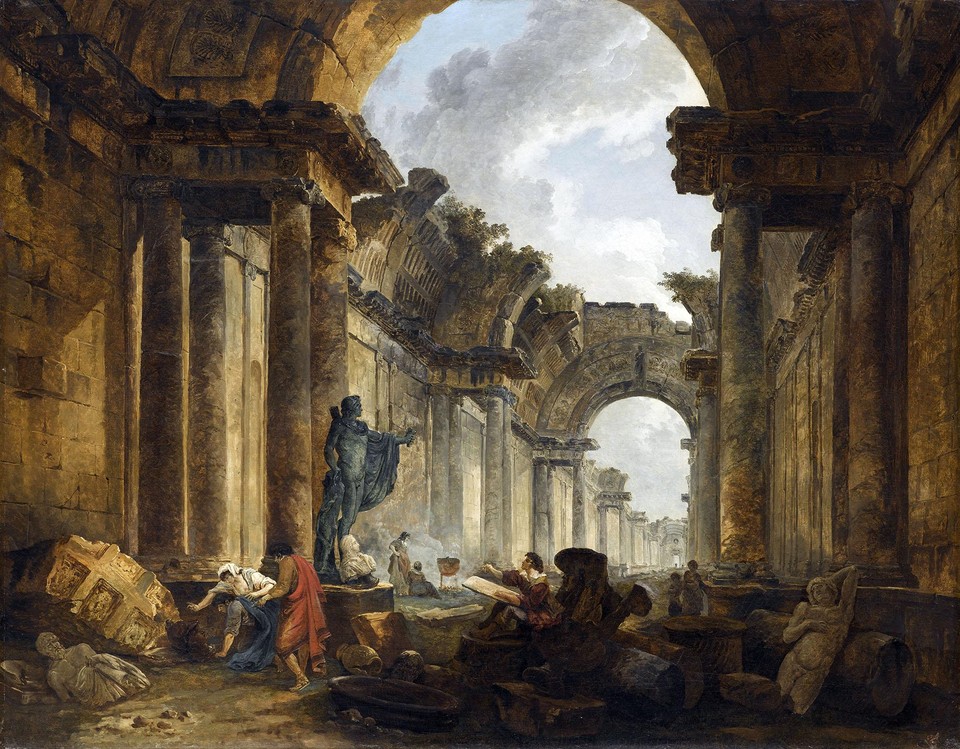
Imaginary View of the Grande Galerie of the Louvre in Ruins, Hubert Robert
‘Imaginary View of the Grande Galerie of the Louvre in Ruins’ by Hubert Robert, 1796
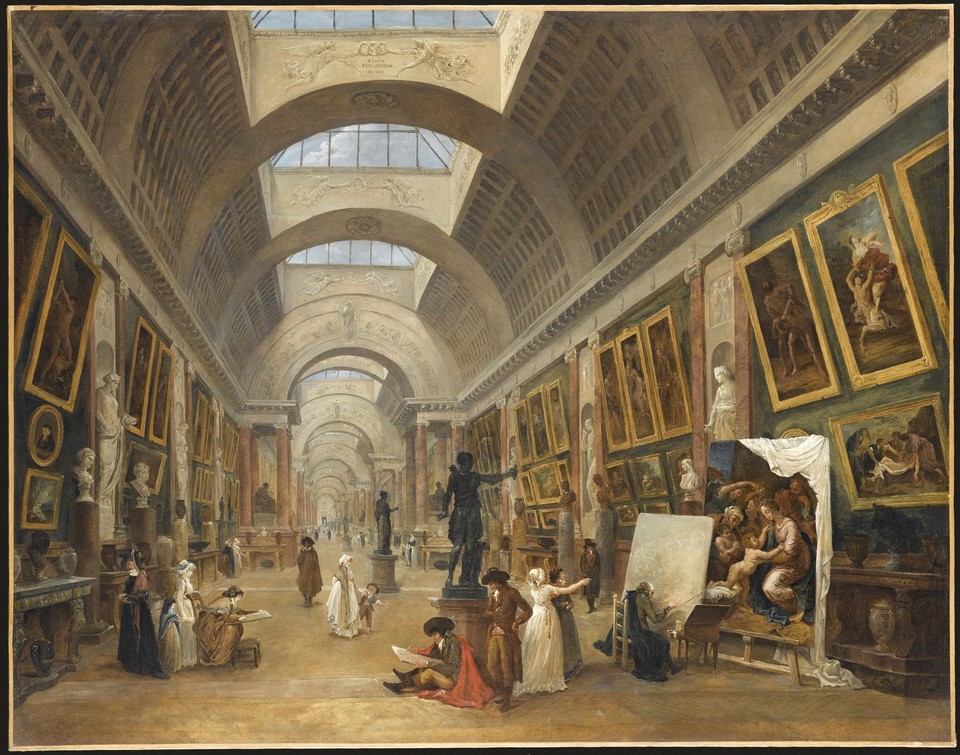
Project for the Transformation of the Grande Galerie, Hubert Robert
‘Project for the Transformation of the Grande Galerie’ by Hubert Robert, 1796
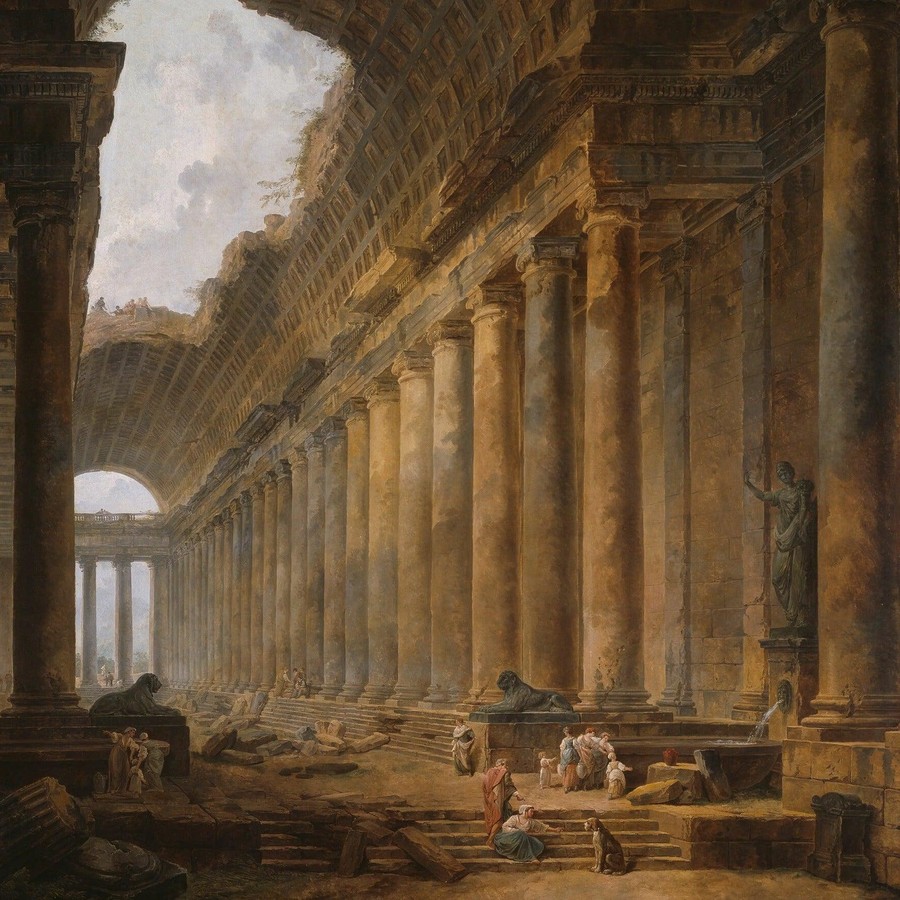
The Old Temple, Hubert Robert
‘The Old Temple’ by Hubert Robert, c. 1787–1788
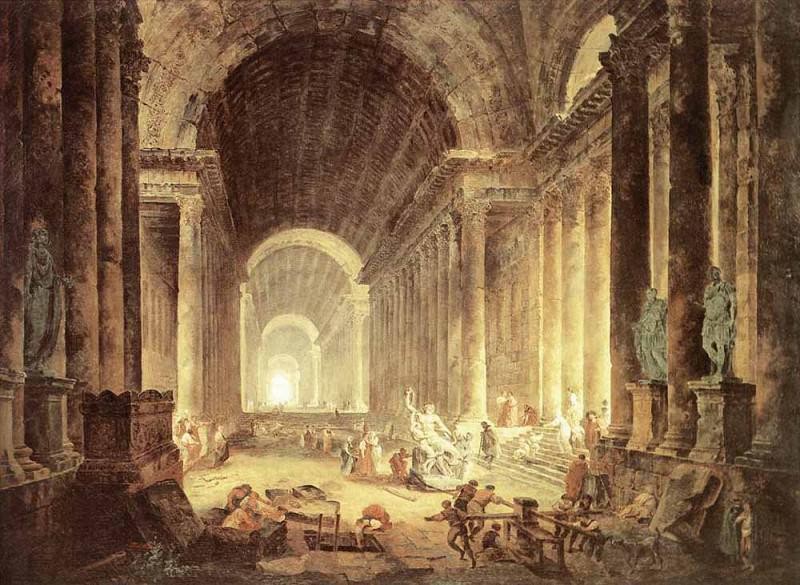
The Finding of the Laocoön, Hubert Robert
‘The Finding of the Laocoön’ by Hubert Robert, 1773
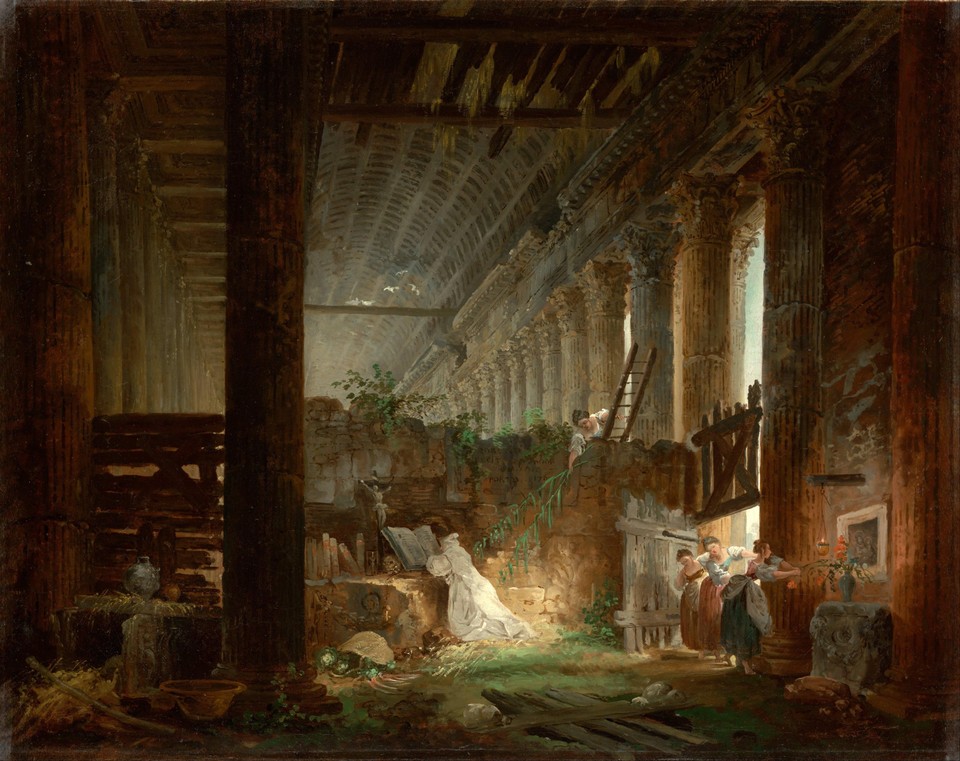
A Hermit Praying in the Ruins of a Roman Temple, Hubert Robert
‘A Hermit Praying in the Ruins of a Roman Temple’ by Hubert Robert, c. 1760
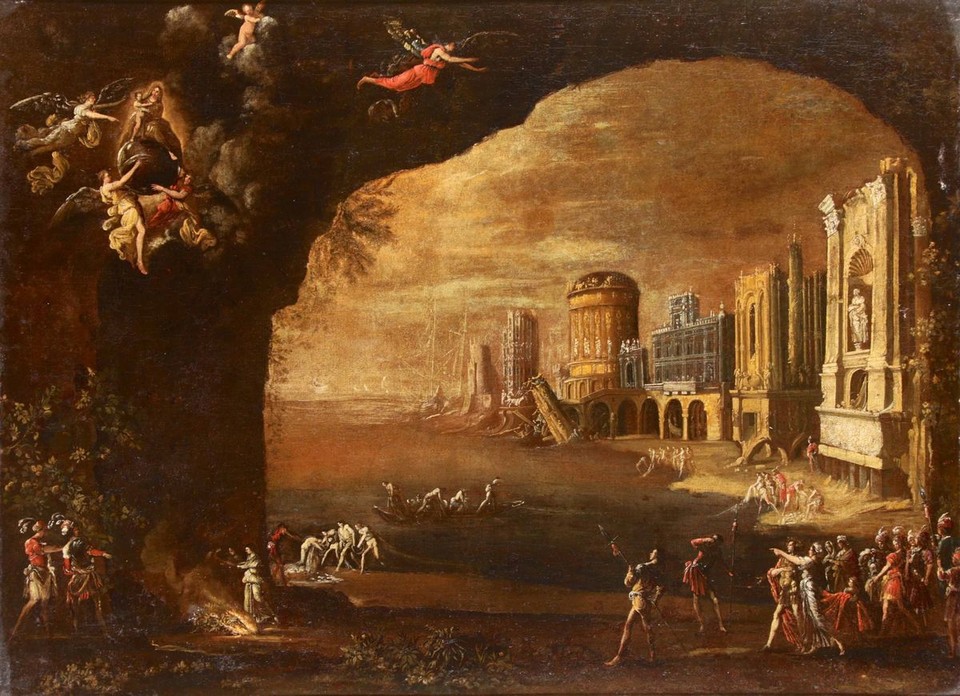
Paisaje fantástico, Monsù Desiderio
‘Paisaje fantástico’ by Monsù Desiderio, 1624
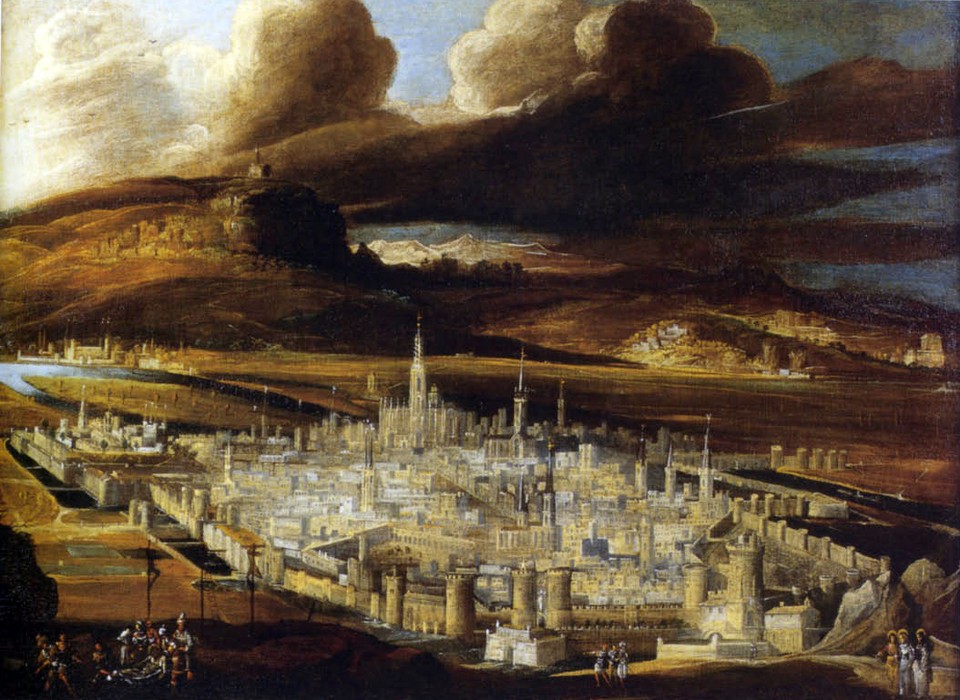
View of Metz from the Hill of Velcroix, Monsù Desiderio
‘View of Metz from the Hill of Velcroix’ by Monsù Desiderio, 1650–1656
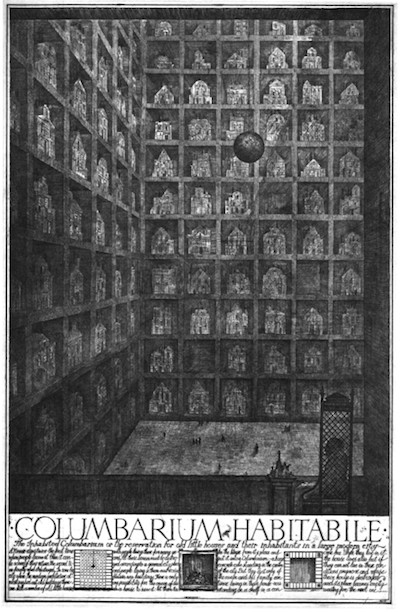
Columbarium Habitabile, Alexander Brodsky and Ilya Utkin
‘Columbarium Habitabile’ by Alexander Brodsky and Ilya Utkin, 1986
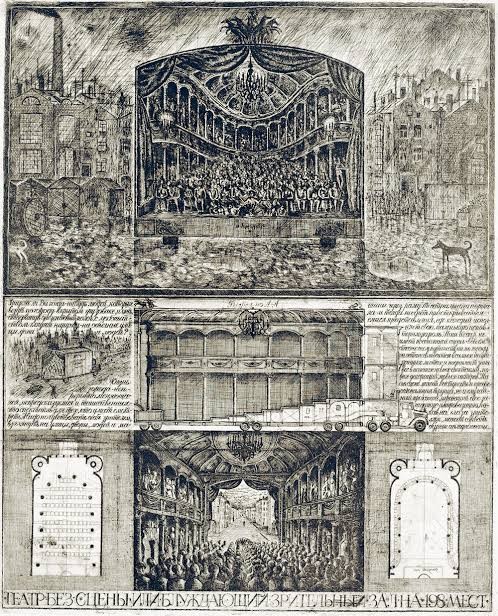
A Theatre Without a Stage, or a Wandering Audience, Alexander Brodsky and Ilya Utkin
‘A Theatre Without a Stage, or a Wandering Audience’ by Alexander Brodsky and Ilya Utkin
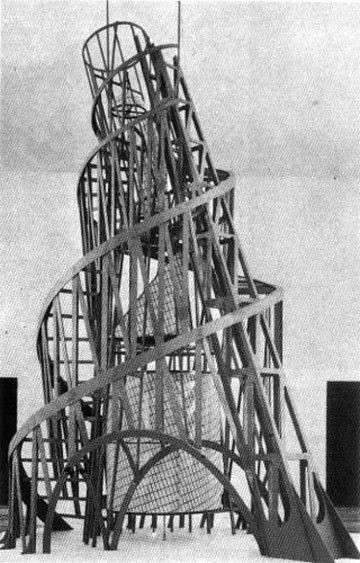
Monument to the Third International (Tatlin’s Tower), Vladimir Tatlin
‘Monument to the Third International (Tatlin’s Tower)’ by Vladimir Tatlin, 1919–1920
Cinematic Illumination, Shuzo Azuchi Gulliver
‘Cinematic Illumination’ by Shuzo Azuchi Gulliver, 1968–69
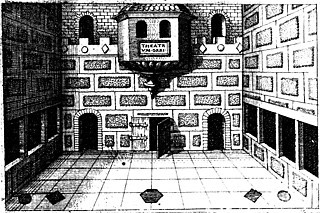
The Theatre of Memory, Robert Fludd
‘The Theatre of Memory’ by Robert Fludd
← The Dream of the White Kestrel

The Dream of the White Kestrel

Reference

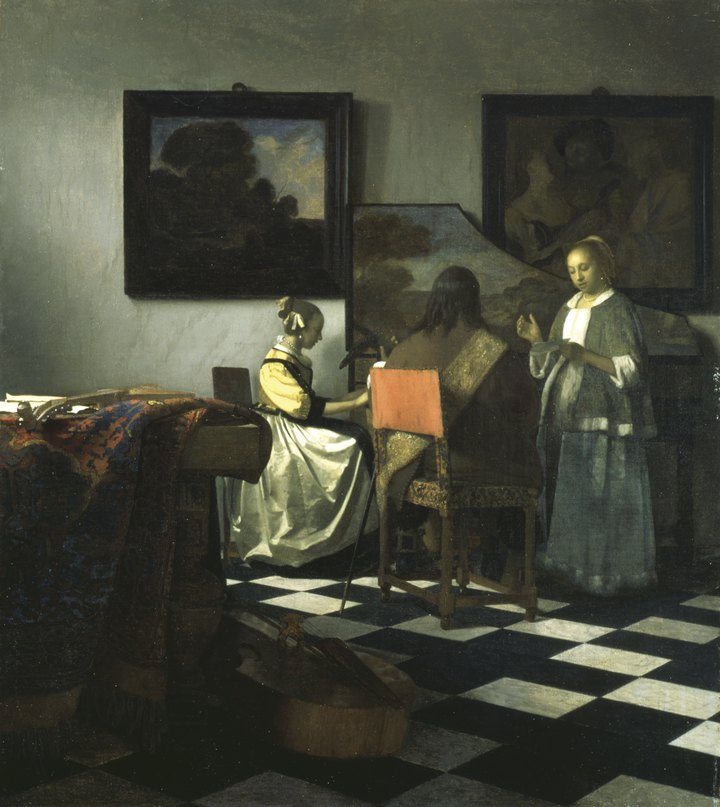
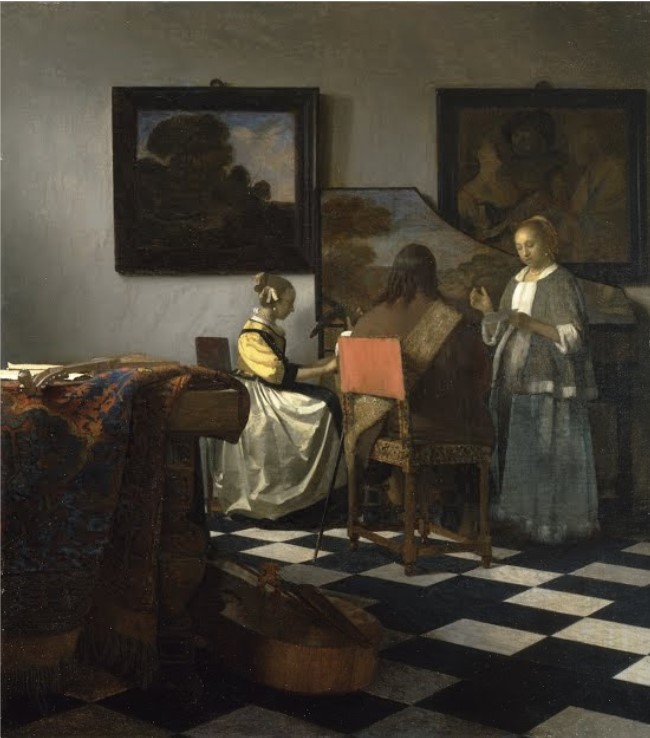
The Concert, Johannes Vermeer
‘The Concert’ by Johannes Vermeer, c. 1664
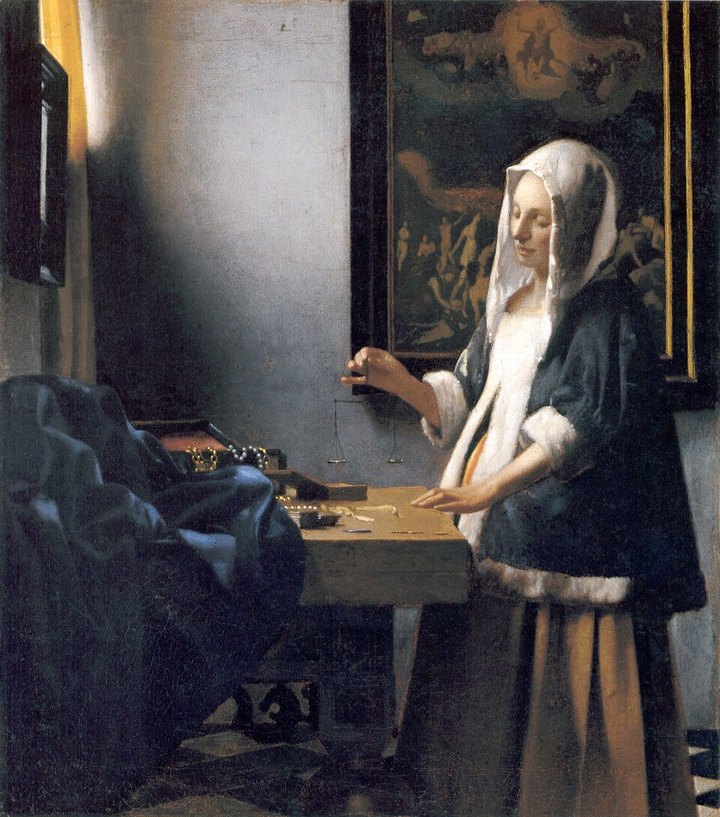
Woman with a Balance, Johannes Vermeer
‘Woman with a Balance’ by Johannes Vermeer, c. 1662–1663
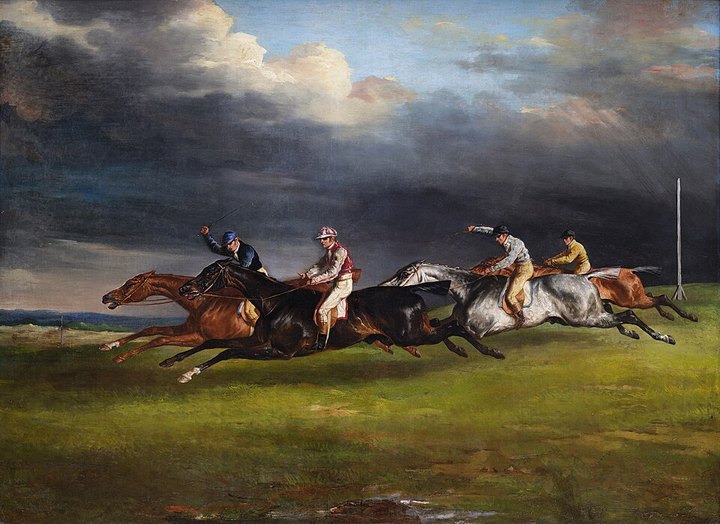
Horse Racing at Epsom, Théodore Géricault
‘Horse Racing at Epsom’ by Théodore Géricault, 1821
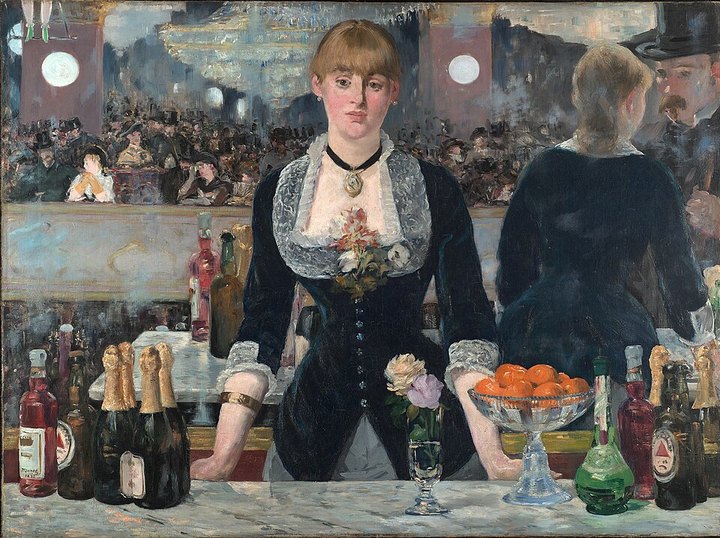
A Bar at the Folies-Bergère, Édouard Manet
‘A Bar at the Folies-Bergère’ by Édouard Manet, 1882
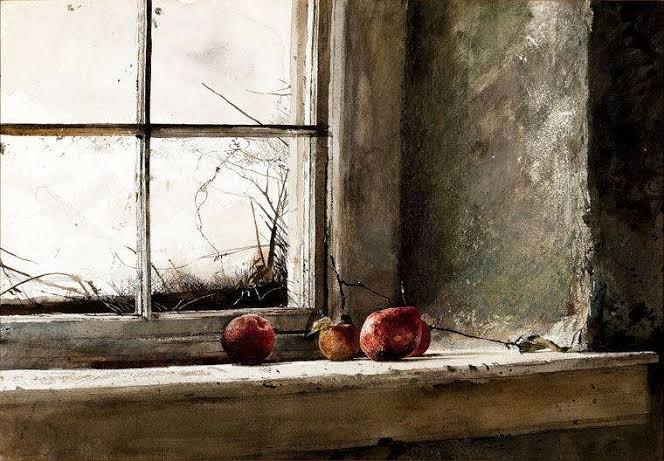
Frostbitten, Andrew Wyeth
‘Frostbitten’ by Andrew Wyeth, 1962
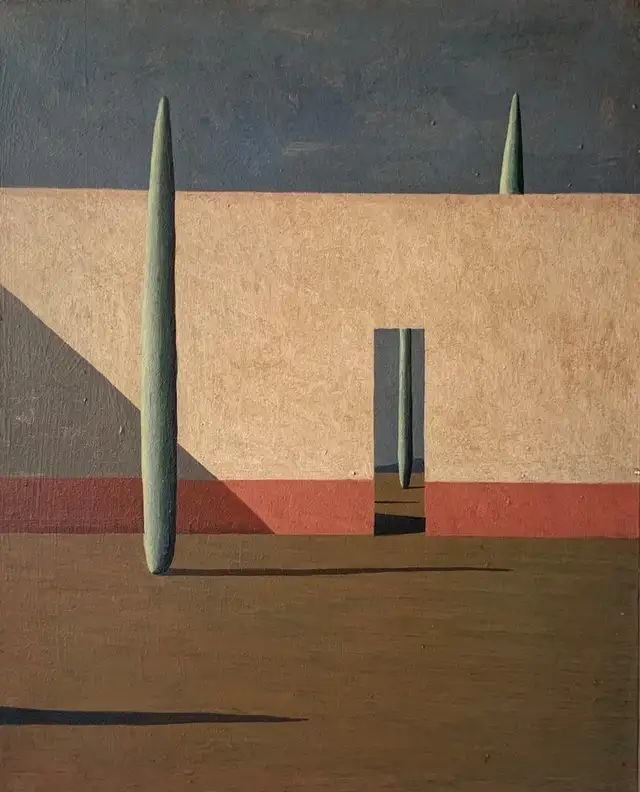
DGW
‘DGW’ by Ramon Enrich, 2021
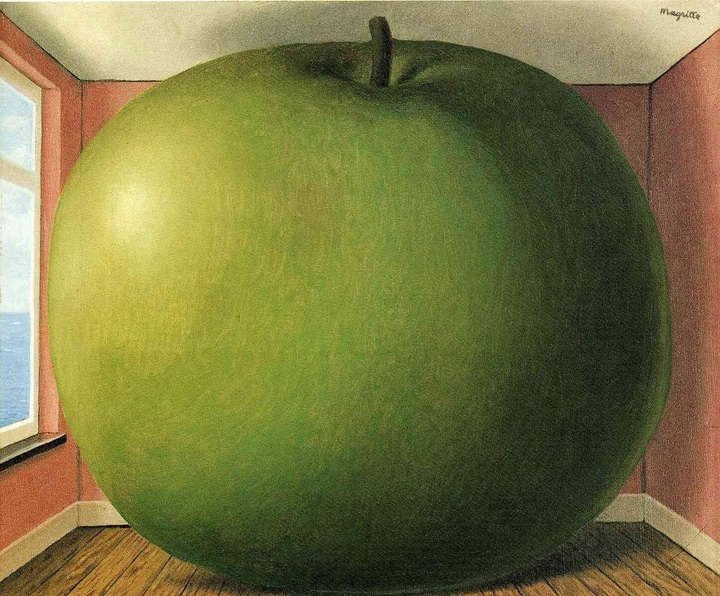
The Listening Room, René Magritte
‘The Listening Room’ by René Magritte, 1952
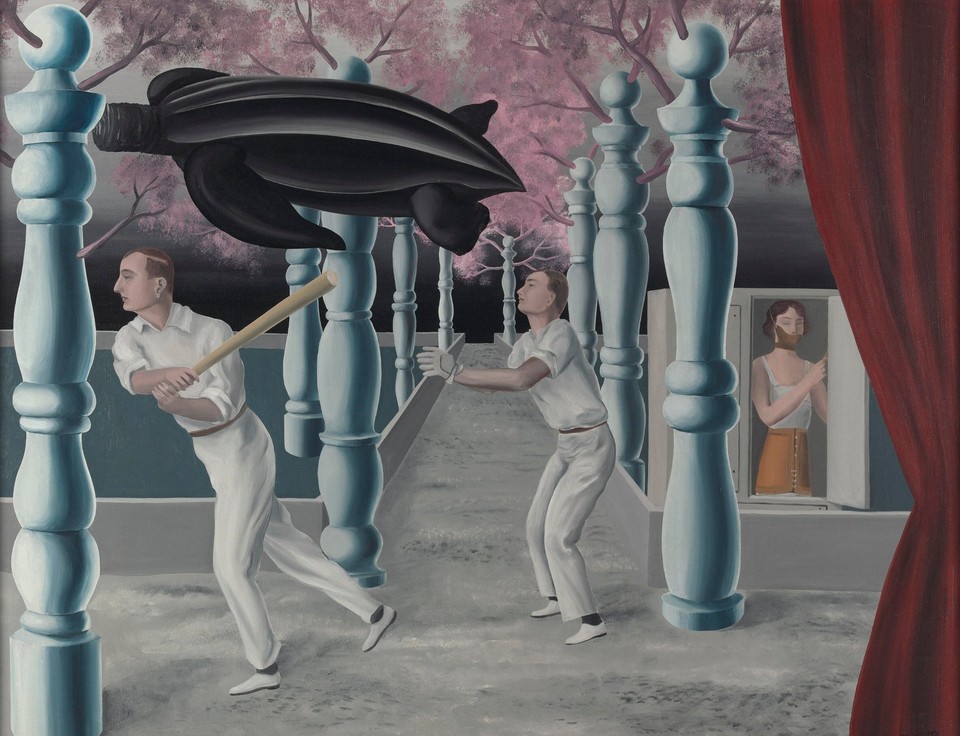
The Secret Player, René Magritte
‘The Secret Player’ by René Magritte, 1927
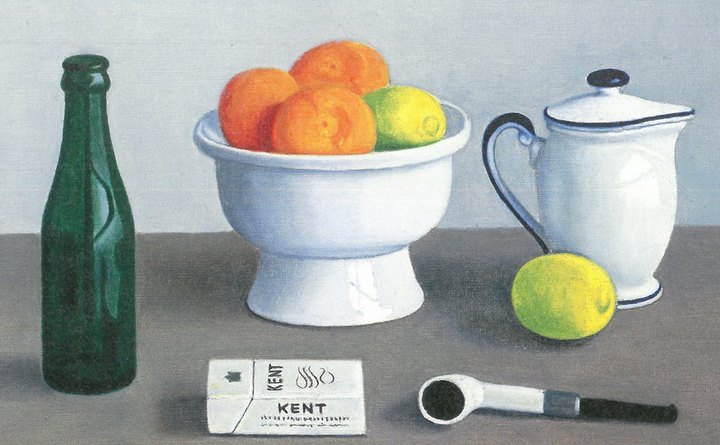
Still Life with Mandarin Oranges, Rinjiro Hasegawa
‘Still Life with Mandarin Oranges’ by Rinjiro Hasegawa, 1979
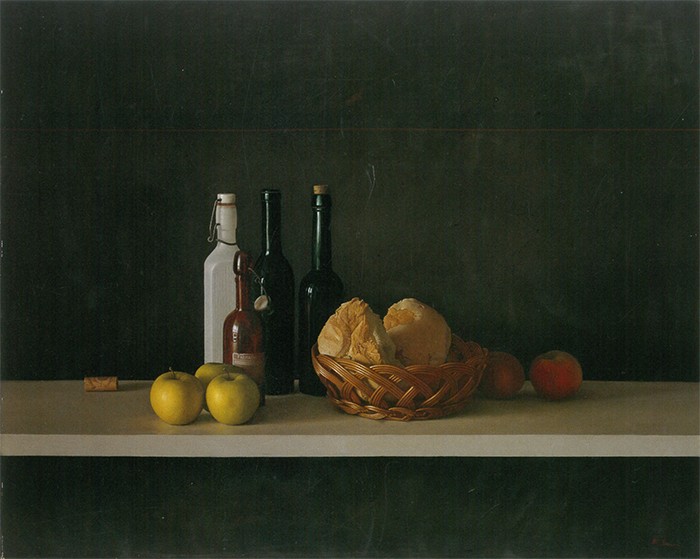
Still Life (Still Life with Bread and a Bottle), Tsuyoshi Isoe
‘Still Life (Still Life with Bread and a Bottle)’ by Tsuyoshi Isoe, 1990
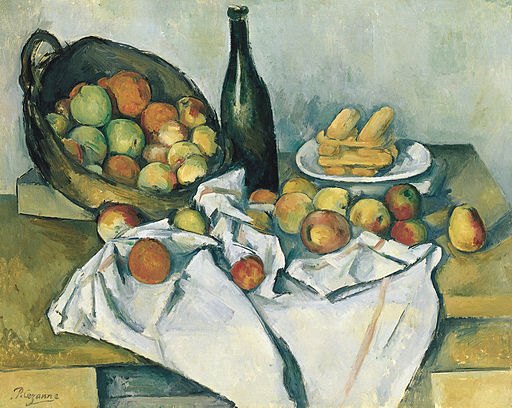
The Basket of Apples, Paul Cézanne
‘The Basket of Apples’ by Paul Cézanne, c. 1893
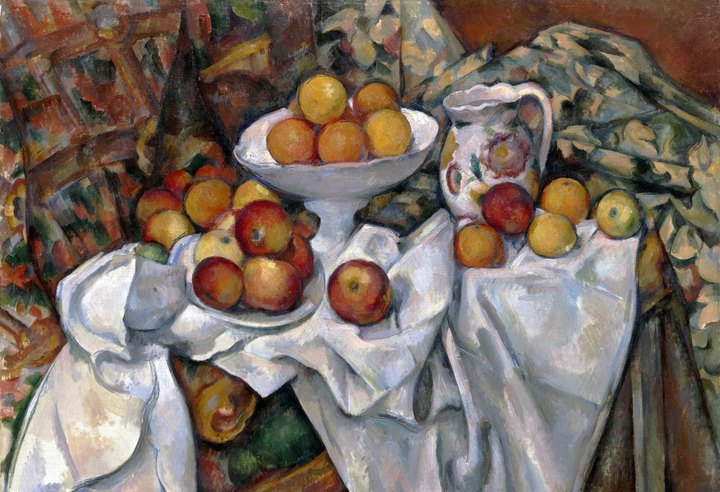
Apples and Oranges, Paul Cézanne
‘Apples and Oranges’ by Paul Cézanne, c. 1899
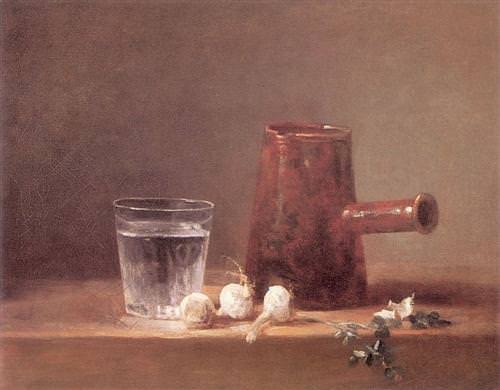
Glass of Water and Coffee Pot, Jean-Baptiste-Siméon Chardin
‘Glass of Water and Coffee Pot’ by Jean-Baptiste-Siméon Chardin, c. 1760
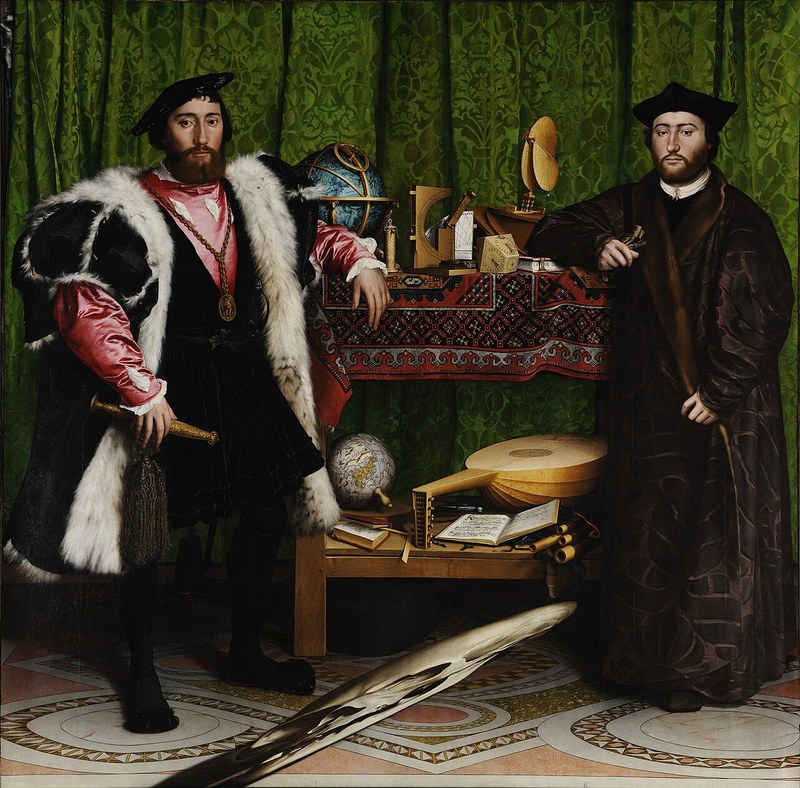
The Ambassadors, Hans Holbein the Younger
‘The Ambassadors’ by Hans Holbein the Younger, 1533
Dogtooth, Yorgos Lanthimos
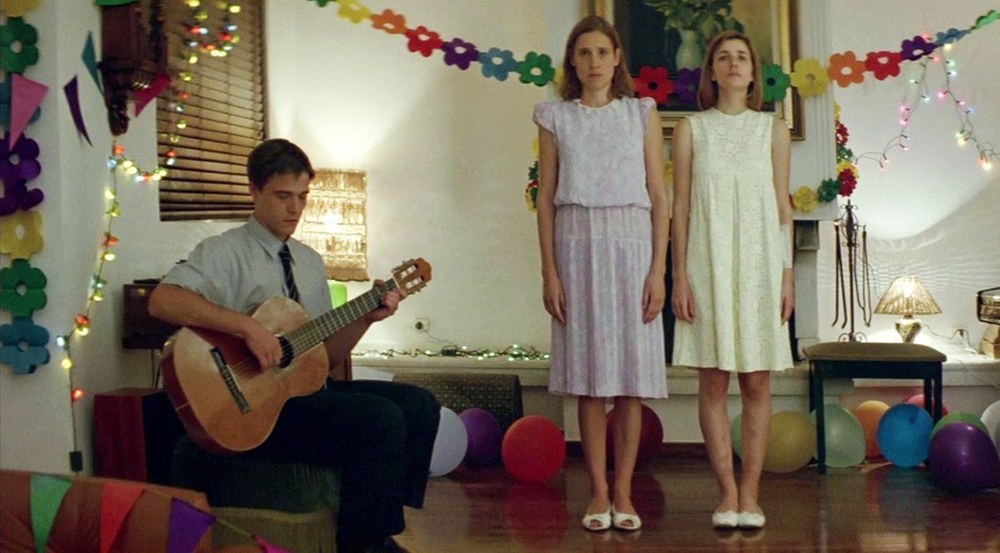
‘Dogtooth’ by Yorgos Lanthimos, 2009
Images, Robert Altman
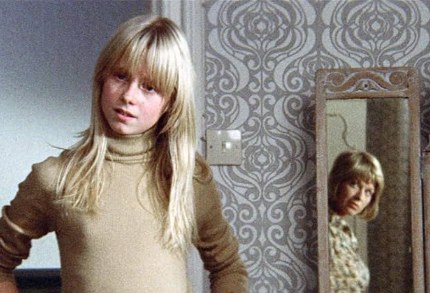
‘Images’ by Robert Altman, 1972
Little Joe, Jessica Hausner
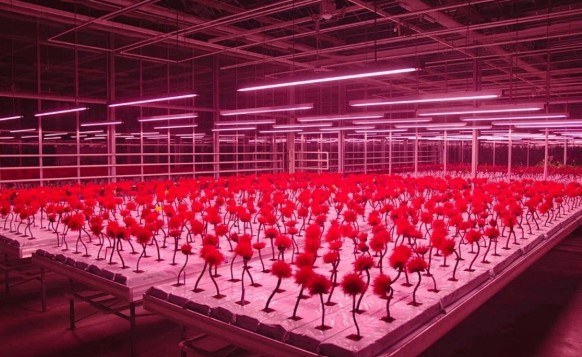
‘Little Joe’ by Jessica Hausner, 2019
The Shining, Stanley Kubrick
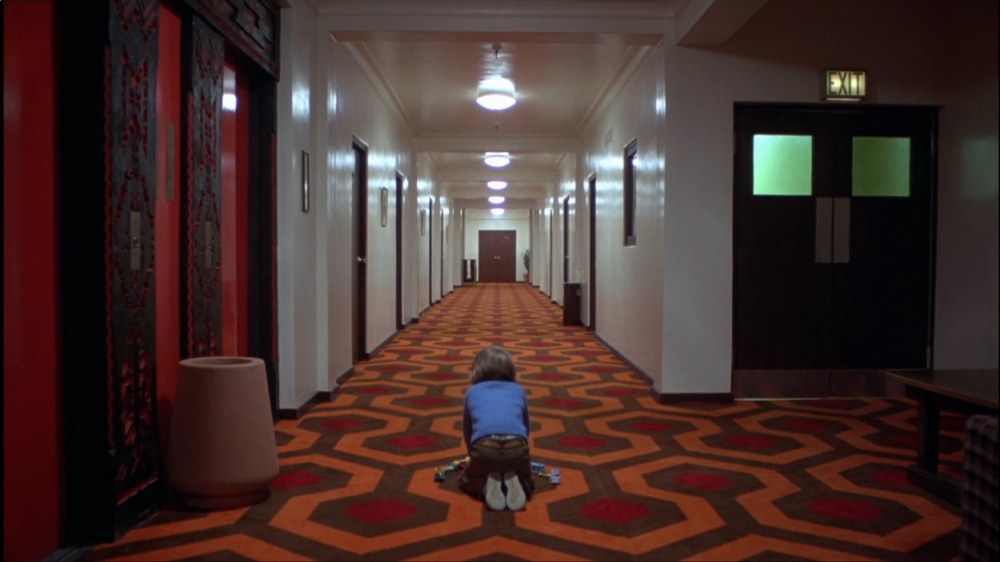
‘The Shining’ by Stanley Kubrick, 1980
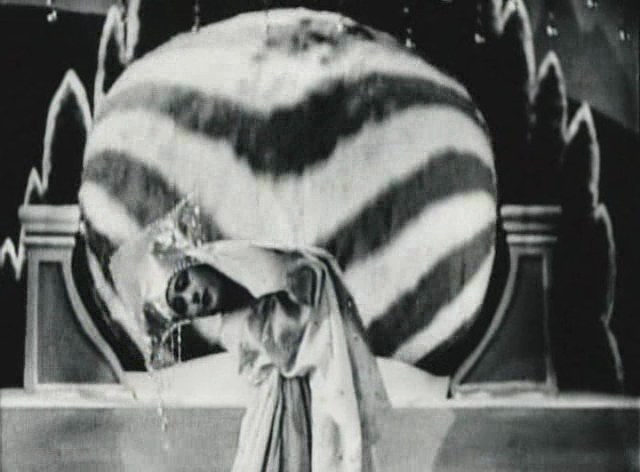
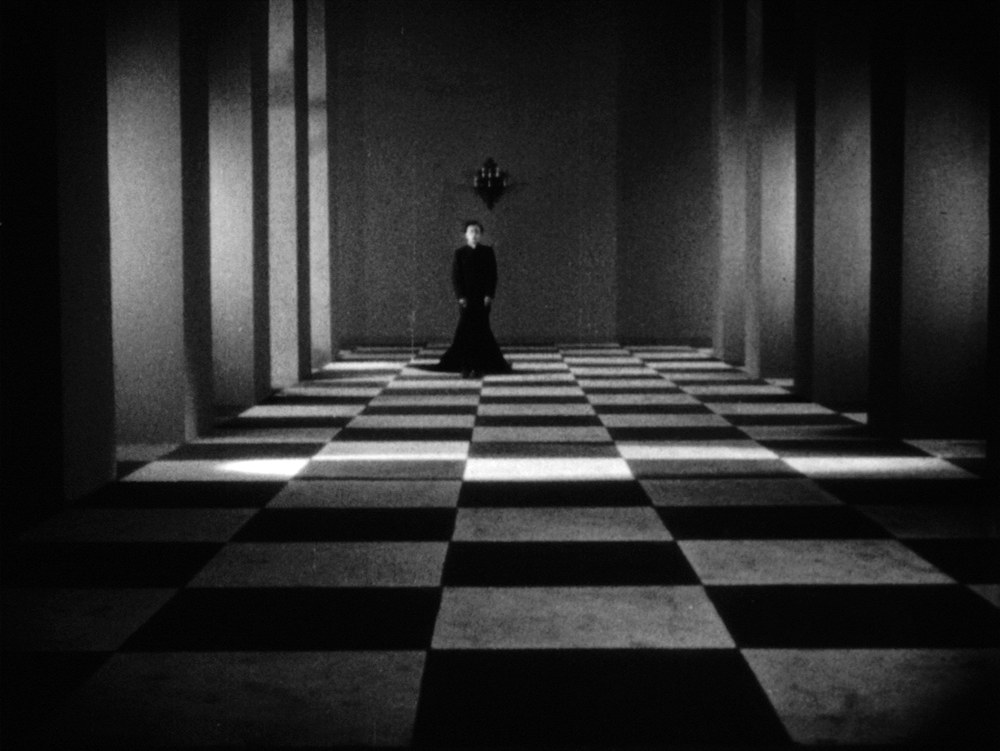
A Page of Madness, Teinosuke Kinugasa
‘A Page of Madness’ by Teinosuke Kinugasa, 1926
The Seashell and the Clergyman, Germaine Dulac
‘The Seashell and the Clergyman’ by Germaine Dulac, 1928
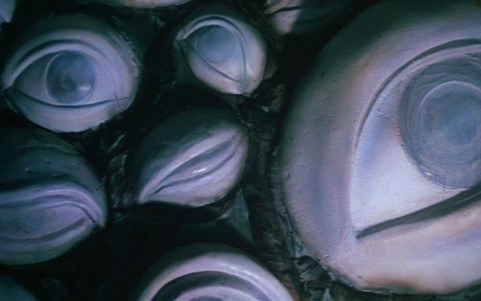
Blind Beast, Yasuzō Masumura
‘Blind Beast’ by Yasuzō Masumura, 1969
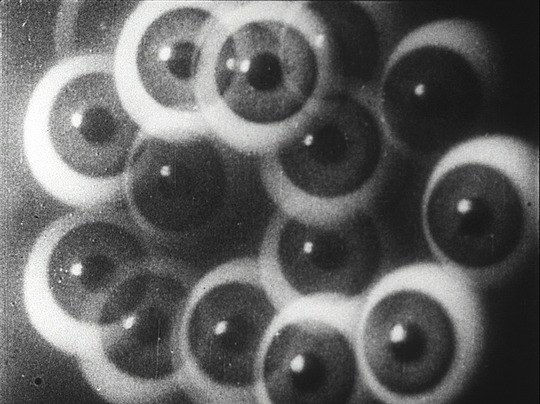
Filmstudie, Hans Richter
‘Filmstudie’ by Hans Richter, 1926
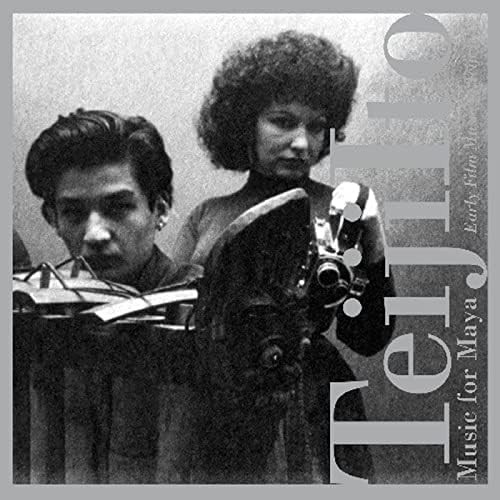
Music for Maya: Early Film Music of Teiji Ito, Teiji Ito
‘Music for Maya: Early Film Music of Teiji Ito’ by Teiji Ito, 2007
← Before, After Cognition

Before, After Cognition

Reference

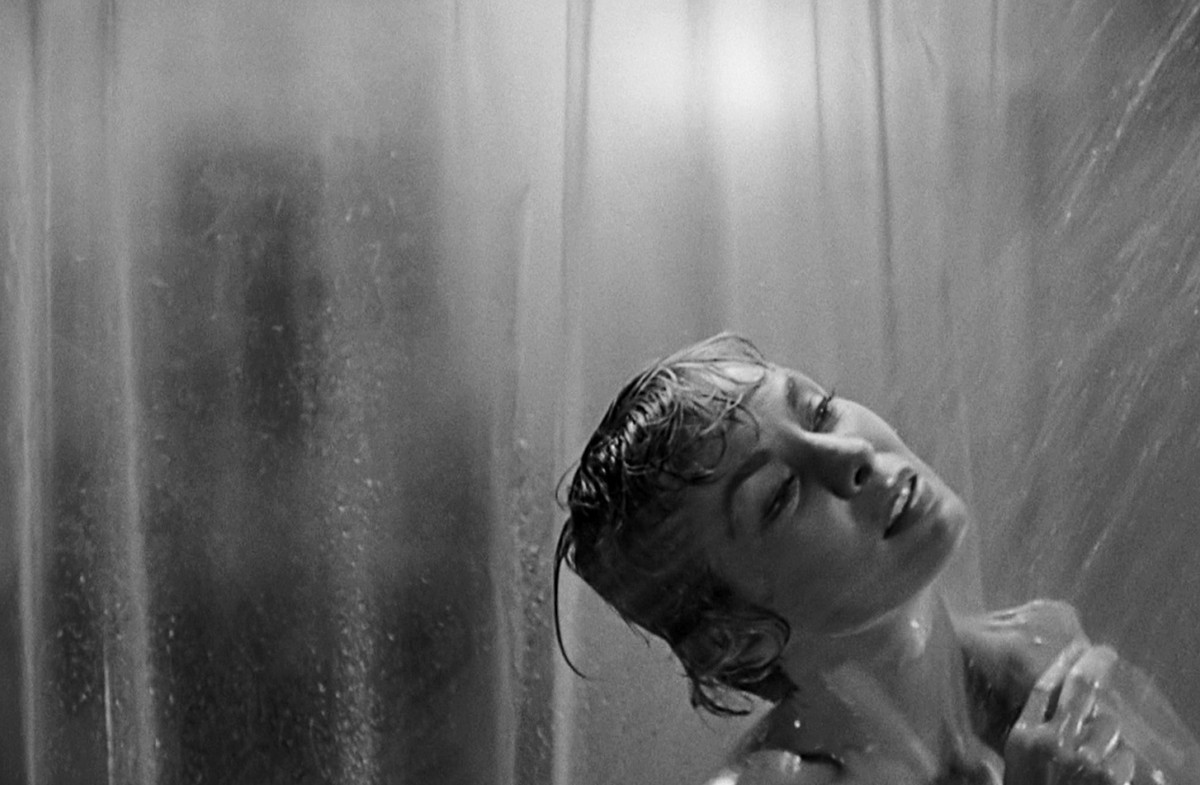
Psycho, Alfred Hitchcock
‘Psycho’ by Alfred Hitchcock, 1960
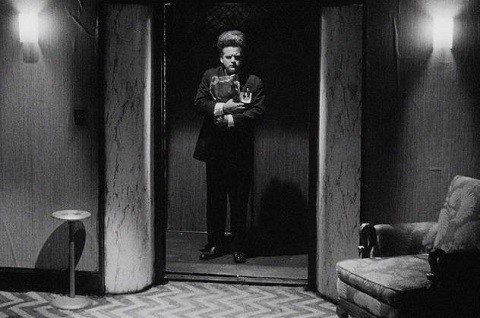
Eraserhead, David Lynch
‘Eraserhead’ by David Lynch, 1977
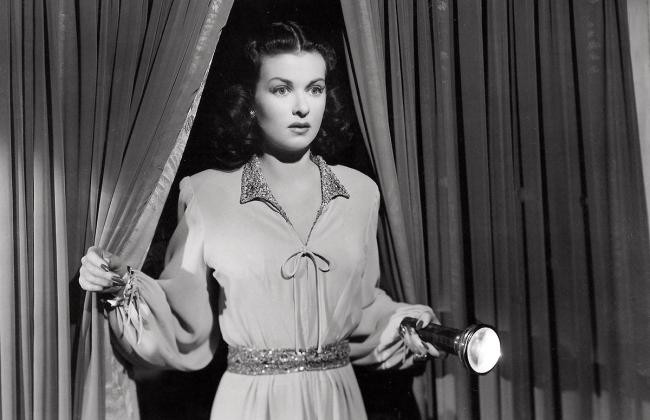
Secret Beyond the Door, Fritz Lang
‘Secret Beyond the Door’ by Fritz Lang, 1947
Repulsion, Roman Polanski
‘Repulsion’ by Roman Polanski, 1965
Dream Work, Peter Tscherkassky
‘Dream Work’ by Peter Tscherkassky, 2001
The West Wing, Edward Gorey
‘The West Wing’ by Edward Gorey, 1963
Skinamarink, Kyle Edward Ball
‘Skinamarink’ by Kyle Edward Ball, 2022
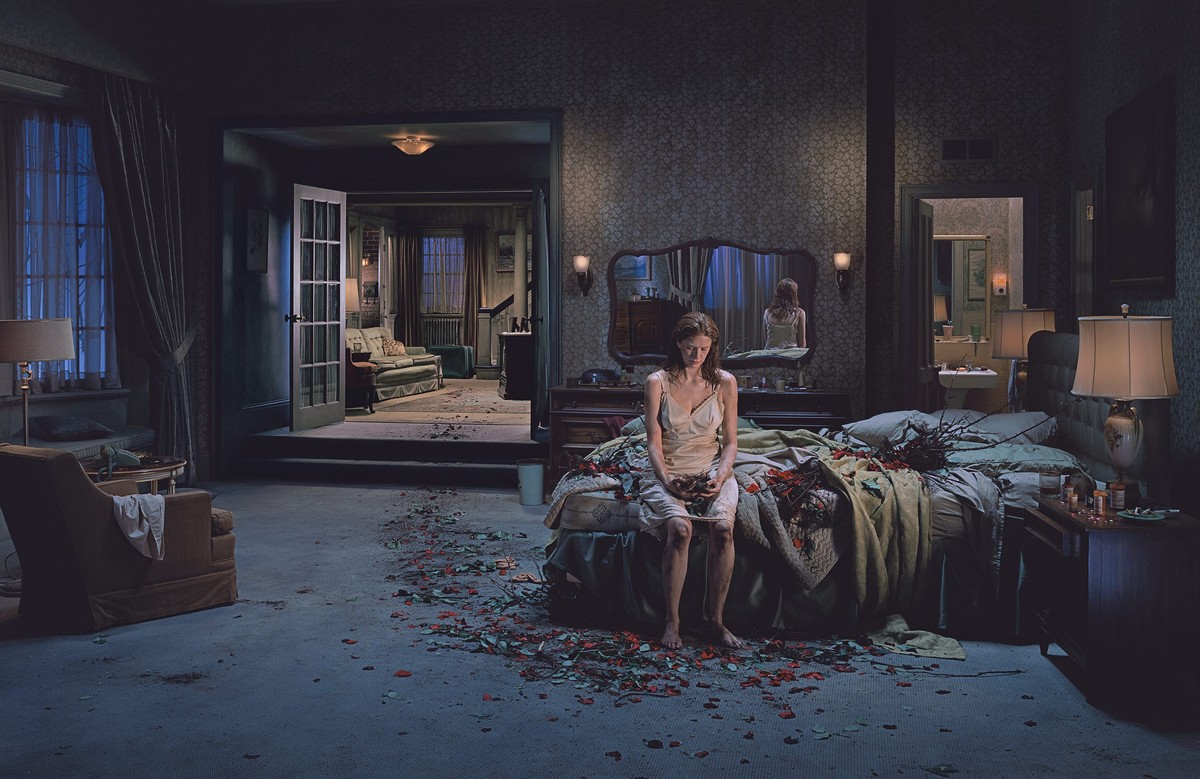
Untitled, Winter (Bed of Roses), Gregory Crewdson
‘Untitled, Winter (Bed of Roses)’ by Gregory Crewdson, 2005
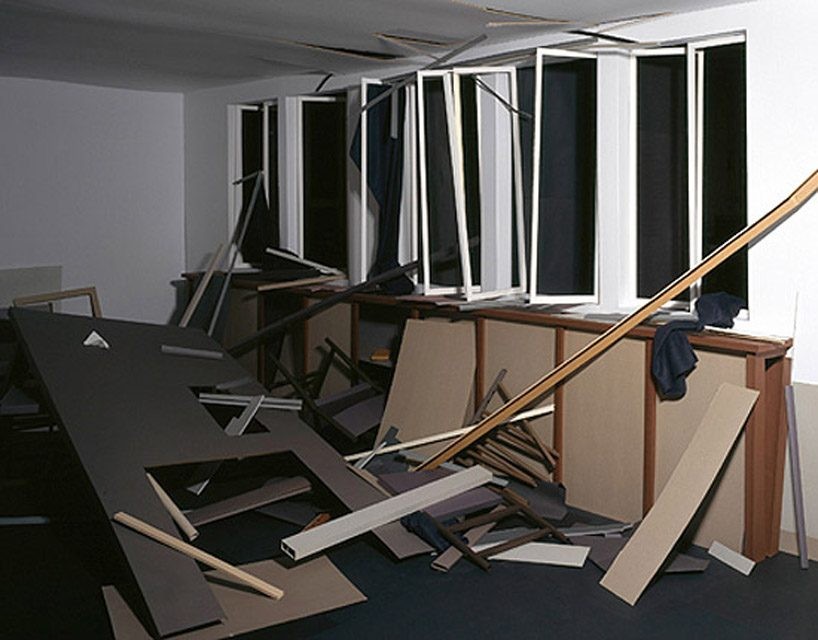
Raum, Thomas Demand
‘Raum’ by Thomas Demand, 1994
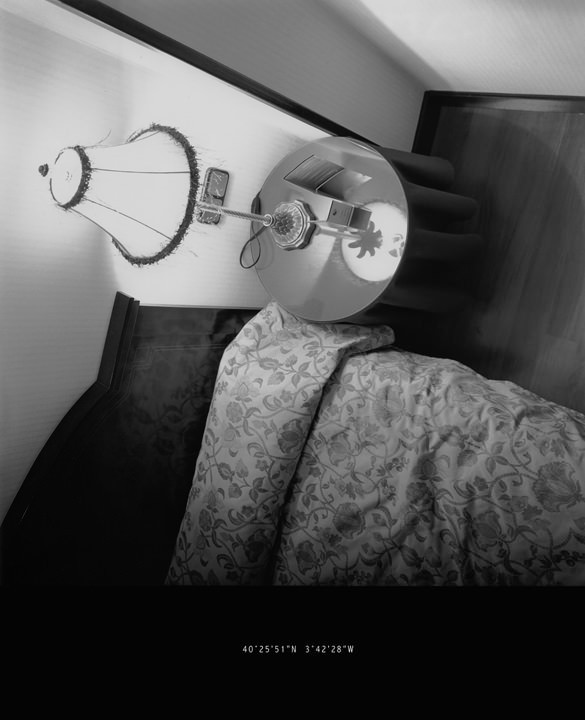
Downwards Towards Orpheus 1 – In Pursuit of the Missing Person, Yuki Onodera
‘Downwards Towards Orpheus 1 – In Pursuit of the Missing Person’ by Yuki Onodera, 2006
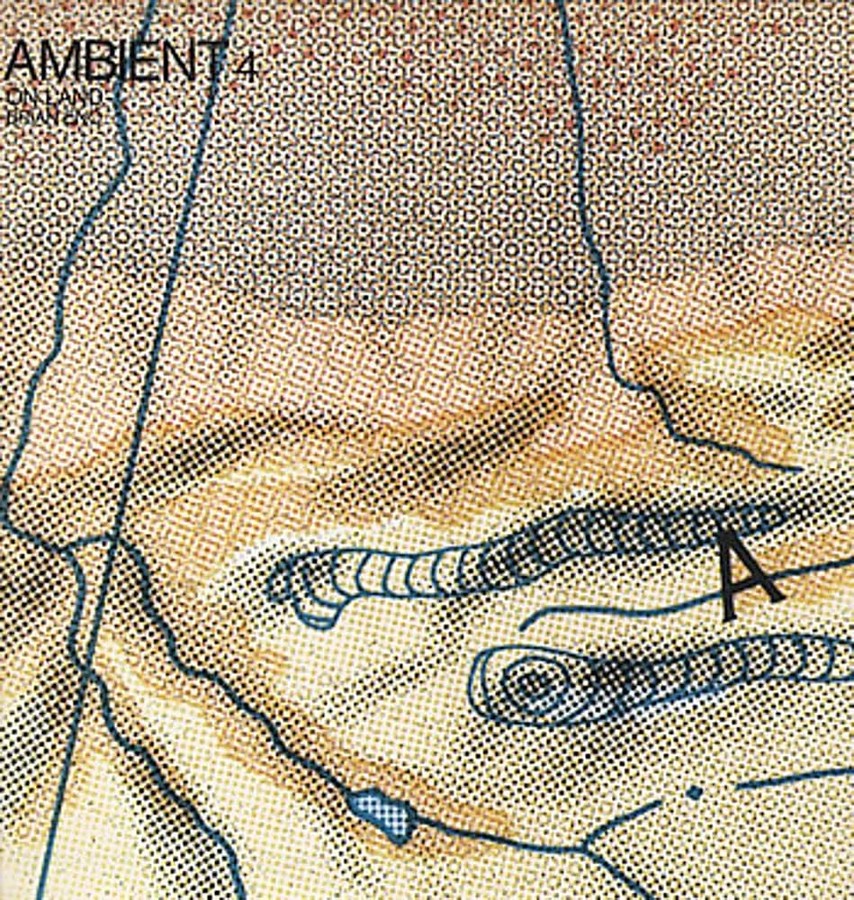
Ambient 4: On Land, Brian Eno
‘Ambient 4: On Land’ by Brian Eno, 1982
← It Feels Like Someone’s There, Yet the Sound Never Stops

It Feels Like Someone’s There, Yet the Sound Never Stops

Reference

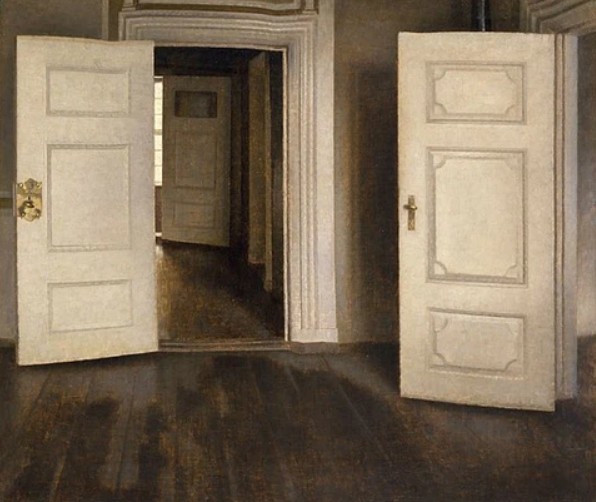
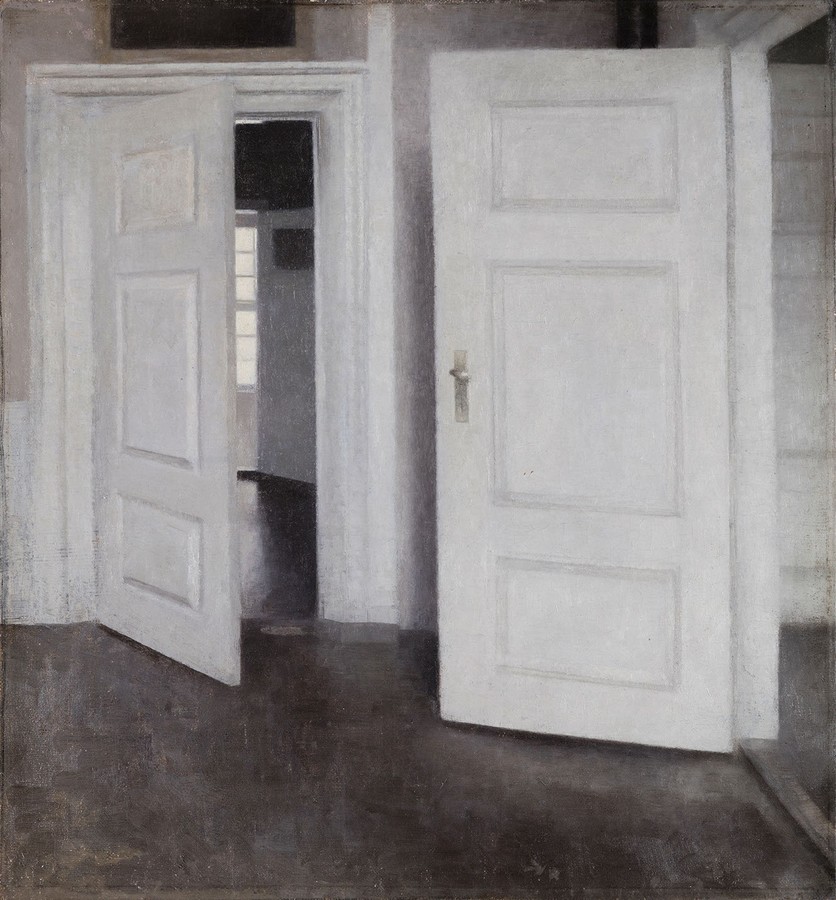
The White Door, or The Open Door, Vilhelm Hammershøi
‘The White Door, or The Open Door’ by Vilhelm Hammershøi, 1905
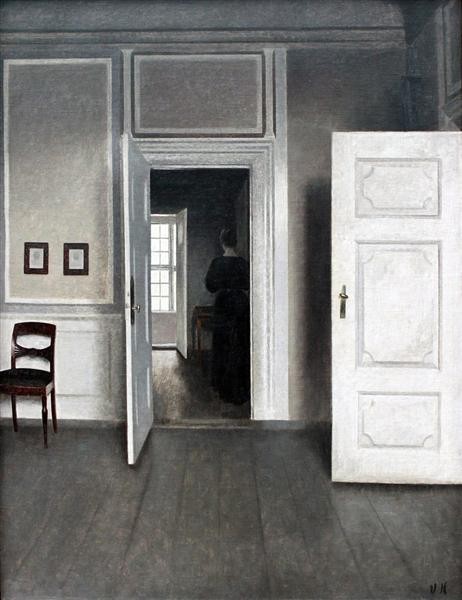
The Room with Ida Playing the Piano, Vilhelm Hammershøi
‘The Room with Ida Playing the Piano’ by Vilhelm Hammershøi, 1910
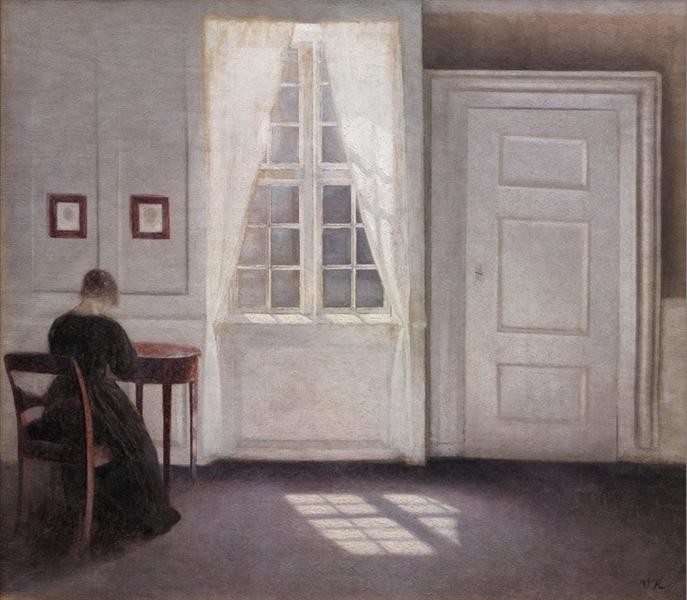
Interior from Strandgade with Sunlight on the Floor, Vilhelm Hammershøi
‘Interior from Strandgade with Sunlight on the Floor’ by Vilhelm Hammershøi, 1901
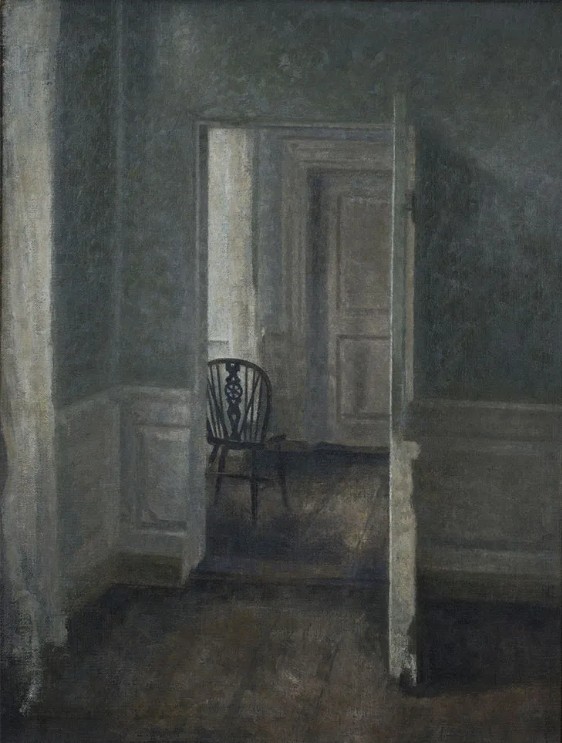
Interior with a Windsor Chair, Vilhelm Hammershøi
‘Interior with a Windsor Chair’ by Vilhelm Hammershøi, 1913
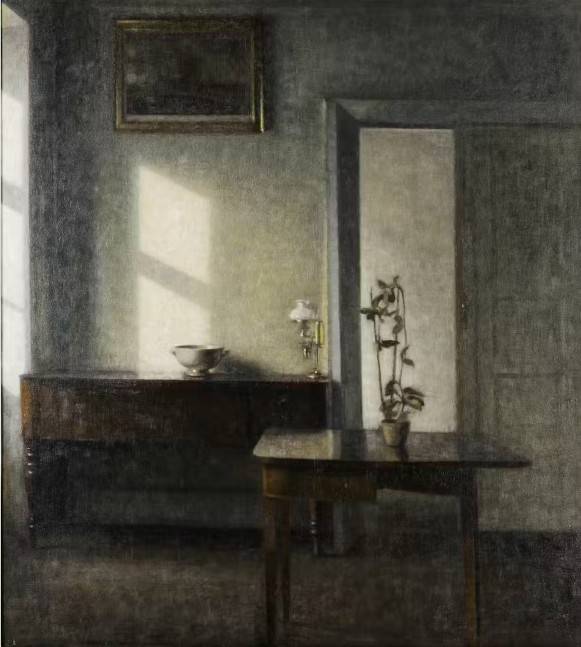
Interior with a Card Table and a Potted Plant, Bredgade 25, Vilhelm Hammershøi
‘Interior with a Card Table and a Potted Plant, Bredgade 25’ by Vilhelm Hammershøi, 1910–1911
The White Door, Vilhelm Hammershøi
‘The White Door’ by Vilhelm Hammershøi, 1899
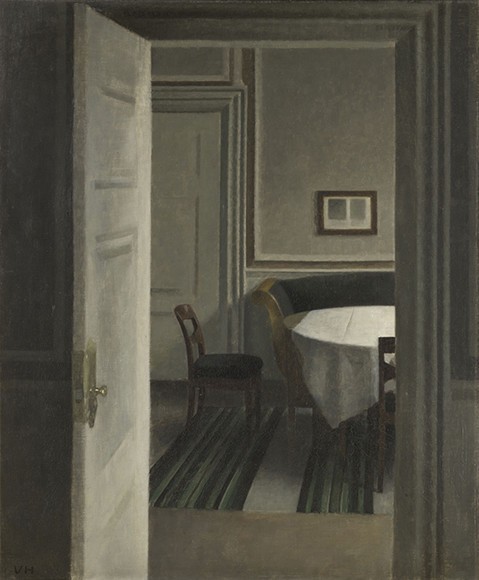
Interior, Strandgade 30, Vilhelm Hammershøi
‘Interior, Strandgade 30’ by Vilhelm Hammershøi, 1904
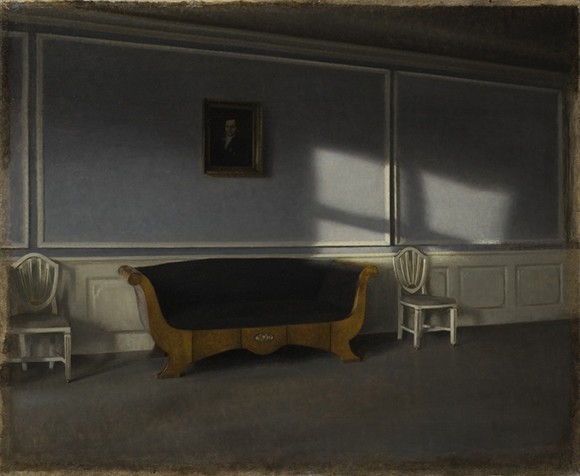
Sunlight in the Living Room III, Vilhelm Hammershøi
‘Sunlight in the Living Room III’ by Vilhelm Hammershøi, 1903
The Concert, Johannes Vermeer
‘The Concert’ by Johannes Vermeer, c. 1664
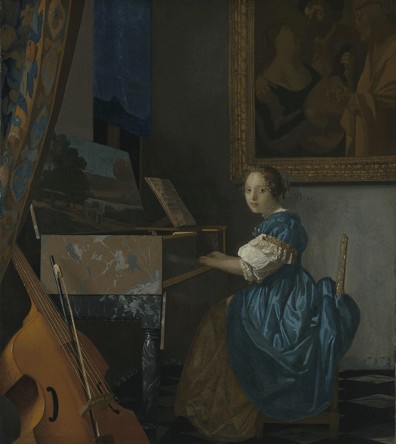
Woman Seated at a Virginal, Johannes Vermeer
‘Woman Seated at a Virginal’ by Johannes Vermeer, c. 1670–1672
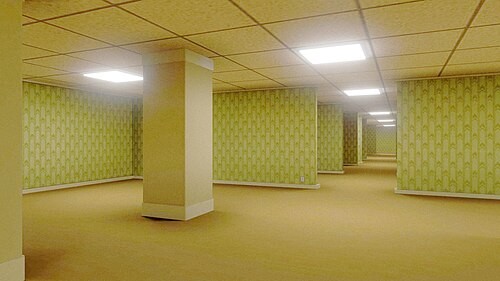
A typical depiction of The Backrooms using computer graphics
A typical depiction of ‘The Backrooms’ using computer graphics
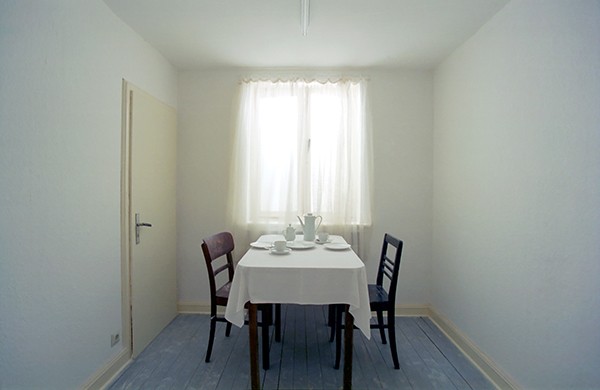
Coffee Room (Room 10 / Kaffeezimmer), Gregor Schneider
‘Coffee Room (Room 10 / Kaffeezimmer)’ by Gregor Schneider, 1993
N. Schmidt Pferdegasse 19, Gregor Schneider
‘N. Schmidt Pferdegasse 19’ by Gregor Schneider, 2017
SCHLAFEN, Gregor Schneider
‘SCHLAFEN’ by Gregor Schneider, 2014
Repository, Thomas Demand
‘Repository’ by Thomas Demand, 2018
Copy Shop, Thomas Demand
‘Copy Shop’ by Thomas Demand, 1999
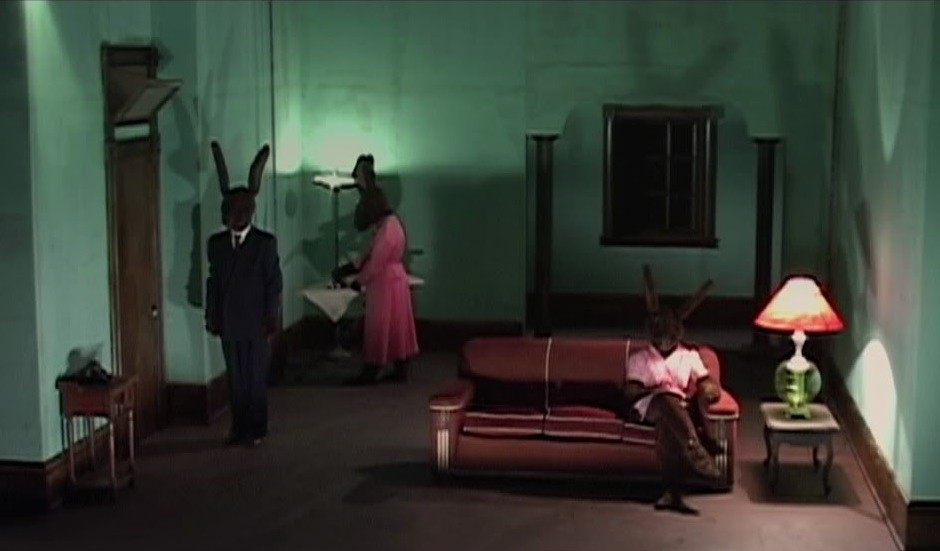
Inland Empire, David Lynch – Rabbits
‘Inland Empire (Rabbits)’ by David Lynch, 2006
← Home
← Video

Grandparents’ house

2026

Video (monochrome, sound; 5:26 min)
Director, Video editor, Sound: Hitoki Keino
Cast: Hitoki Keino

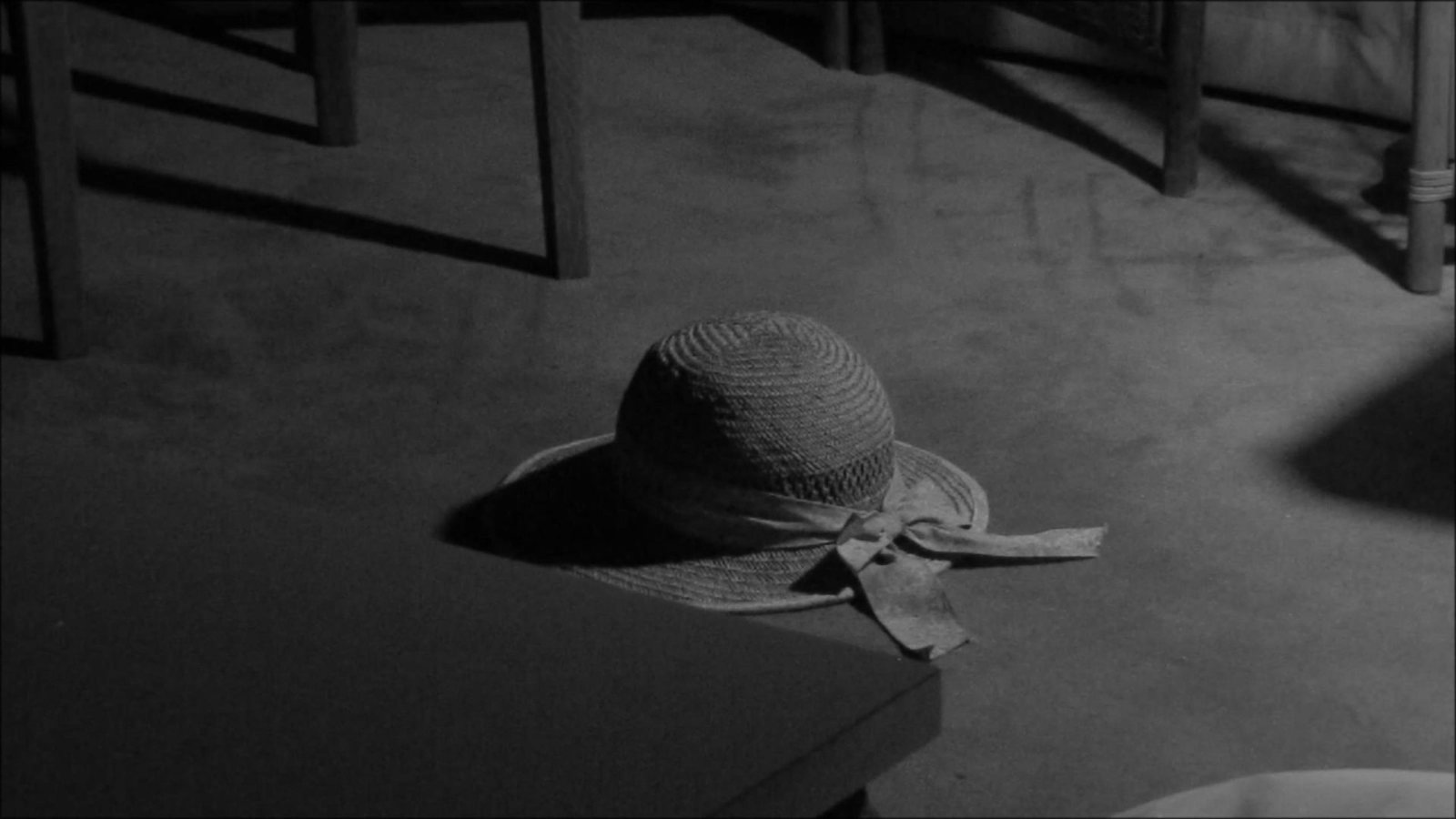
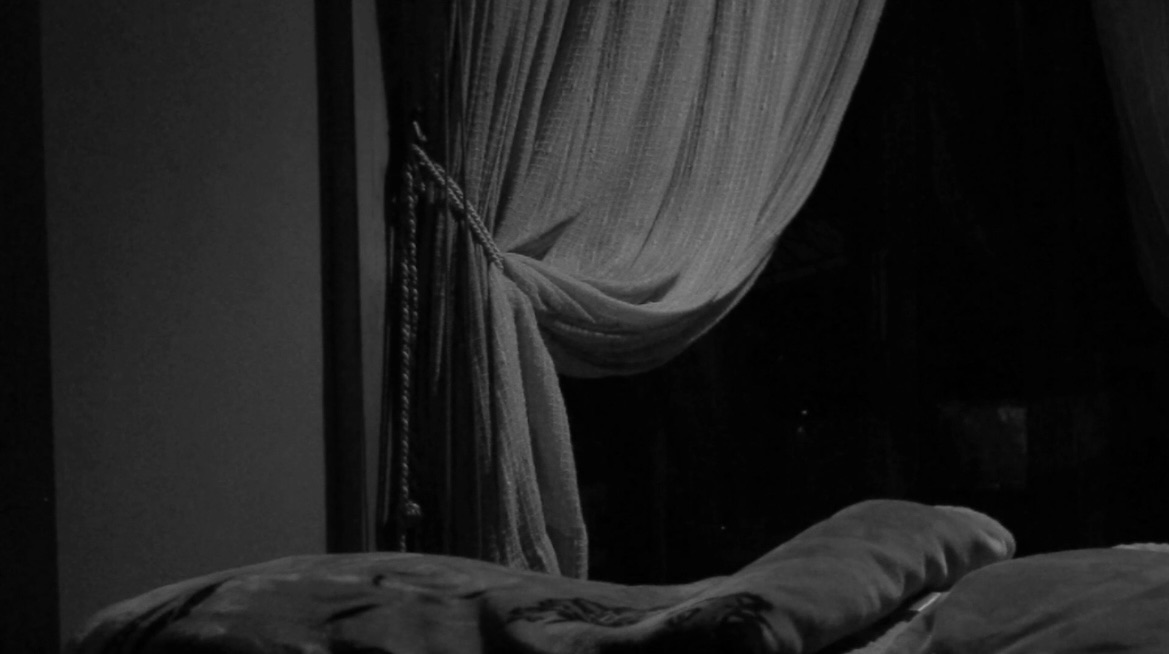
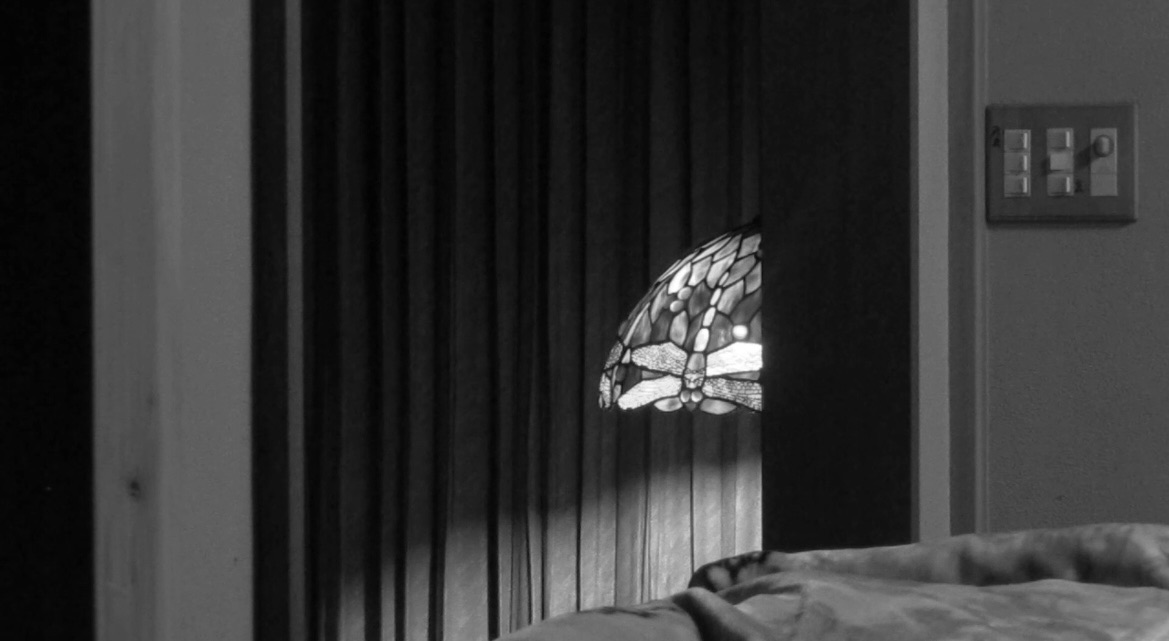
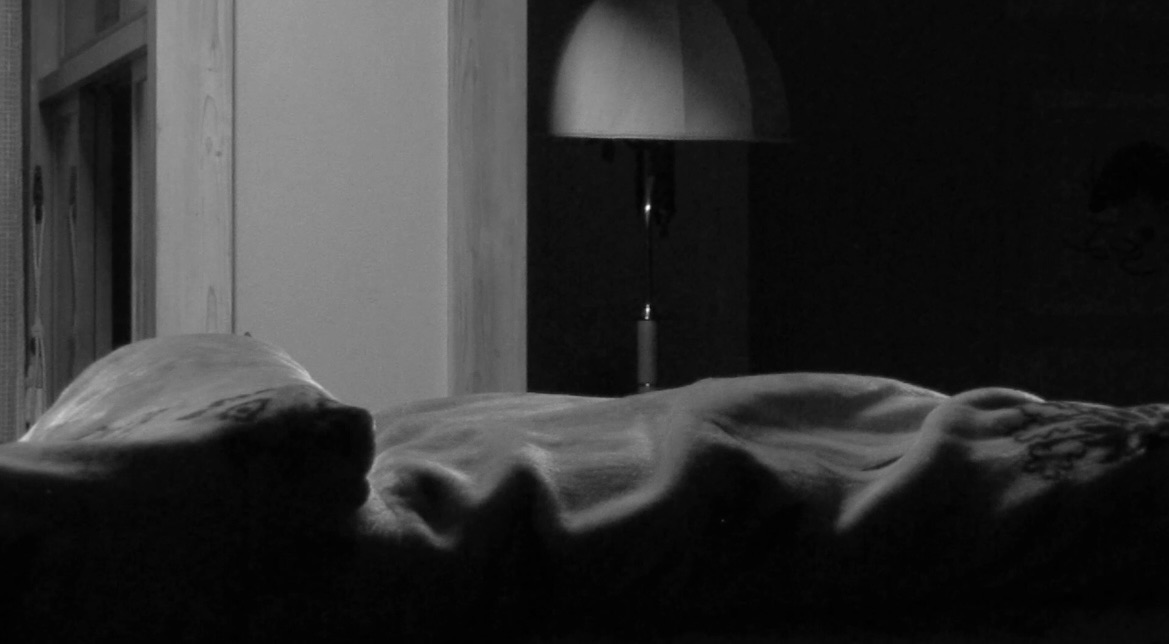
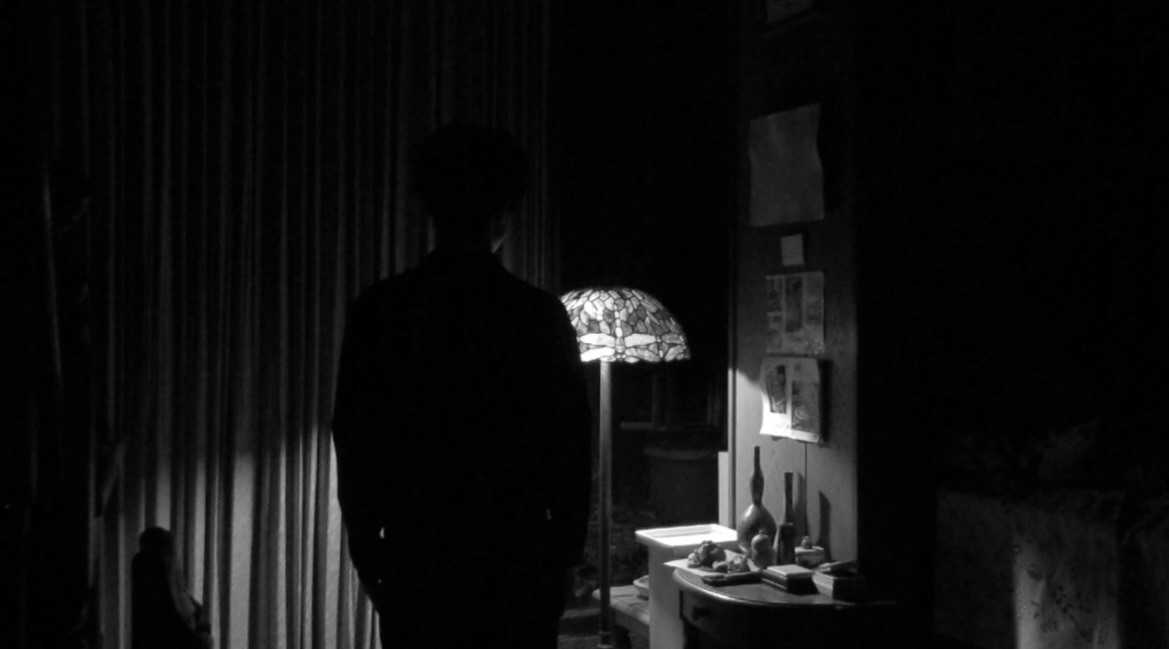
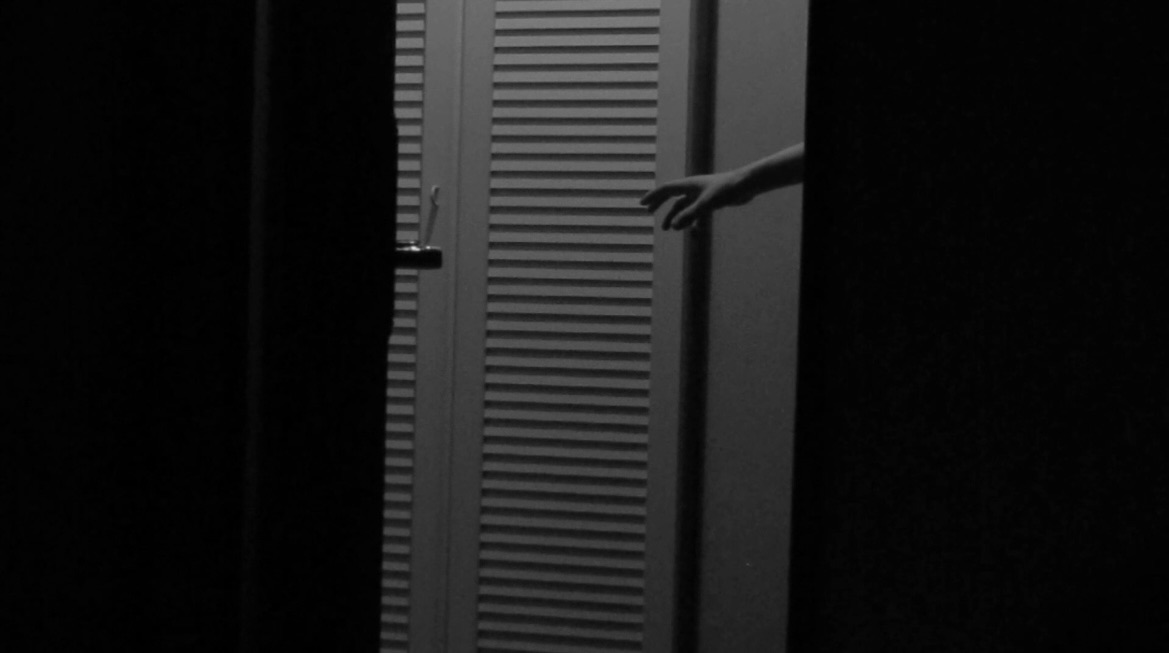
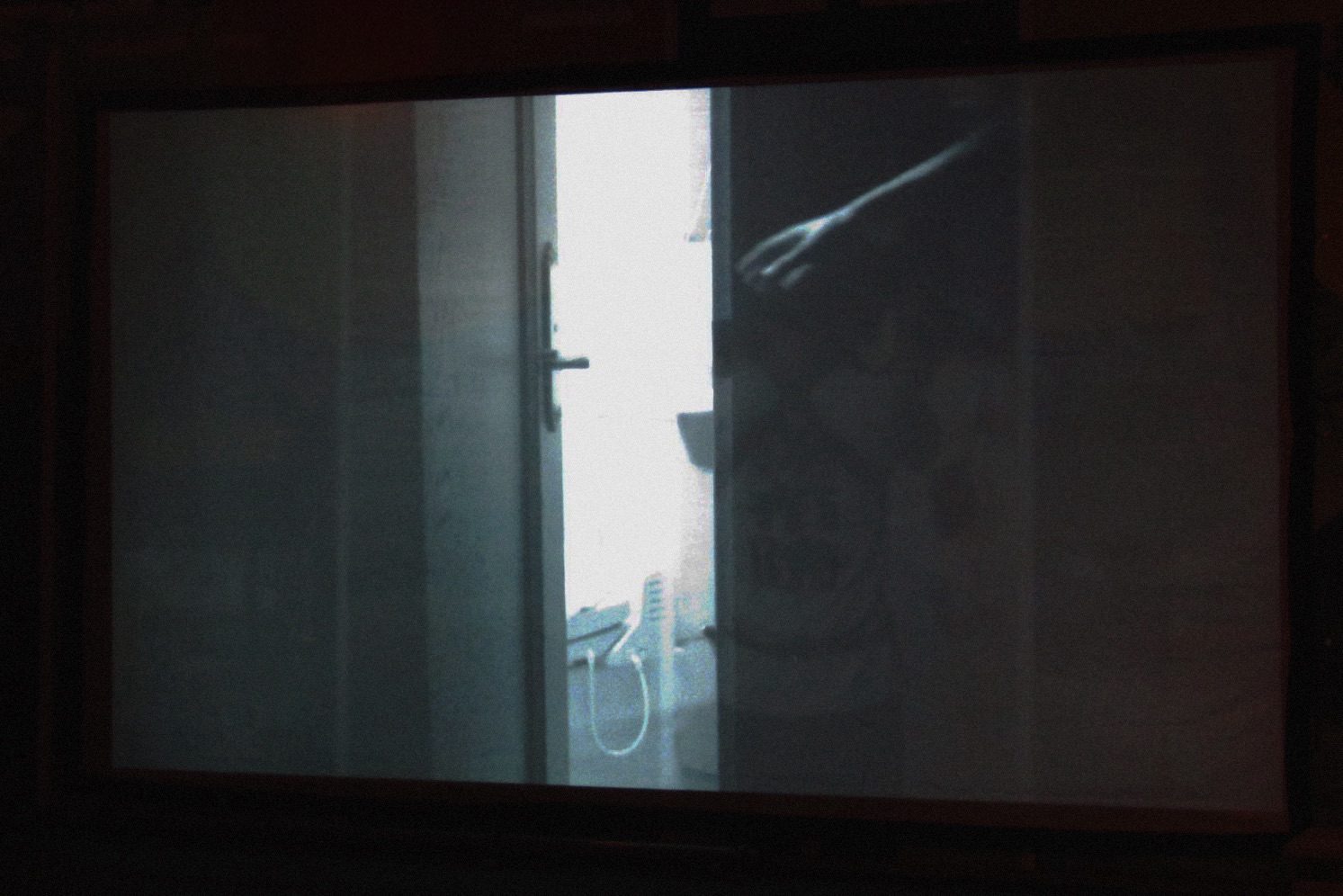
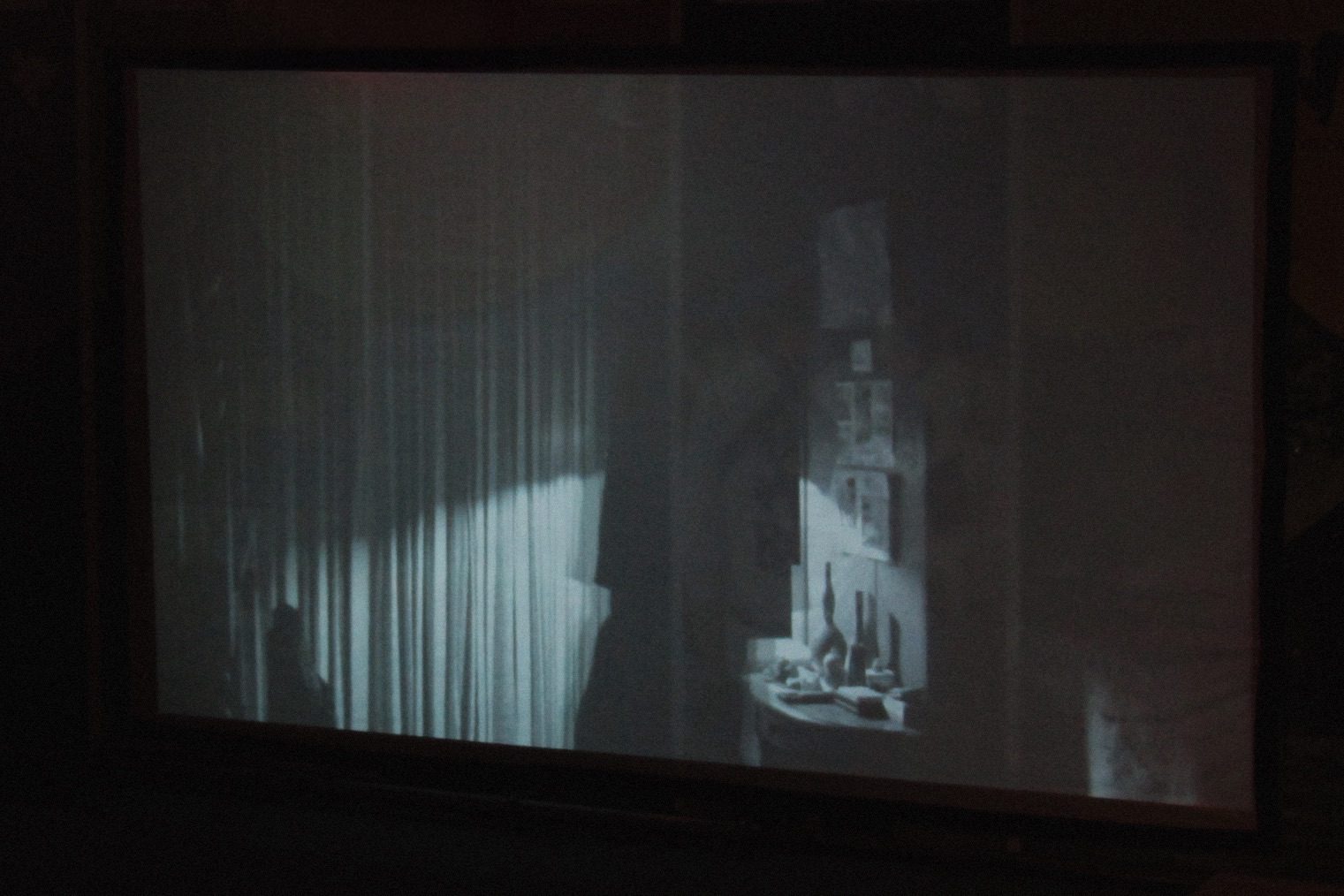
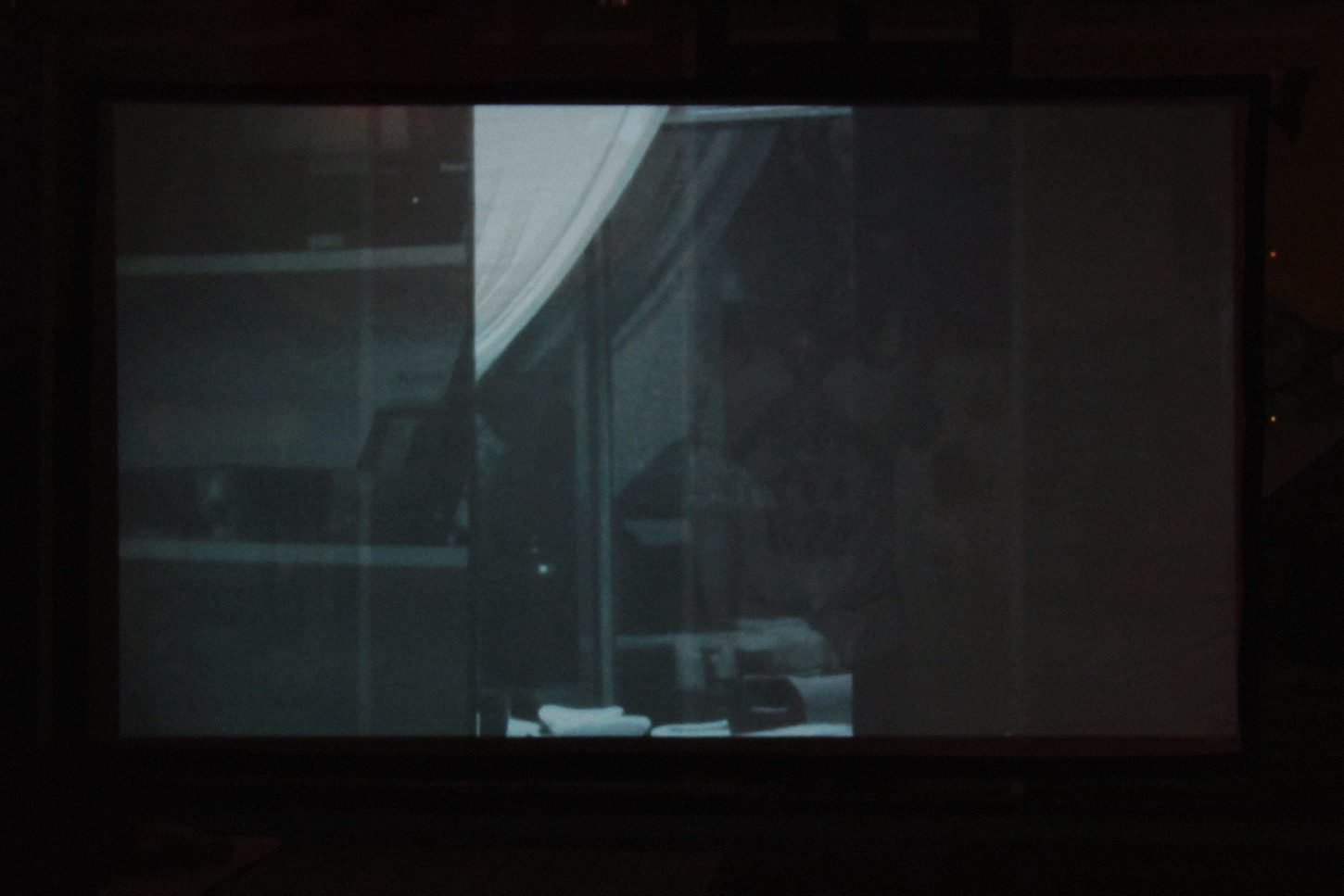
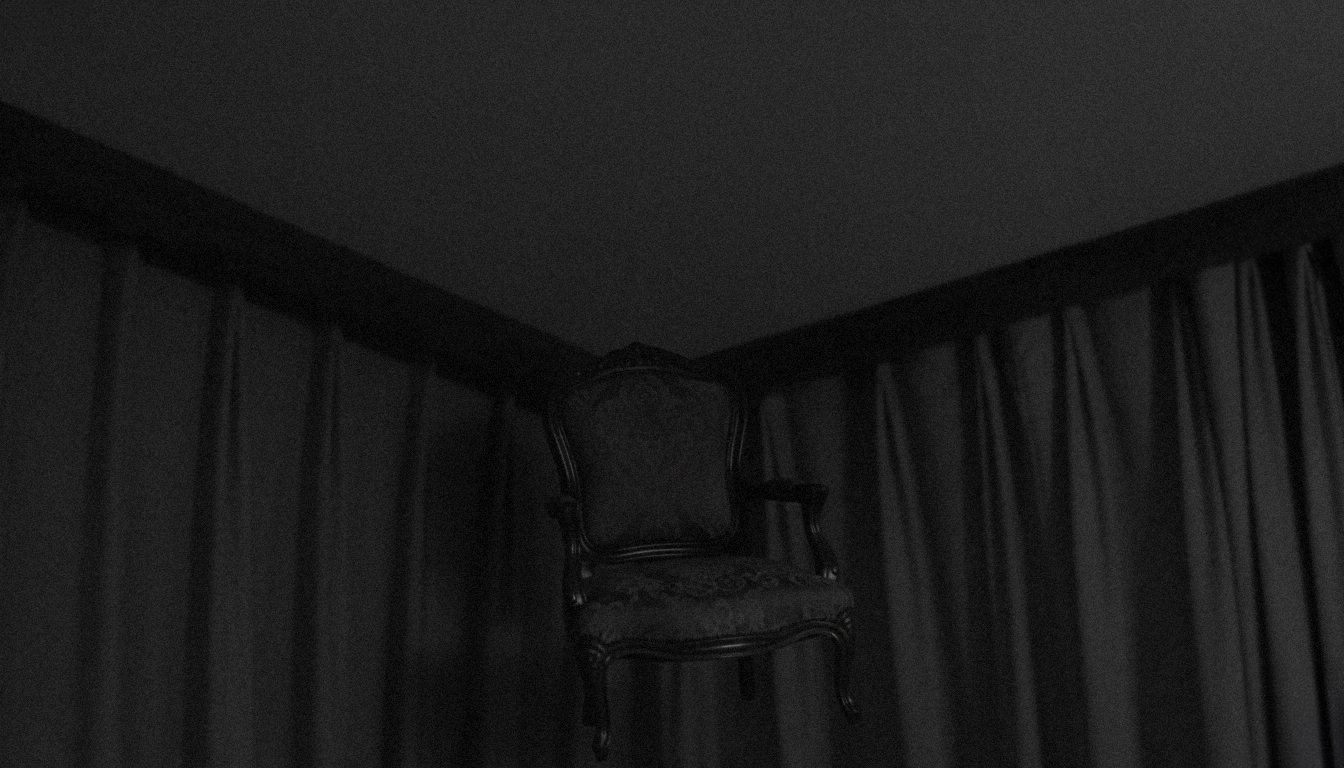
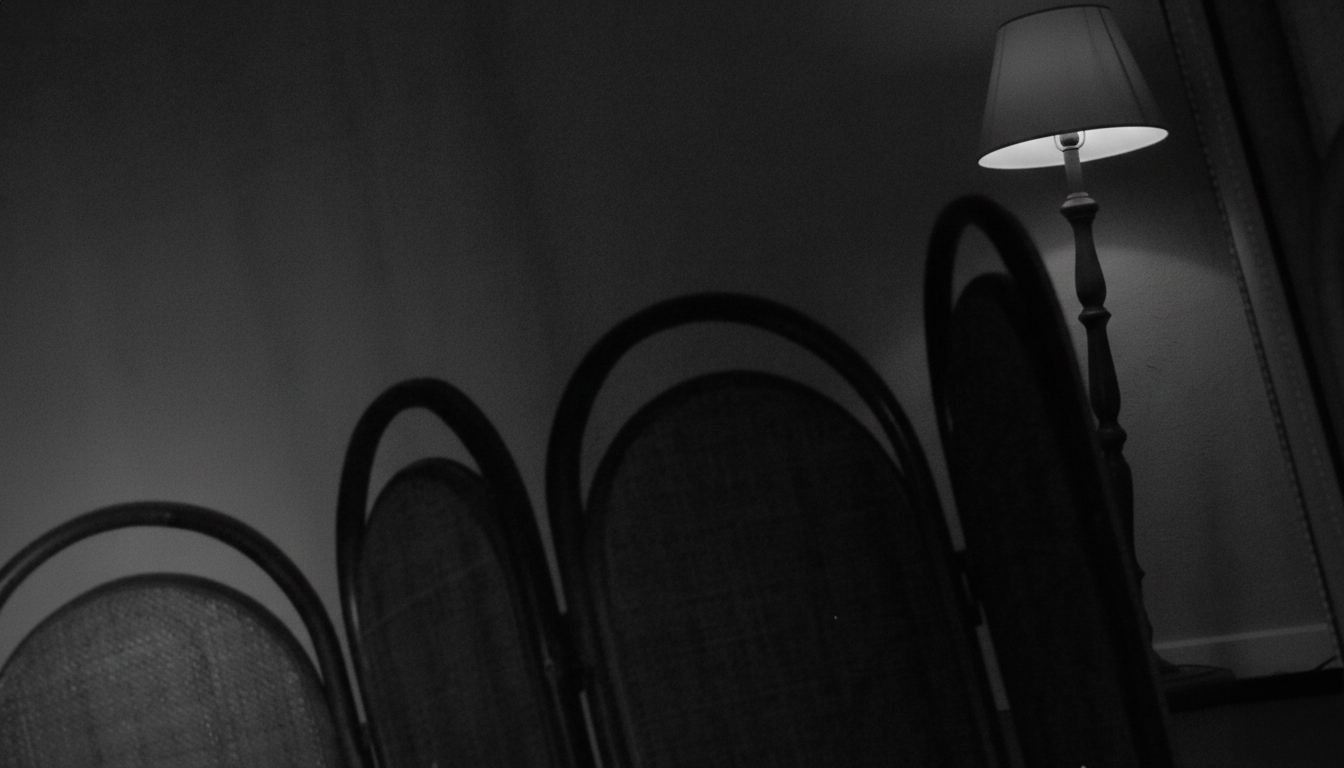
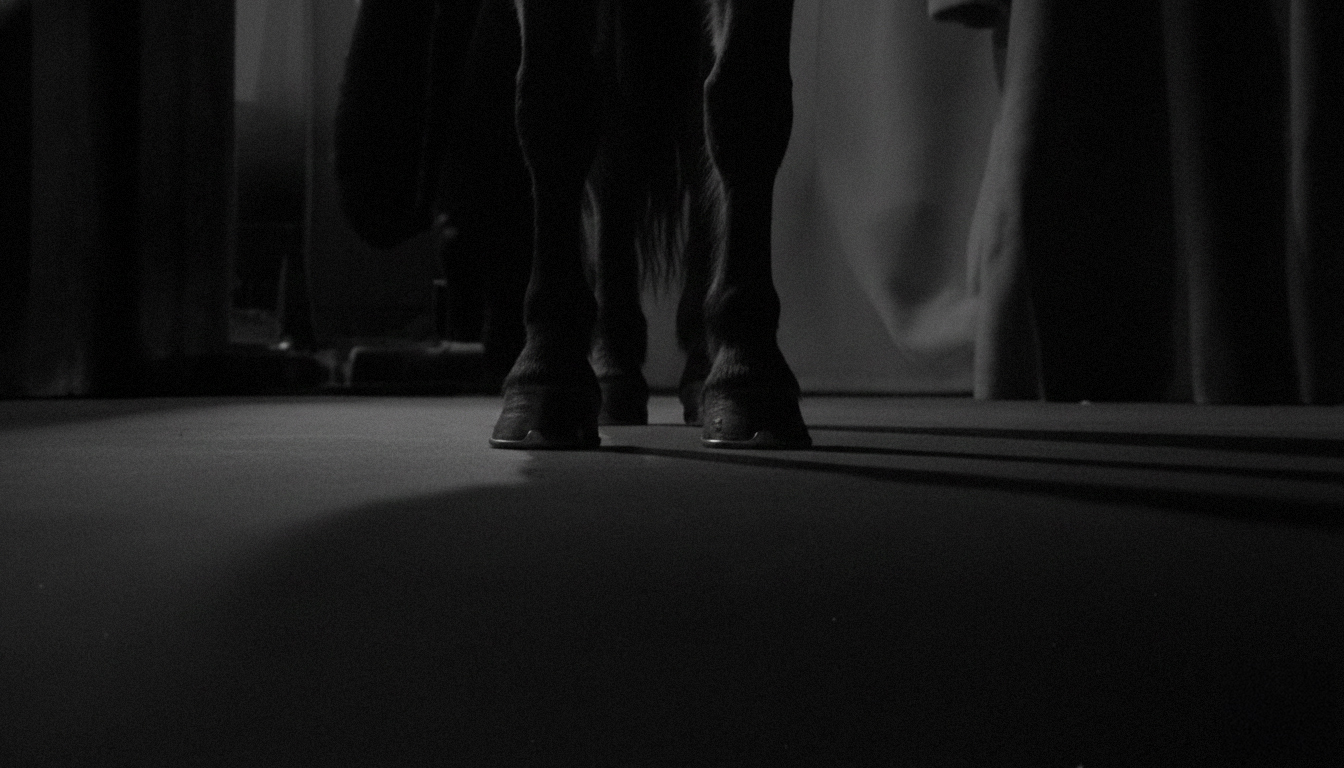
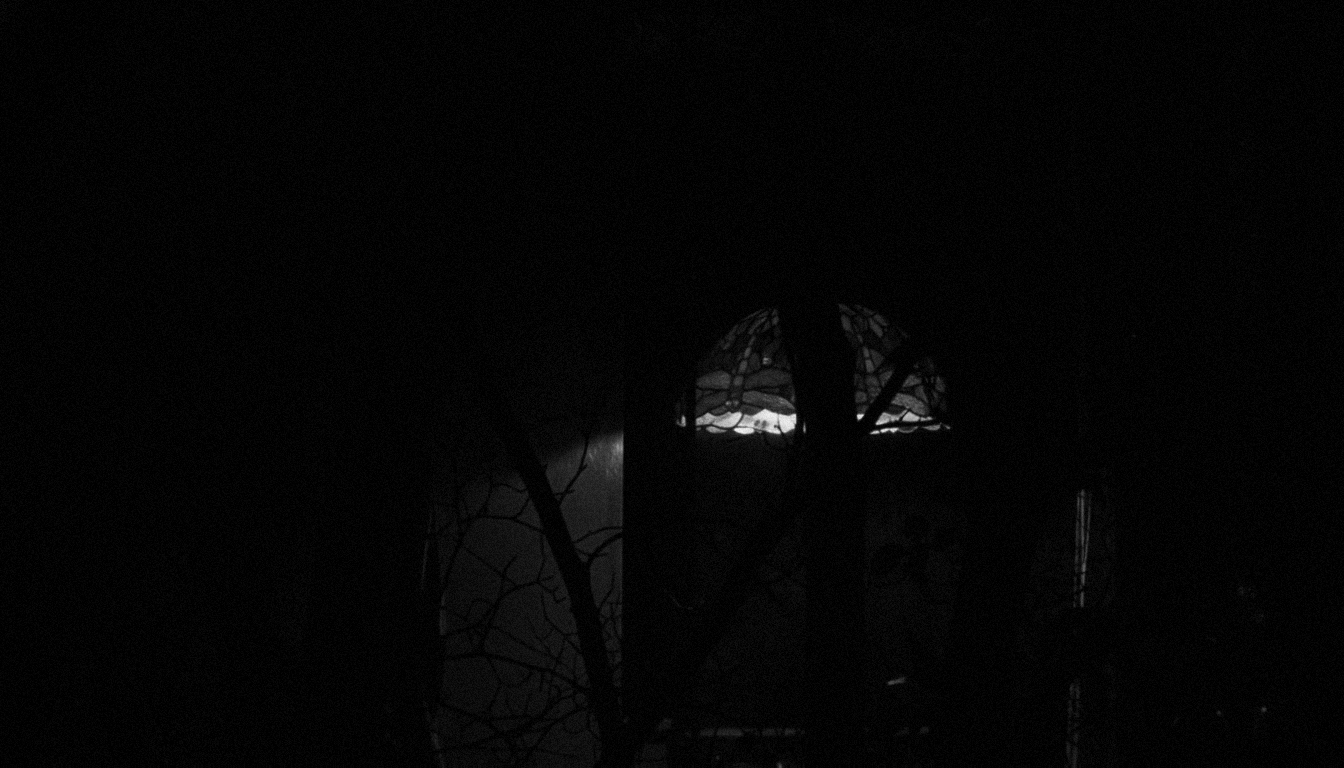
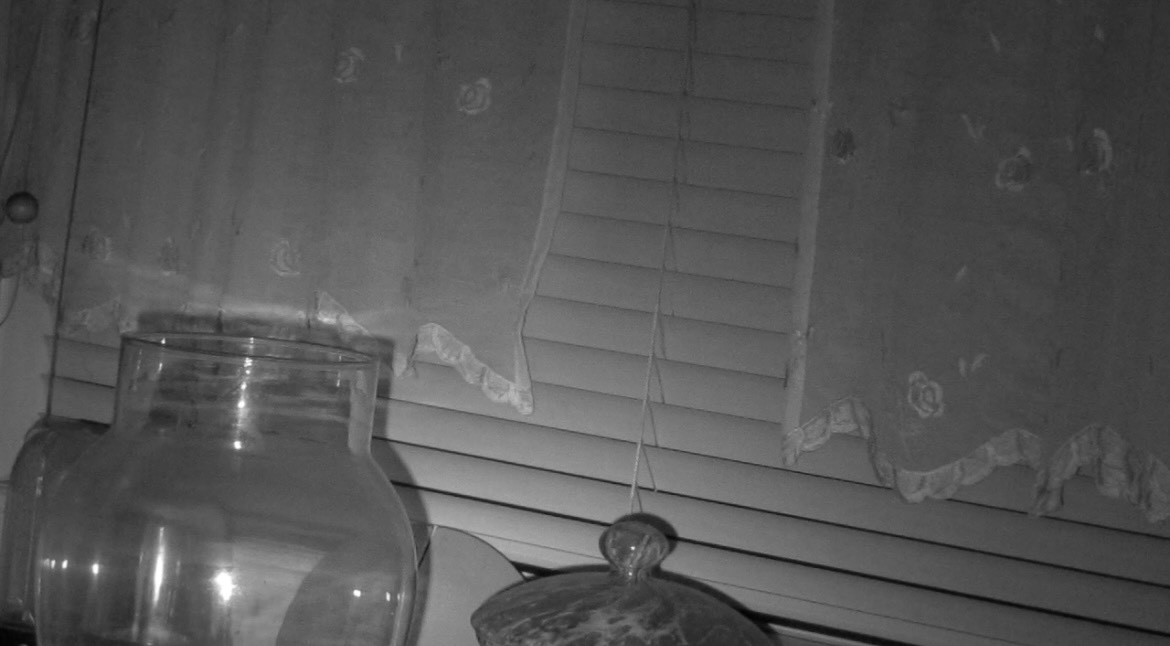
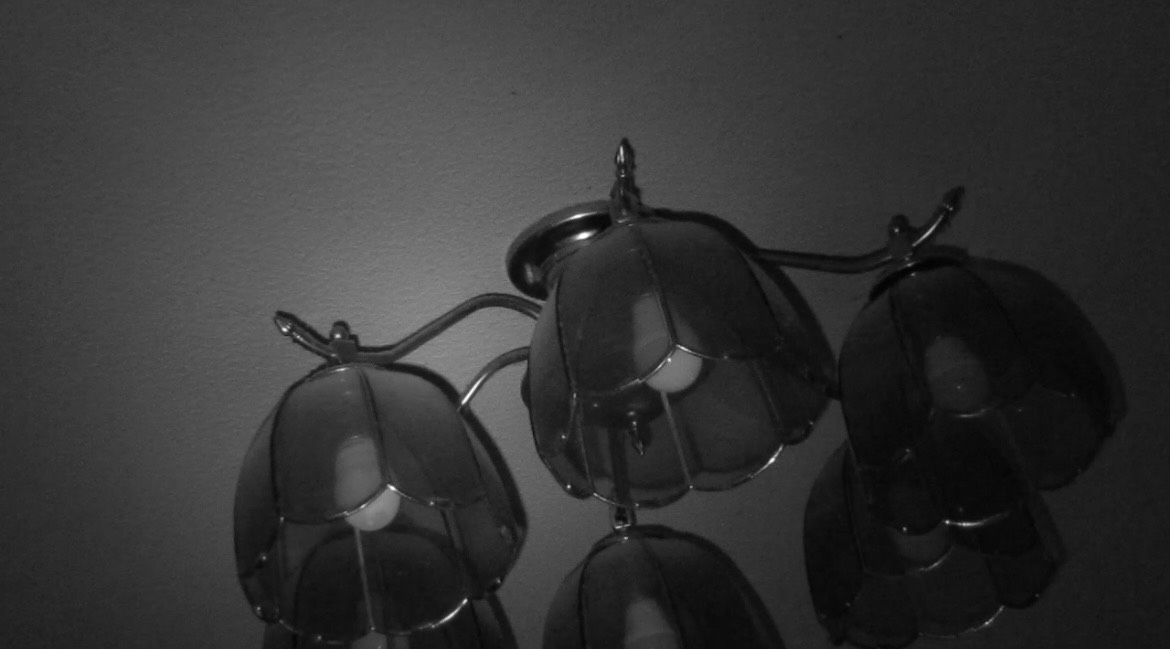
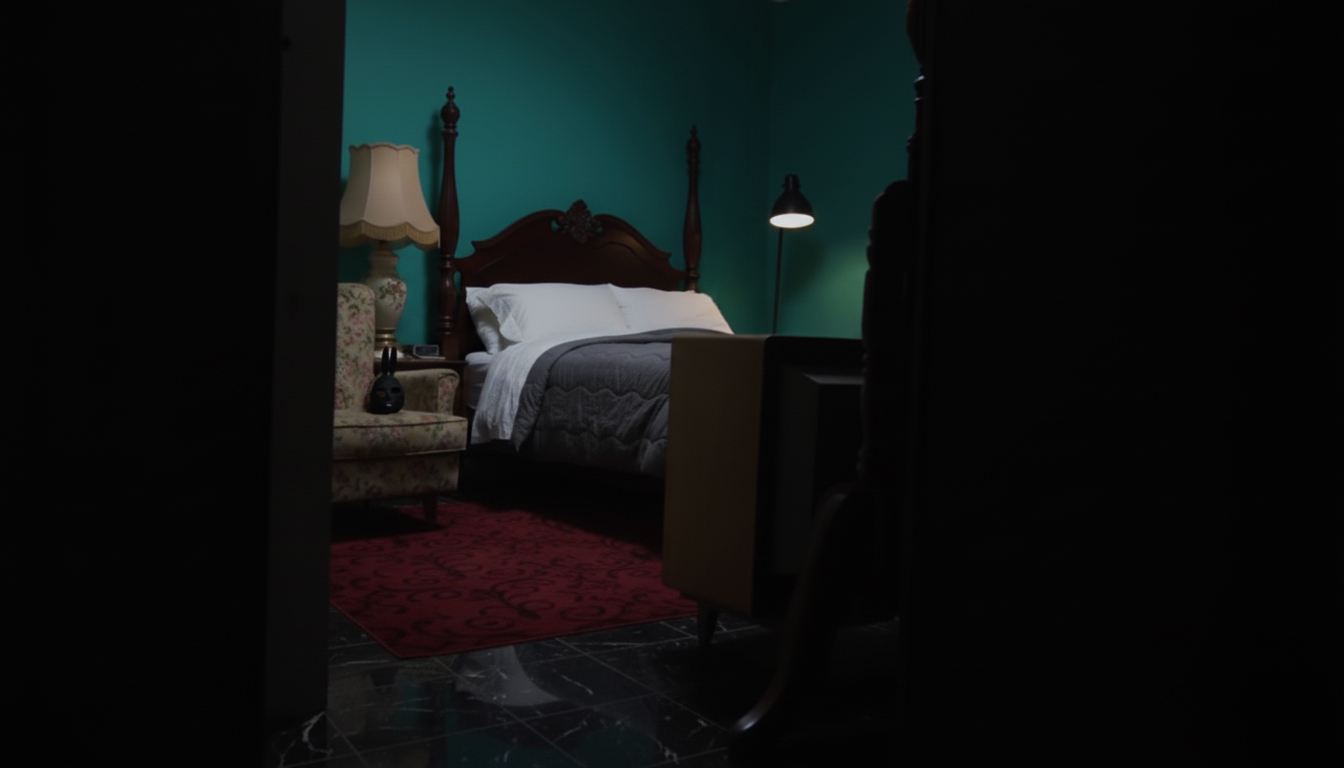
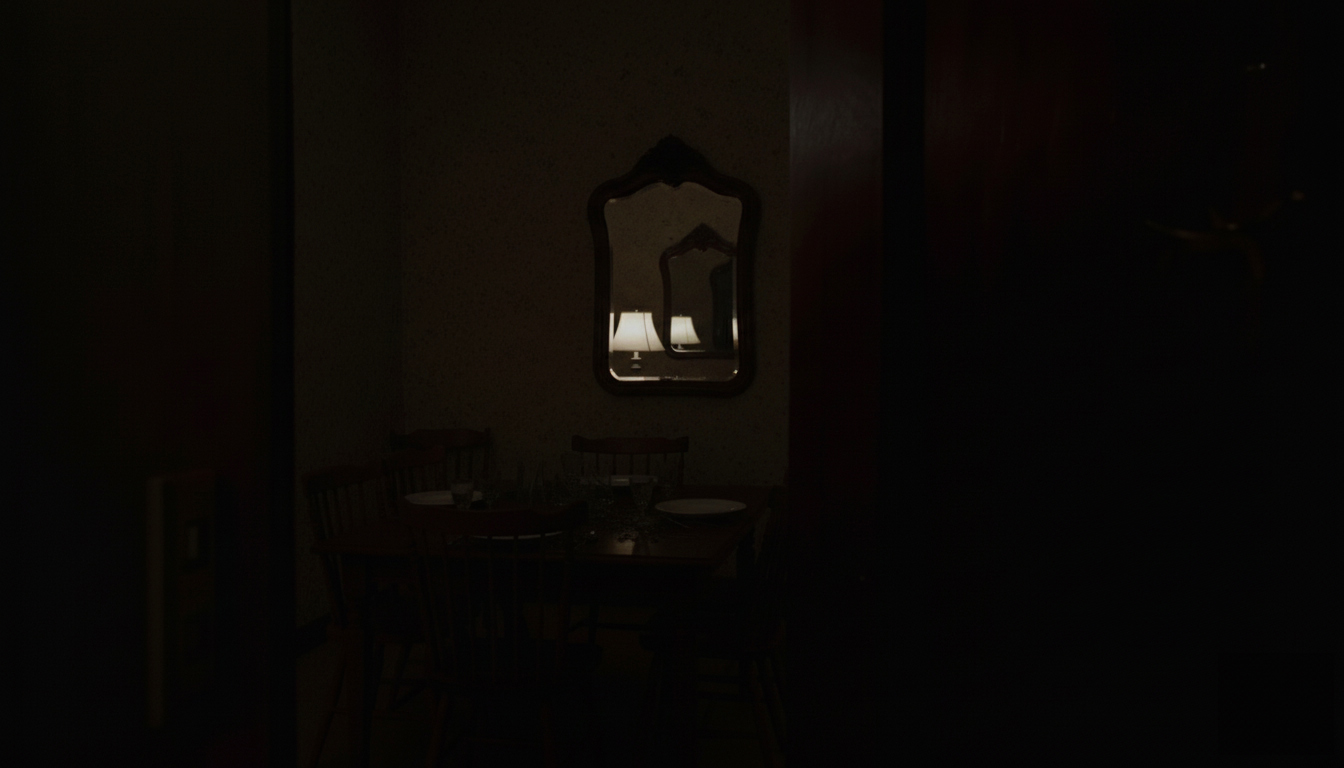
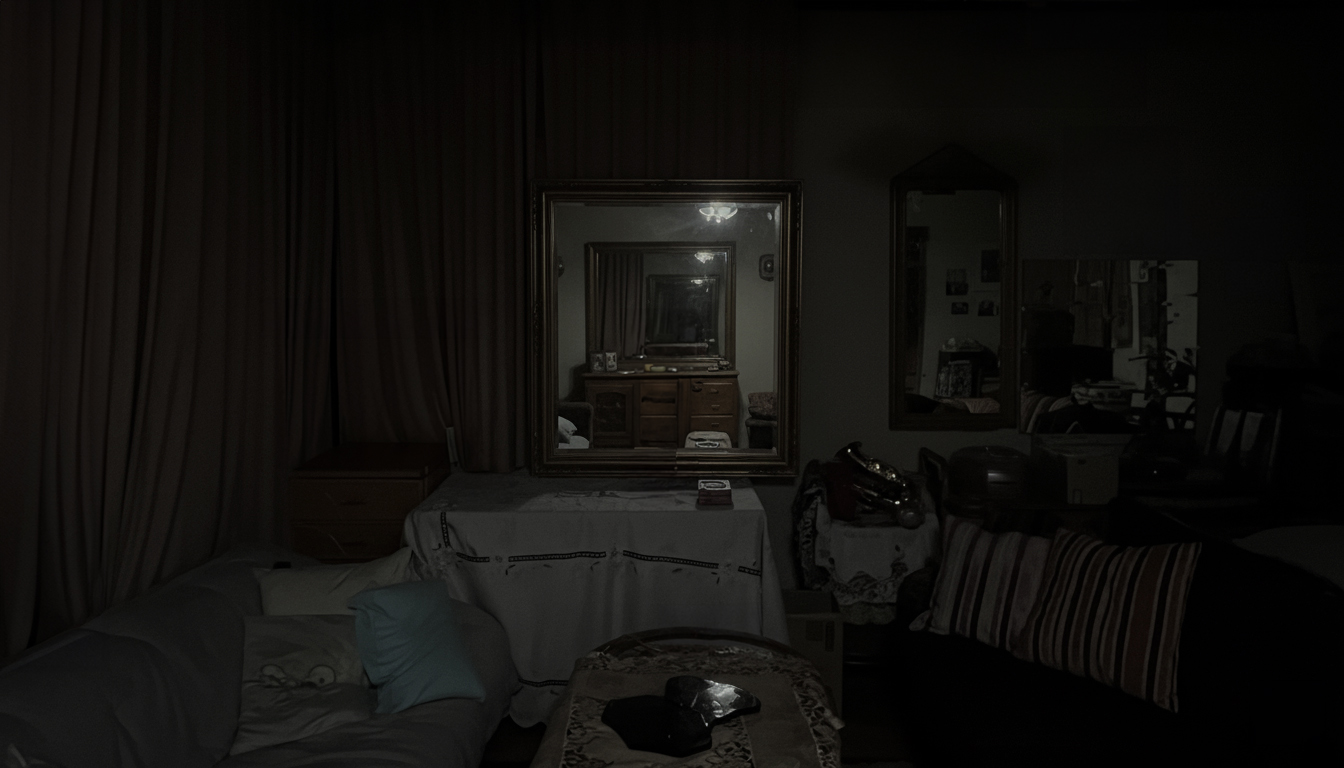
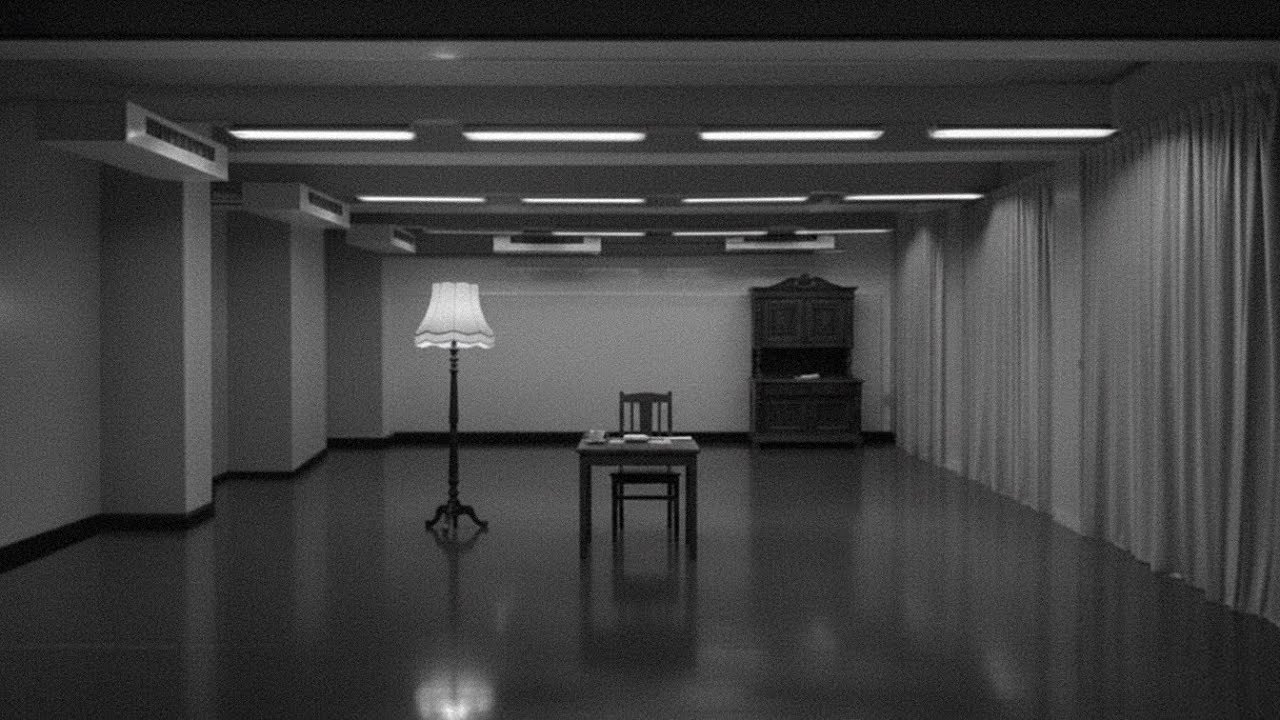
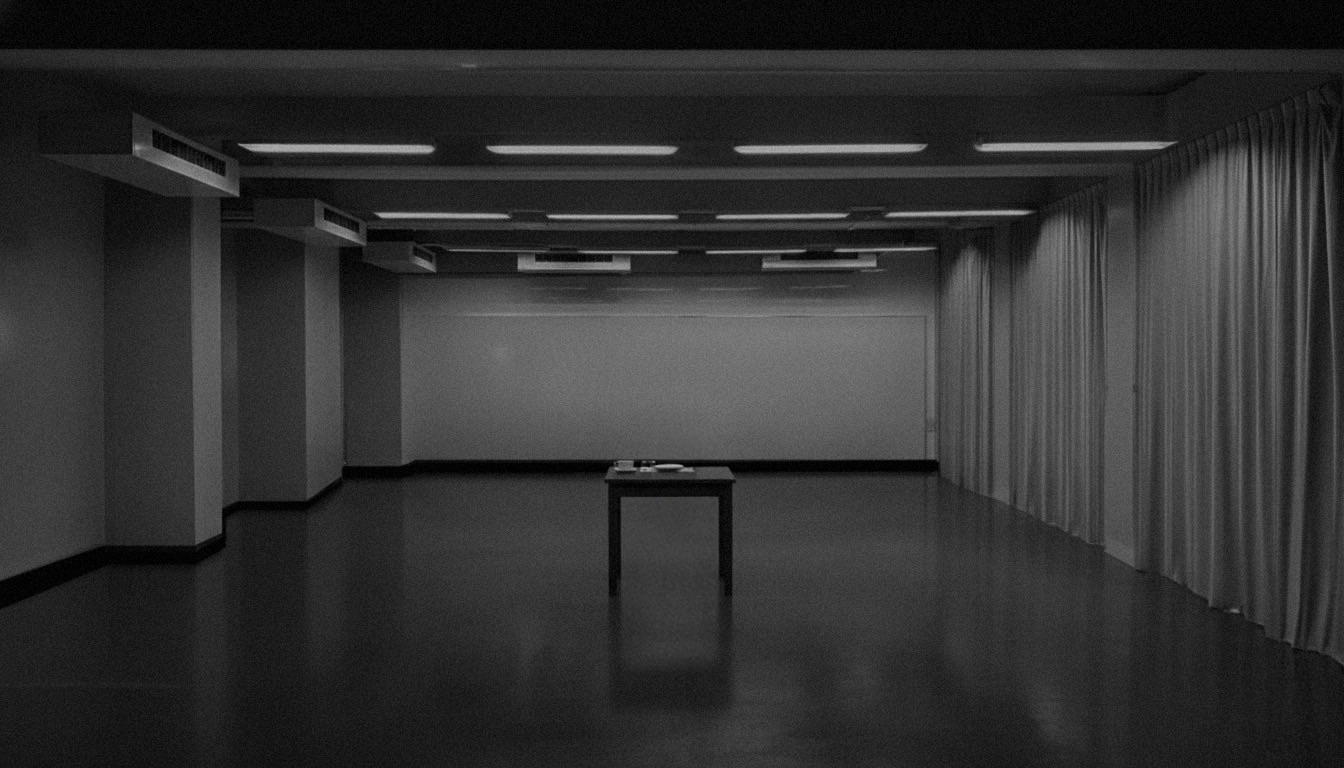
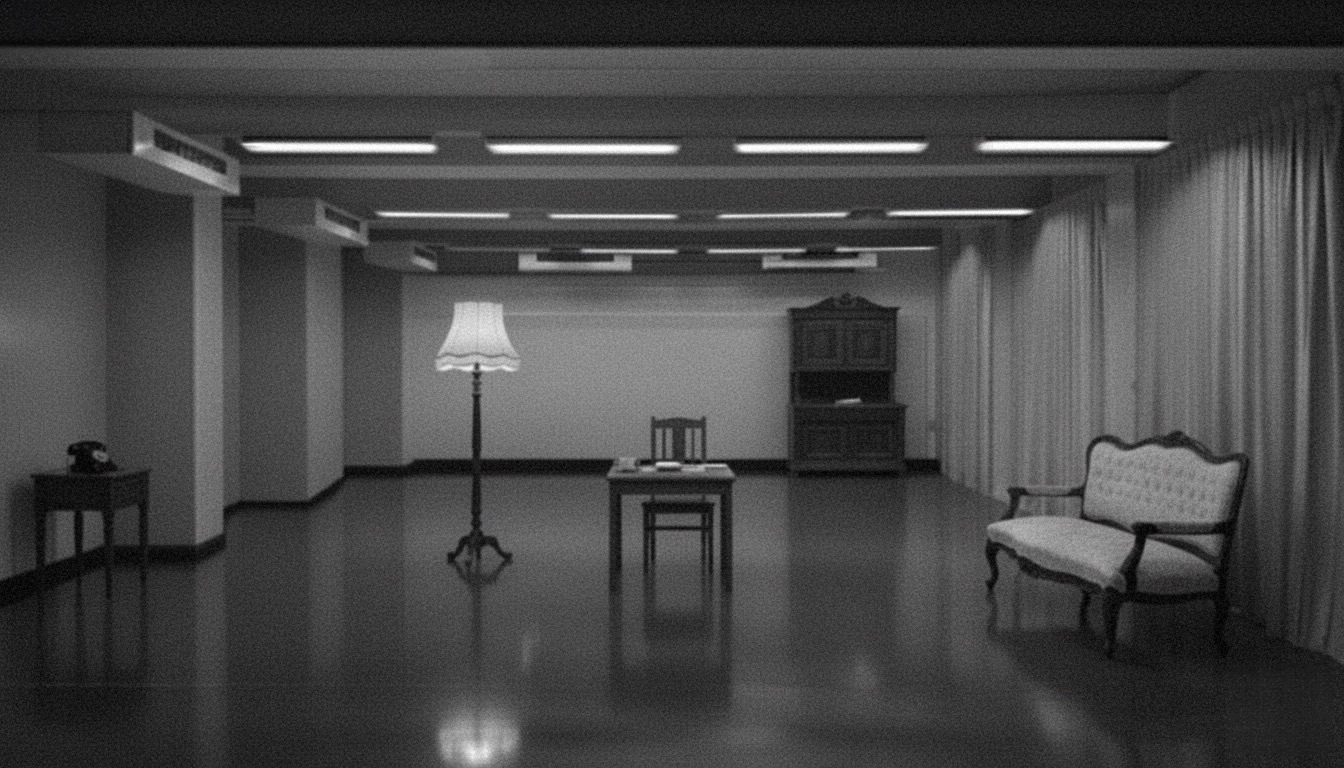
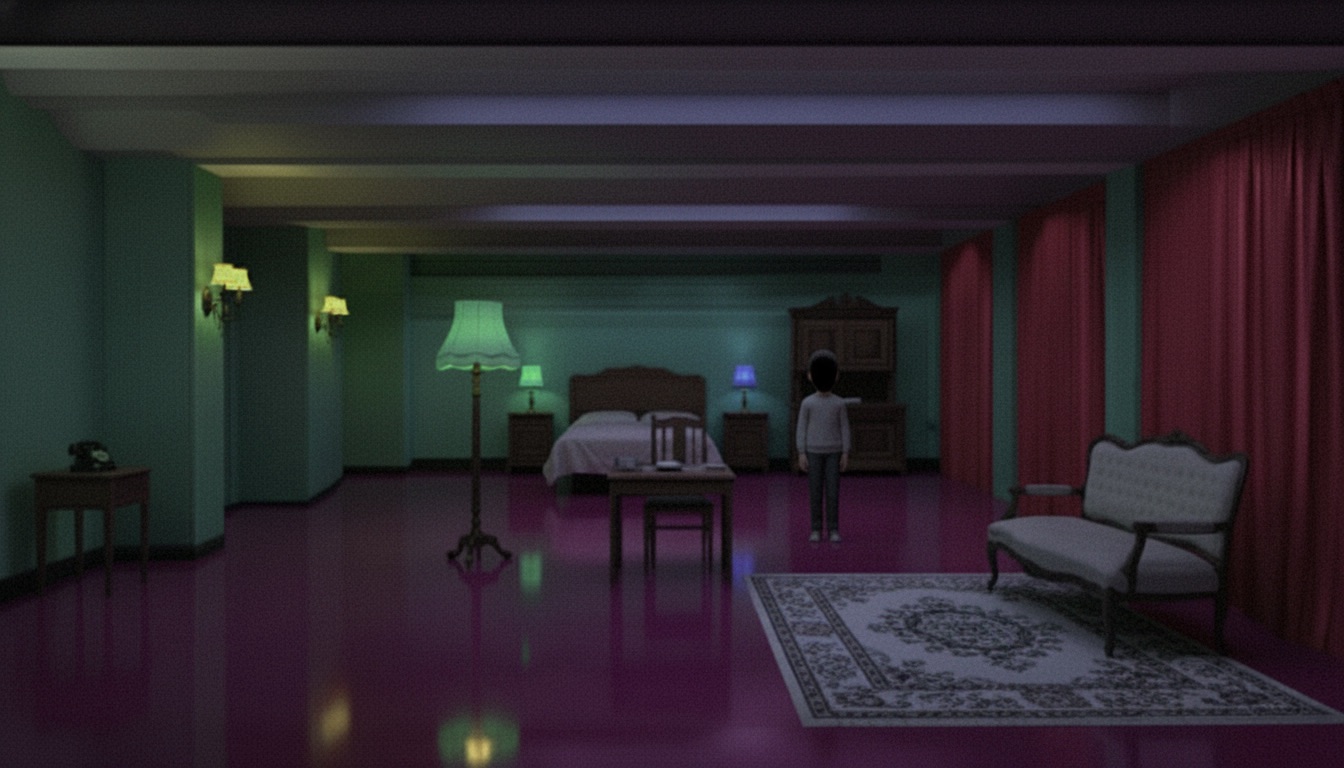
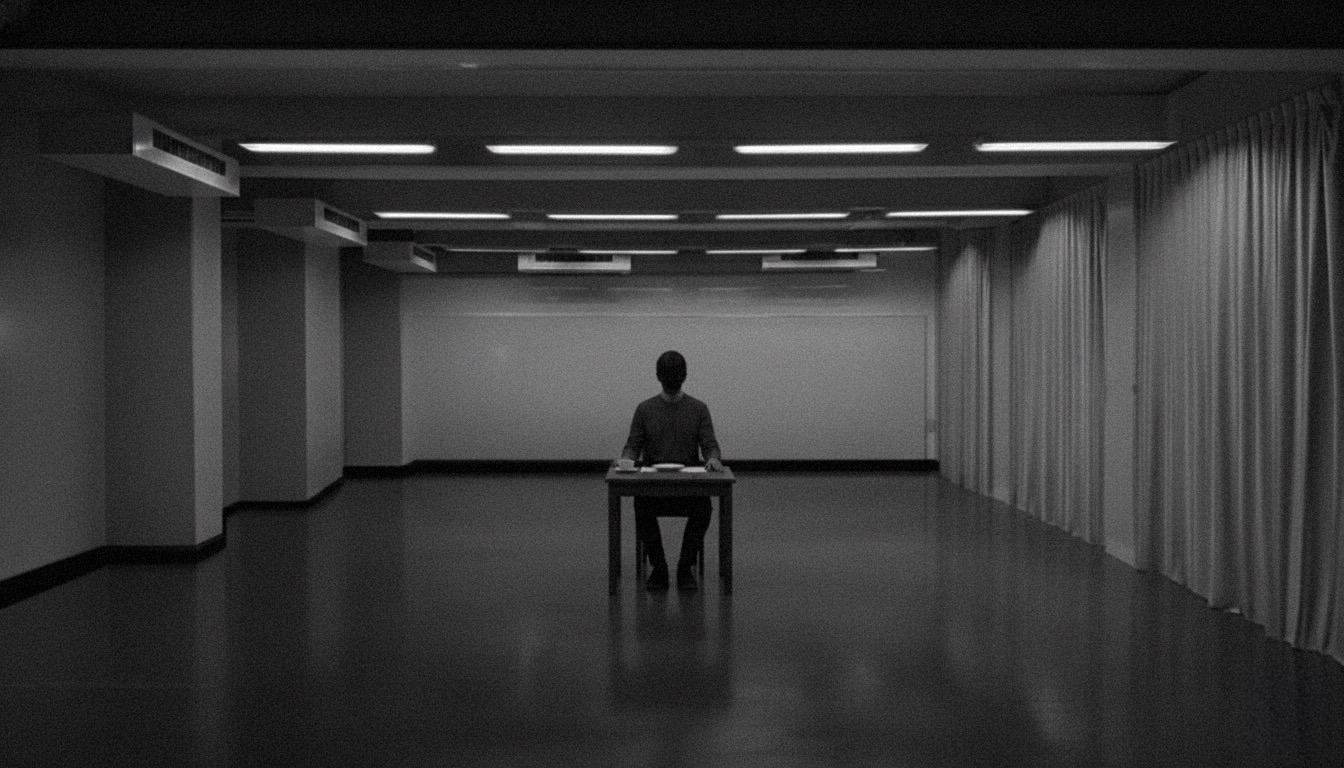
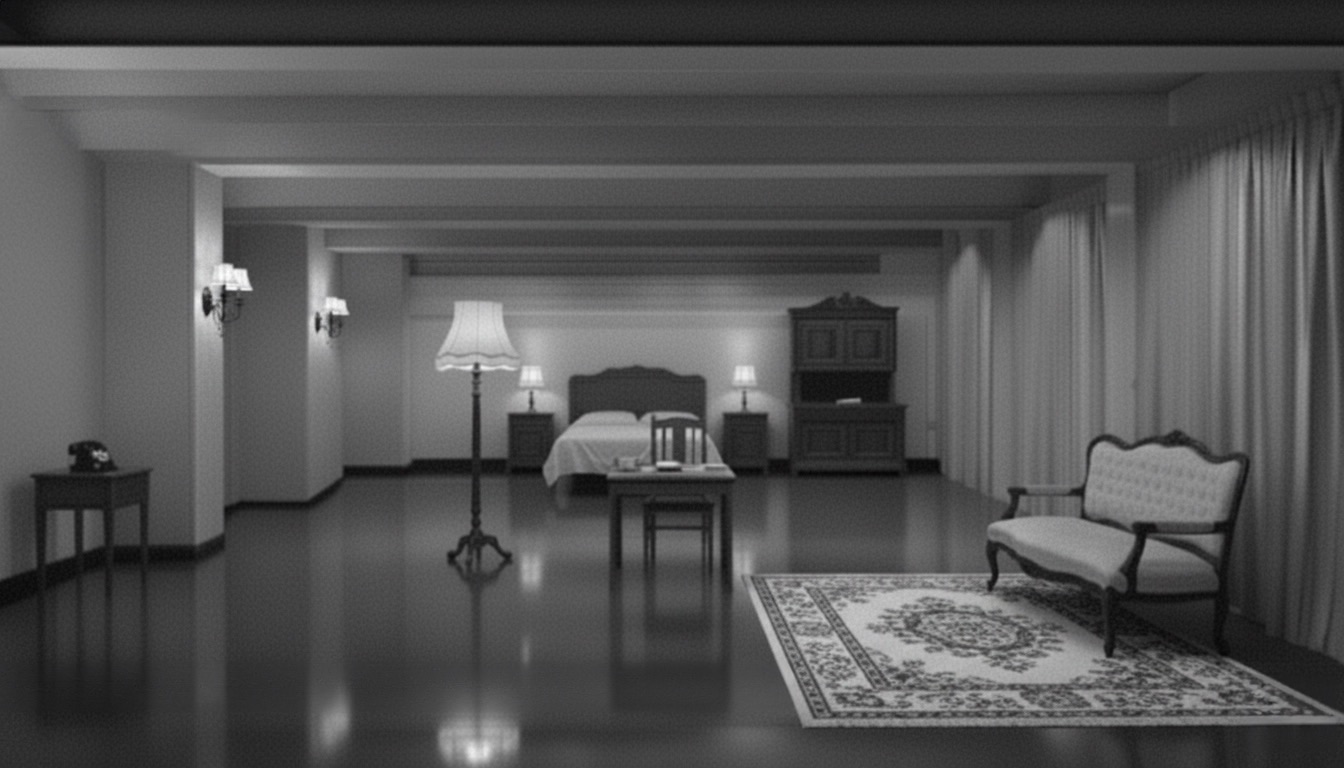
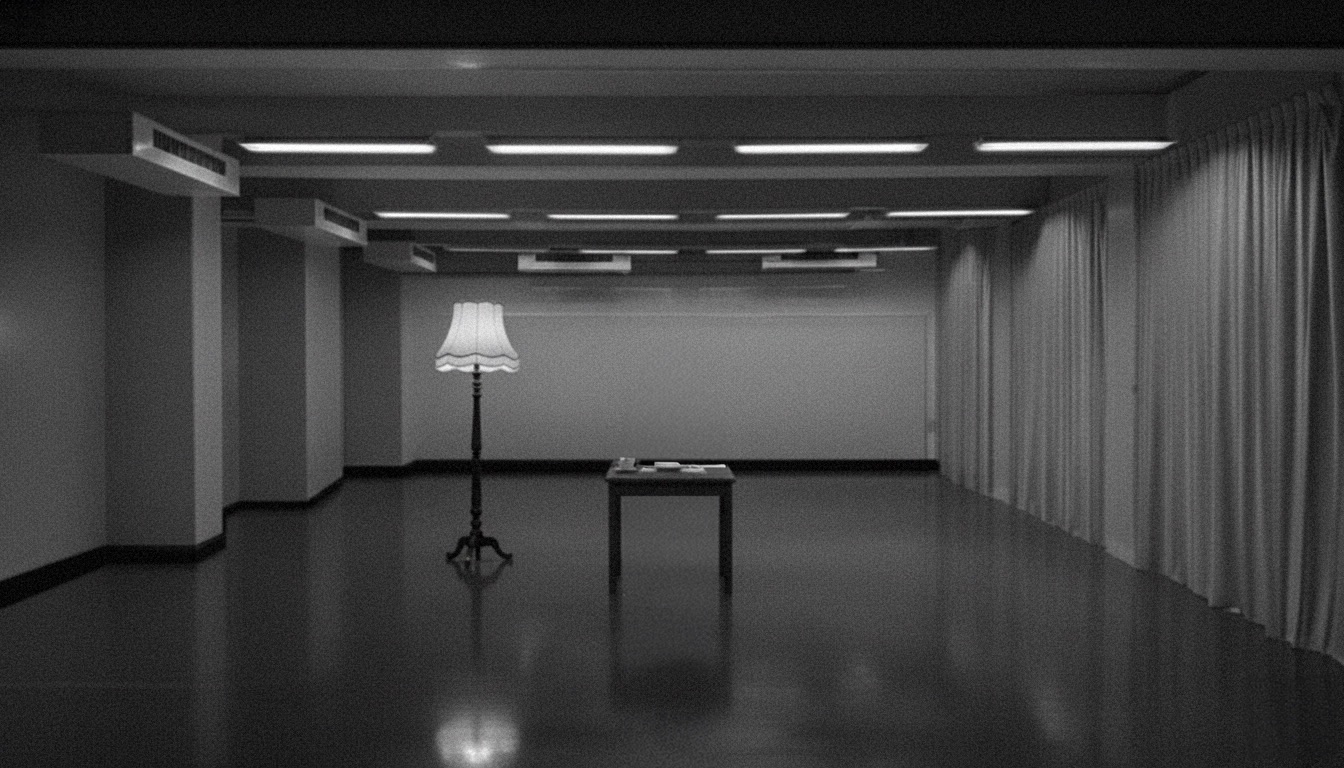
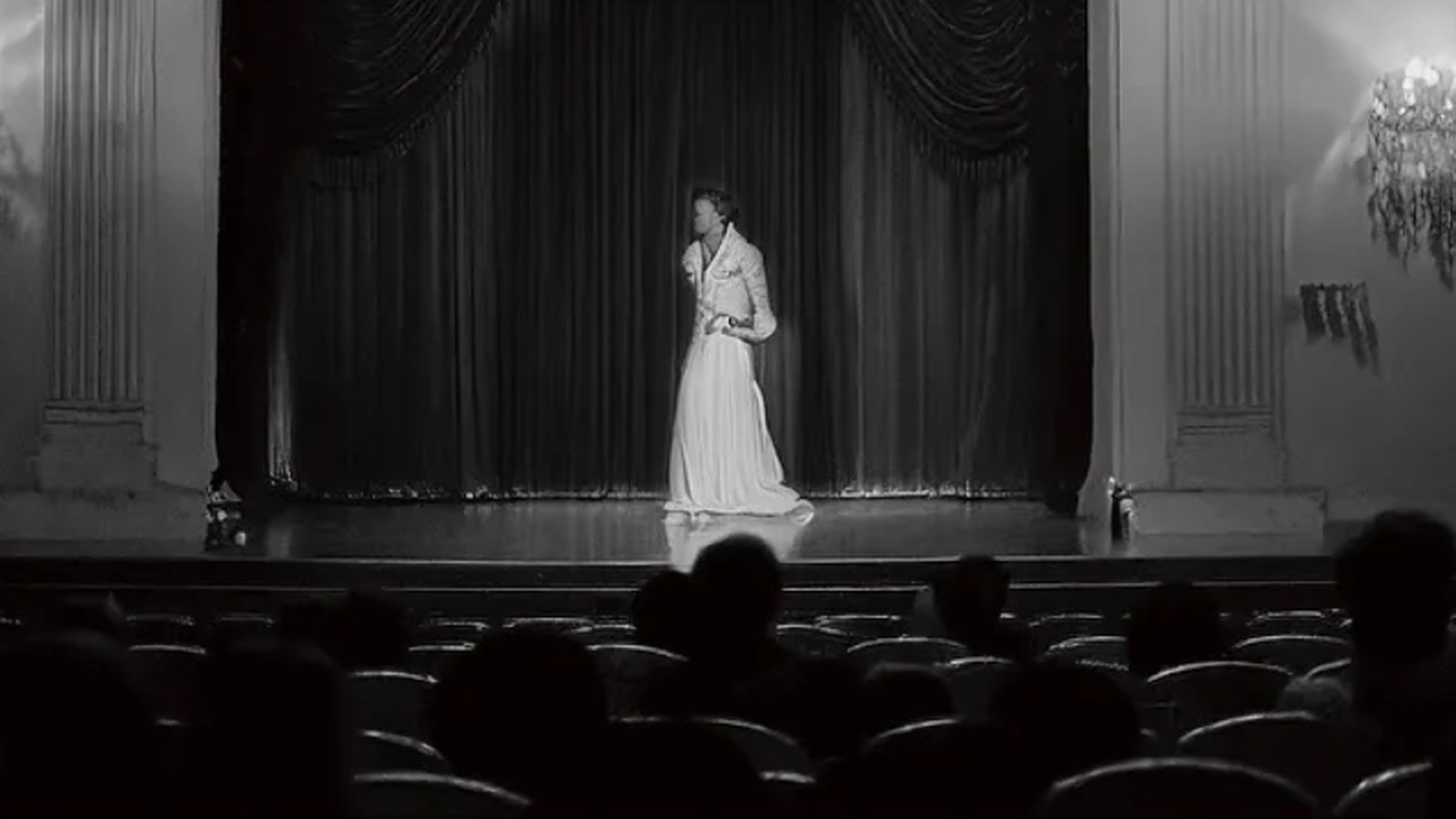
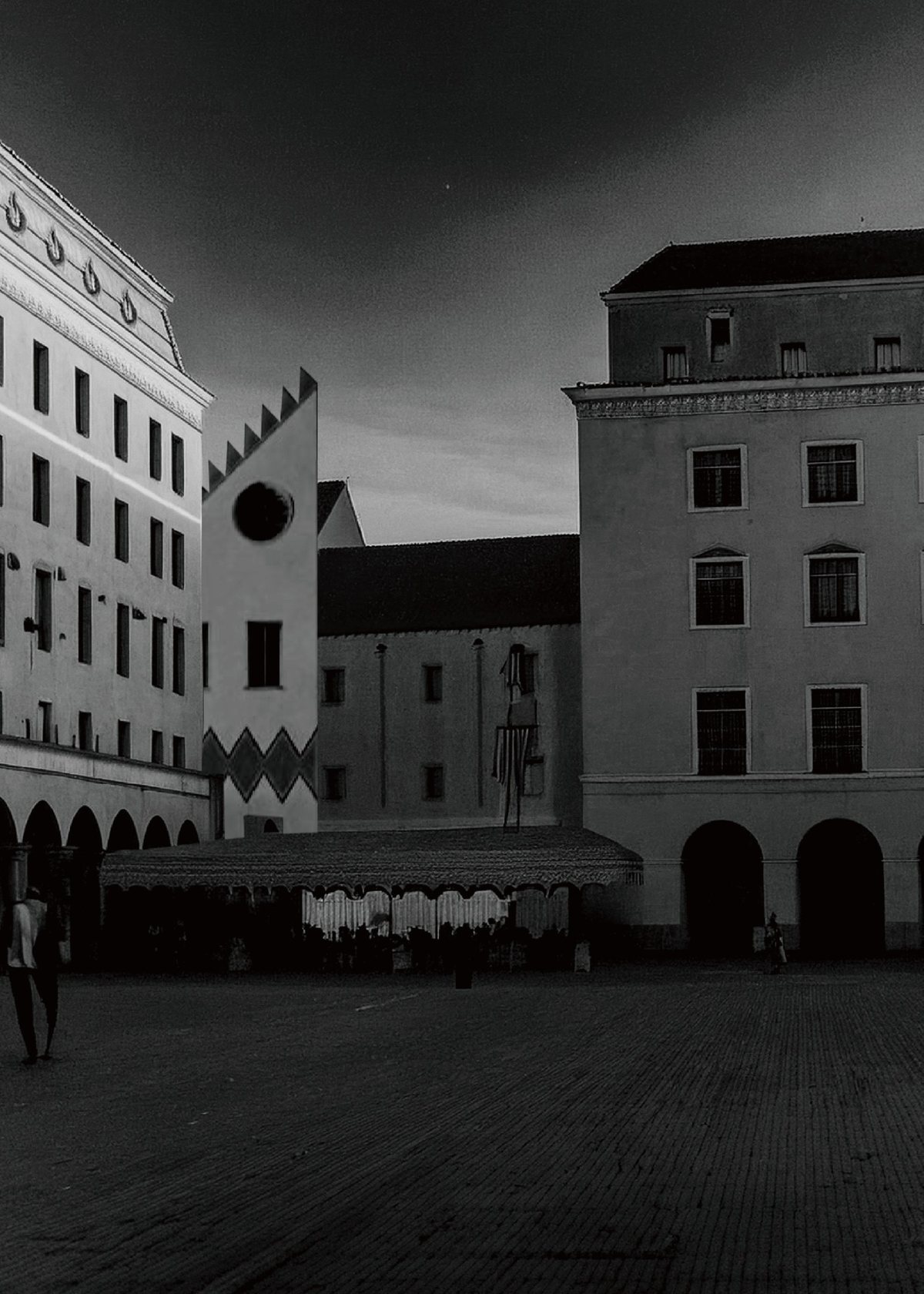
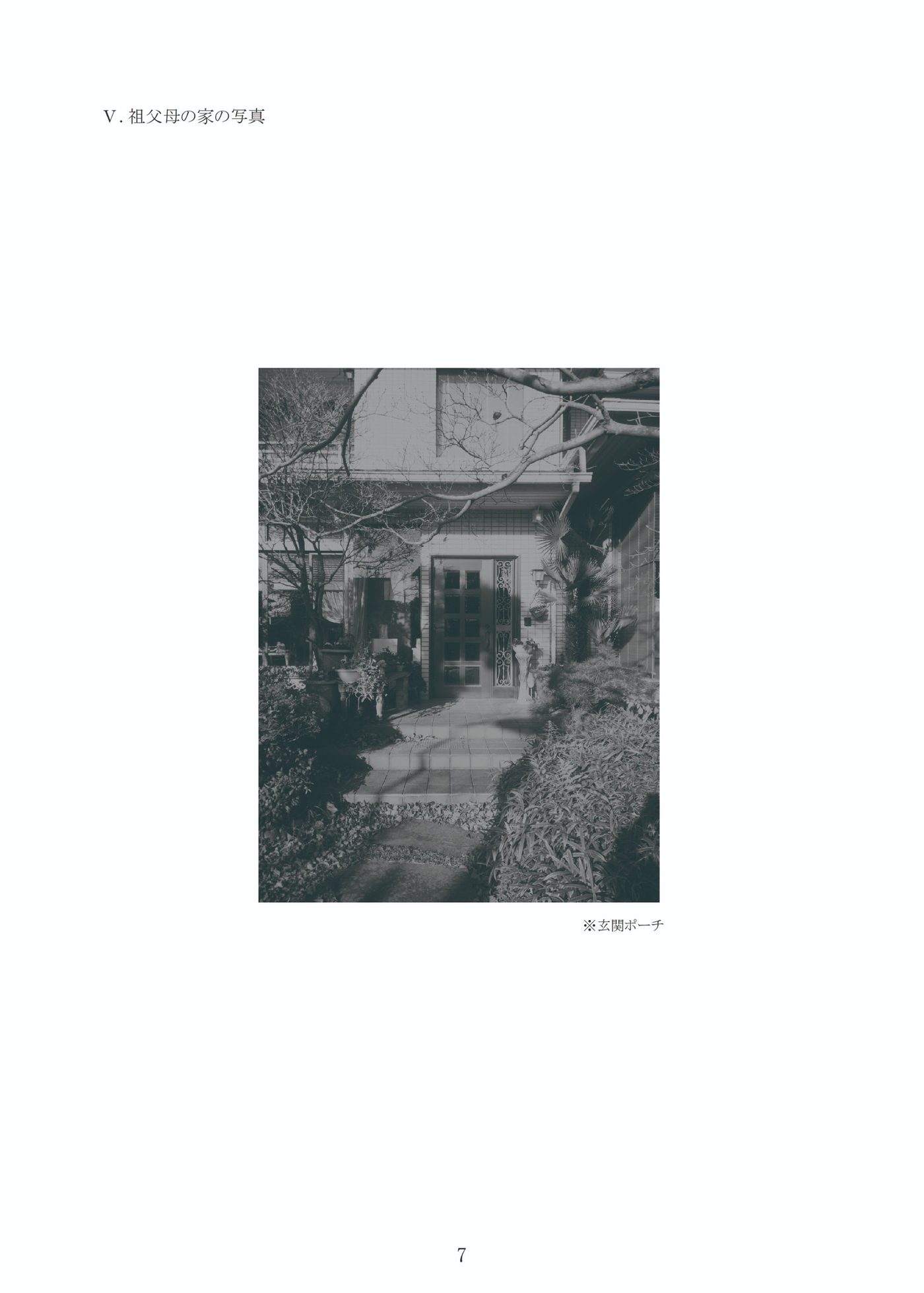
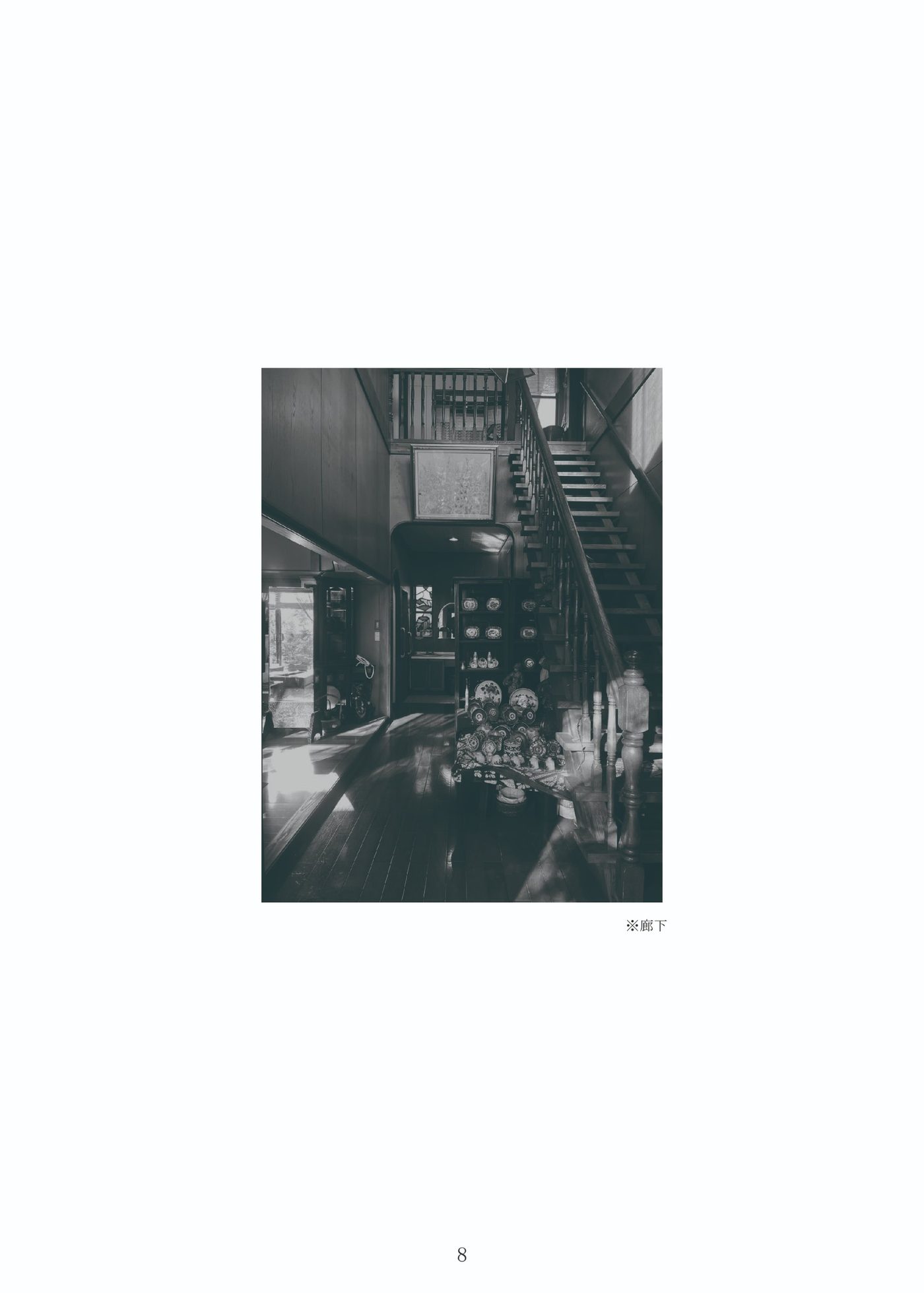
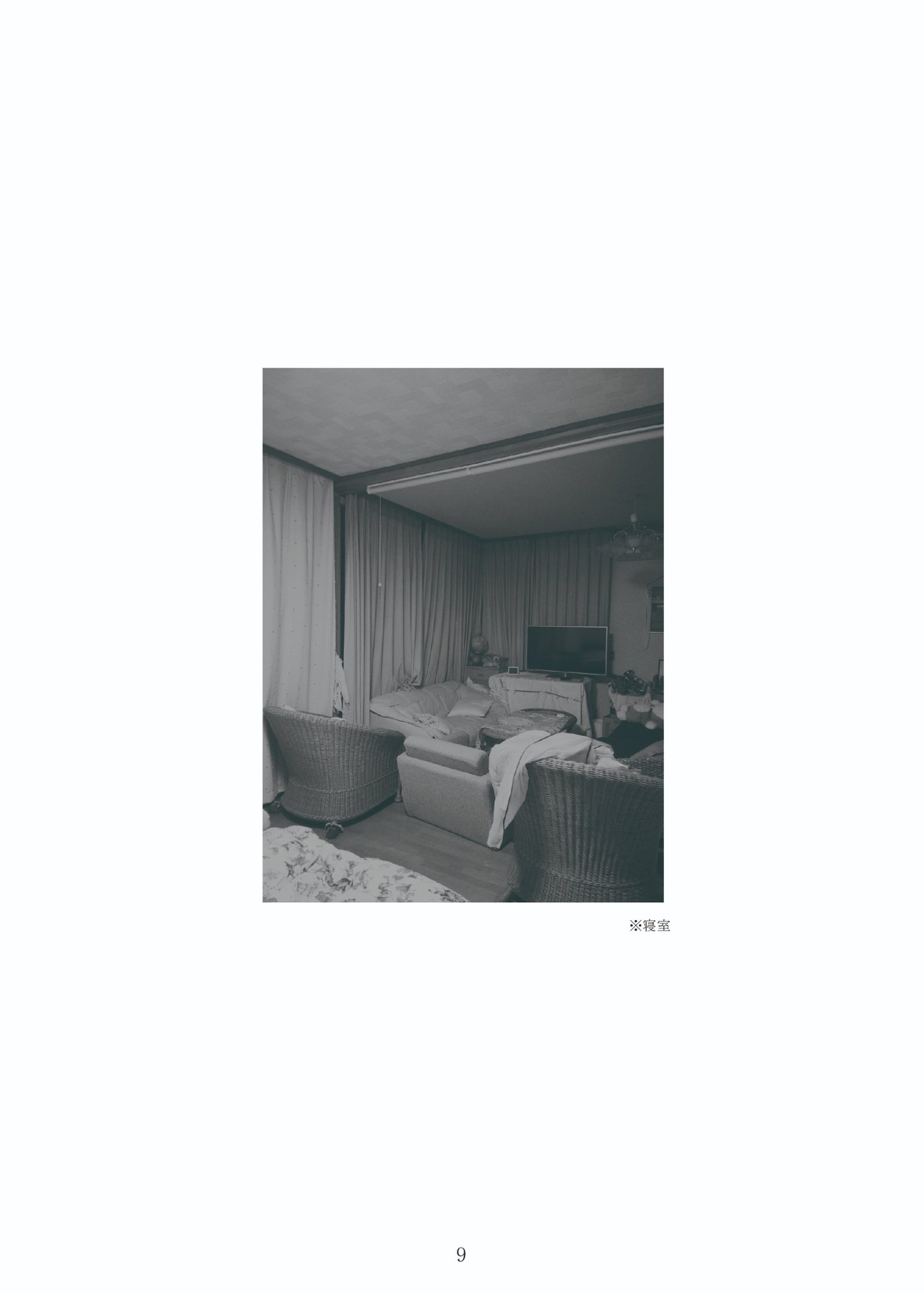
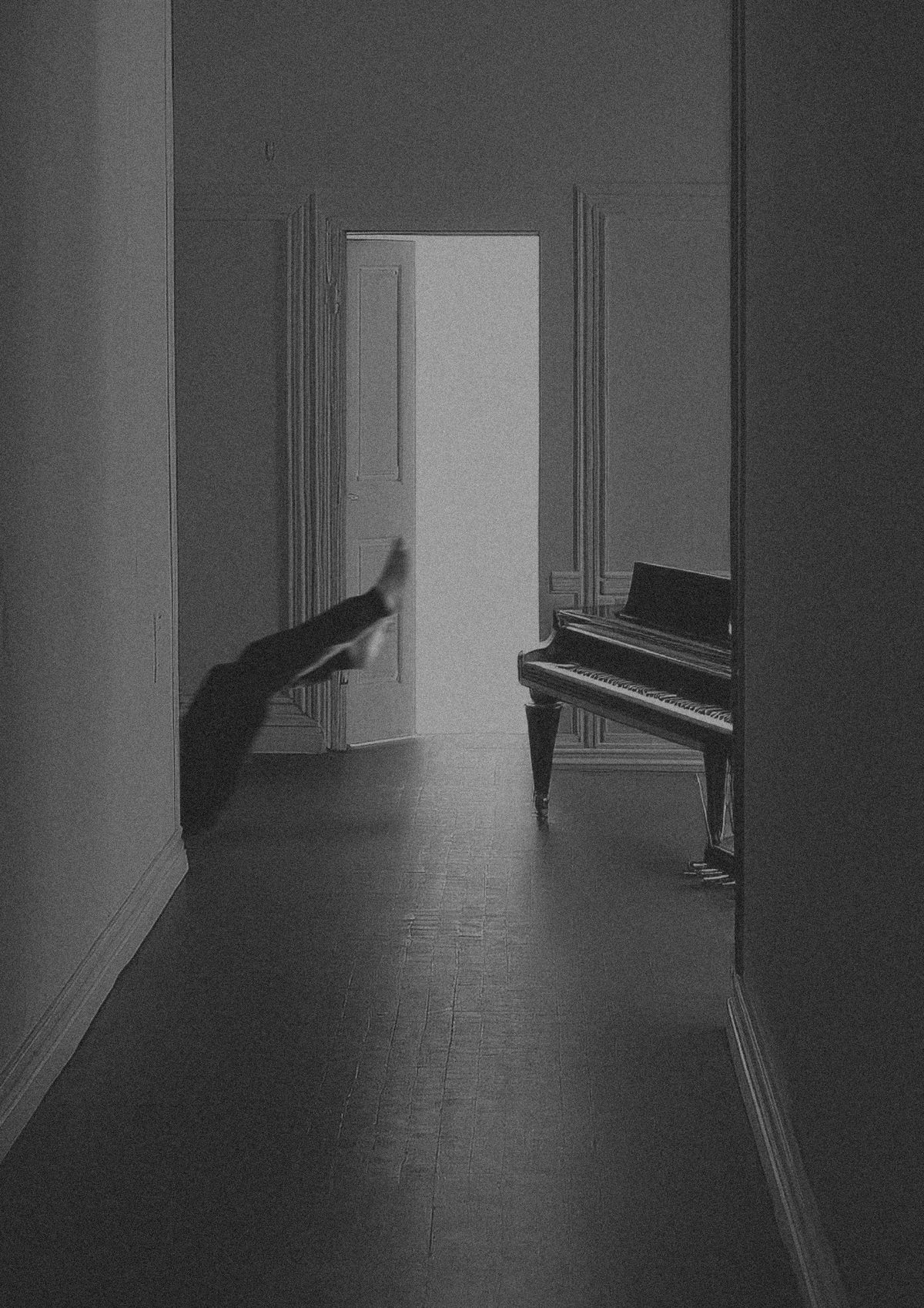
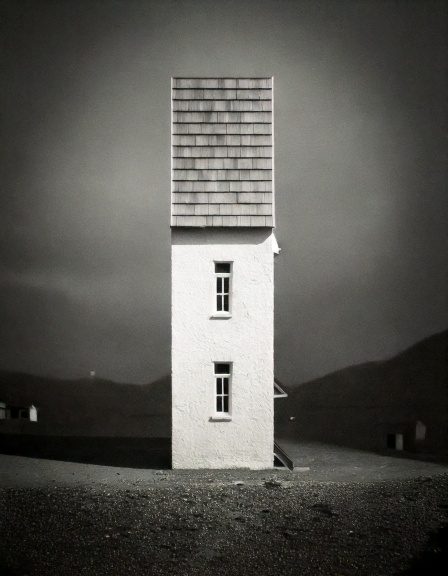
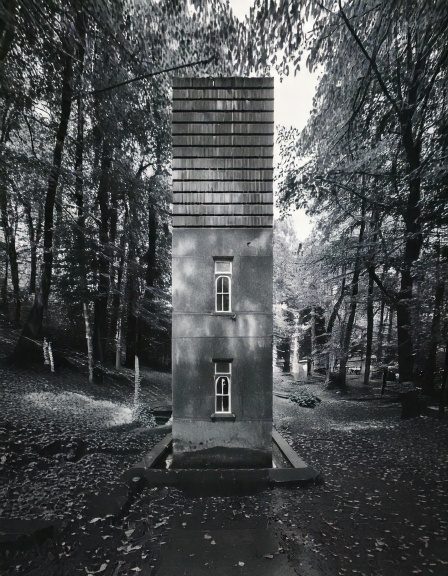
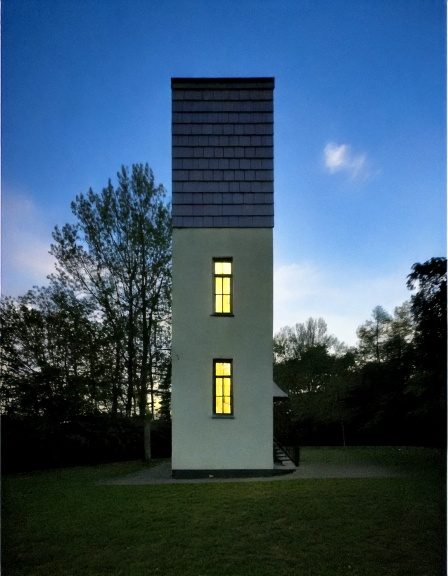
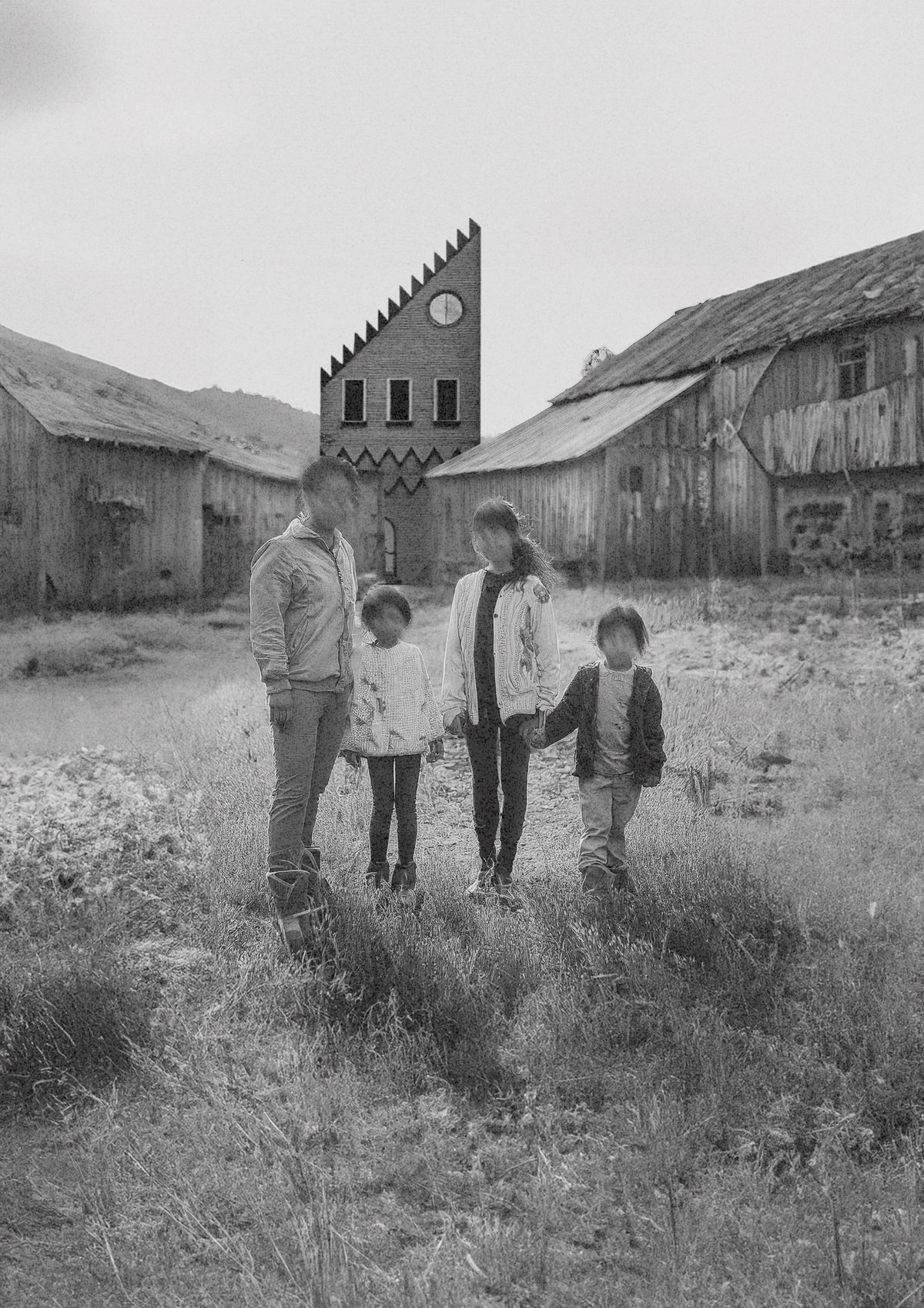
少し開いた扉の奥に、私がいた。言葉を発することもなく、意図があるのかも分からない奇妙な動き。私の姿をした座敷童。祖母が収集した陶芸や彫刻、猫脚の椅子、ステンドグラスの照明。どれも見覚えがある。だからこそ、あの家は知らない家だった。いや、見覚えのないものなど、ひとつもなかったのかもしれない。私によく似た誰かが、私のいない家で、私の動きを続けている。「私は、身に覚えのない祖父母の家の夢を見た。」

Beyond a slightly open door, I was there. Moving strangely, without uttering a word, with no way of telling whether there was any intention behind it. A zashiki-warashi in my own form. The ceramics and sculptures my grandmother collected, the cabriole-legged chair, the stained-glass lamp. I recognized every one of them. That was precisely why the house was an unfamiliar house. Or perhaps there had been nothing there that I did not recognize. Someone who looked very much like me keeps repeating my movements in a house where I am not. “I dreamed of my grandparents’ house, though I have no memory of it.”

Capture

Grandparents’ house — Capture 1
Grandparents’ house — Capture 2
Grandparents’ house — Capture 3
Grandparents’ house — Capture 4
Grandparents’ house — Capture 5
Grandparents’ house — Capture 6
← Grandparents’ house
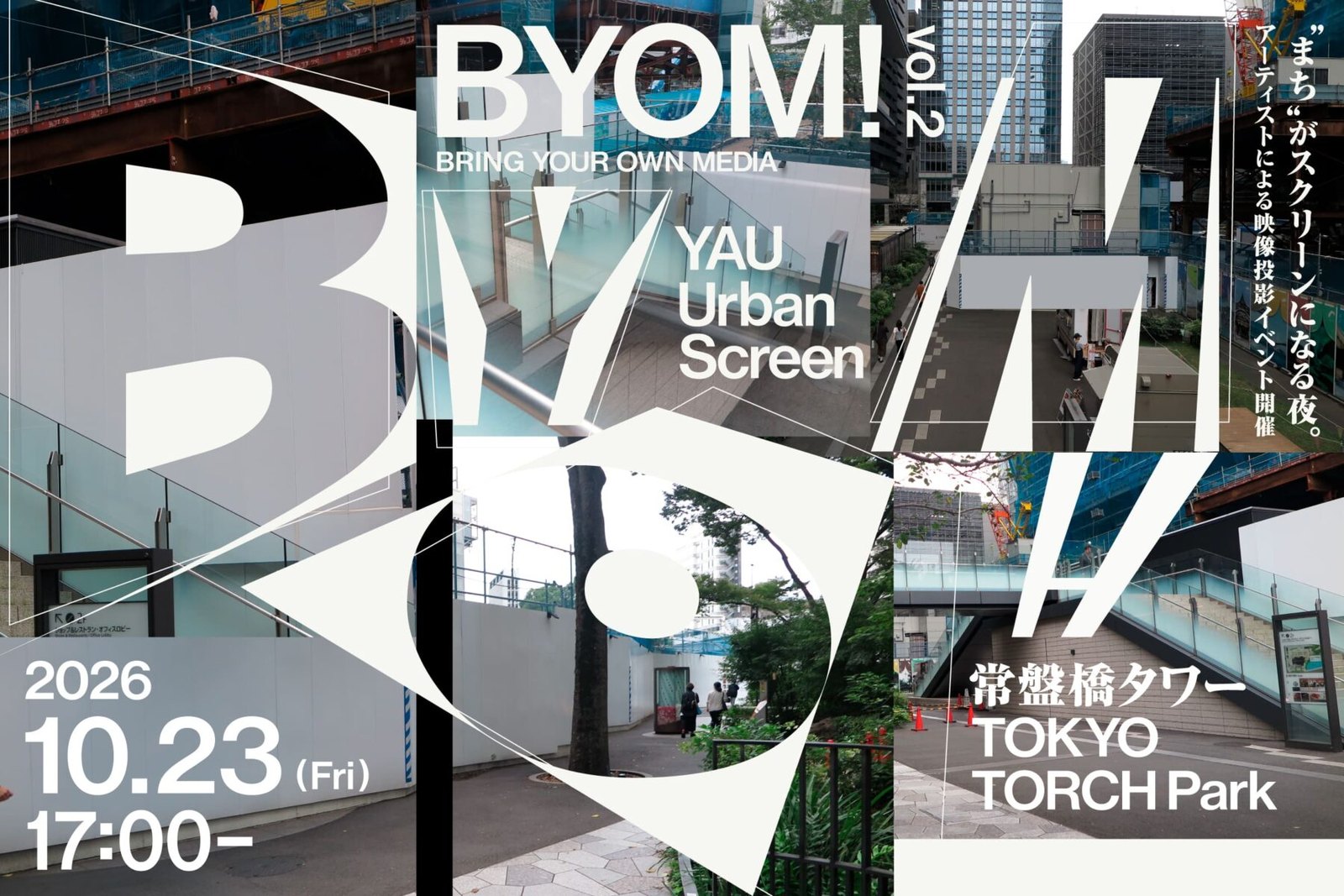
BYOM! – YAU Urban Screen – vol.2 フライヤー(2026年10月23日(金)17:00– 常盤橋タワー TOKYO TORCH Park)
デザイン:おおつきしゅうとDesign: Shuto Otsuki
BYOM! – YAU Urban Screen – vol.2 上映の様子 1
Installation View, BYOM ©2026 by Hitoki Keino
BYOM! – YAU Urban Screen – vol.2 上映の様子 2
Installation View, BYOM ©2026 by Hitoki Keino
BYOM! – YAU Urban Screen – vol.2 上映の様子 3
Installation View, BYOM ©2026 by Hitoki Keino
BYOM! – YAU Urban Screen – vol.2 上映の様子 4
Installation View, BYOM ©2026 by Hitoki Keino
BYOM! – YAU Urban Screen – vol.2 上映の様子 5
Installation View, BYOM ©2026 by Hitoki Keino
BYOM! – YAU Urban Screen – vol.2 上映の様子 6
Installation View, BYOM ©2026 by Hitoki Keino

BYOM! – YAU Urban Screen – vol.2

常盤橋タワー TOKYO TORCH Park(東京) / 2026年10月23日

Tokiwabashi Tower TOKYO TORCH Park (Tokyo) / October 23, 2026

概要

Overview

「BYOM!(Bring Your Own Media!) – YAU Urban Screen -」は、まちなかのさまざまな場所をスクリーンに見立て、アーティストが自身の作品を持ち寄って上映するプロジェクション・イベントです。参加者は、写真、映像、パフォーマンス記録、活動アーカイブなど、自身の表現を収録したUSBメモリを持参し、YAUが用意するプロジェクターを使って上映を行います。写真スライドショーを見せる、映像作品やパフォーマンス記録を上映する、これまでの活動をダイジェスト映像として紹介するなど、表現方法は参加者の発想次第。

BYOM! (Bring Your Own Media!) – YAU Urban Screen – is a projection event in which various places around the city are treated as screens and artists bring their own works to screen. Participants bring a USB drive containing their own expression—photographs, video, performance documentation, activity archives, and so on—and screen it using a projector provided by YAU. How to present is left to the participants’ ideas: showing a photo slideshow, screening video works or performance documentation, or introducing past activities as a digest video.

BYOM!はアーティストの作品や活動をまちなかに投影することによって、アーティストや来場者が自由に交流するオープンな作品鑑賞と対話の場を生み出し、東京の夜の街並みに新たな風景を創出することを目指します。

By projecting artists’ works and activities onto the city, BYOM! aims to create an open place for viewing and dialogue where artists and visitors can freely interact, and to create new scenery in Tokyo’s night streets.

※本企画は、アーティストのRafaël Rozendaal氏とAnne de Vries氏が2010年に開始した、プロジェクターを持ち寄って作品を投影するイベント「BYOB — Bring Your Own Beamer」にインスパイアされ、大丸有エリアのまちなかで映像作品を投影するトライアル・プログラムです。

*This project is a trial program for projecting video works in the Otemachi, Marunouchi, and Yurakucho (Daimaruyu) area, inspired by “BYOB — Bring Your Own Beamer,” an event started in 2010 by the artists Rafaël Rozendaal and Anne de Vries, in which participants bring projectors to project their works.

開催概要

Event details

← Video

The Dream of the White Kestrel

2026

Video (color, sound; 7:07 min)
Director, Video editor, Sound: Hitoki Keino

Reference →

Capture

The Dream of the White Kestrel — Capture 1
The Dream of the White Kestrel — Capture 2
The Dream of the White Kestrel — Capture 3
The Dream of the White Kestrel — Capture 4
The Dream of the White Kestrel — Capture 5
The Dream of the White Kestrel — Capture 6
← Video

Before, After Cognition

2025

Short film, Found footage, Installation, 6:18 min
Director: Hitoki Keino
Generative AI Sound Production: Ami Nakamura, Kouya Akiyoshi
Video Collage: Koki Nakamura
Generation AI production: Hitoki Keino

Reference →

Capture

Before, After Cognition — Capture 1
Before, After Cognition — Capture 2
Before, After Cognition — Capture 3
Before, After Cognition — Capture 4
Before, After Cognition — Capture 5
Before, After Cognition — Capture 6
Before, After Cognition — Capture 7
Before, After Cognition — Capture 8
← Video

It Feels Like Someone’s There, Yet the Sound Never Stops

2025

Video (color, sound; 10:50 min)
Director: Hitoki Keino, Rimi Arimoto
Video editor: Rimi Arimoto
Sound Production: Rimi Arimoto
Generation AI production: Hitoki Keino
Thumbnail photo: Yoshiyuki Fujiwara

本作は、見慣れた空間がふいに私たちの前に不穏な光景として立ち現れる瞬間を追う。たとえば、いつも通る部屋にも関わらず侵入しているような感覚や、人の気配が消えてドアの閉まる音だけが過剰に響くときの不安など。画家ハンマスホイが「まさに誰もいないときこそ、それは美しい」と語ったように、かつて誰かがいた痕跡とすでに不在となった気配が重なり合う。ここでの映像と音は、存在/不在、現実/虚構のあいだに広がるリミナルな領域を抽出し、個人的な記憶と普遍的な不安が交錯する場として提示する。

This work captures the moment when a familiar space suddenly appears before us as an unsettling sight. For instance, the sensation of intruding into a room you pass through daily, or the unease when human presence vanishes and only the sound of a door closing echoes excessively. As painter Hammershøi stated, “It is precisely when no one is there that it is beautiful,” traces of someone who once occupied the space overlap with the now absent presence. Here, the imagery and sound extract the liminal zone between presence/absence and reality/fiction, presenting it as a space where personal memory and universal anxiety intersect.

Reference →

Capture

It Feels Like Someone’s There, Yet the Sound Never Stops — Capture 1
It Feels Like Someone’s There, Yet the Sound Never Stops — Capture 2
It Feels Like Someone’s There, Yet the Sound Never Stops — Capture 3
It Feels Like Someone’s There, Yet the Sound Never Stops — Capture 4
It Feels Like Someone’s There, Yet the Sound Never Stops — Capture 5
It Feels Like Someone’s There, Yet the Sound Never Stops — Capture 6
It Feels Like Someone’s There, Yet the Sound Never Stops — Capture 7
It Feels Like Someone’s There, Yet the Sound Never Stops — Capture 8
← Video

Untitled

2025

Video, Animation, Installation, 2:52 min
Director, Sound Production: Hitoki Keino

日常的な世界観や期待に反する不気味で奇妙な感覚を探る実験的映像作品である。見慣れた風景がふと見知らぬ場所のように感じられる瞬間、その感覚は個人的記憶と普遍的記憶が重なり合う地点から生まれる。「懐かしさ」や「違和感」は他者とも共有されうる感覚であり、その境界を探ることが本作の出発点である。イギリスの批評家マーク・フィッシャーは「奇妙なもの」と「ぞっとするもの」を、存在や不在が失敗する感覚として捉えた。この概念は、空間内部に別の空間を重ねるグレゴール・シュナイダーや、現実と見紛うイメージを提示するトーマス・デマンドの実践とも共通する。本作は、「現前」と「不在」の間に生じるズレを映像体験へと変換し、AIやVRによって現実が再構成される現代において、私たちがいかに現実を信じ、記憶しているのかを問い直す。

This is an experimental video work that explores eerie and strange sensations that run counter to everyday worldviews and expectations. In the moment when a familiar landscape suddenly feels like an unfamiliar place, that sensation arises at the point where personal memory and universal memory overlap. “Nostalgia” and “a sense of dissonance” are feelings that can be shared with others, and exploring the boundary between them serves as the starting point for this work. British critic Mark Fisher characterized the “strange” and the “uncanny” as sensations in which presence and absence fail. This concept resonates with the practices of artists such as Gregor Schneider, who superimposes one space onto another within a given space, and Thomas Demand, who presents images indistinguishable from reality. This work transforms the dissonance that arises between “presence” and “absence” into a visual experience, prompting us to reexamine how we believe in and remember reality in an era where reality is being reconstructed through AI and VR.

Capture

Untitled — Capture 1
Untitled — Capture 2
Untitled — Capture 3
Untitled — Capture 4
Untitled — Capture 5
Untitled — Capture 6
← Video

7 iPhones

2025

Medium: iPhone, Video
iPhone1 (monochrome, sound; 1:05 min)
iPhone2 (monochrome, sound; 1:05 min)
iPhone3 (monochrome, sound; 0:43 min)
iPhone4 (monochrome, sound; 1:05 min)
iPhone5 (monochrome, sound; 0:49 min)
iPhone6 (monochrome, sound; 0:52 min)
iPhone7 (monochrome, sound; 0:32 min)

Capture

7 iPhones — iPhone 1: The Secret of Grandmother’s Forest
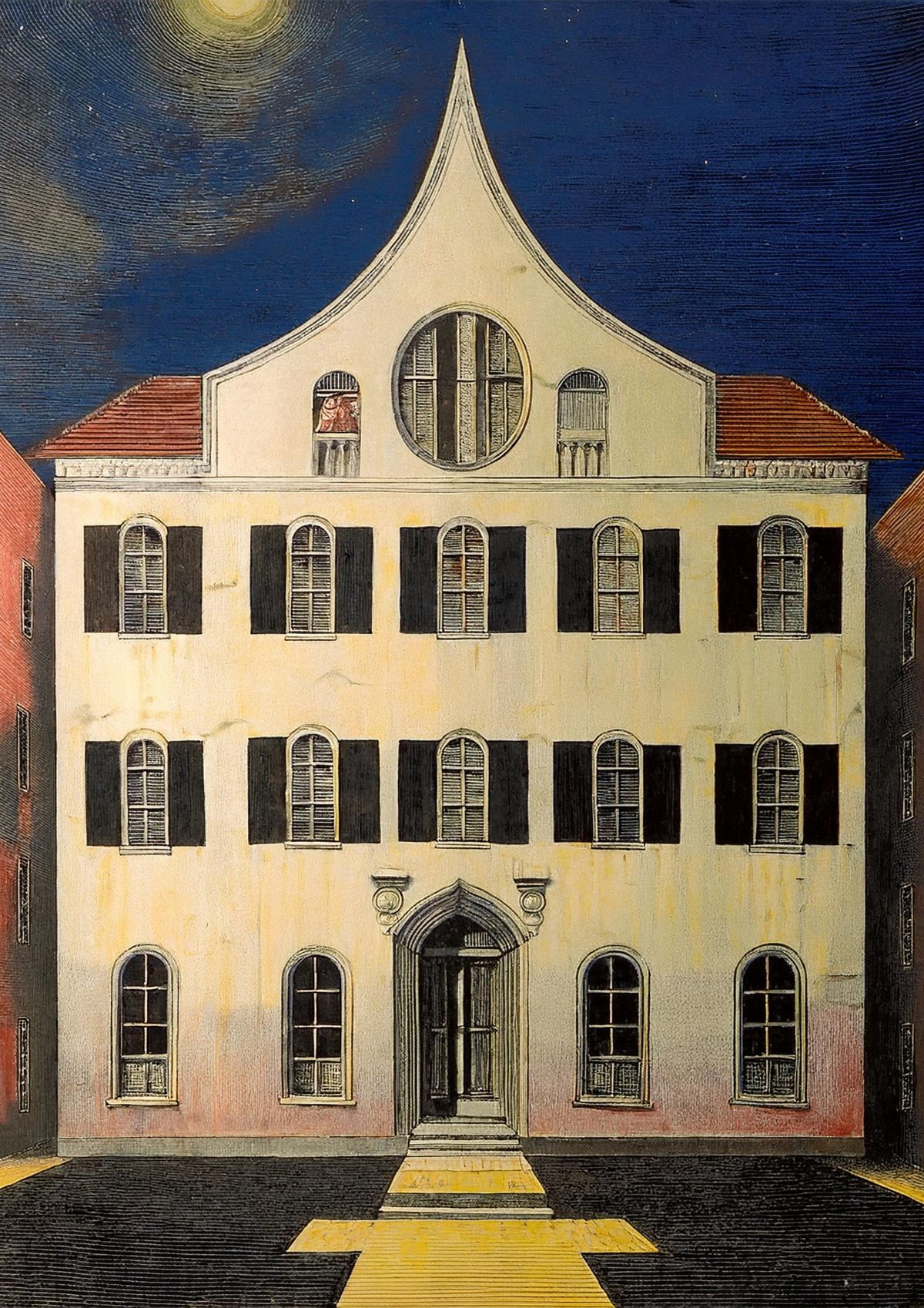
iPhone 1: The Secret of Grandmother’s Forest(Prompt: Surrealism / Architecture / House / Ephemerality / Black Windows / Facade / Proportions / Realism)
7 iPhones — iPhone 2: There is nobody, but exists
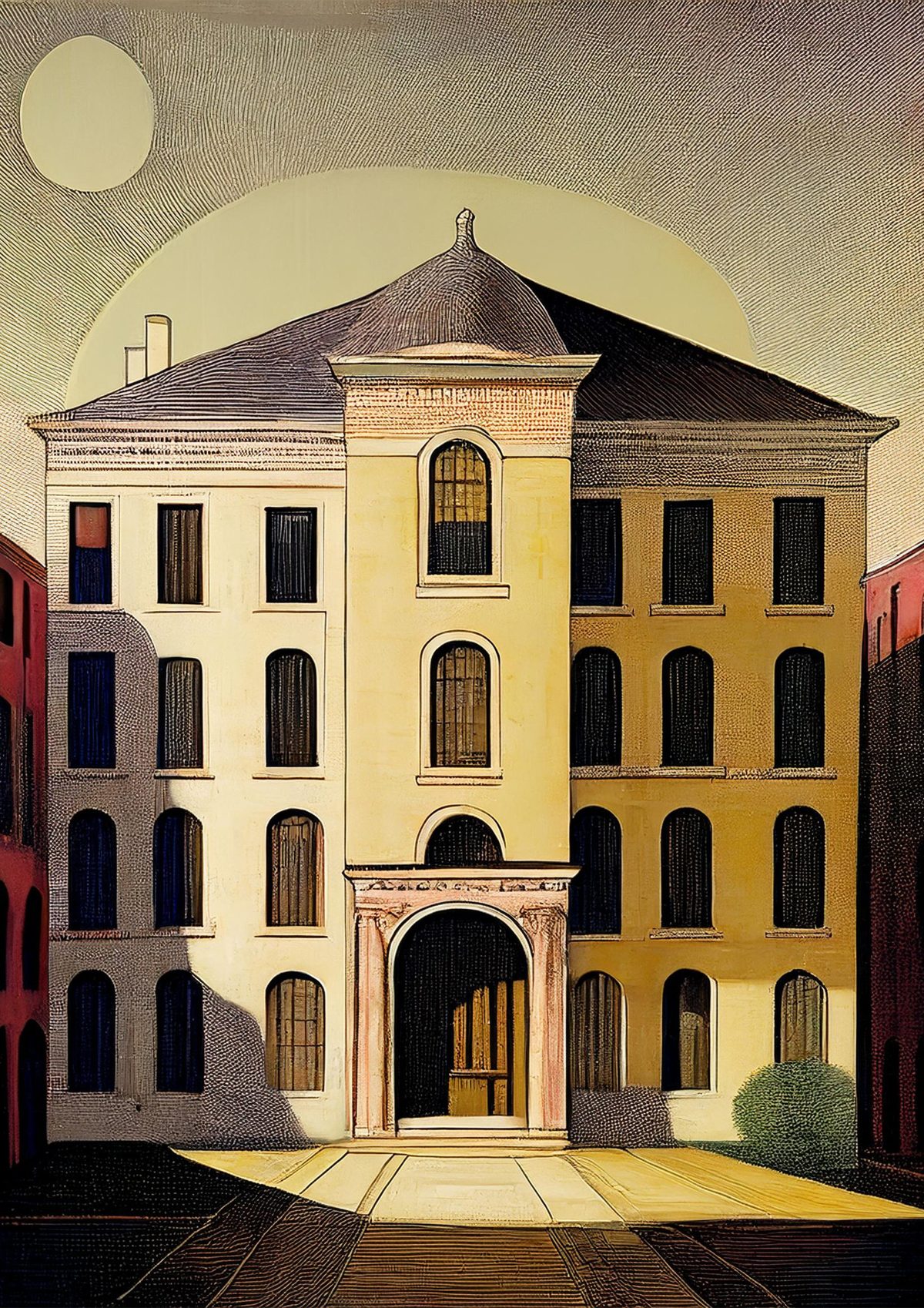
iPhone 2: There is nobody, but exists(Prompt: Surrealism / Inhabitants / House / Ephemeral / Realistic)
7 iPhones — iPhone 3: Strange encounter on the way home from school
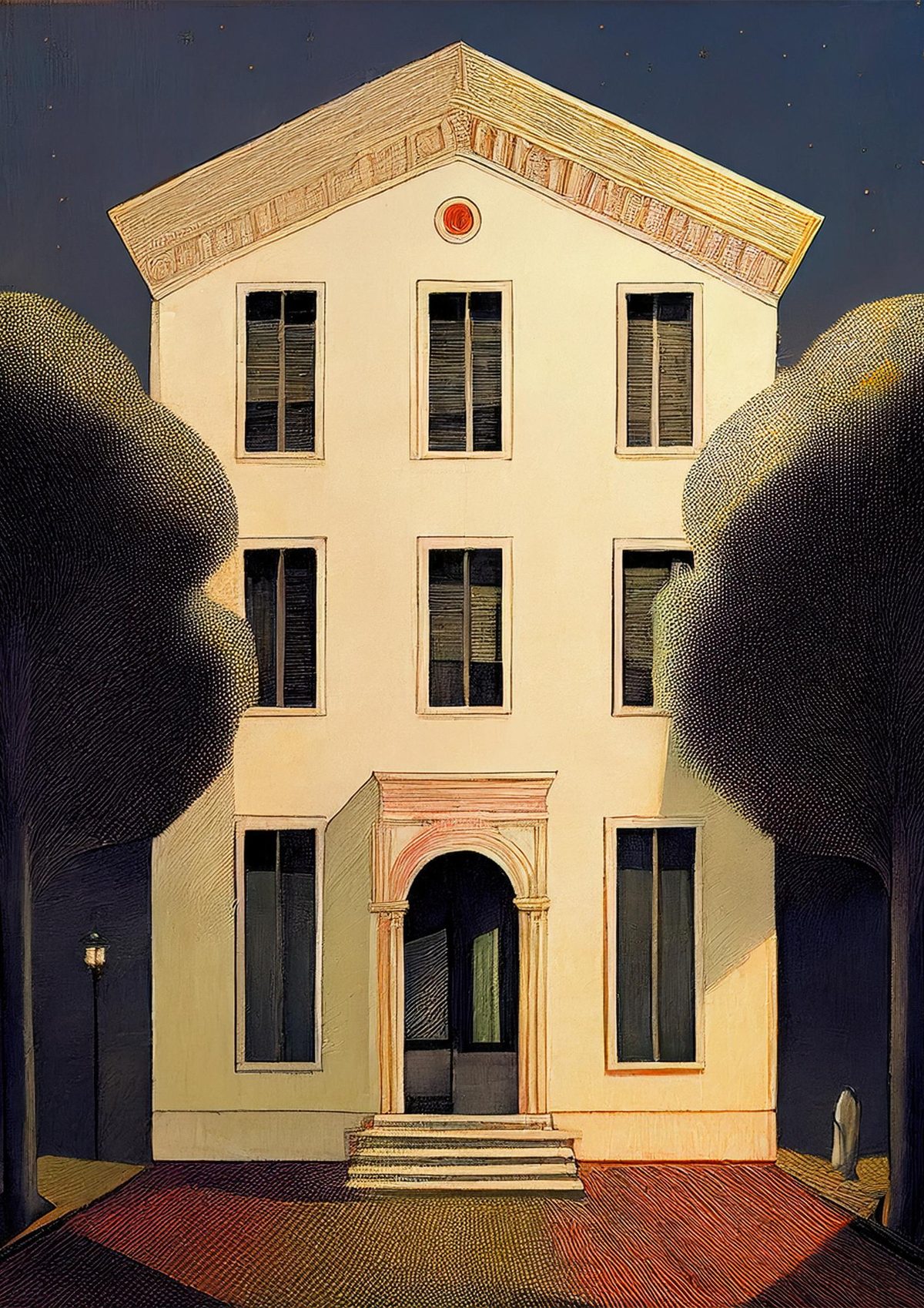
iPhone 3: Strange encounter on the way home from school(Prompt: Surrealism / House / Modern Architecture / Facade / Frontality / Ephemerality / Realism)
7 iPhones — iPhone 4: Masks on the Stage
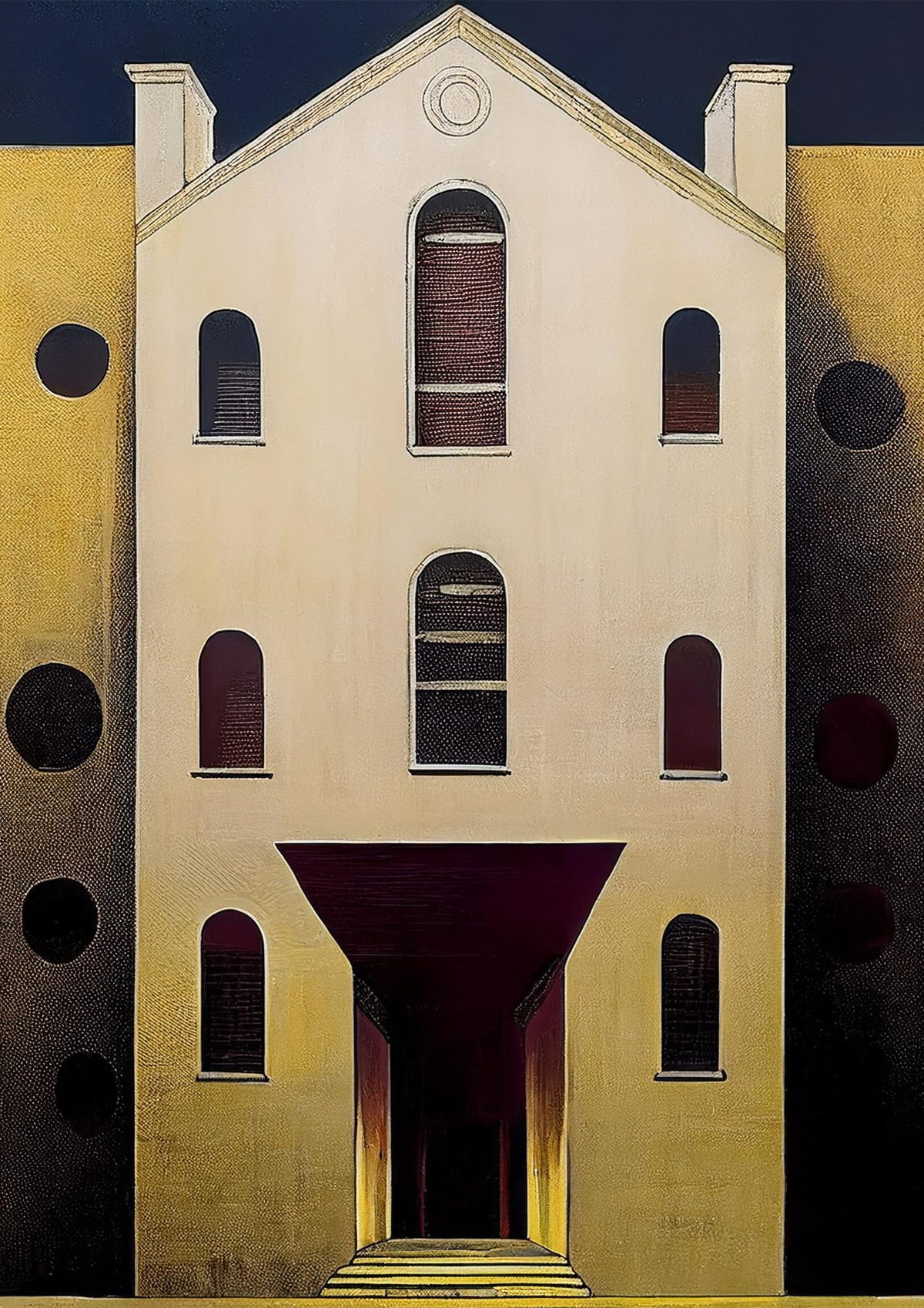
iPhone 4: Masks on the Stage(Prompt: Surrealism / Architecture / Ephemerality / Realism / As if it were real / Black Windows / House)
7 iPhones — iPhone 5: The Blind Spot of Consciousness
iPhone 5: The Blind Spot of Consciousness(Prompt: Surrealism / House / Architecture / Ephemerality / Modernity / Facade)
7 iPhones — iPhone 6: Dreams in a Box
iPhone 6: Dreams in a Box(Prompt: Surrealism / Architecture / Ephemerality / Realism / As if it were real / Black Windows / House)
7 iPhones — iPhone 7: Once upon a time in a small hand
iPhone 7: Once upon a time in a small hand(Prompt: Surrealism / Architecture / Ephemerality / Realism / House / Fluctuation)
← Home

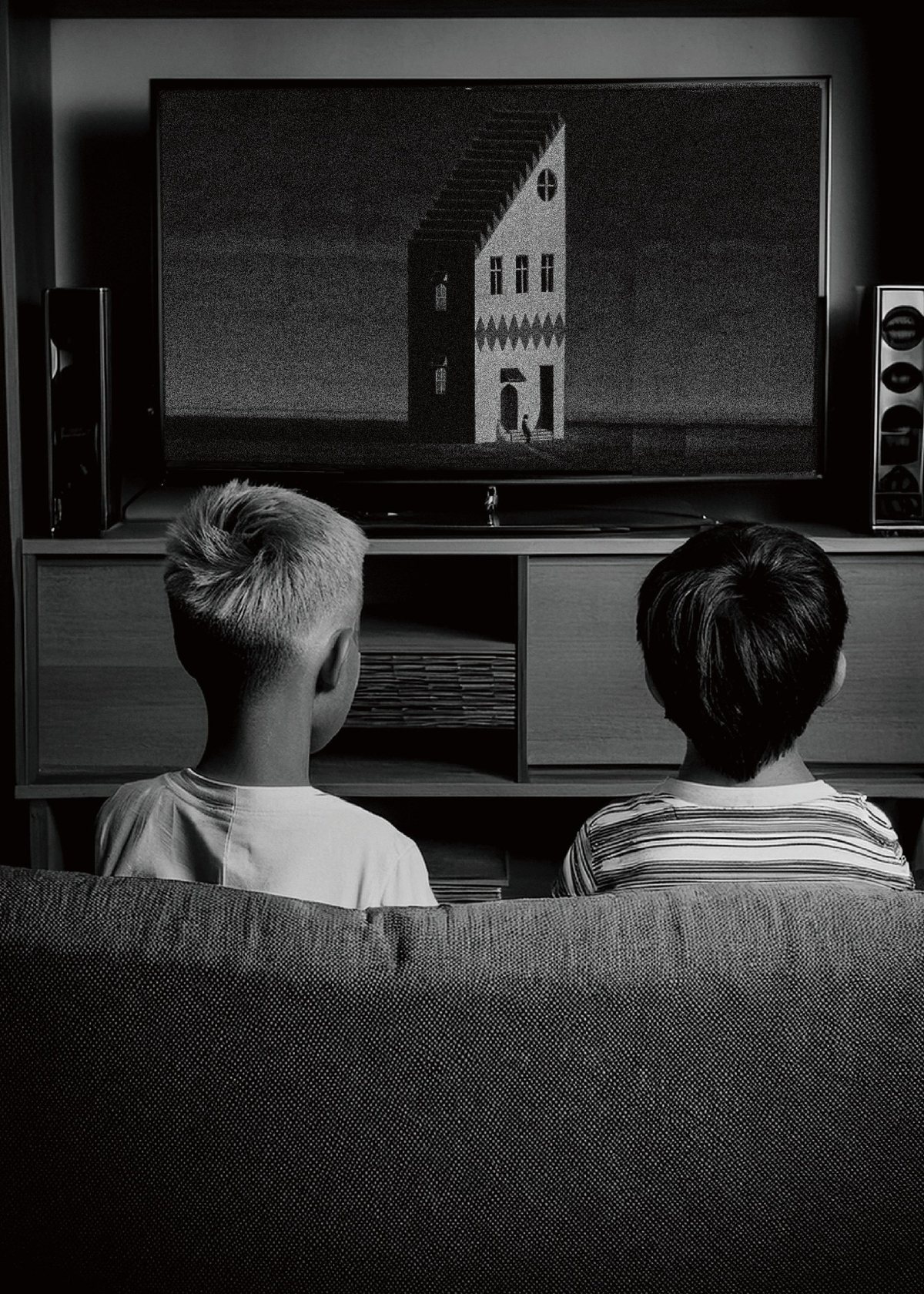
Novel

Novels about home Vol.1

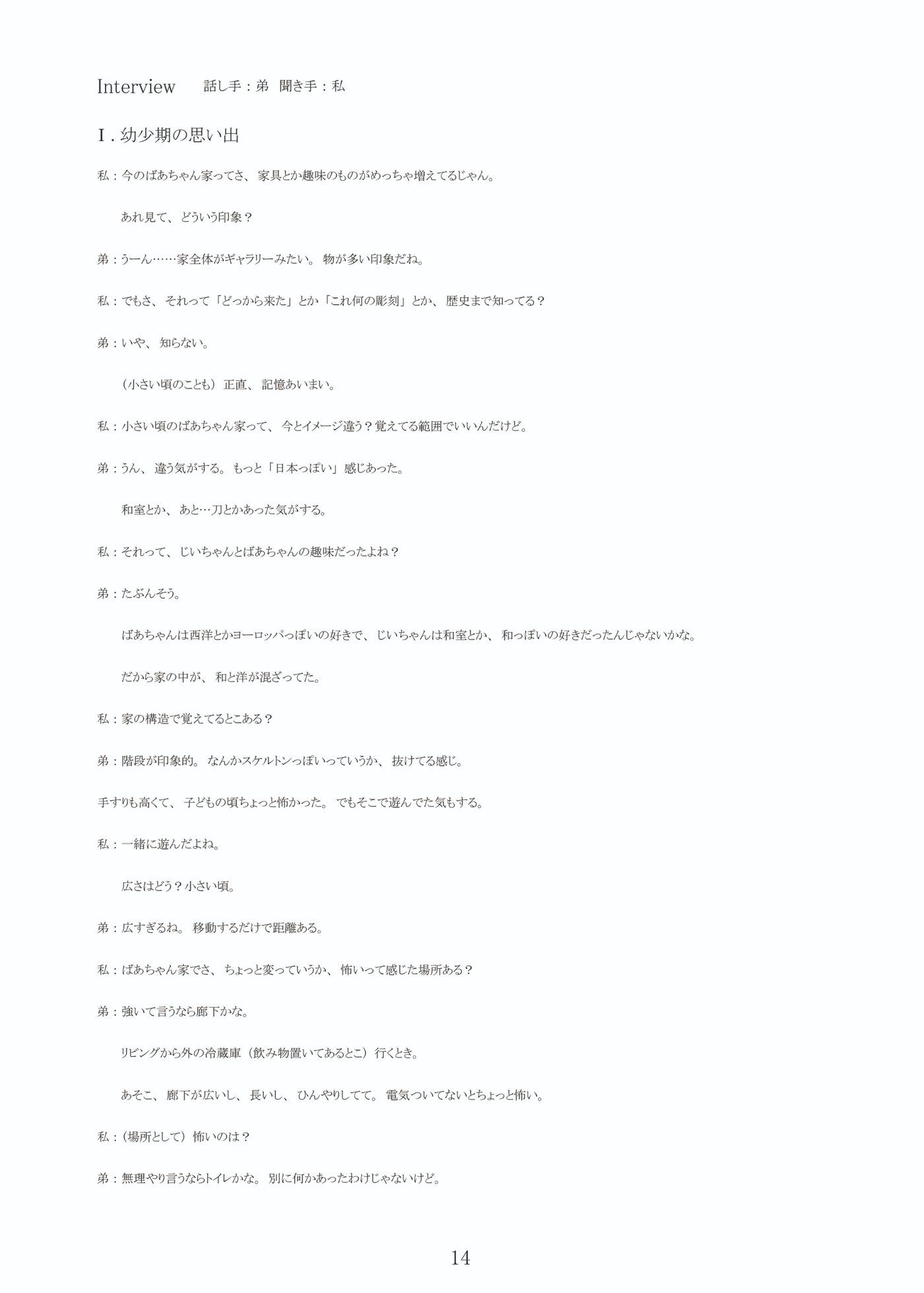
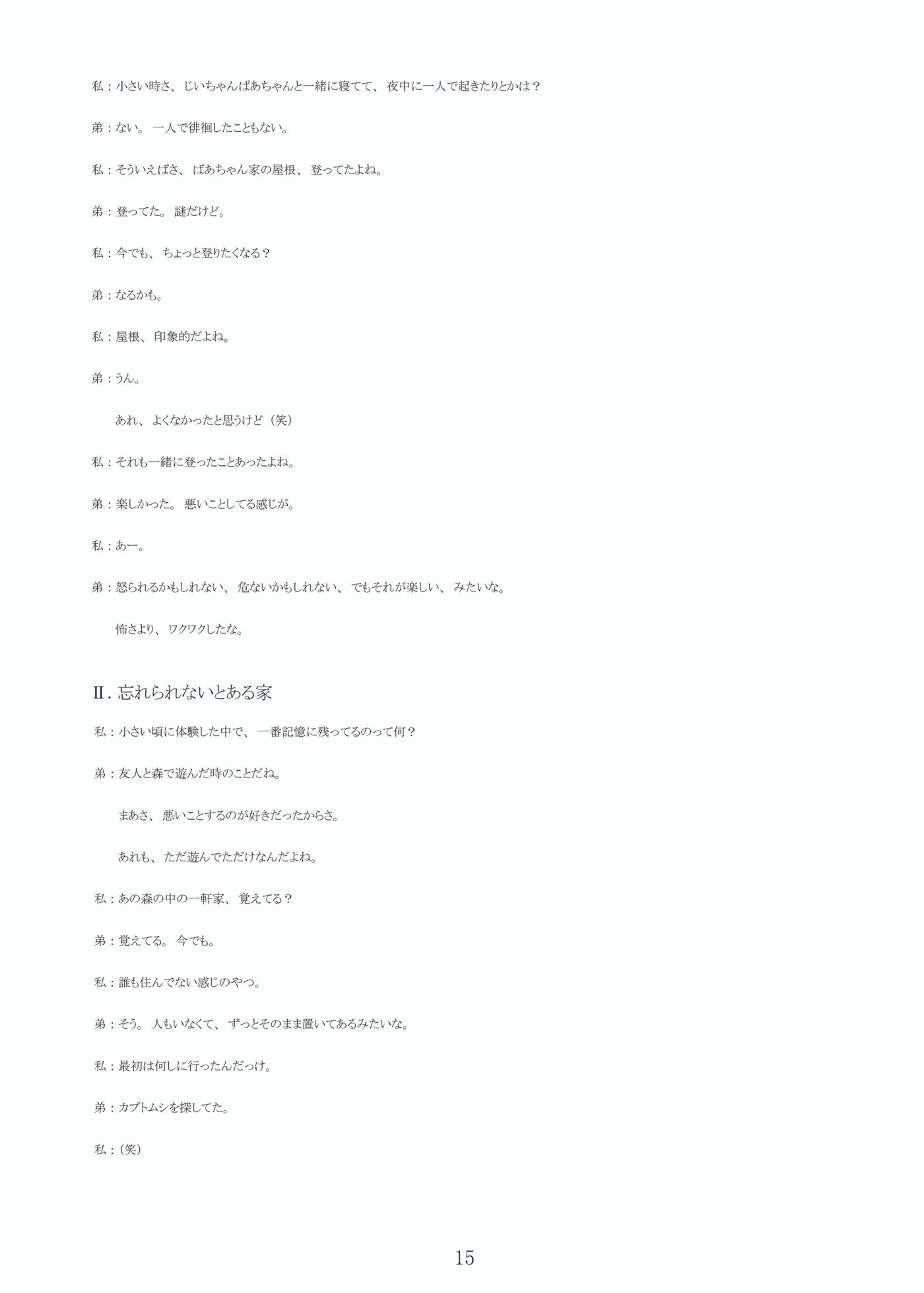
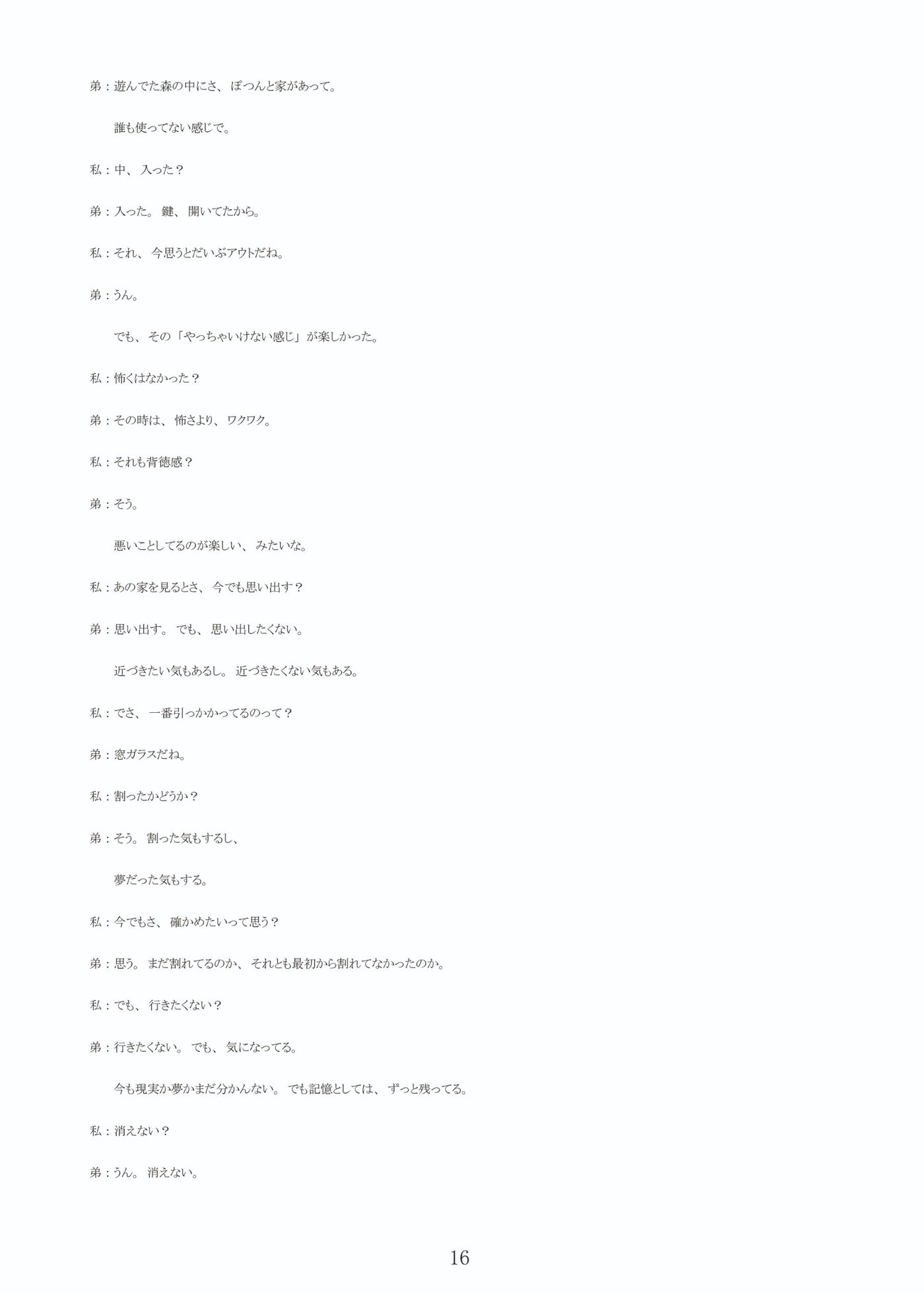
Interview: Sister and Brother
About our grandparent’s house
Author: Hitoki Keino

← Novel

Novels about home Vol.1

Interview: Sister and Brother
About our grandparent’s house
Author: Hitoki Keino

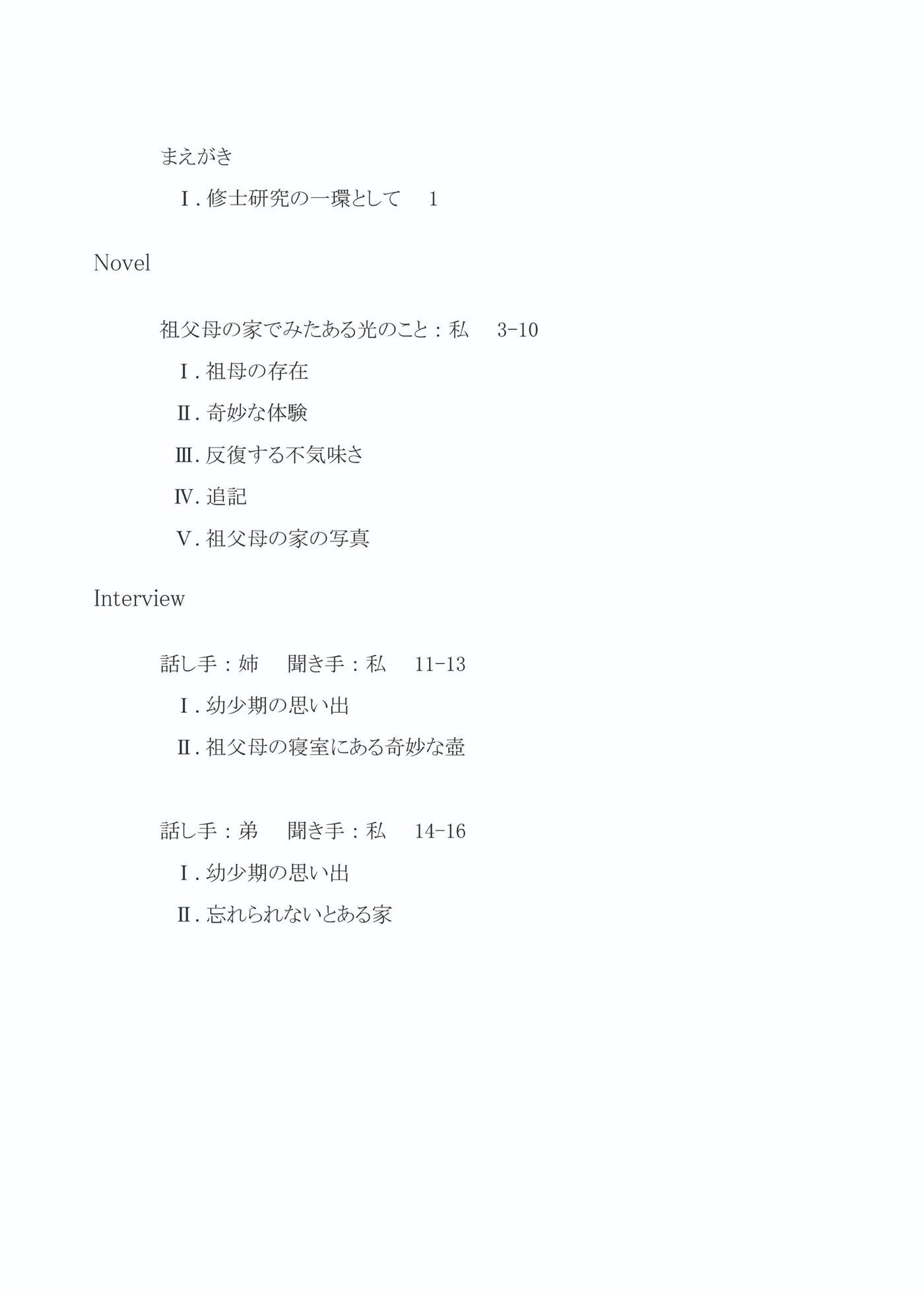
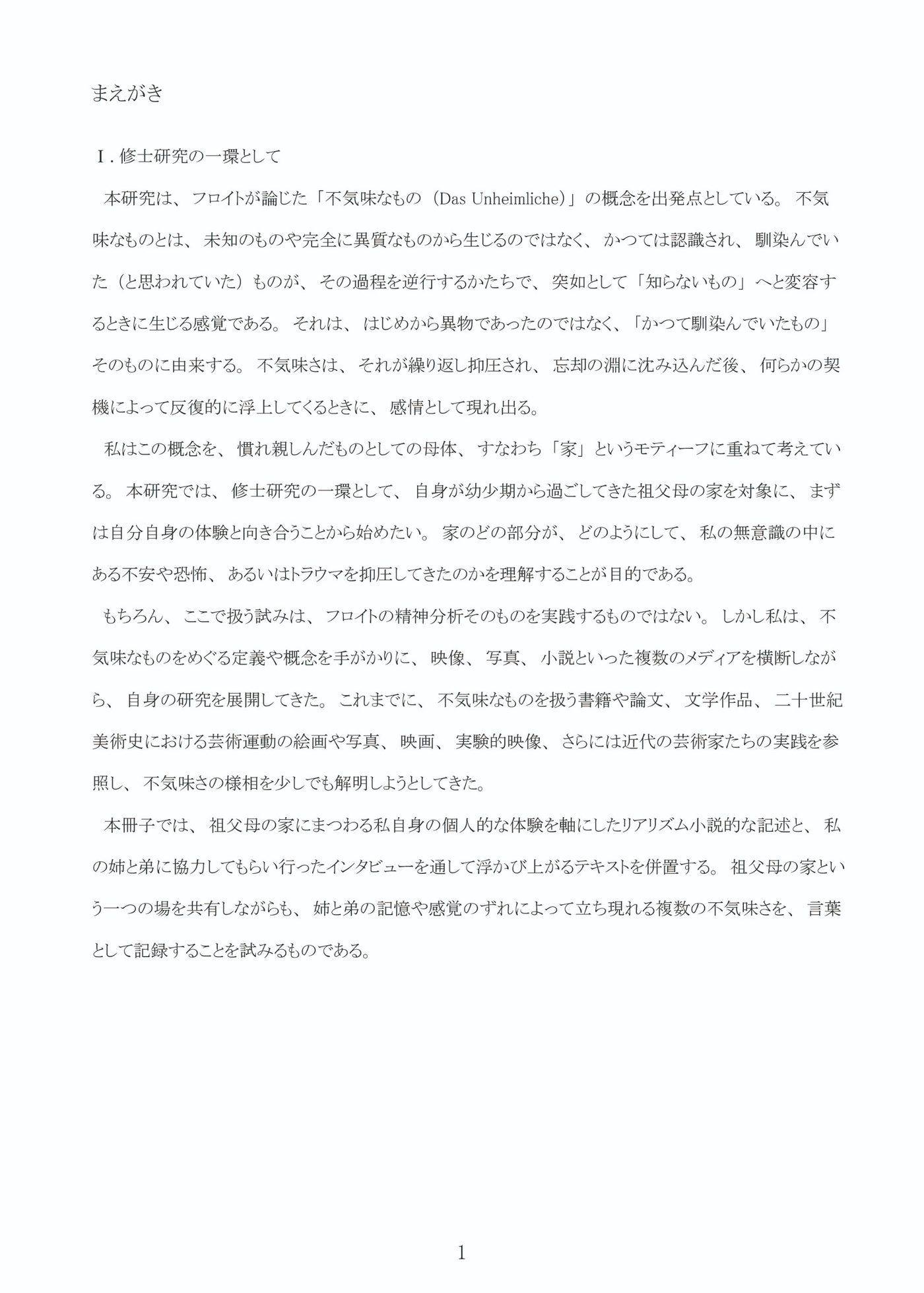
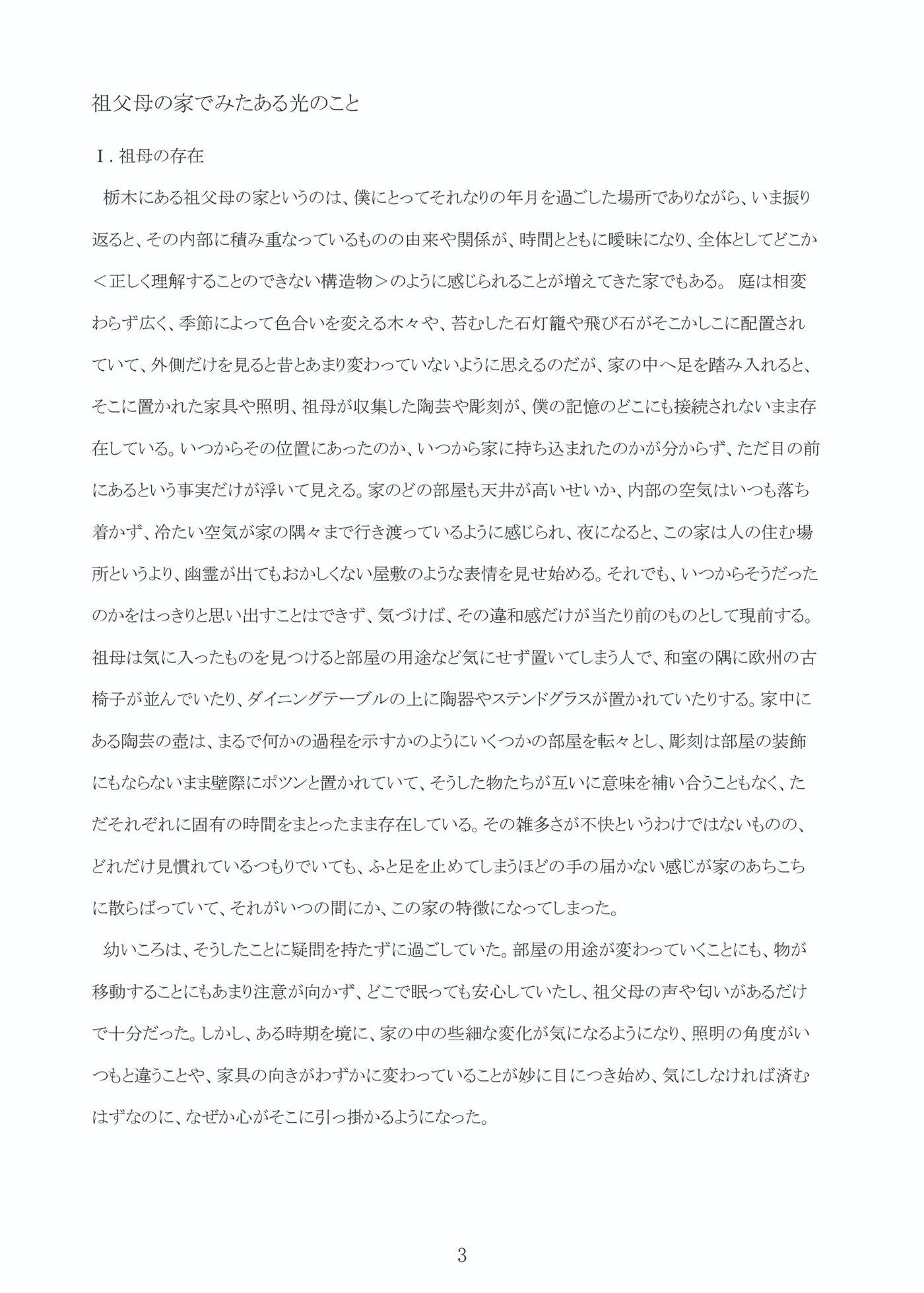
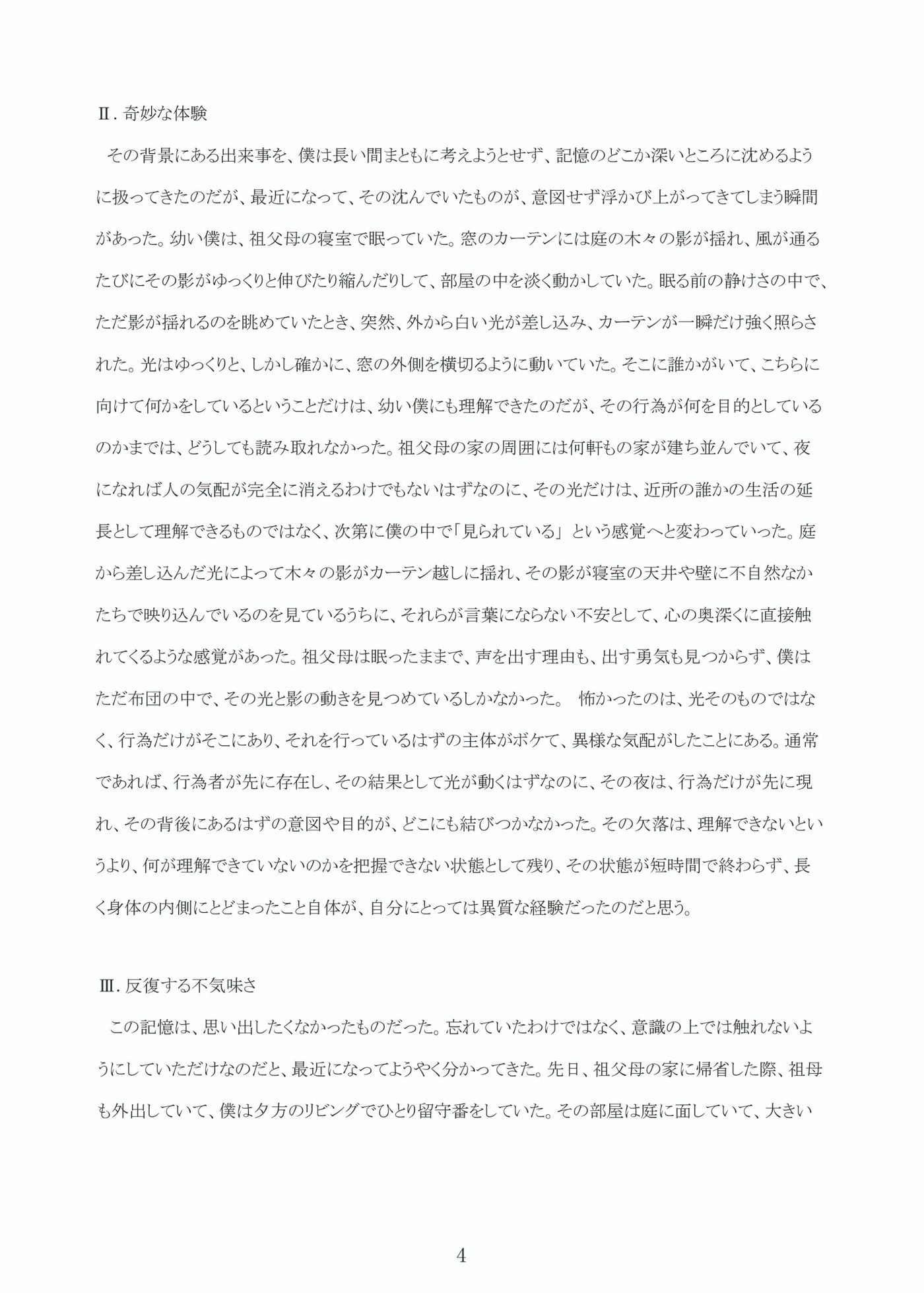
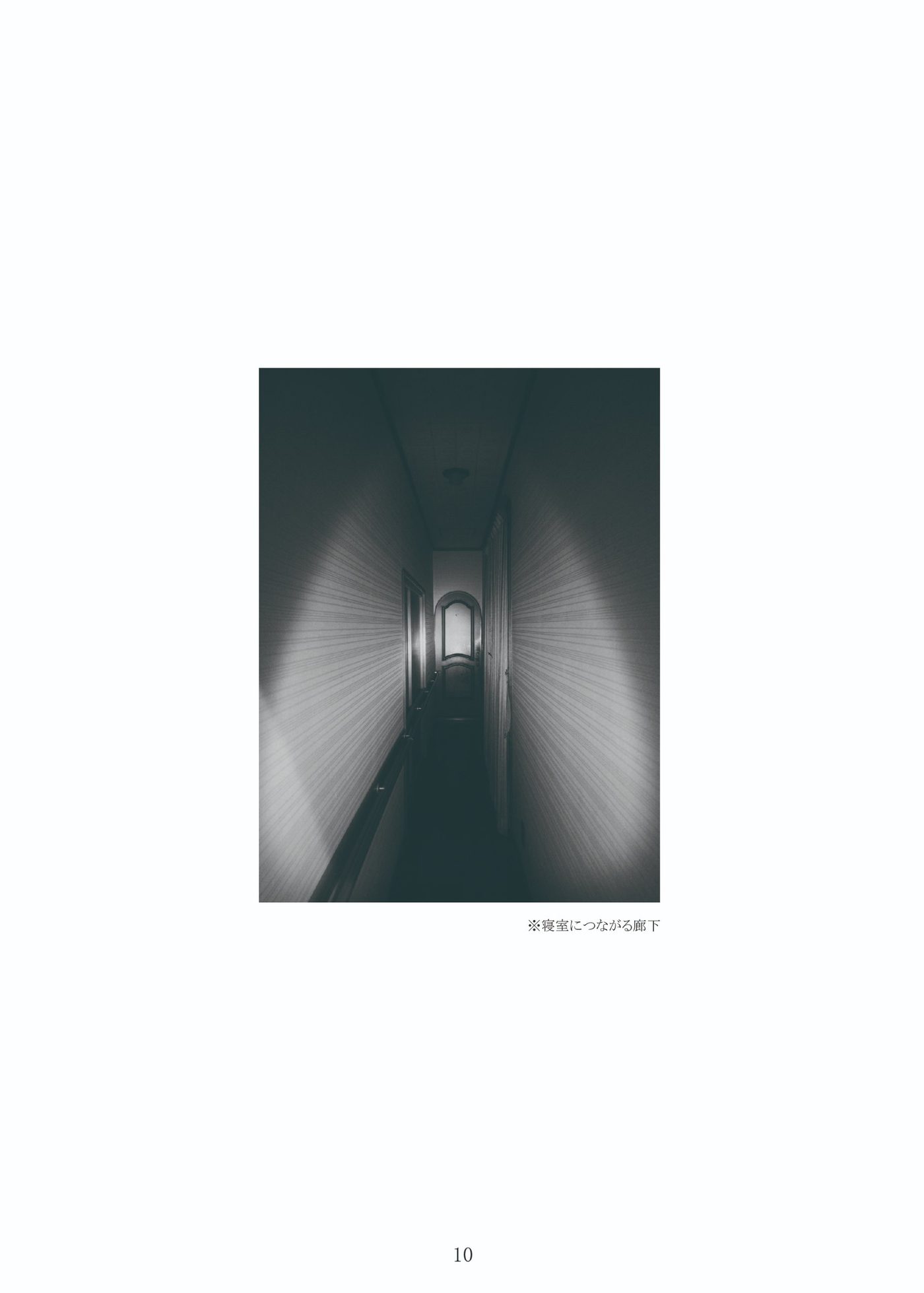
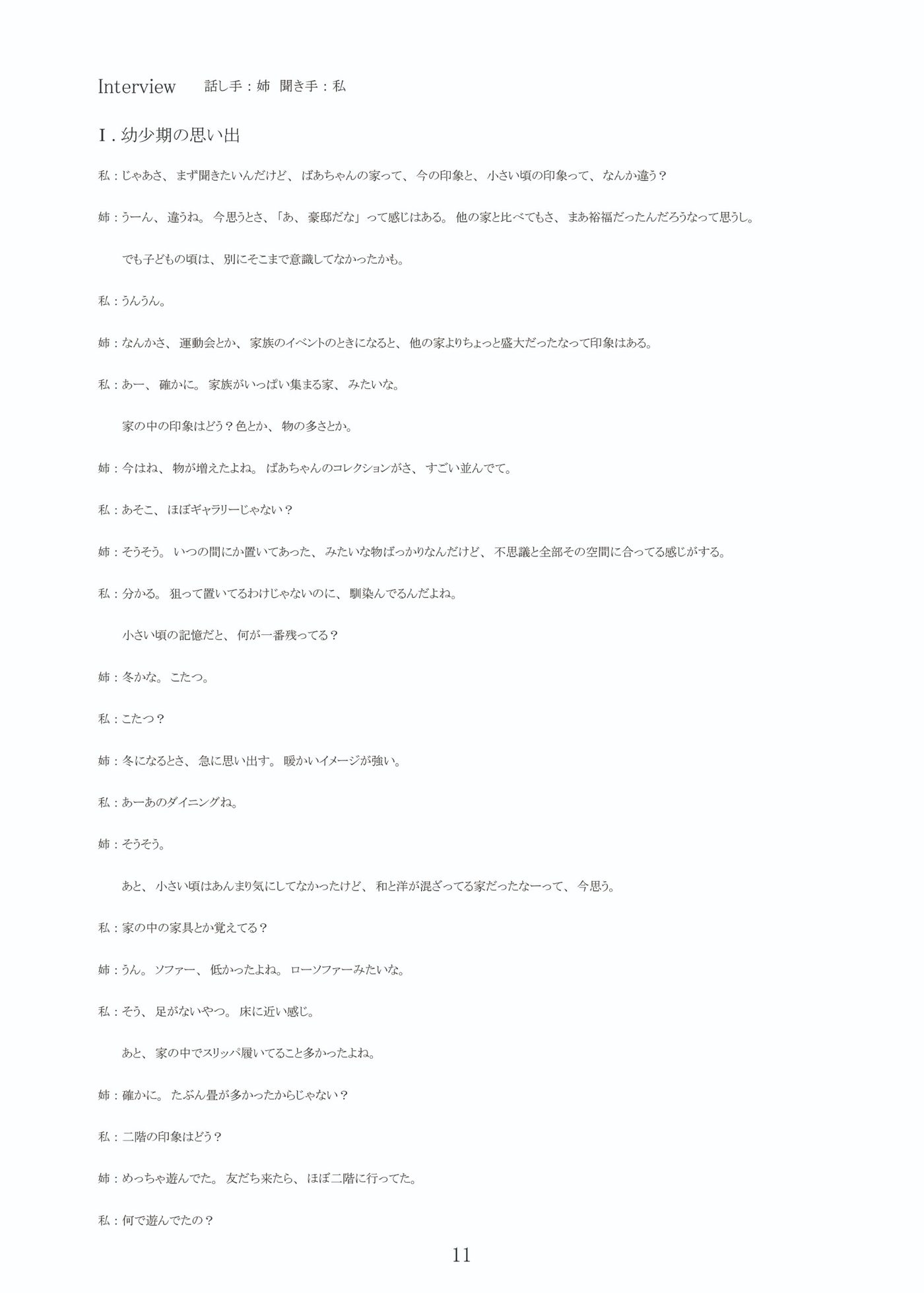
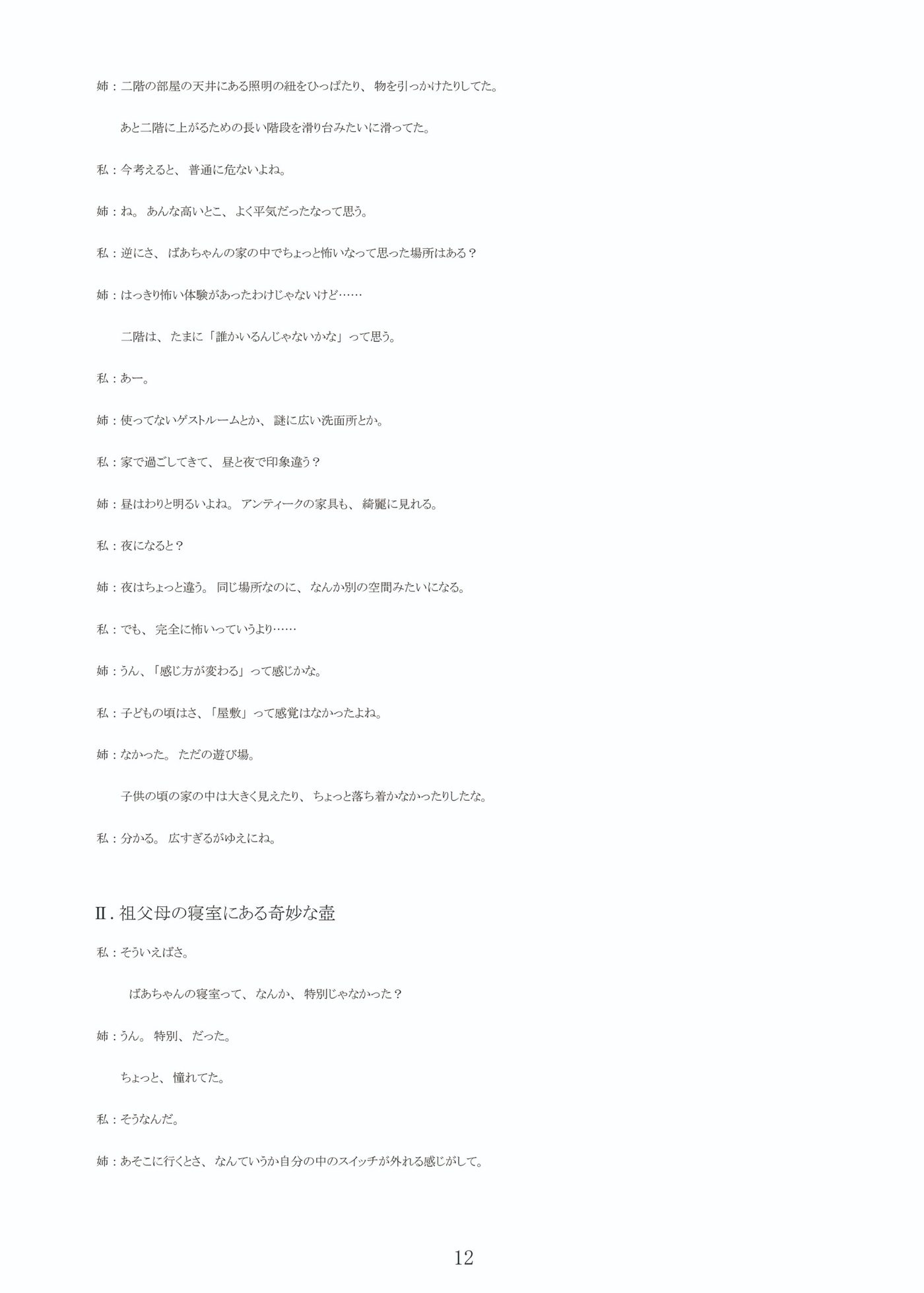
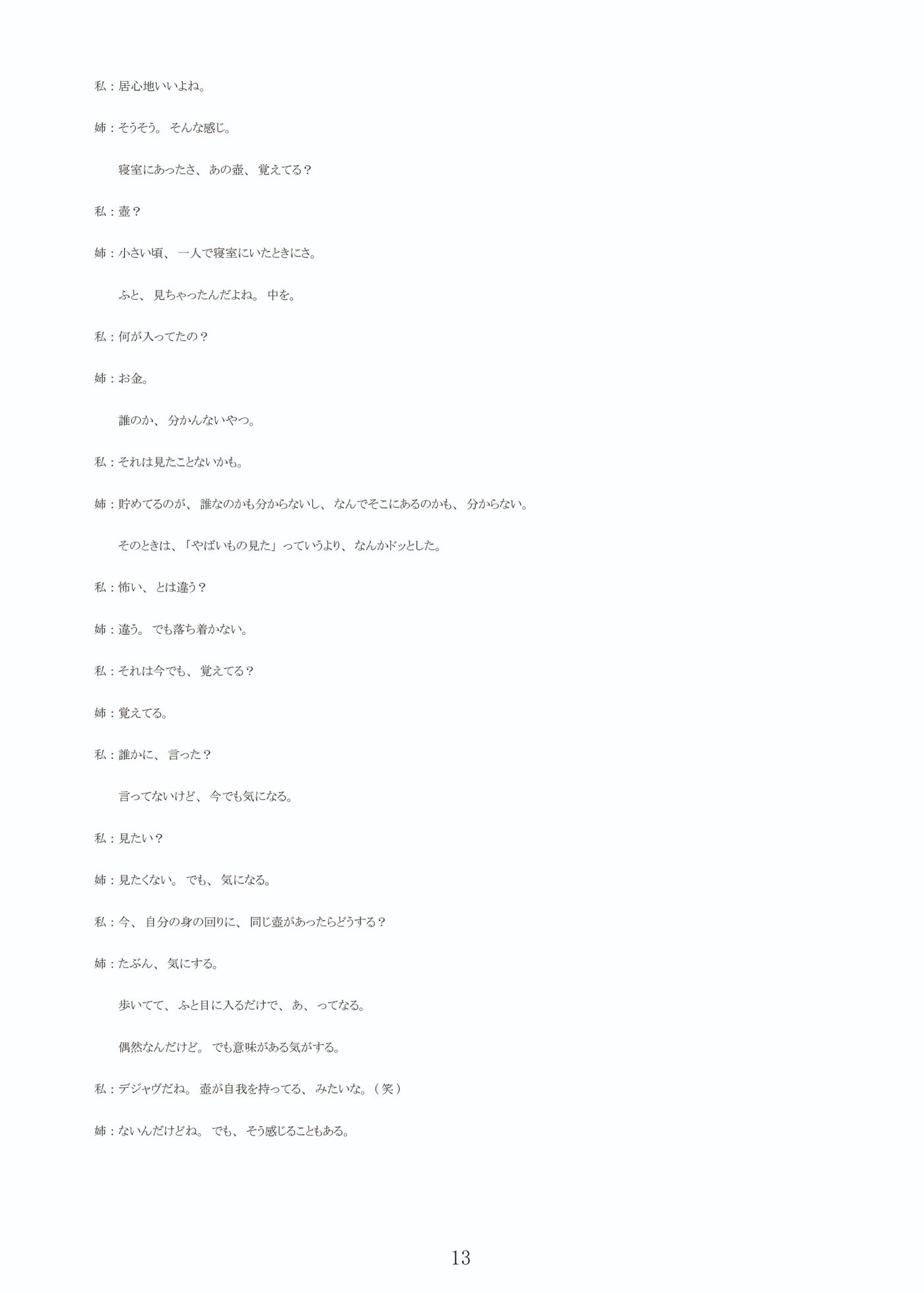
Novels about home Vol.1 — coverNovels about home Vol.1 — contentsNovels about home Vol.1 — p.1Novels about home Vol.1 — p.3Novels about home Vol.1 — p.4Novels about home Vol.1 — p.5Novels about home Vol.1 — p.7Novels about home Vol.1 — p.8Novels about home Vol.1 — p.9Novels about home Vol.1 — p.10Novels about home Vol.1 — p.11Novels about home Vol.1 — p.12Novels about home Vol.1 — p.13Novels about home Vol.1 — p.14Novels about home Vol.1 — p.15Novels about home Vol.1 — p.16

Novel: https://x.gd/jBEV3

← Home

About

多摩美術大学大学院デザイン専攻 建築・環境デザイン研究領域修了。湯浅良介研究室一期生。

Hitoki Keino completed the Graduate School of Design (Architecture and Environmental Design) at Tama Art University. Member of the first cohort of the Ryosuke Yuasa Laboratory.

表象文化・建築美学を主な研究領域とし、絵画や映画、さらに文学などを参照しながら建築、実験映像などを制作する。実在する建築がソーシャル・マスメディアやデジタルメディアによって、絶えず移ろいながら変質し、実在しないにもかかわらず、人々が記憶の中でどこか存在していたかのように錯覚してしまうような表象物として立ち上がる過程に関心を持つ。近年は、アンソニー・ヴィドラーの著書「不気味な建築」を研究テーマとし、住宅内部の私的領域に生じるミクロな不気味さから、大都市域に共有されるマクロな空間経験へと展開し、建築・都市・映像を横断する新たな不気味さの美学を模索している。

His main areas of research are the culture of representation and architectural aesthetics, and, drawing on painting, cinema, and literature, he produces architecture, experimental video, and other works. He is interested in the process by which real architecture, constantly shifting and changing through social media and digital media, rises up as a representation that, though it does not exist, makes people feel as if it had somehow existed in their memories. Recently, taking Anthony Vidler’s book The Architectural Uncanny as his research theme, he has been developing from the micro-scale uncanniness arising in the private realm inside the house to the macro-scale spatial experience shared across the metropolis, seeking a new aesthetics of the uncanny that cuts across architecture, the city, and the moving image.

主な展覧会に、「Anybody Seen The Same River Twice?」(プリズミックギャラリー、2025)など。主な受賞歴に、第24回JIA大学院修士設計展2026 優秀賞など。

Main exhibitions include “Anybody Seen The Same River Twice?” (Prismic Gallery, 2025). Main awards include the Excellence Award at the 24th JIA Graduate Master’s Design Exhibition 2026.

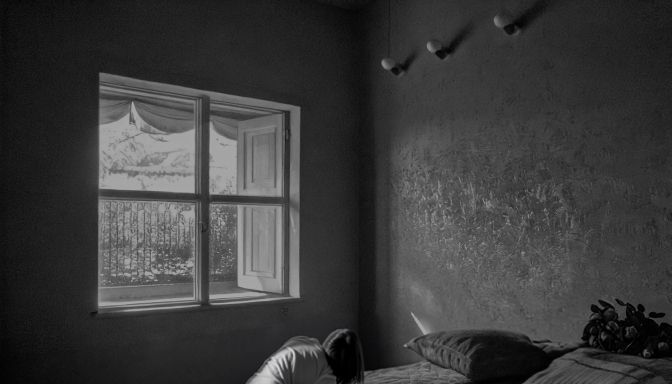
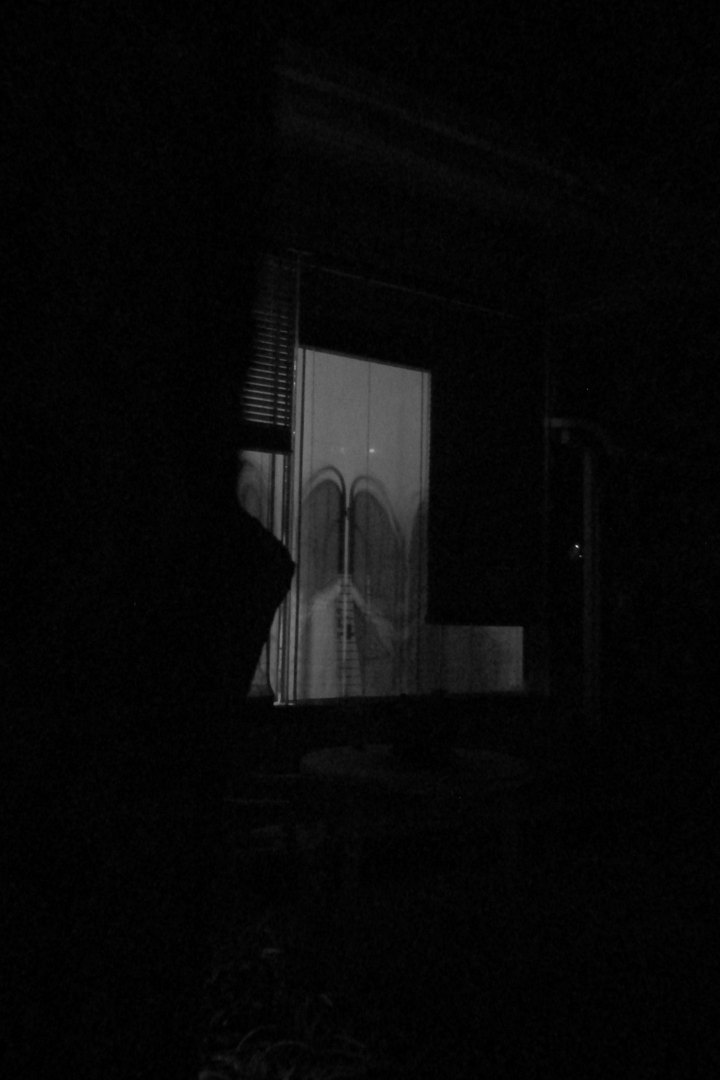
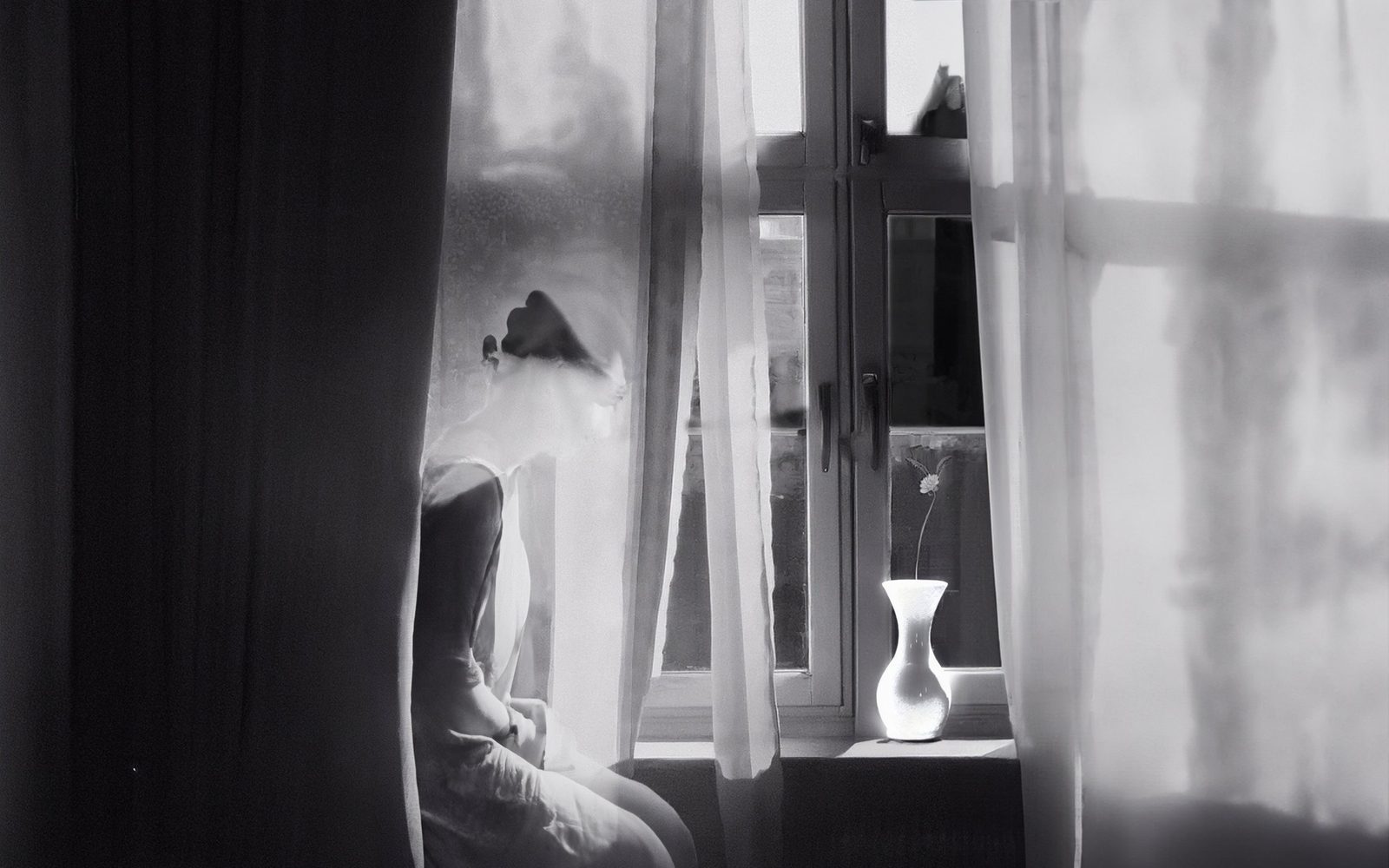
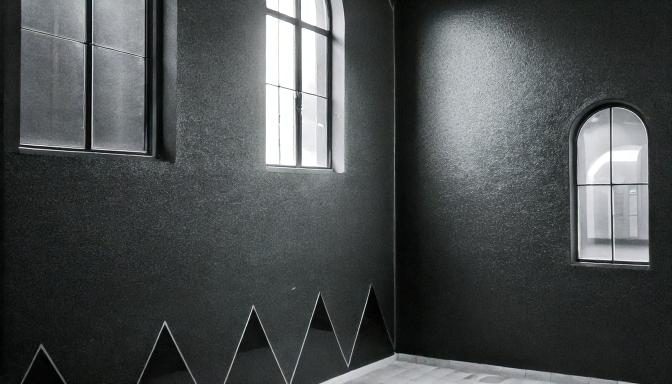
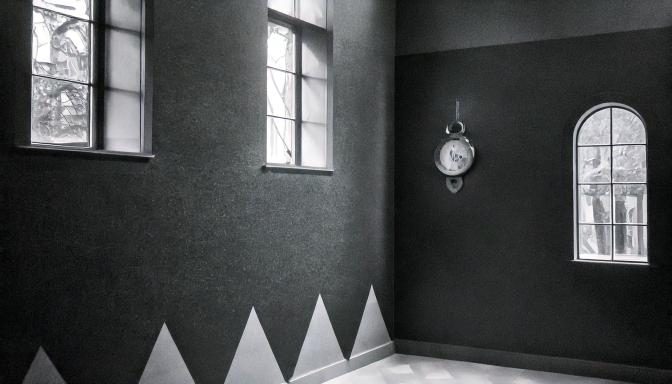
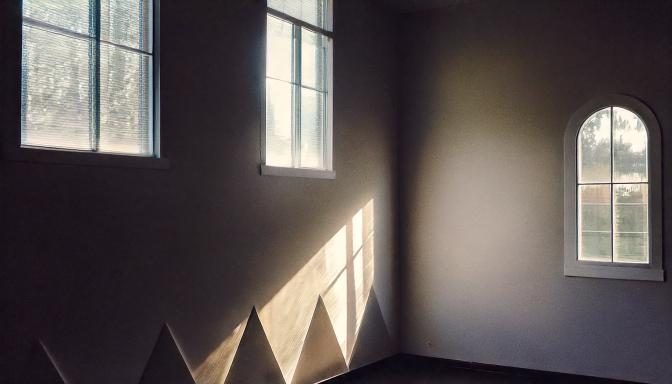
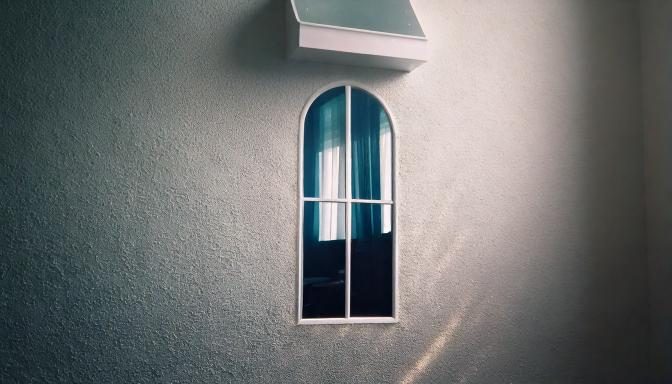
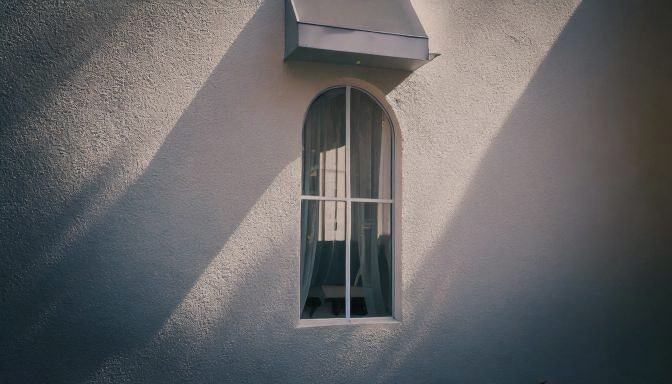
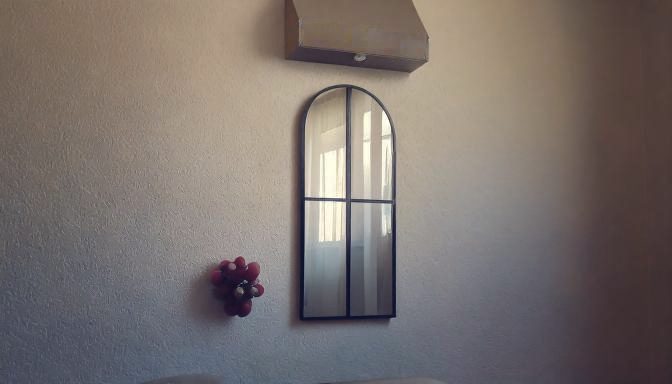
暗い部屋の中の、光の差す窓
← Home

Contact

based in Tokyo

E-mail: keinohitoki@gmail.comInstagram:Artist Account: @keino_hitoki
Practice Account: @abductionhouses
YouTube: @HitokiKeino

展示のお誘い、制作に関するご依頼・ご相談、その他作品についてのお問い合わせは上記までにお気軽にご連絡ください。

Please feel free to contact me at the above for exhibition invitations, commissions and consultations regarding production, and any other inquiries about the work.

Hitoki Keino, still image
← Home

CV

Profile

  • 慶野仁希
  • 2002年栃木生まれ
  • 2024 神戸芸術工科大学卒業
  • 2024 多摩美術大学大学院建築・環境デザイン研究領域入学
  • 2025 多摩美術大学校友会奨学金 奨学生採択
  • 2026 多摩美術大学大学院修了
  • Hitoki Keino
  • Born in Tochigi in 2002
  • Graduated from Kobe Design University in 2024
  • Enrolled in the Graduate School of Architecture and Environmental Design at Tama Art University in 2024
  • Selected as a recipient of the Tama Art University Alumni Association Scholarship in 2025
  • Completed the Postgraduate Programme at Tama Art University in 2026

Exhibitions

Screening

Awards

Publications, Articles, Appearances, Books, etc.

Artist in Residence

← Works
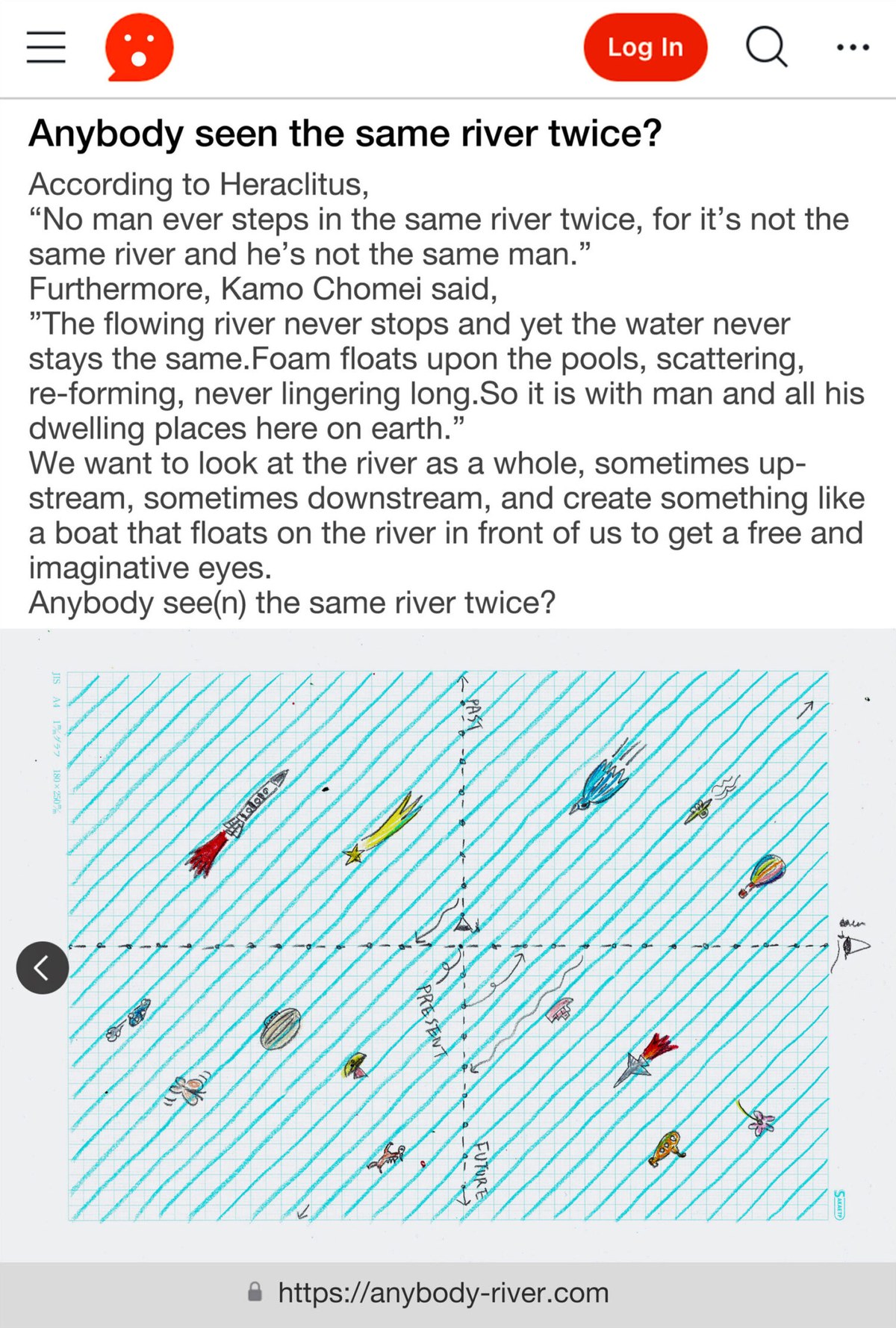
Anybody Seen The Same River Twice? — main visual (website)
展覧会のメインビジュアル/image courtesy of 湯浅良介Main visual of the exhibition / image courtesy of Ryosuke Yuasa
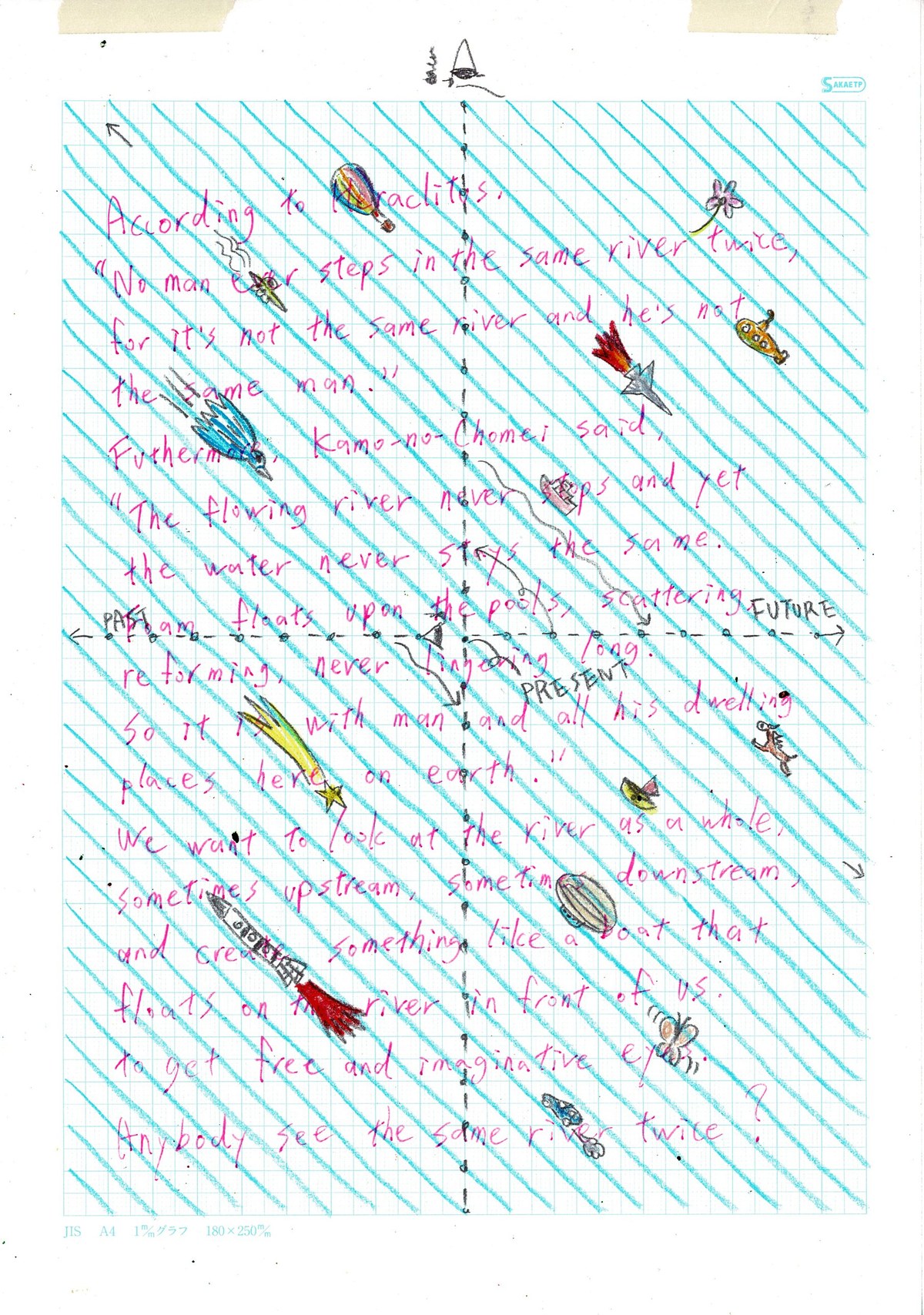
Anybody Seen The Same River Twice? — main visual (drawing)
展覧会のメインビジュアル/image courtesy of 湯浅良介Main visual of the exhibition / image courtesy of Ryosuke Yuasa
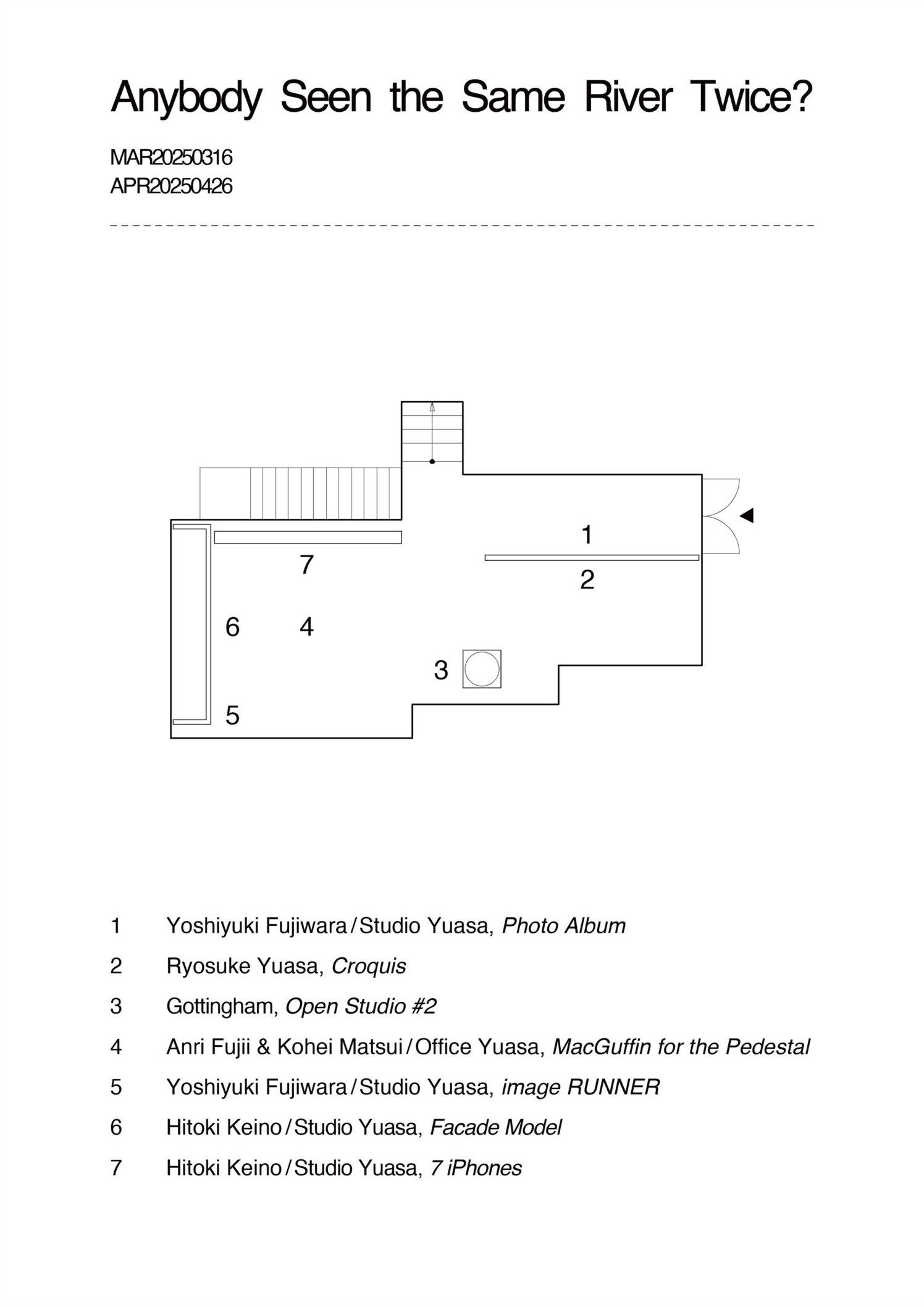
Anybody Seen The Same River Twice? — venue map
会場のマップ/image courtesy of 湯浅良介Map of the venue / image courtesy of Ryosuke Yuasa
Anybody Seen The Same River Twice? — Installation view 01
会場の様子 / Installation view, Anybody Seen the Same River Twice? © 2025 by StudioXxingham K.K. is licensed under CC BY-NC-ND 4.0
Anybody Seen The Same River Twice? — Installation view 02
会場の様子 / Installation view, Anybody Seen the Same River Twice? © 2025 by StudioXxingham K.K. is licensed under CC BY-NC-ND 4.0
Anybody Seen The Same River Twice? — Installation view 03
会場の様子 / Installation view, Anybody Seen the Same River Twice? © 2025 by StudioXxingham K.K. is licensed under CC BY-NC-ND 4.0
Anybody Seen The Same River Twice? — Installation view 04
会場の様子 / Installation view, Anybody Seen the Same River Twice? © 2025 by StudioXxingham K.K. is licensed under CC BY-NC-ND 4.0
Anybody Seen The Same River Twice? — Installation view 05
会場の様子 / Installation view, Anybody Seen the Same River Twice? © 2025 by StudioXxingham K.K. is licensed under CC BY-NC-ND 4.0
Anybody Seen The Same River Twice? — Installation view 06
湯浅良介「Croquis : Layering, Repeating, Returning for Planarity」Ryosuke Yuasa “Croquis : Layering, Repeating, Returning for Planarity” / Installation view, Anybody Seen the Same River Twice? © 2025 by StudioXxingham K.K. is licensed under CC BY-NC-ND 4.0
Anybody Seen The Same River Twice? — Installation view 07
湯浅良介「Croquis : Layering, Repeating, Returning for Planarity」Ryosuke Yuasa “Croquis : Layering, Repeating, Returning for Planarity” / Installation view, Anybody Seen the Same River Twice? © 2025 by StudioXxingham K.K. is licensed under CC BY-NC-ND 4.0
Anybody Seen The Same River Twice? — Installation view 08
ゴッティンガム「Open Studio #2」Gottingham “Open Studio #2” / Installation view, Anybody Seen the Same River Twice? © 2025 by StudioXxingham K.K. is licensed under CC BY-NC-ND 4.0
Anybody Seen The Same River Twice? — Installation view 09
ゴッティンガム「Open Studio #2」Gottingham “Open Studio #2” / Installation view, Anybody Seen the Same River Twice? © 2025 by StudioXxingham K.K. is licensed under CC BY-NC-ND 4.0
Anybody Seen The Same River Twice? — Installation view 10
ゴッティンガム「Open Studio #2」Gottingham “Open Studio #2” / Installation view, Anybody Seen the Same River Twice? © 2025 by StudioXxingham K.K. is licensed under CC BY-NC-ND 4.0
Anybody Seen The Same River Twice? — Installation view 11
藤原禎之(スタジオユアサ)「Photo Album」Yoshiyuki Fujiwara (Studio Yuasa) “Photo Album” / Installation view, Anybody Seen the Same River Twice? © 2025 by StudioXxingham K.K. is licensed under CC BY-NC-ND 4.0
Anybody Seen The Same River Twice? — Installation view 12
左:藤原禎之(スタジオユアサ)「image RUNNER」、右:慶野仁希(スタジオユアサ)「箱模型/Facade Model」Left: Yoshiyuki Fujiwara (Studio Yuasa) “image RUNNER”; right: Hitoki Keino (Studio Yuasa) “Facade Model” / Installation view, Anybody Seen the Same River Twice? © 2025 by StudioXxingham K.K. is licensed under CC BY-NC-ND 4.0
Anybody Seen The Same River Twice? — Installation view 13
手前:藤井杏莉&松井康平(オフィスユアサ)「MacGuffin for the Pedestal」、奥:慶野仁希(スタジオユアサ)「箱模型/Facade Model」Front: Anri Fujii & Kohei Matsui (Office Yuasa) “MacGuffin for the Pedestal”; back: Hitoki Keino (Studio Yuasa) “Facade Model” / Installation view, Anybody Seen the Same River Twice? © 2025 by StudioXxingham K.K. is licensed under CC BY-NC-ND 4.0
Anybody Seen The Same River Twice? — Installation view 14
藤井杏莉&松井康平(オフィスユアサ)「MacGuffin for the Pedestal」Anri Fujii & Kohei Matsui (Office Yuasa) “MacGuffin for the Pedestal” / Installation view, Anybody Seen the Same River Twice? © 2025 by StudioXxingham K.K. is licensed under CC BY-NC-ND 4.0
Anybody Seen The Same River Twice? — Installation view 15
手前:慶野仁希(スタジオユアサ)「7 iPhones」、奥:慶野仁希(スタジオユアサ)「箱模型/Facade Model」Front: Hitoki Keino (Studio Yuasa) “7 iPhones”; back: Hitoki Keino (Studio Yuasa) “Facade Model” / Installation view, Anybody Seen the Same River Twice? © 2025 by StudioXxingham K.K. is licensed under CC BY-NC-ND 4.0

Anybody Seen The Same River Twice?

イントロダクション / Introduction

Introduction

流れる川のように、私たちの住まう世界もまた決して同じかたちを保つことはありません。この時間の不可逆性について、ヘラクレイトスは「同じ川に二度足を踏み入れることはできない」と言い、鴨長明は「流れる川は絶えずして、しかももとの水にあらず」と記しました。本展は、そうした絶え間なく変化する世界の中で、時に川の流れを遡り、時にその先を見据えながら、視線の浮遊を可能にする舟のようなものをつくる試みです。

Like a flowing river, the world we live in never keeps the same form. Regarding this irreversibility of time, Heraclitus said, “You cannot step into the same river twice,” and Kamo no Chōmei wrote, “The flowing river never ceases, and yet the water is never the same water.” In this ever-changing world, this exhibition is an attempt to make something like a boat that enables the drifting of one’s gaze, at times going back up the river’s current and at times looking ahead beyond it.

現代において、私たちの経験は、かつてないほど断片化し、加速度的に変化しています。デジタル技術の進展により、時間や距離の感覚は曖昧になり、リアルと生成、記憶と記録、個と群の境界は、ますます不確かになりつつあります。移動の自由度が増し、同時に情報の流れが加速するなかで、私たちが立つ「場」や「空間」は、どのように認識され、どのように意味を持ちうるのでしょうか。その変化は、物理的な空間の捉え方にも影響を与え、可視・不可視の領域や現実と仮想の交錯を生み出しています。社会の構造が変容し続けるなかで、私たちは自身の立ち位置をどこに見出し、どのように世界と関わるのでしょうか。

Today, our experience is more fragmented than ever and is changing at an accelerating pace. With the advance of digital technology, our sense of time and distance has become blurred, and the boundaries between the real and the generated, memory and record, the individual and the group are growing ever more uncertain. As freedom of movement increases and, at the same time, the flow of information accelerates, how are the “places” and “spaces” on which we stand perceived, and how can they hold meaning? That change also affects how physical space is understood, producing intersections of the visible and the invisible, and of the real and the virtual. As the structures of society continue to transform, where do we find our own position, and how do we relate to the world?

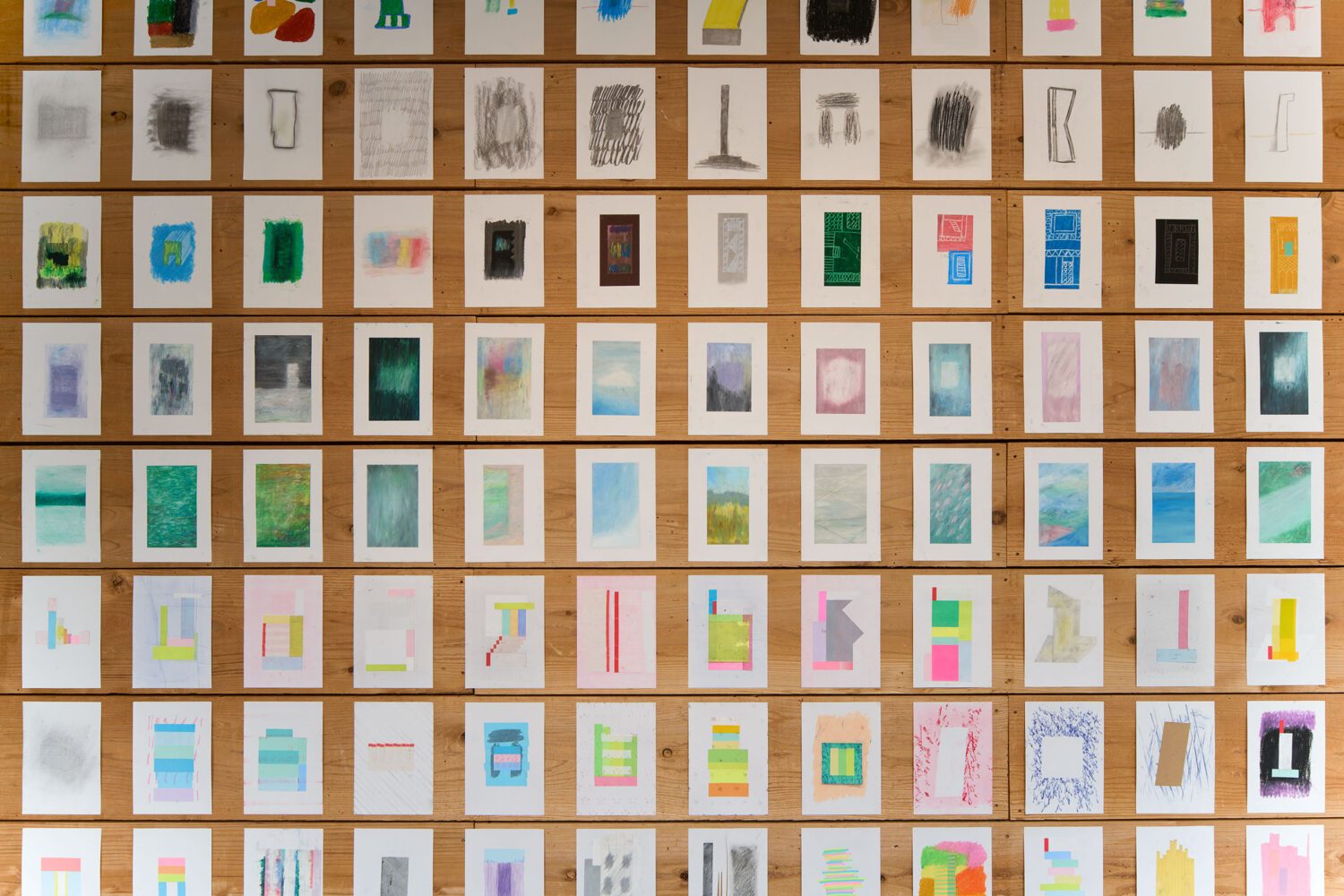
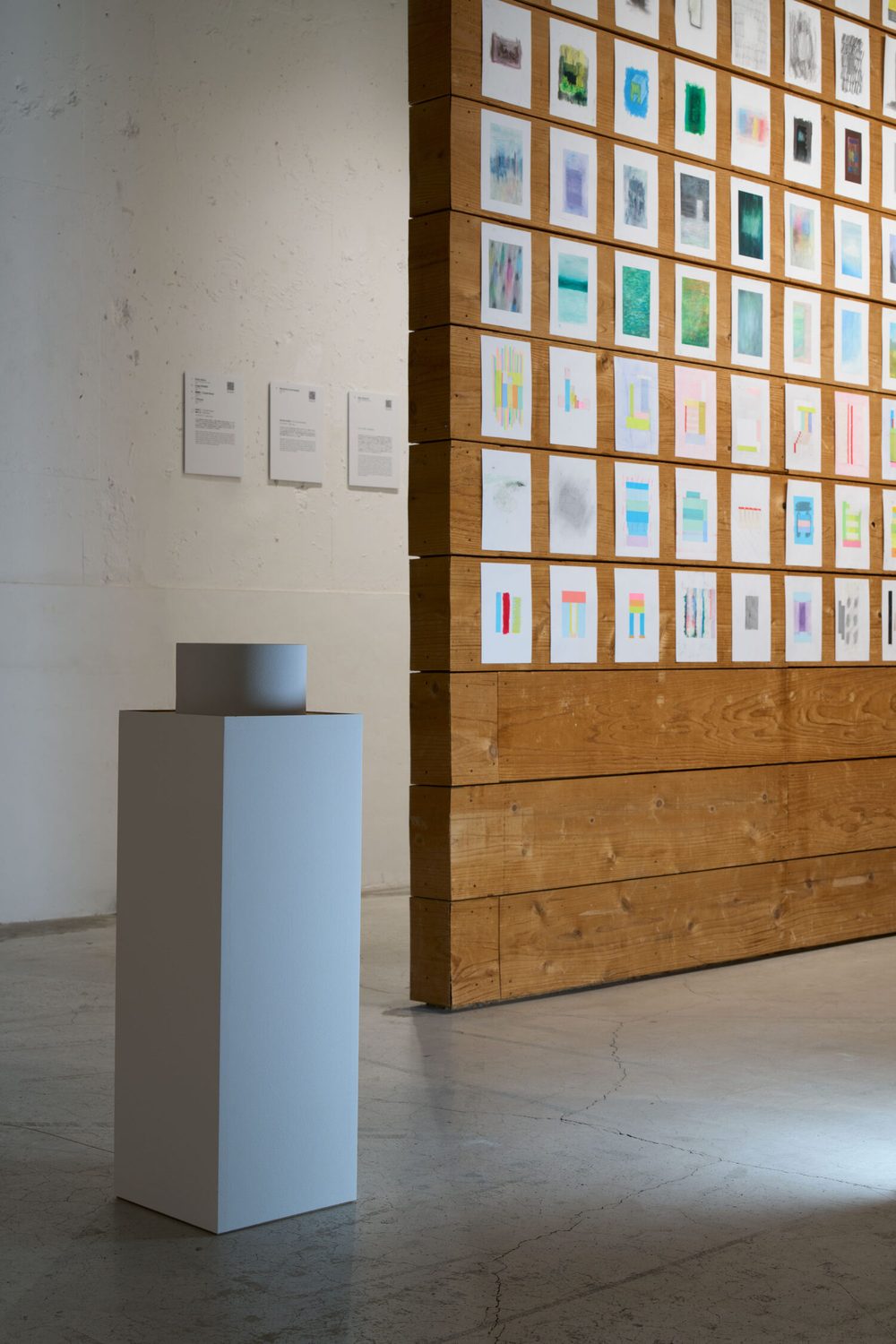
オフィスユアサ、スタジオユアサ、ゴッティンガム、湯浅良介らによる出展作品は、コラージュ、写真、オブジェ、ドローイングを通じて、この不可逆な時間に対する空間の可逆性を、それにまつわる視覚的な問いとして投げかけます。複数の時間軸が交錯し、過去と現在、個と群がせめぎ合うなかで、認識のズレや知覚の揺らぎを浮かび上がらせます。会場には、オフィスユアサの藤井杏莉、松井康平による「台座のためのマクガフィン」が展示されるほか、スタジオユアサからは、慶野仁希、藤原禎之が、それぞれの研究・制作から選出した作品群を発表します。ゴッティンガムは、近年取り組んでいる「留保」をテーマにしたインスタレーションを展開し、湯浅良介は、紙に描くというプリミティブな方法を用い、描くことと消すことを繰り返すクロッキーを展示します。

The works exhibited by Office Yuasa, Studio Yuasa, Gottingham, and Ryosuke Yuasa pose, through collage, photography, objects, and drawing, the reversibility of space against this irreversible time as a visual question. As multiple timelines intersect and past and present, individual and group, contend with one another, they bring to the surface gaps in cognition and wavering of perception. At the venue, Anri Fujii and Kohei Matsui of Office Yuasa present “A MacGuffin for Pedestals,” while from Studio Yuasa, Hitoki Keino and Yoshiyuki Fujiwara present groups of works selected from their respective research and production. Gottingham develops an installation on the theme of “reservation,” which he has been working on in recent years, and Ryosuke Yuasa exhibits croquis made with the primitive method of drawing on paper, repeating the acts of drawing and erasing.

本展は、単なる展示空間としての場ではなく、川のように絶えず変化し続ける視点の往復運動を誘発するものとして機能します。時間は流れ、空間が横たわります。遡ることも、飛び越えることもできない時間を、空間という媒介を通してなら往来できるかもしれません。空間がもつ多層な可能性のなかで、たゆたう川に身をゆだねながら、私たちはこの川を何度、どのように渡るのでしょうか?

This exhibition functions not as a mere exhibition space but as something that induces the back-and-forth movement of viewpoints that, like a river, keep changing. Time flows, and space lies across it. Time that can be neither retraced nor leapt over may become something we can travel back and forth through the medium of space. Within the multilayered possibilities of space, entrusting ourselves to the drifting river, how, and how many times, will we cross this river?

出展者情報

Exhibitors

オフィスユアサ

2019年設立。2022年まで湯浅良介個人の活動、2023年よりスタッフと協働し「TEMPO」(2023)、「MARIE」(2024)などを設計。これまではコラージュやデペイズマン、スケーリングなどの絵画表現を活用し設計を行う。現在は岡倉慎乃輔、藤井杏莉、松井康平と協働し商業空間や展示計画などクライアントワークをメインに活動を行う。本展では藤井杏莉、松井康平が協働作品「台座のためのマクガフィン」を発表。

OFFICE YUASA

Established in 2019. Until 2022 it was the individual practice of Ryosuke Yuasa; since 2023 it has worked together with staff and designed projects such as “TEMPO” (2023) and “MARIE” (2024). Until now it has designed using pictorial techniques such as collage, dépaysement, and scaling. Currently, in collaboration with Shinnosuke Okakura, Anri Fujii, and Kohei Matsui, it mainly engages in client work such as commercial spaces and exhibition planning. In this exhibition, Anri Fujii and Kohei Matsui present the collaborative work “A MacGuffin for Pedestals.”

スタジオユアサ

2024年多摩美術大学湯浅良介研究室として開設。建築美学と表象文化を軸にリサーチと制作活動を行う。1期となる2024年度は美術・建築史上の手法や作品を時代背景とともにリサーチし、生成AIや複合機などの技術を活用しながらそれらを現在の視点で捉え直した空間表現の制作を行う。本展では研究室所属の慶野仁希と藤原禎之がそれぞれの研究テーマを元に研究・制作を続けている作品群の中から一部を発表。

STUDIO YUASA

Established in 2024 as the Ryosuke Yuasa Laboratory at Tama Art University. It conducts research and production centered on architectural aesthetics and the culture of representation. In its first term, the 2024 academic year, it researched techniques and works from the history of art and architecture together with their historical backgrounds, and produced spatial expressions that reinterpret them from a contemporary perspective, using technologies such as generative AI and multifunction printers. In this exhibition, laboratory members Hitoki Keino and Yoshiyuki Fujiwara present a selection from the works they continue to research and produce based on their respective research themes.

ゴッティンガム

1982年生まれ。2012年にアーカスプロジェクト実行委員会を退任以降、東京を拠点に活動。手続き型の制作手法や演劇的な写真表現を特徴とし、美術、建築、デザインの領域で作品発表を続けている。これまでに「WHO ARE WE 観察と発見の生物学」(国立科学博物館)や「The Original」(21_21 DESIGN SITE )など数多くの企画展に写真を提供。2021年発行の『建築雑誌』(日本建築学会)では、年間を通じて表紙写真を担当。また、ザ・キャンパス(東京)やアマネク別府ゆらり(大分)にパブリックインスタレーションが常設。主な個展に「オープンスタジオのためのオープンスタジオ」(The 5th Floor、2024年)。主な共著に『クリシュナ—そこにいる場所は、通り道』(アーツカウンシル東京)、『米麹のモノリス』(山口情報芸術センター)など。2019年よりFICCIONESでCGI建築に取り組む一方、StudioXxingham K.K. と共にデータベースの企画にも注力している。2025年より多摩美術大学建築・環境デザイン学科非常勤講師。

Gottingham

Born in 1982. Since stepping down from the ARCUS Project Executive Committee in 2012, he has been based in Tokyo. Characterized by procedural methods of production and theatrical photographic expression, he continues to present work in the fields of art, architecture, and design. He has provided photographs to numerous curated exhibitions, including “WHO ARE WE: Biology of Observation and Discovery” (National Museum of Nature and Science) and “The Original” (21_21 DESIGN SIGHT). In 2021 he was in charge of the cover photographs throughout the year for Kenchiku Zasshi (Journal of Architecture and Building Science, Architectural Institute of Japan). Public installations are also permanently installed at The Campus (Tokyo) and Amanek Beppu Yurari (Oita). His main solo exhibitions include “Open Studio for Open Studio” (The 5th Floor, 2024). His main co-authored publications include Krishna: The Place Where You Are Is a Passage (Arts Council Tokyo) and Monolith of Rice Koji (Yamaguchi Center for Arts and Media). Since 2019 he has been working on CGI architecture at FICCIONES, while also focusing on database planning together with StudioXxingham K.K. Since 2025 he has been a part-time lecturer in the Department of Architecture and Environmental Design at Tama Art University.

湯浅良介

1982年東京都生まれ。東京藝術大学大学院修士課程修了。内藤廣建築設計事務所を経て、2019年よりOFFICE YUASAを主宰。2024年より多摩美術大学准教授。主な作品に、「FLASH」(2021)、「となりはランデヴー」(2022)、「波」(2022)、「LIGHTS」(2024)など。主な著作に、『HOUSEPLAYING No.01 VIDEO』(OFFICE YUASA)、『PATH』(盆地Edition)など。主な個展に「POLE STAR」(un、2022)、「BLINK」(same gallery、2023)、「TEMPO++」(CoAK、2024)など。主な受賞歴に東京藝術大学吉田五十八修了制作賞受賞、東京建築コレクション内藤廣賞、第9回ap賞入賞、SDレビュー2023槇賞、住宅建築賞2024入賞など。

Ryosuke Yuasa

Born in Tokyo in 1982. Completed the master’s program at Tokyo University of the Arts. After working at Naito Architect & Associates, he has led OFFICE YUASA since 2019. Since 2024 he has been an associate professor at Tama Art University. His main works include “FLASH” (2021), “Tonari wa Rendezvous” (2022), “Wave” (2022), and “LIGHTS” (2024). His main publications include HOUSEPLAYING No.01 VIDEO (OFFICE YUASA) and PATH (Bonchi Edition). His main solo exhibitions include “POLE STAR” (un, 2022), “BLINK” (same gallery, 2023), and “TEMPO++” (CoAK, 2024). His main awards include the Isoya Yoshida Prize for Graduation Work at Tokyo University of the Arts, the Hiroshi Naito Prize at Tokyo Architecture Collection, a prize at the 9th ap Award, the Maki Prize at SD Review 2023, and a prize at the Housing Architecture Award 2024.

  • 展覧会名Anybody Seen The Same River Twice?
  • ExhibitionAnybody Seen The Same River Twice?
  • 会期2025年3月16日(日)~4月26日(土)
  • DatesMarch 16 (Sun) – April 26 (Sat), 2025
  • 開廊時間平日10:00~18:00 ※月曜のみ12:00~18:00
  • HoursWeekdays 10:00–18:00 (Mondays only 12:00–18:00)
  • 休廊日土曜日、日曜日、祝日 ※イベント開催日および作家在廊日は開廊いたします。
  • ClosedSaturdays, Sundays, and public holidays (open on event days and on days when the artists are present)
  • イベント・作家在廊日など会期中の最新情報は下記URLより発信します。
    https://anybody-river.com
  • Latest information during the exhibition period, including events and days when the artists are present, will be posted at the URL below.
    https://anybody-river.com
  • 入場料無料
  • AdmissionFree
  • 会場プリズミックギャラリー
  • VenuePrismic Gallery
  • 住所〒107-0062 東京都港区南青山4-1-9 秋元南青山ビル 1F
  • AddressAkimoto Minami-Aoyama Bldg. 1F, 4-1-9 Minami-Aoyama, Minato-ku, Tokyo 107-0062
  • アクセス東京メトロ銀座線外苑前駅1a・1b出口より徒歩10分、東京メトロ千代田線乃木坂駅5番出口より徒歩20分
  • Access10-minute walk from Exit 1a/1b of Gaienmae Station (Tokyo Metro Ginza Line); 20-minute walk from Exit 5 of Nogizaka Station (Tokyo Metro Chiyoda Line)
  • お問い合わせoffice@yuasaryosuke.com
  • Inquiriesoffice@yuasaryosuke.com
  • 企画湯浅良介
  • CurationRyosuke Yuasa
  • 企画協力ゴッティンガム
  • Planning supportGottingham
  • 主催プリズミックギャラリー
  • OrganizerPrismic Gallery
← Works

STUDIO YUASA

Instagram: @studioyuasa

2024年多摩美術大学湯浅良介研究室として開設。建築美学と表象文化を軸にリサーチと制作活動を行う。1期となる2024年度は美術・建築史上の手法や作品を時代背景とともにリサーチし、生成AIや複合機などの技術を活用しながらそれらを現在の視点で捉え直した空間表現の制作を行う。

Established in 2024 as the Ryosuke Yuasa Laboratory at Tama Art University. The laboratory conducts research and creative activities centered on architectural aesthetics and the culture of representation. In its first term, the 2024 academic year, the laboratory will research techniques and works from the history of art and architecture within their historical contexts, and create spatial expressions that reinterpret these elements from a contemporary perspective, utilizing technologies such as generative AI and multifunction printers.
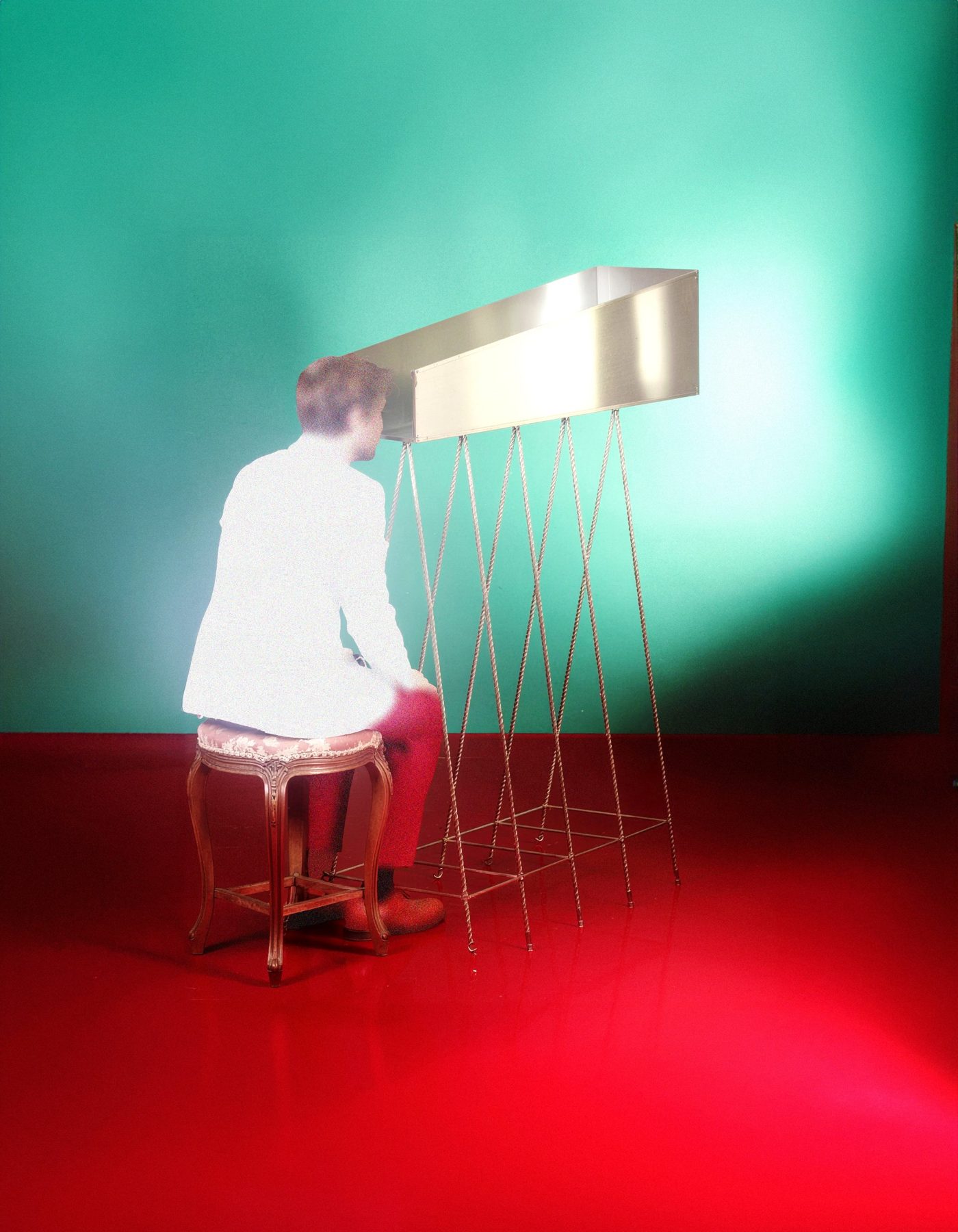
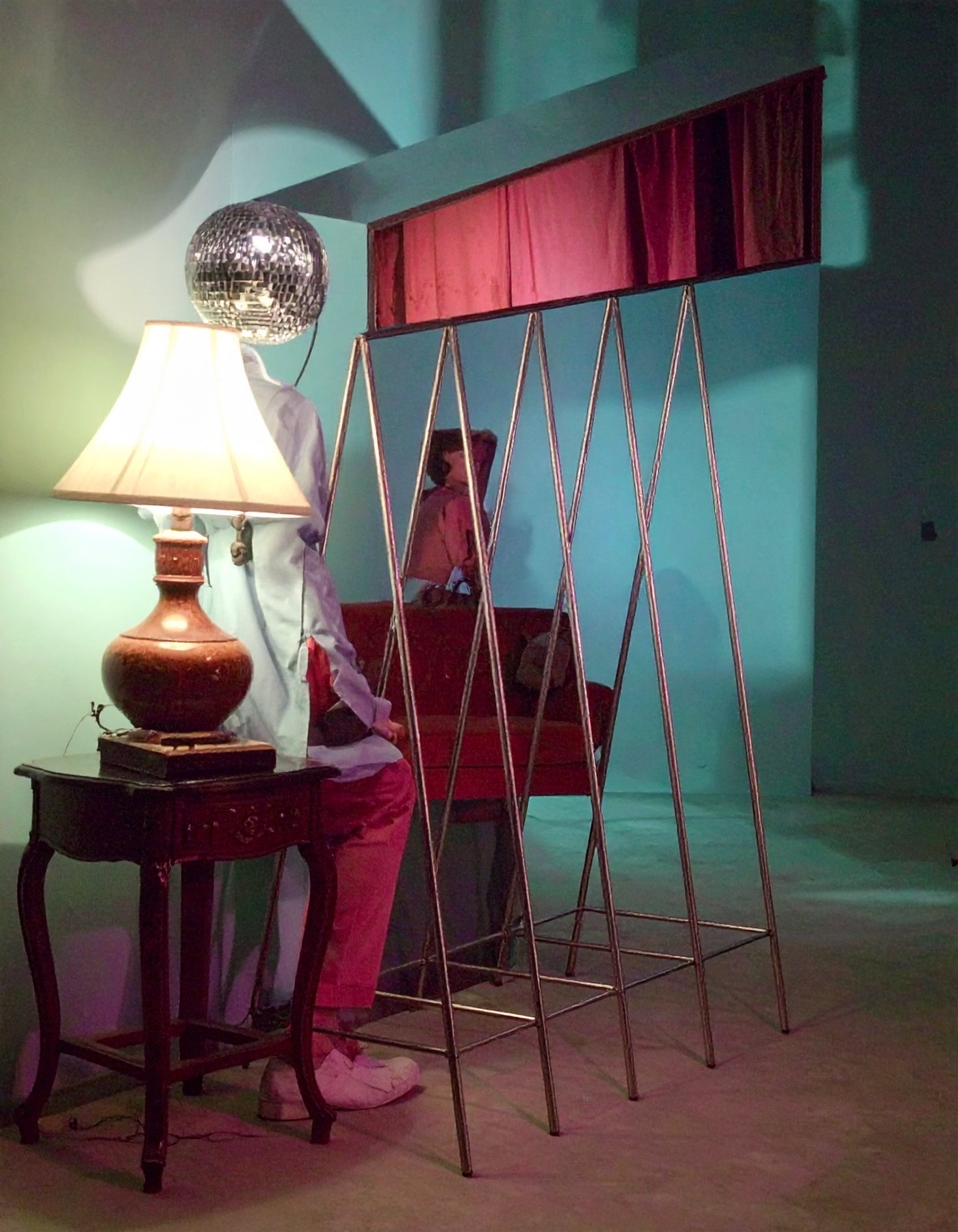
← STUDIO YUASA

Referential Practice (Hitoki Keino 2024)

Referential Practice (2024) — 1
Referential Practice (2024) — 2
Referential Practice (2024) — 3
Referential Practice (2024) — 4
Referential Practice (2024) — 5
Referential Practice (2024) — 6
Referential Practice (2024) — 7
Referential Practice (2024) — 8
Referential Practice (2024) — 9
Referential Practice (2024) — 10
Referential Practice (2024) — 11
Referential Practice (2024) — 12
Referential Practice (2024) — 13
Referential Practice (2024) — 14
Referential Practice (2024) — 15
Referential Practice (2024) — 16
Referential Practice (2024) — 17
Referential Practice (2024) — 18
Referential Practice (2024) — 19
Referential Practice (2024) — 20
Referential Practice (2024) — 21
Referential Practice (2024) — 22
Referential Practice (2024) — 23
Referential Practice (2024) — 24
Referential Practice (2024) — 25
Referential Practice (2024) — 26
Referential Practice (2024) — 27
Referential Practice (2024) — 28
Referential Practice (2024) — 29
Referential Practice (2024) — 30
Referential Practice (2024) — 31
Referential Practice (2024) — 32
Referential Practice (2024) — 33
Referential Practice (2024) — 34
Referential Practice (2024) — 35
Referential Practice (2024) — 36
Referential Practice (2024) — 37
Referential Practice (2024) — 38
Referential Practice (2024) — 39
Referential Practice (2024) — 40
Referential Practice (2024) — 41
Referential Practice (2024) — 42
Referential Practice (2024) — 43
Referential Practice (2024) — 44
Referential Practice (2024) — 45
Referential Practice (2024) — 46
Referential Practice (2024) — 47
Referential Practice (2024) — 48
Referential Practice (2024) — 49
Referential Practice (2024) — 50
Referential Practice (2024) — 51
Referential Practice (2024) — 52
Referential Practice (2024) — 53
Referential Practice (2024) — 54
Referential Practice (2024) — 55
Referential Practice (2024) — 56
Referential Practice (2024) — 57
Referential Practice (2024) — 58
Referential Practice (2024) — 59
Referential Practice (2024) — 60
Referential Practice (2024) — 61
Referential Practice (2024) — 62
Referential Practice (2024) — 63
Referential Practice (2024) — 64
Referential Practice (2024) — 65
Referential Practice (2024) — 66
Referential Practice (2024) — 67
Referential Practice (2024) — 68
Referential Practice (2024) — 69
Referential Practice (2024) — 70
Referential Practice (2024) — 71
Referential Practice (2024) — 72
Referential Practice (2024) — 73
Referential Practice (2024) — 74
Referential Practice (2024) — 75
Referential Practice (2024) — 76
Referential Practice (2024) — 77
Referential Practice (2024) — 78
Referential Practice (2024) — 79
Referential Practice (2024) — 80
Referential Practice (2024) — 81
Referential Practice (2024) — 82
Referential Practice (2024) — 83
Referential Practice (2024) — 84
Referential Practice (2024) — 85
Referential Practice (2024) — 86
Referential Practice (2024) — 87
Referential Practice (2024) — 88
Referential Practice (2024) — 89
Referential Practice (2024) — 90
Referential Practice (2024) — 91
Referential Practice (2024) — 92
Referential Practice (2024) — 93
Referential Practice (2024) — 94
Referential Practice (2024) — 95
Referential Practice (2024) — 96
Referential Practice (2024) — 97
Referential Practice (2024) — 98
Referential Practice (2024) — 99
Referential Practice (2024) — 100
Referential Practice (2024) — 101
Referential Practice (2024) — 102
Referential Practice (2024) — 103
Referential Practice (2024) — 104
Referential Practice (2024) — 105
Referential Practice (2024) — 106
Referential Practice (2024) — 107
Referential Practice (2024) — 108
Referential Practice (2024) — 109
Referential Practice (2024) — 110
Referential Practice (2024) — 111
Referential Practice (2024) — 112
Referential Practice (2024) — 113
Referential Practice (2024) — 114
Referential Practice (2024) — 115
Referential Practice (2024) — 116
Referential Practice (2024) — 117
Referential Practice (2024) — 118
Referential Practice (2024) — 119
Referential Practice (2024) — 120
Referential Practice (2024) — 121
Referential Practice (2024) — 122
Referential Practice (2024) — 123
Referential Practice (2024) — 124
Referential Practice (2024) — 125
Referential Practice (2024) — 126
Referential Practice (2024) — 127
Referential Practice (2024) — 128
Referential Practice (2024) — 129
Referential Practice (2024) — 130
Referential Practice (2024) — 131
Referential Practice (2024) — 132
Referential Practice (2024) — 133
Referential Practice (2024) — 134
Referential Practice (2024) — 135
Referential Practice (2024) — 136
Referential Practice (2024) — 137
Referential Practice (2024) — 138
Referential Practice (2024) — 139
Referential Practice (2024) — 140
Referential Practice (2024) — 141
Referential Practice (2024) — 142
Referential Practice (2024) — 143
Referential Practice (2024) — 144
Referential Practice (2024) — 145
Referential Practice (2024) — 146
Referential Practice (2024) — 147
Referential Practice (2024) — 148
Referential Practice (2024) — 149
Referential Practice (2024) — 150
Referential Practice (2024) — 151
Referential Practice (2024) — 152
Referential Practice (2024) — 153
Referential Practice (2024) — 154
Referential Practice (2024) — 155
Referential Practice (2024) — 156
Referential Practice (2024) — 157
Referential Practice (2024) — 158
Referential Practice (2024) — 159
Referential Practice (2024) — 160
Referential Practice (2024) — 161
Referential Practice (2024) — 162
Referential Practice (2024) — 163
Referential Practice (2024) — 164
Referential Practice (2024) — 165
Referential Practice (2024) — 166
Referential Practice (2024) — 167
Referential Practice (2024) — 168
Referential Practice (2024) — 169
Referential Practice (2024) — 170
Referential Practice (2024) — 171
Referential Practice (2024) — 172
Referential Practice (2024) — 173
Referential Practice (2024) — 174
Referential Practice (2024) — 175
Referential Practice (2024) — 176
← STUDIO YUASA

Referential Practice (Hitoki Keino 2025)

Referential Practice (Hitoki Keino 2025) — 1
Referential Practice (Hitoki Keino 2025) — 2
Referential Practice (Hitoki Keino 2025) — 3
Referential Practice (Hitoki Keino 2025) — 4
Referential Practice (Hitoki Keino 2025) — 5
Referential Practice (Hitoki Keino 2025) — 6
Referential Practice (Hitoki Keino 2025) — 7
Referential Practice (Hitoki Keino 2025) — 8
Referential Practice (Hitoki Keino 2025) — 9
Referential Practice (Hitoki Keino 2025) — 10
Referential Practice (Hitoki Keino 2025) — 11
Referential Practice (Hitoki Keino 2025) — 12
Referential Practice (Hitoki Keino 2025) — 13
Referential Practice (Hitoki Keino 2025) — 14
Referential Practice (Hitoki Keino 2025) — 15
Referential Practice (Hitoki Keino 2025) — 16
Referential Practice (Hitoki Keino 2025) — 17
Referential Practice (Hitoki Keino 2025) — 18
Referential Practice (Hitoki Keino 2025) — 19
Referential Practice (Hitoki Keino 2025) — 20
Referential Practice (Hitoki Keino 2025) — 21
Referential Practice (Hitoki Keino 2025) — 22
Referential Practice (Hitoki Keino 2025) — 23
Referential Practice (Hitoki Keino 2025) — 24
Referential Practice (Hitoki Keino 2025) — 25
Referential Practice (Hitoki Keino 2025) — 26
Referential Practice (Hitoki Keino 2025) — 27
Referential Practice (Hitoki Keino 2025) — 28
Referential Practice (Hitoki Keino 2025) — 29
Referential Practice (Hitoki Keino 2025) — 30
Referential Practice (Hitoki Keino 2025) — 31
Referential Practice (Hitoki Keino 2025) — 32
Referential Practice (Hitoki Keino 2025) — 33
Referential Practice (Hitoki Keino 2025) — 34
Referential Practice (Hitoki Keino 2025) — 35
Referential Practice (Hitoki Keino 2025) — 36
Referential Practice (Hitoki Keino 2025) — 37
Referential Practice (Hitoki Keino 2025) — 38
Referential Practice (Hitoki Keino 2025) — 39
Referential Practice (Hitoki Keino 2025) — 40
Referential Practice (Hitoki Keino 2025) — 41
Referential Practice (Hitoki Keino 2025) — 42
Referential Practice (Hitoki Keino 2025) — 43
Referential Practice (Hitoki Keino 2025) — 44
Referential Practice (Hitoki Keino 2025) — 45
Referential Practice (Hitoki Keino 2025) — 46
Referential Practice (Hitoki Keino 2025) — 47
Referential Practice (Hitoki Keino 2025) — 48
Referential Practice (Hitoki Keino 2025) — 49
Referential Practice (Hitoki Keino 2025) — 50
Referential Practice (Hitoki Keino 2025) — 51
Referential Practice (Hitoki Keino 2025) — 52
Referential Practice (Hitoki Keino 2025) — 53
Referential Practice (Hitoki Keino 2025) — 54
Referential Practice (Hitoki Keino 2025) — 55
Referential Practice (Hitoki Keino 2025) — 56
Referential Practice (Hitoki Keino 2025) — 57
Referential Practice (Hitoki Keino 2025) — 58
Referential Practice (Hitoki Keino 2025) — 59
Referential Practice (Hitoki Keino 2025) — 60
Referential Practice (Hitoki Keino 2025) — 61
Referential Practice (Hitoki Keino 2025) — 62
Referential Practice (Hitoki Keino 2025) — 63
Referential Practice (Hitoki Keino 2025) — 64
Referential Practice (Hitoki Keino 2025) — 65
Referential Practice (Hitoki Keino 2025) — 66
Referential Practice (Hitoki Keino 2025) — 67
Referential Practice (Hitoki Keino 2025) — 68
Referential Practice (Hitoki Keino 2025) — 69
Referential Practice (Hitoki Keino 2025) — 70
Referential Practice (Hitoki Keino 2025) — 71
Referential Practice (Hitoki Keino 2025) — 72
Referential Practice (Hitoki Keino 2025) — 73
Referential Practice (Hitoki Keino 2025) — 74
Referential Practice (Hitoki Keino 2025) — 75
Referential Practice (Hitoki Keino 2025) — 76
Referential Practice (Hitoki Keino 2025) — 77
Referential Practice (Hitoki Keino 2025) — 78
Referential Practice (Hitoki Keino 2025) — 79
Referential Practice (Hitoki Keino 2025) — 80
Referential Practice (Hitoki Keino 2025) — 81
Referential Practice (Hitoki Keino 2025) — 82
Referential Practice (Hitoki Keino 2025) — 83
Referential Practice (Hitoki Keino 2025) — 84
Referential Practice (Hitoki Keino 2025) — 85
Referential Practice (Hitoki Keino 2025) — 86
Referential Practice (Hitoki Keino 2025) — 87
Referential Practice (Hitoki Keino 2025) — 88
Referential Practice (Hitoki Keino 2025) — 89
Referential Practice (Hitoki Keino 2025) — 90
Referential Practice (Hitoki Keino 2025) — 91
Referential Practice (Hitoki Keino 2025) — 92
Referential Practice (Hitoki Keino 2025) — 93
Referential Practice (Hitoki Keino 2025) — 94
Referential Practice (Hitoki Keino 2025) — 95
Referential Practice (Hitoki Keino 2025) — 96
Referential Practice (Hitoki Keino 2025) — 97
Referential Practice (Hitoki Keino 2025) — 98
Referential Practice (Hitoki Keino 2025) — 99
Referential Practice (Hitoki Keino 2025) — 100
Referential Practice (Hitoki Keino 2025) — 101
Referential Practice (Hitoki Keino 2025) — 102
Referential Practice (Hitoki Keino 2025) — 103
Referential Practice (Hitoki Keino 2025) — 104
Referential Practice (Hitoki Keino 2025) — 105
Referential Practice (Hitoki Keino 2025) — 106
Referential Practice (Hitoki Keino 2025) — 107
Referential Practice (Hitoki Keino 2025) — 108
Referential Practice (Hitoki Keino 2025) — 109
Referential Practice (Hitoki Keino 2025) — 110
Referential Practice (Hitoki Keino 2025) — 111
Referential Practice (Hitoki Keino 2025) — 112
Referential Practice (Hitoki Keino 2025) — 113
Referential Practice (Hitoki Keino 2025) — 114
Referential Practice (Hitoki Keino 2025) — 115